IF du Neurocentre
IF1234567891011121314151617181920253035404550
Nombre1178392723199282133721313411002
%323118653131111211111211001

384 publications


08/2026 | Glia
Astrocytic mGluR5 Regulation of Synaptic Transmission is Activity-Dependent in Adult Rats.
Mountadem S, Hilal ML, Pommier D, Arnouil D, Langlais VC, Simon V, Amadio A, Miegebielle M, Marais S, Josephine C, Cannich A, Varilh M, Bourel J, Cota D, Marsicano G, Bemelmans AP, Ciofi P, Oliet SHR, Panatier A
doi: 10.1002/glia.70162

Abstract:
Data accumulated over the last two decades have demonstrated that astrocytes play key roles in the regulation of synaptic transmission and plasticity. This is due, among other mechanisms, to their capability to detect and regulate synaptic transmission by expressing receptors and releasing gliotransmitters, respectively. Importantly, in juvenile rats, astrocytes are able to detect glutamate release at the level of individual synapses through mGluR5 and consequently up-regulate excitatory synaptic transmission efficacy through the release of purines. Whether this upregulation is still present in the adult brain is an open question. Using immunohistochemistry and RNAscope on fixed tissue, as well as electrophysiological recordings on acute hippocampal brain slices of adult male rats, we demonstrated that this regulatory pathway also prevails in adult rats. Most surprisingly, such facilitation of glutamate release that is readily observed when a small number of synapses are activated was completely abolished under conditions where a large number of inputs were stimulated. These findings thus suggest that astrocytes integrate the incoming afferent information and adapt their responses depending on the network activity.


14/05/2026 | trends endocrinol metab
Harnessing a snake metabolite to control food intake.
Buckenmeyer A, Nasri N, Cota D
doi: 10.1016/j.tem.2026.04.013

Abstract:
Many diverse signals regulate feeding behavior. In Nature Metabolism, Xiao et al. describe the discovery of a new appetite-suppressant metabolite found in pythons, which is also conserved in humans. This research broadens our understanding of postprandial physiology and raises new questions related to metabolic pathology and therapy.


19/09/2025 | rev endocr metab disord
Beyond satiety: unraveling the complex roles of POMC neurons in behavior and metabolism.
Jouque V, Miralpeix C, Lopez-Gambero AJ, Nicolas JC, Quarta C, Cota D
doi: 10.1007/s11154-025-09993-2

Abstract:
Hypothalamic pro-opiomelanocortin (POMC) neurons are classically viewed as mediators of satiety, acting in response to metabolic and hormonal cues and in opposition to Agouti-related protein (AgRP) neurons to maintain energy balance. This model, centered on the appetite-suppressant effects of the POMC-derived neuropeptide alpha-melanocyte-stimulating hormone (alpha-MSH) through its activation of melanocortin-4 receptors (MC4R), has shaped our understanding of feeding and body weight regulation for decades. However, recent discoveries have challenged and expanded this traditional view, revealing that POMC neurons are not a uniform population dedicated solely to satiety control. Single-cell transcriptomic analyses have revealed striking molecular heterogeneity, reflected in distinct anatomical distributions, receptor expression profiles, electrophysiological properties, and projection patterns - all supporting the idea of functional specialization within this neuronal population. In this review, we propose a conceptual framework that integrates POMC neuronal heterogeneity with the regulation of appetite, metabolic physiology, and behavior beyond feeding. We highlight emerging evidence showing that discrete POMC neuronal subpopulations respond to specific combinations of interoceptive and environmental cues to orchestrate diverse adaptive responses. This perspective underscores the developmental plasticity and functional versatility of POMC neurons, offering new insights into the mechanisms of obesity and potentially paving the way for novel targeted therapeutic strategies.


19/09/2025 | Eur J Endocrinol
New routes to the neuroendocrine hypothalamus: the extracellular space.
Nicolas JC, Huwart SJP, Ziemens D, Freire-Agulleiro O, Lee TH, Mattot V, Quarta C
doi: 10.1093/ejendo/lvaf197

Abstract:
The neuroendocrine hypothalamus integrates peripheral nutritional and hormonal cues to regulate essential physiological processes, including appetite, metabolism and reproduction. While the mechanisms by which hormones traverse the blood-brain barrier to access the hypothalamic parenchyma are well characterised, how these signals subsequently diffuse and distribute within the brain's extracellular space and matrix remains poorly understood. Emerging evidence implicates specialised components of the extracellular matrix, such as perineuronal nets (PNNs), in modulating hormonal and nutrient bioavailability, as well as neuronal excitability and plasticity. In the hypothalamus, extracellular matrix components are highly dynamic and respond to nutritional and hormonal cues. In preclinical models of metabolic disorders involving the neuroendocrine system - such as obesity and type 2 diabetes - these components undergo maladaptive remodelling. This Review discusses recent advances in our understanding of how the extracellular environment shapes neuroendocrine signalling in the hypothalamus, and explores the broader implications for systemic hormonal regulation and neuroendocrine disease pathophysiology.


06/2025 | Mol Metab
CPT1C deficiency in SF1 neurons impairs early metabolic adaptation to dietary fats, leading to obesity.
Fosch A, Pizarro DS, Zagmutt S, Reguera AC, Batallé G, Rodríguez-García M, García-Chica J, Freire-Agulleiro O, Miralpeix C, Zizzari P, Serra D, Herrero L, López M, Cota D, Rodríguez-Rodríguez R, Casals N

Abstract:
OBJECTIVES: SF1 neurons of the ventromedial hypothalamus (VMH) play a pivotal role in regulating body weight and adiposity, particularly in response to a high-fat diet (HFD), as well as in the recovery from insulin-induced hypoglycemia. While the brain-specific CPT1C isoform is well known for its role in controlling food intake and energy homeostasis, its function within specific hypothalamic neuronal populations remains largely unexplored. Here, we explore the role of CPT1C in SF1 neurons. METHODS: Mice deficient in CPT1C within SF1 neurons were generated, and their response to a HFD was investigated. RESULTS: SF1-Cpt1c-KO mice fail to adjust their caloric intake during initial HFD exposure, which is associated with impaired activation of the melanocortin system. Furthermore, these mice exhibit disrupted metabolic gene expression in the liver, muscle, and adipose tissue, leading to increased adiposity independently of food intake. In contrast, their response to glucose or insulin challenges remains intact. After long-term HFD exposure, SF1-Cpt1c-KO mice are more prone to developing obesity and glucose intolerance than control littermates, with males exhibiting a more severe phenotype. Interestingly, CPT1C deficiency in SF1 neurons also results in elevated hypothalamic endocannabinoid (eCB) levels under both chow and HFD conditions. We propose that this sustained eCB elevation reduces VMH activation by fatty acids and impairs the SF1-POMC drive upon fat intake. CONCLUSION: Our findings establish CPT1C in SF1 neurons as essential for VMH-driven dietary fat sensing, satiety, and lipid metabolic adaptation.


11/04/2025 | Diabetes
GLP-1-mediated targeting of inflammation corrects obesogenic memory in male mice.
Leon S, Benoit J, Clark S, Zizzari P, Yang B, Dugail I, Merabtene F, Clement K, Eygret L, Dupuy N, Delpech JC, Rossitto M, Mack M, Leste-Lasserre T, Finan B, Cota D, Quarta C
doi: 10.2337/db24-1071

Abstract:
Obesity-induced biological changes often persist after weight loss and are difficult to reverse, a phenomenon known as 'obesogenic memory'. This enduring effect is associated with metabolic inflammation, particularly in adipose tissue. In this study, we characterise a mouse model of obesogenic memory and evaluate the efficacy of the unimolecular conjugate GLP-1/Dexa, which selectively and safely delivers the anti-inflammatory drug dexamethasone to GLP-1 receptor (GLP-1R)-expressing cells. We document that this precision pharmacological approach outperforms treatment with GLP-1 or dexamethasone alone, significantly reducing body weight, food intake, adiposity and markers of adipose tissue inflammation in male mice with obesogenic memory. In addition, we identify the CCR2/CCL2 inflammatory pathway as an important mediator of glucose intolerance and adipose tissue inflammation associated with obesogenic memory. Our findings suggest that targeting inflammation via GLP-1R signalling may be a promising therapeutic strategy to alleviate obesogenic memory and improve the long-term clinical management of metabolic diseases.


05/12/2024 | trends endocrinol metab
Can brain neurons change identity? Lessons from obesity.
Nicolas JC, Lee TH, Quarta C
doi: 10.1016/j.tem.2024.11.006

Abstract:
It has long been thought that the functional identity of mammalian brain neurons is programmed during development and remains stable throughout adult life; however, certain populations of neurons continue to express active regulators of neuronal identity into adulthood. Prolonged exposure to diet-induced metabolic stress induces features of neuronal identity modification in adult mice, and maladaptive changes in neuronal identity maintenance have been linked to cognitive impairment in humans suffering from neurodegenerative diseases often associated with obesity. Here we discuss how, by unraveling the neurological roots of obesity, we may solve the puzzle of whether mammalian brain neurons retain identity plasticity into adulthood, while advancing knowledge of the pathogenic mechanisms at the interface of metabolic and neurodegenerative disorders.


25/11/2024 | Mol Metab
TGR5 receptors in SF1-expressing neurons of the ventromedial hypothalamus regulate glucose homeostasis.
Zizzari P, Castellanos-Jankiewicz A, Yagoub S, Simon V, Clark S, Maître M, Dupuy N, Leste-Lasserre T, Gonzales D, Schoonjans K, Fénelon VS, Cota D
doi: 10.1016/j.molmet.2024.102071

Abstract:
OBJECTIVE: Steroidogenic factor-1 (SF1) neurons of the ventromedial hypothalamus play key roles in the regulation of food intake, body weight and glucose metabolism. The bile acid receptor Takeda G protein-coupled receptor 5 (TGR5) is expressed in the hypothalamus, where it determines some of the actions of bile acids on food intake and body weight through still poorly defined neuronal mechanisms. Here, we examined the role of TGR5 in SF1 neurons in the regulation of energy balance and glucose metabolism. METHODS: We used a genetic approach combined with metabolic phenotyping and molecular analyses to establish the effect of TGR5 deletion in SF1 neurons on meal pattern, body weight, body composition, energy expenditure and use of energy substrates as well as on possible changes in glucose handling and insulin sensitivity. RESULTS: Our findings reveal that TGR5 in SF1 neurons does not play a major role in the regulation of food intake or body weight under standard chow, but it is involved in the adaptive feeding response to the acute exposure to cold or to a hypercaloric, high-fat diet, without changes in energy expenditure. Notably, TGR5 in SF1 neurons hinder glucose metabolism, since deletion of the receptor improves whole-body glucose uptake through heightened insulin signaling in the hypothalamus and in the brown adipose tissue. CONCLUSIONS: TGR5 in SF1 neurons favours satiety by differently modifying the meal pattern in response to specific metabolic cues. These studies also reveal a novel key function for TGR5 in SF1 neurons in the regulation of whole-body insulin sensitivity, providing new insight into the role played by neuronal TGR5 in the regulation of metabolism.


Abstract:
Microglia, as the resident macrophages of the brain, are essential for maintaining brain homeostasis. They shape neuronal circuits during development, survey their environment for debris or dead cells, as well as respond to infection and injury in the brain, among many other functions. However, their important role in neurodevelopment and synaptic plasticity and pathophysiology has not been fully defined, highlighting the need for further investigation. To gain a more comprehensive understanding of the role of microglia in these processes, we need to isolate microglia and characterize them genetically, metabolically, and functionally. However, the isolation of microglia from adult mice, especially from small brain structures, is challenging as they represent a small percentage of the total brain cells, and the yield of isolated microglia is often too low. Here, the magnetic isolation of microglia using CD11b(+) microbeads allows us to sort microglial cells from the hypothalamus of a freshly perfused adult mouse brain. The current method allows us to achieve relatively high purity and yield in a short period while maintaining cell viability.


13/08/2024 | Nat Commun
A neuronal circuit driven by GLP-1 in the olfactory bulb regulates insulin secretion.
Montaner M, Denom J, Simon V, Jiang W, Holt MK, Brierley DI, Rouch C, Foppen E, Kassis N, Jarriault D, Khan D, Eygret L, Mifsud F, Hodson DJ, Broichhagen J, Van Oudenhove L, Fioramonti X, Gault V, Cota D, Reimann F, Gribble FM, Migrenne-Li S, Trapp S, Gurden H, Magnan C

Abstract:
Glucagon-like peptide 1 (GLP-1) stimulates insulin secretion and holds significant pharmacological potential. Nevertheless, the regulation of energy homeostasis by centrally-produced GLP-1 remains partially understood. Preproglucagon cells, known to release GLP-1, are found in the olfactory bulb (OB). We show that activating GLP-1 receptors (GLP-1R) in the OB stimulates insulin secretion in response to oral glucose in lean and diet-induced obese male mice. This is associated with reduced noradrenaline content in the pancreas and blocked by an α(2)-adrenergic receptor agonist, implicating functional involvement of the sympathetic nervous system (SNS). Inhibiting GABA(A) receptors in the paraventricular nucleus of the hypothalamus (PVN), the control centre of the SNS, abolishes the enhancing effect on insulin secretion induced by OB GLP-1R. Therefore, OB GLP-1-dependent regulation of insulin secretion relies on a relay within the PVN. This study provides evidence that OB GLP-1 signalling engages a top-down neural mechanism to control insulin secretion via the SNS.


07/08/2024 | Nat Commun
A plastic aggrecan barrier modulated by peripheral energy state gates metabolic signal access to arcuate neurons.
Kuczynski-Noyau L, Karmann S, Alberton P, Martinez-Corral I, Nampoothiri S, Sauvé F, Lhomme T, Quarta C, Apte SS, Bouret S, Aszodi A, Rasika S, Ciofi P, Dam J, Prévot V, Mattot V
doi: 10.1038/s41467-024-50798-9

Abstract:
The hypothalamic arcuate nucleus (ARH) contains neurons vital for maintaining energy homeostasis that sense and respond to changes in blood-borne metabolic hormones. Despite its juxtaposition to the median eminence (ME), a circumventricular organ lacking a blood-brain barrier and thus exposed to circulating molecules, only a few ventral ARH neurons perceive these extravasating metabolic signals due to a poorly understood ME/ARH diffusion barrier. Here, we show in male mice that aggrecan, a perineural-net proteoglycan deposited by orexigenic ARH neurons, creates a peculiar ventrodorsal diffusion gradient. Fasting enhances aggrecan deposition more dorsally, reinforcing the diffusion barrier, particularly around neurons adjacent to fenestrated capillary loops that enter the ARH. The disruption of aggrecan deposits results in unregulated diffusion of blood-borne molecules into the ARH and impairs food intake. Our findings reveal the molecular nature and plasticity of the ME/ARH diffusion barrier, and indicate its physiological role in hypothalamic metabolic hormone sensing.


Abstract:
BACKGROUND: Recent advances in neuroscience tools for single-cell molecular profiling of brain neurons have revealed an enormous spectrum of neuronal subpopulations within the neuroendocrine hypothalamus, highlighting the remarkable molecular and cellular heterogeneity of this brain area. RATIONALE: Neuronal diversity in the hypothalamus reflects the high functional plasticity of this brain area, where multiple neuronal populations flexibly integrate a variety of physiological outputs, including energy balance, stress and fertility, through crosstalk mechanisms with peripheral hormones. Intrinsic functional heterogeneity is also observed within classically 'defined' subpopulations of neuroendocrine neurons, including subtypes with distinct neurochemical signatures, spatial organisation and responsiveness to hormonal cues. AIM: The aim of this review is to critically evaluate past and current research on the functional diversity of hypothalamic neuroendocrine neurons and their plasticity. It focuses on how this neuronal plasticity in this brain area relates to metabolic control, feeding regulation and interactions with stress and fertility-related neural circuits. CONCLUSION: Our analysis provides an original framework for improving our understanding of the hypothalamic regulation of hormone function and the development of neuroendocrine diseases.


24/04/2024 | Nat Commun
Single cell tracing of Pomc neurons reveals recruitment of 'Ghost' subtypes with atypical identity in a mouse model of obesity.
Leon S, Simon V, Lee TH, Steuernagel L, Clark S, Biglari N, Lesté-Lasserre T, Dupuy N, Cannich A, Bellocchio L, Zizzari P, Allard C, Gonzales D, Le Feuvre Y, Lhuillier E, Brochard A, Nicolas JC, Teillon J, Nikolski M, Marsicano G, Fioramonti X, Brüning JC, Cota D, Quarta C
doi: 10.1038/s41467-024-47877-2

Abstract:
The hypothalamus contains a remarkable diversity of neurons that orchestrate behavioural and metabolic outputs in a highly plastic manner. Neuronal diversity is key to enabling hypothalamic functions and, according to the neuroscience dogma, it is predetermined during embryonic life. Here, by combining lineage tracing of hypothalamic pro-opiomelanocortin (Pomc) neurons with single-cell profiling approaches in adult male mice, we uncovered subpopulations of 'Ghost' neurons endowed with atypical molecular and functional identity. Compared to 'classical' Pomc neurons, Ghost neurons exhibit negligible Pomc expression and are 'invisible' to available neuroanatomical approaches and promoter-based reporter mice for studying Pomc biology. Ghost neuron numbers augment in diet-induced obese mice, independent of neurogenesis or cell death, but weight loss can reverse this shift. Our work challenges the notion of fixed, developmentally programmed neuronal identities in the mature hypothalamus and highlight the ability of specialised neurons to reversibly adapt their functional identity to adult-onset obesogenic stimuli.


04/2024 | Obesity (Silver Spring)
Antiobesity effects of intestinal gluconeogenesis are mediated by the brown adipose tissue sympathetic nervous system.
Vily-Petit J, Soty-Roca M, Silva M, Micoud M, Evrard F, Bron C, Raffin M, Beiroa D, Nogueiras R, Roussel D, Gautier-Stein A, Rajas F, Cota D, Mithieux G
doi: 10.1002/oby.23985

Abstract:
OBJECTIVE: Intestinal gluconeogenesis (IGN), via the initiation of a gut-brain nervous circuit, accounts for the metabolic benefits linked to dietary proteins or fermentable fiber in rodents and has been positively correlated with the rapid amelioration of body weight after gastric bypass surgery in humans with obesity. In particular, the activation of IGN moderates the development of hepatic steatosis accompanying obesity. In this study, we investigated the specific effects of IGN on adipose tissue metabolism, independent of its induction by nutritional manipulation. METHODS: We used two transgenic mouse models of suppression or overexpression of G6pc1, the catalytic subunit of glucose-6 phosphatase, which is the key enzyme of endogenous glucose production specifically in the intestine. RESULTS: Under a hypercaloric diet, mice overexpressing IGN showed lower adiposity and higher thermogenic capacities than wild-type mice, featuring marked browning of white adipose tissue (WAT) and prevention of the whitening of brown adipose tissue (BAT). Sympathetic denervation restricted to BAT caused the loss of the antiobesity effects associated with IGN. Conversely, IGN-deficient mice exhibited an increase in adiposity under a standard diet, which was associated with decreased expression of markers of thermogenesis in both BAT and WAT. CONCLUSIONS: IGN is sufficient to activate the sympathetic nervous system and prevent the expansion and the metabolic alterations of BAT and WAT metabolism under a high-calorie diet, thereby preventing the development of obesity. These data increase knowledge of the mechanisms of weight reduction in gastric bypass surgery and pave the way for new approaches to prevent or cure obesity.


04/2024 | Nat Rev Endocrinol
mTORC1 in energy expenditure: consequences for obesity.
Allard C, Miralpeix C, López-Gambero AJ, Cota D
doi: 10.1038/s41574-023-00934-0

Abstract:
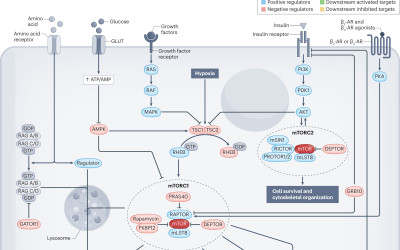
In eukaryotic cells, the mammalian target of rapamycin complex 1 (sometimes referred to as the mechanistic target of rapamycin complex 1; mTORC1) orchestrates cellular metabolism in response to environmental energy availability. As a result, at the organismal level, mTORC1 signalling regulates the intake, storage and use of energy by acting as a hub for the actions of nutrients and hormones, such as leptin and insulin, in different cell types. It is therefore unsurprising that deregulated mTORC1 signalling is associated with obesity. Strategies that increase energy expenditure offer therapeutic promise for the treatment of obesity. Here we review current evidence illustrating the critical role of mTORC1 signalling in the regulation of energy expenditure and adaptive thermogenesis through its various effects in neuronal circuits, adipose tissue and skeletal muscle. Understanding how mTORC1 signalling in one organ and cell type affects responses in other organs and cell types could be key to developing better, safer treatments targeting this pathway in obesity.


20/03/2024 | Neuron
A sympathetic brake on gut GLP-1 release.
Lopez-Gambero AJ, Jouque V, Cota D
doi: 10.1016/j.neuron.2024.02.015

Abstract:
The brain-gut neurocircuitry is proving to be finely involved in a wide range of physiological functions. In this issue of Neuron, Ren et al.(1) show that adrenergic signaling suppresses postprandial glucagon-like peptide 1 (GLP-1) secretion. This, in turn, raises circulating glucose levels and impairs brain glucose uptake and cognitive function.


04/11/2023 | J Endocrinol Invest
Endocannabinoid-related molecules predict the metabolic efficacy of GLP-1 receptor agonism in humans with obesity.
Matias I, Lehmann EW, Zizzari P, Byberg S, Cota D, Torekov SS, Quarta C
doi: 10.1007/s40618-023-02228-8

Abstract:
OBJECTIVE: N-acylethanolamines (NAEs) include endocannabinoid (EC) and EC-related molecules that impact the anti-obesity and anti-diabetic efficacy of glucagon-like peptide-1 receptor agonists (GLP-1RA) in animal studies. However, the clinical relevance of these findings remains to be determined. Here, we tested whether GLP-1RA treatment affects circulating NAE levels and whether NAEs may predict the efficacy of GLP-1RA treatment in humans with obesity undergoing weight loss maintenance. MATERIALS AND METHODS: We profiled plasma levels of NAEs in participants with obesity undergoing weight loss maintenance with (n = 23)/or without (n = 20) treatment with the GLP-1RA liraglutide. NAE levels were measured at three different time points: before the start of the study, at the end of the diet-induced weight loss, and after 52-weeks treatment. Linear regression analyses were used to investigate whether pharmacological responses could be predicted by NAEs levels. RESULTS: Liraglutide treatment reduced plasma concentrations of the NAE and oleoyl-ethanolamide (OEA), without altering arachidonoyl-ethanolamide (AEA) levels and palmitoyl-ethanolamide (PEA) levels. High pre-treatment levels of OEA were predictive of superior compound-mediated effects on fasting insulin and triglyceride levels. High pre-treatment PEA and AEA levels were also predictive of superior Liraglutide-mediated effects on triglyceride levels. CONCLUSIONS: Our data suggests that specific NAEs such as OEA and AEA are promising biomarkers of GLP-1RA metabolic efficacy in humans with obesity during weight loss maintenance. Plasma profiling of EC-related molecules may be a promising strategy to tailor GLP-1R-based therapies to individual needs in obesity and diabetes management.


08/06/2023 | Nat Med
Signaling-specific inhibition of the CB(1) receptor for cannabis use disorder: phase 1 and phase 2a randomized trials.
Haney M, Vallee M, Fabre S, Collins Reed S, Zanese M, Campistron G, Arout CA, Foltin RW, Cooper ZD, Kearney-Ramos T, Metna M, Justinova Z, Schindler C, Hebert-Chatelain E, Bellocchio L, Cathala A, Bari A, Serrat R, Finlay DB, Caraci F, Redon B, Martin-Garcia E, Busquets-Garcia A, Matias I, Levin FR, Felpin FX, Simon N, Cota D, Spampinato U, Maldonado R, Shaham Y, Glass M, Thomsen LL, Mengel H, Marsicano G, Monlezun S, Revest JM, Piazza PV
doi: 10.1038/s41591-023-02381-w

Abstract:
Cannabis use disorder (CUD) is widespread, and there is no pharmacotherapy to facilitate its treatment. AEF0117, the first of a new pharmacological class, is a signaling-specific inhibitor of the cannabinoid receptor 1 (CB(1)-SSi). AEF0117 selectively inhibits a subset of intracellular effects resulting from Delta(9)-tetrahydrocannabinol (THC) binding without modifying behavior per se. In mice and non-human primates, AEF0117 decreased cannabinoid self-administration and THC-related behavioral impairment without producing significant adverse effects. In single-ascending-dose (0.2 mg, 0.6 mg, 2 mg and 6 mg; n = 40) and multiple-ascending-dose (0.6 mg, 2 mg and 6 mg; n = 24) phase 1 trials, healthy volunteers were randomized to ascending-dose cohorts (n = 8 per cohort; 6:2 AEF0117 to placebo randomization). In both studies, AEF0117 was safe and well tolerated (primary outcome measurements). In a double-blind, placebo-controlled, crossover phase 2a trial, volunteers with CUD were randomized to two ascending-dose cohorts (0.06 mg, n = 14; 1 mg, n = 15). AEF0117 significantly reduced cannabis' positive subjective effects (primary outcome measurement, assessed by visual analog scales) by 19% (0.06 mg) and 38% (1 mg) compared to placebo (P < 0.04). AEF0117 (1 mg) also reduced cannabis self-administration (P < 0.05). In volunteers with CUD, AEF0117 was well tolerated and did not precipitate cannabis withdrawal. These data suggest that AEF0117 is a safe and potentially efficacious treatment for CUD.ClinicalTrials.gov identifiers: NCT03325595 , NCT03443895 and NCT03717272 .


25/03/2023 | biol res
The CB1 cannabinoid receptor regulates autophagy in the tibialis anterior skeletal muscle in mice.
Sepulveda C, Rodriguez JM, Monsalves-Alvarez M, Donoso-Barraza C, Pino-de la Fuente F, Matias I, Leste-Lasserre T, Zizzari P, Morselli E, Cota D, Llanos M, Troncoso R
doi: 10.1186/s40659-023-00426-5

Abstract:
The endocannabinoid system (ECS) regulates energy metabolism, has been implicated in the pathogenesis of metabolic diseases and exerts its actions mainly through the type 1 cannabinoid receptor (CB1). Likewise, autophagy is involved in several cellular processes. It is required for the normal development of muscle mass and metabolism, and its deregulation is associated with diseases. It is known that the CB1 regulates signaling pathways that control autophagy, however, it is currently unknown whether the ECS could regulate autophagy in the skeletal muscle of obese mice. This study aimed to investigate the role of the CB1 in regulating autophagy in skeletal muscle. We found concomitant deregulation in the ECS and autophagy markers in high-fat diet-induced obesity. In obese CB1-KO mice, the autophagy-associated protein LC3 II does not accumulate when mTOR and AMPK phosphorylation levels do not change. Acute inhibition of the CB1 with JD-5037 decreased LC3 II protein accumulation and autophagic flux. Our results suggest that the CB1 regulates autophagy in the tibialis anterior skeletal muscle in both lean and obese mice.


07/03/2023 | Antioxid Redox Signal
Hypothalamic Glucose Hypersensitivity-Induced Insulin Secretion in the Obese Zücker Rat Is Reversed by Central Ghrelin Treatment.
Carneiro L, Fenech C, Liénard F, Grall S, Abed B, Haydar J, Allard C, Desmoulins L, Paccoud R, Brindisi MC, Mouillot T, Brondel L, Fioramonti X, Pénicaud L, Jacquin-Piques A, Leloup C
doi: 10.1089/ars.2022.0031

Abstract:
Aims: Part of hypothalamic (mediobasal hypothalamus [MBH]) neurons detect changes in blood glucose levels that in turn coordinate the vagal control of insulin secretion. This control cascade requires the production of mitochondrial reactive oxygen species (mROS), which is altered in models of obesity and insulin resistance. Obese, insulin-resistant Zücker rats are characterized by hypothalamic hypersensitivity to glucose. This initiates an abnormal vagus-induced insulin secretion, associated with an overproduction of mROS in response to a low glucose dose. Here, we hypothesized that ghrelin, known to buffer reactive oxygen species (ROS) via mitochondrial function, may be a major component of the hypothalamic glucose hypersensitivity in the hypoghrelinemic obese Zücker rat. Results: Hypothalamic glucose hypersensitivity-induced insulin secretion of Zücker obese rats was reversed by ghrelin pretreatment. The overproduction of MBH mROS in response to a low glucose load no longer occurred in obese rats that had previously received the cerebral ghrelin infusion. This decrease in mROS production was accompanied by a normalization of oxidative phosphorylation (OXPHOS). Conversely, blocking the action of ghrelin with a growth hormone secretagogue receptor antagonist in a model of hyperghrelinemia (fasted rats) completely restored hypothalamic glucose sensing-induced insulin secretion that was almost absent in this physiological situation. Accordingly, ROS signaling and mitochondrial activity were increased by the ghrelin receptor antagonist. Innovation: These results demonstrate for the first time that ghrelin addressed only to the brain could have a protective effect on the defective control of insulin secretion in the insulin-resistant, hypoghrelinemic obese subject. Conclusions: Ghrelin, through its action on OXPHOS, modulates mROS signaling in response to cerebral hyperglycemia and the consequent vagal control of insulin secretion. In insulin-resistant obese states, brain hypoghrelinemia could be responsible for the nervous defect in insulin secretion.


13/10/2022 | Prog Neurobiol
Chemogenetic stimulation of adult neurogenesis, and not neonatal neurogenesis, is sufficient to improve long-term memory accuracy.
Lods M, Mortessagne P, Pacary E, Terral G, Farrugia F, Mazier W, Masachs N, Charrier V, Cota D, Ferreira G, Abrous DN, Tronel S
doi: 10.1016/j.pneurobio.2022.102364

Abstract:
Hippocampal adult neurogenesis is involved in many memory processes from learning, to remembering and forgetting. However, whether or not the stimulation of adult neurogenesis is a sufficient condition to improve memory performance remains unclear. Here, we developed and validated, using ex-vivo electrophysiology, a chemogenetic approach that combines selective tagging and activation of discrete adult-born neuron populations. Then we demonstrated that, in rats, this activation can improve accuracy and strength of remote memory. These results show that stimulation of adult-born neuron activity can counteract the natural fading of memory traces that occurs with the passage of time. This opens up new avenues for treating memory problems that may arise over time.


07/10/2022 | Mol Psychiatry
Insulin modulates emotional behavior through a serotonin-dependent mechanism.
Martin H, Bullich S, Martinat M, Chataigner M, Di Miceli M, Simon V, Clark S, Butler J, Schell M, Chopra S, Chaouloff F, Kleinridders A, Cota D, De Deurwaerdere P, Pénicaud L, Layé S, Guiard BP, Fioramonti X
doi: 10.1038/s41380-022-01812-3

Abstract:
Type-2 Diabetes (T2D) is characterized by insulin resistance and accompanied by psychiatric comorbidities including major depressive disorders (MDD). Patients with T2D are twice more likely to suffer from MDD and clinical studies have shown that insulin resistance is positively correlated with the severity of depressive symptoms. However, the potential contribution of central insulin signaling in MDD in patients with T2D remains elusive. Here we hypothesized that insulin modulates the serotonergic (5-HT) system to control emotional behavior and that insulin resistance in 5-HT neurons contributes to the development of mood disorders in T2D. Our results show that insulin directly modulates the activity of dorsal raphe (DR) 5-HT neurons to dampen 5-HT neurotransmission through a 5-HT(1A) receptor-mediated inhibitory feedback. In addition, insulin-induced 5-HT neuromodulation is necessary to promote anxiolytic-like effect in response to intranasal insulin delivery. Interestingly, such an anxiolytic effect of intranasal insulin as well as the response of DR 5-HT neurons to insulin are both blunted in high-fat diet-fed T2D animals. Altogether, these findings point to a novel mechanism by which insulin directly modulates the activity of DR 5-HT neurons to dampen 5-HT neurotransmission and control emotional behaviors, and emphasize the idea that impaired insulin-sensitivity in these neurons is critical for the development of T2D-associated mood disorders.


22/08/2022 | nat metab
GLP-1-mediated delivery of tesaglitazar improves obesity and glucose metabolism in male mice.
Quarta C, Stemmer K, Novikoff A, Yang B, Klingelhuber F, Harger A, Bakhti M, Bastidas-Ponce A, Baugé E, Campbell JE, Capozzi M, Clemmensen C, Collden G, Cota P, Douros J, Drucker DJ, DuBois B, Feuchtinger A, Garcia-Caceres C, Grandl G, Hennuyer N, Herzig S, Hofmann SM, Knerr PJ, Kulaj K, Lalloyer F, Lickert H, Liskiewicz A, Liskiewicz D, Maity G, Perez-Tilve D, Prakash S, Sanchez-Garrido MA, Zhang Q, Staels B, Krahmer N, DiMarchi RD, Tschöp MH, Finan B, Müller TD
doi: 10.1038/s42255-022-00617-6

Abstract:
Dual agonists activating the peroxisome proliferator-activated receptors alpha and gamma (PPARɑ/ɣ) have beneficial effects on glucose and lipid metabolism in patients with type 2 diabetes, but their development was discontinued due to potential adverse effects. Here we report the design and preclinical evaluation of a molecule that covalently links the PPARɑ/ɣ dual-agonist tesaglitazar to a GLP-1 receptor agonist (GLP-1RA) to allow for GLP-1R-dependent cellular delivery of tesaglitazar. GLP-1RA/tesaglitazar does not differ from the pharmacokinetically matched GLP-1RA in GLP-1R signalling, but shows GLP-1R-dependent PPARɣ-retinoic acid receptor heterodimerization and enhanced improvements of body weight, food intake and glucose metabolism relative to the GLP-1RA or tesaglitazar alone in obese male mice. The conjugate fails to affect body weight and glucose metabolism in GLP-1R knockout mice and shows preserved effects in obese mice at subthreshold doses for the GLP-1RA and tesaglitazar. Liquid chromatography-mass spectrometry-based proteomics identified PPAR regulated proteins in the hypothalamus that are acutely upregulated by GLP-1RA/tesaglitazar. Our data show that GLP-1RA/tesaglitazar improves glucose control with superior efficacy to the GLP-1RA or tesaglitazar alone and suggest that this conjugate might hold therapeutic value to acutely treat hyperglycaemia and insulin resistance.


19/08/2022 | cells
Expression of Functional Cannabinoid Type-1 (CB1) Receptor in Mitochondria of White Adipocytes.
Pagano Zottola AC, Severi I, Cannich A, Ciofi P, Cota D, Marsicano G, Giordano A, Bellocchio L
doi: 10.3390/cells11162582

Abstract:
Via activation of the cannabinoid type-1 (CB1) receptor, endogenous and exogenous cannabinoids modulate important biochemical and cellular processes in adipocytes. Several pieces of evidence suggest that alterations of mitochondrial physiology might be a possible mechanism underlying cannabinoids' effects on adipocyte biology. Many reports suggest the presence of CB1 receptor mRNA in both white and brown adipose tissue, but the detailed subcellular localization of CB1 protein in adipose cells has so far been scarcely addressed. In this study, we show the presence of the functional CB1 receptor at different subcellular locations of adipocytes from epididymal white adipose tissue (eWAT) depots. We observed that CB1 is located at different subcellular levels, including the plasma membrane and in close association with mitochondria (mtCB1). Functional analysis in tissue homogenates and isolated mitochondria allowed us to reveal that cannabinoids negatively regulate complex-I-dependent oxygen consumption in eWAT. This effect requires mtCB1 activation and consequent regulation of the intramitochondrial cAMP-PKA pathway. Thus, CB1 receptors are functionally present at the mitochondrial level in eWAT adipocytes, adding another possible mechanism for peripheral regulation of energy metabolism.


Abstract:
Obesity is a chronic and debilitating disorder that originates from alterations in energy-sensing brain circuits controlling body weight gain and food intake. The dysregulated syntheses and actions of lipid mediators in the hypothalamus induce weight gain and overfeeding, but the molecular and cellular underpinnings of these alterations remain elusive. In response to changes in the nutritional status, different lipid sensing pathways in the hypothalamus direct body energy needs in a Yin-Yang model. Endocannabinoids orchestrate the crosstalk between hypothalamic circuits and the sympathetic nervous system to promote food intake and energy accumulation during fasting, whereas bile acids act on the same top-down axis to reduce energy intake and possibly storage after the meal. In obesity, the bioavailability and downstream cellular actions of endocannabinoids and bile acids are altered in hypothalamic neurons involved in body weight and metabolic control. Thus, the onset and progression of this disease might result from an imbalance in hypothalamic sensing of multiple lipid signals, which are possibly integrated by common molecular nodes. In this viewpoint, we discuss a possible model that explains how bile acids and endocannabinoids may exert their effects on energy balance regulation via interconnected mechanisms at the level of the hypothalamic neuronal circuits. Therefore, we propose a new conceptual framework for understanding and treating central mechanisms of maladaptive lipid action in obesity.


06/2022 | biomed pharmacother
Dietary administration of D-chiro-inositol attenuates sex-specific metabolic imbalances in the 5xFAD mouse model of Alzheimer's disease.
López-Gambero AJ, Pacheco-Sánchez B, Rosell-Valle C, Medina-Vera D, Navarro JA, Fernández-Arjona MDM, de Ceglia M, Sanjuan C, Simon V, Cota D, Rivera P, Rodríguez de Fonseca F, Suárez J
doi: 10.1016/j.biopha.2022.112994

Abstract:
Increasing evidence shows that hypothalamic dysfunction, insulin resistance, and weight loss precede and progress along with the cognitive decline in sporadic Alzheimer's Disease (AD) with sex differences. This study aimed to determine the effect of oral dietary administration of D-Chiro-inositol (DCI), an inositol used against insulin resistance associated with polycystic ovary, on the occurrence of metabolic disorders in the transgenic 5xFAD mouse model of AD (FAD: Family Alzheimer's Disease). DCI was administered from 6 to 10 months of age to male and female 5xFAD mice and control (non-Tg) littermates. Energy balance and multiple metabolic and inflammatory parameters in the hypothalamus, liver and plasma were evaluated to assess the central and peripheral effects of DCI. Results indicated that weight loss and reduced food intake in 5xFAD mice were associated with decreased neuropeptides controlling food intake and the appearance of a pro-inflammatory state in the hypothalamus. Oral administration of DCI partially restored energy balance and hypothalamic parameters, highlighting an increased expression of Npy and Agrp and female-specific downregulation of Gfap and Igf1. DCI also partially normalized impaired insulin signaling and circulating insulin, GLP-1, and GIP deficiencies in 5xFAD mice. Principal component analysis of metabolic parameters indicated the presence of a female-specific fatty liver in 5xFAD mice: DCI administration reversed hepatic fat accumulation, β-oxidation, inflammation and increased GOT and GPT levels. Our study depicts that metabolic impairment along with the cognitive decline in a mouse model of AD, which is exacerbated in females, can be ameliorated by oral supplementation with insulin-sensitizing DCI.


19/04/2022 | cell rep med
Efficacy of glucagon-like peptide-1 and estrogen dual agonist in pancreatic islets protection and pre-clinical models of insulin-deficient diabetes.
Fuselier T, Mota de Sa P, Qadir MMF, Xu B, Allard C, Meyers MM, Tiano JP, Yang BS, Gelfanov V, Lindsey SH, Dimarchi RD, Mauvais-Jarvis F

Abstract:
We study the efficacy of a glucagon-like peptide-1 (GLP-1) and estrogen dual agonist (GLP1-E2) in pancreatic islet protection. GLP1-E2 provides superior protection from insulin-deficient diabetes induced by multiple low-dose streptozotocin (MLD-STZ-diabetes) and by the Akita mutation in mice than a GLP-1 monoagonist. GLP1-E2 does not protect from MLD-STZ-diabetes in estrogen receptor-α (ERα)-deficient mice and fails to prevent diabetes in Akita mice following GLP-1 receptor (GLP-1R) antagonism, demonstrating the requirement of GLP-1R and ERα for GLP1-E2 antidiabetic actions. In the MIN6 β cell model, GLP1-E2 activates estrogen action following clathrin-dependent, GLP-1R-mediated internalization and lysosomal acidification. In cultured human islet, proteomic bioinformatic analysis reveals that GLP1-E2 amplifies the antiapoptotic pathways activated by monoagonists. However, in cultured mouse islets, GLP1-E2 provides antiapoptotic protection similar to monoagonists. Thus, GLP1-E2 promotes GLP-1 and E2 antiapoptotic signals in cultured islets, but in vivo, additional GLP1-E2 actions in non-islet cells expressing GLP-1R are instrumental to prevent diabetes.


11/02/2022 | Mol Cell Neurosci
Differential expression of the neuronal CB1 cannabinoid receptor in the hippocampus of male Ts65Dn Down syndrome mouse model.
Di Franco N, Drutel G, Roullot-Lacarriere V, Julio-Kalajzic F, Lalanne V, Grel A, Leste-Lasserre T, Matias I, Cannich A, Gonzales D, Simon V, Cota D, Marsicano G, Piazza PV, Vallee M, Revest JM
doi: 10.1016/j.mcn.2022.103705

Abstract:
Down syndrome (DS) or Trisomy 21 is the most common genetic cause of mental retardation with severe learning and memory deficits. DS is due to the complete or partial triplication of human chromosome 21 (HSA21) triggering gene overexpression and protein synthesis alterations responsible for a plethora of mental and physical phenotypes. Among the diverse brain target systems that affect hippocampal-dependent learning and memory deficit impairments in DS, the upregulation of the endocannabinoid system (ECS), and notably the overexpression of the cannabinoid type-1 receptor (CB1), seems to play a major role. Combining various protein and gene expression targeted approaches using western blot, qRT-PCR and FISH techniques, we investigated the expression pattern of ECS components in the hippocampus (HPC) of male Ts65Dn mice. Among all the molecules that constitute the ECS, we found that the expression of the CB1 is altered in the HPC of Ts65Dn mice. CB1 distribution is differentially segregated between the dorsal and ventral part of the HPC and within the different cell populations that compose the HPC. CB1 expression is upregulated in GABAergic neurons of Ts65Dn mice whereas it is downregulated in glutamatergic neurons. These results highlight a complex regulation of the CB1 encoding gene (Cnr1) in Ts65Dn mice that could open new therapeutic solutions for this syndrome.


2022 | Front Endocrinol (Lausanne)
Impaired quality of life, but not cognition, is linked to a history of chronic hypercortisolism in patients with Cushing's disease in remission.
Pupier E, Santos A, Etchamendy N, Lavielle A, Ferriere A, Marighetto A, Resmini E, Cota D, Webb SM, Tabarin A

Abstract:
CONTEXT: Impaired cognition and altered quality of life (QoL) may persist despite long-term remission of Cushing's disease (CD). Persistent comorbidities and treatment modalities may account for cognitive impairments. Therefore, the role of hypercortisolism per se on cognitive sequelae remains debatable. OBJECTIVE: To investigate whether memory and QoL are impaired after long-term remission of CD in patients with no confounding comorbidity. DESIGN AND SETTING: Cross-sectional case-control study in two tertiary referral centers. PATIENTS: 25 patients (44.5 ± 2.4 years) in remission from CD for 102.7 ± 19.3 Mo and 25 well-matched controls, without comorbidity or treatment liable to impair cognition. MAIN OUTCOME MEASURES: Hippocampus- and prefrontal cortex-dependent memory, including memory flexibility and working memory, were investigated using multiple tests including sensitive locally-developed computerized tasks. Depression and anxiety were evaluated with the MADRS and HADS questionnaires. QoL was evaluated with the SF-36 and CushingQoL questionnaires. The intensity of CD was assessed using mean urinary free cortisol and a score for clinical symptoms. RESULTS: CD patients displayed similar performance to controls in all cognitive tests. In contrast, despite the absence of depression and a minimal residual clinical Cushing score, patients had worse QoL. Most of the SF36 subscales and the CushingQoL score were negatively associated only with the duration of exposure to hypercortisolism (p≤ 0.01 to 0.001). CONCLUSIONS: Persistent comorbidities can be a primary cause of long-lasting cognitive impairment and should be actively treated. Persistently altered QoL may reflect irreversible effects of hypercortisolism, highlighting the need to reduce its duration. CLINICAL TRIAL REGISTRATION NUMBER: https://clinicaltrials.gov, identifier NCT02603653.


2022 | PLoS ONE
Long-term changes in body image after bariatric surgery: An observational cohort study.
Bosc L, Mathias F, Monsaingeon M, Gronnier C, Pupier E, Gatta-Cherifi B
doi: 10.1371/journal.pone.0276167

Abstract:
BACKGROUND: While body image improves in the first few months after surgery, data on long-term changes in body image after bariatric surgery are scarce and contradictory. METHODS: We assessed body image through the Stunkard Figure Rating Scale and the Multidimensional Body-Self Relations Questionnaire-Appearance Scale, which measures appearance evaluation and orientation, overweight preoccupation, and self-classified weight. Surveys were conducted before surgery and at regular intervals until 5 years after bariatric surgery. RESULTS: 61 patients were included in the study. No patients were lost to follow-up until 18 months after bariatric surgery. At 5 years, there were 21 patients (34%) lost to follow-up. We detected an overall improvement in body image until 12-18 months post-surgery. Scores declined after 5 years post-surgery but were still higher than preoperative evaluations. Overweight preoccupation did not change throughout the follow-up period. There was a positive correlation between body weight lost and appearance evaluation. There was also a positive correlation between weight loss and the Body Areas Satisfaction Scale. There was a negative correlation between weight loss and overweight preoccupation. Appearance orientation and self-classified weight were not correlated with weight loss. CONCLUSIONS: Body image improved after bariatric surgery but was not maintained for all 5 years after surgery.


12/2021 | cannabis cannabinoid res
Microglial Cannabinoid Type 1 Receptor Regulates Brain Inflammation in a Sex-Specific Manner.
De Meij J, Alfanek Z, Morel L, Decoeur F, Leyrolle Q, Picard K, Carrier M, Aubert A, Séré A, Lucas C, Laforest G, Helbling JC, Tremblay ME, Cota D, Moisan MP, Marsicano G, Layé S, Nadjar A
doi: 10.1089/can.2020.0170

Abstract:
Background: Neuroinflammation is a key feature shared by most, if not all, neuropathologies. It involves complex biological processes that act as a protective mechanism to fight against the injurious stimuli, but it can lead to tissue damage if self-perpetuating. In this context, microglia, the main cellular actor of neuroinflammation in the brain, are seen as a double-edged sword. By phagocyting neuronal debris, these cells can not only provide tissue repair but can also contribute to neuronal damage by releasing harmful substances, including inflammatory cytokines. The mechanisms guiding these apparent opposing actions are poorly known. The endocannabinoid system modulates the release of inflammatory factors such as cytokines and could represent a functional link between microglia and neuroinflammatory processes. According to transcriptomic databases and in vitro studies, microglia, the main source of cytokines in pathological conditions, express the cannabinoid type 1 receptor (CB1R). Methods: We thus developed a conditional mouse model of CB1R deletion specifically in microglia, which was subjected to an immune challenge (peripheral lipopolysaccharide injection). Results: Our results reveal that microglial CB1R differentially controls sickness behavior in males and females. Conclusion: These findings add to the comprehension of neuroinflammatory processes and might be of great interest for future studies aimed at developing therapeutic strategies for brain disorders with higher prevalence in men.


13/11/2021 | Nutrients
Gut Microbiota and Mycobiota Evolution Is Linked to Memory Improvement after Bariatric Surgery in Obese Patients: A Pilot Study.
Enaud R, Cambos S, Viaud E, Guichoux E, Chancerel E, Marighetto A, Etchamendy N, Clark S, Mohammedi K, Cota D, Delhaes L, Gatta-Cherifi B
doi: 10.3390/nu13114061

Abstract:
Patients with obesity are known to exhibit gut microbiota dysbiosis and memory deficits. Bariatric surgery (BS) is currently the most efficient anti-obesity treatment and may improve both gut dysbiosis and cognition. However, no study has investigated association between changes of gut microbiota and cognitive function after BS. We prospectively evaluated 13 obese patients on anthropometric data, memory functions, and gut microbiota-mycobiota before and six months after BS. The Rey Auditory Verbal Learning Test (AVLT) and the symbol span (SS) of the Weschler Memory Scale were used to assess verbal and working memory, respectively. Fecal microbiota and mycobiota were longitudinally analyzed by 16S and ITS2 rRNA sequencing respectively. AVLT and SS scores were significantly improved after BS (AVLT scores: 9.7 +/- 1.7 vs. 11.2 +/- 1.9, p = 0.02, and SS scores: 9.7 +/- 23.0 vs. 11.6 +/- 2.9, p = 0.05). An increase in bacterial alpha-diversity, and Ruminococcaceae, Prevotella, Agaricus, Rhodotorula, Dipodascus, Malassezia, and Mucor were significantly associated with AVLT score improvement after BS, while an increase in Prevotella and a decrease in Clostridium, Akkermansia,&nbsp;Dipodascus and Candida were linked to SS scores improvement. We identified several changes in the microbial communities that differ according to the improvement of either the verbal or working memories, suggesting a complex gut-brain-axis that evolves after BS.


31/10/2021 | Cell Mol Life Sci
Hypothalamic endocannabinoids in obesity: an old story with new challenges.
Miralpeix C, Reguera AC, Fosch A, Zagmutt S, Casals N, Cota D, Rodríguez-Rodríguez R
doi: 10.1007/s00018-021-04002-6

Abstract:
The crucial role of the hypothalamus in the pathogenesis of obesity is widely recognized, while the precise molecular and cellular mechanisms involved are the focus of intense research. A disrupted endocannabinoid system, which critically modulates feeding and metabolic functions, through central and peripheral mechanisms, is a landmark indicator of obesity, as corroborated by investigations centered on the cannabinoid receptor CB1, considered to offer promise in terms of pharmacologically targeted treatment for obesity. In recent years, novel insights have been obtained, not only into relation to the mode of action of CB receptors, but also CB ligands, non-CB receptors, and metabolizing enzymes considered to be part of the endocannabinoid system (particularly the hypothalamus). The outcome has been a substantial expansion in knowledge of this complex signaling system and in drug development. Here we review recent literature, providing further evidence on the role of hypothalamic endocannabinoids in regulating energy balance and the implication for the pathophysiology of obesity. We discuss how these lipids are dynamically regulated in obesity onset, by diet and metabolic hormones in specific hypothalamic neurons, the impact of gender, and the role of endocannabinoid metabolizing enzymes as promising targets for tackling obesity and related diseases.


12/10/2021 | Cell Rep
Functional heterogeneity of POMC neurons relies on mTORC1 signaling.
Saucisse N, Mazier W, Simon V, Binder E, Catania C, Bellocchio L, Romanov RA, Léon S, Matias I, Zizzari P, Quarta C, Cannich A, Meece K, Gonzales D, Clark S, Becker JM, Yeo GSH, Fioramonti X, Merkle FT, Wardlaw SL, Harkany T, Massa F, Marsicano G, Cota D
doi: 10.1016/j.celrep.2021.109800

Abstract:
Hypothalamic pro-opiomelanocortin (POMC) neurons are known to trigger satiety. However, these neuronal cells encompass heterogeneous subpopulations that release γ-aminobutyric acid (GABA), glutamate, or both neurotransmitters, whose functions are poorly defined. Using conditional mutagenesis and chemogenetics, we show that blockade of the energy sensor mechanistic target of rapamycin complex 1 (mTORC1) in POMC neurons causes hyperphagia by mimicking a cellular negative energy state. This is associated with decreased POMC-derived anorexigenic α-melanocyte-stimulating hormone and recruitment of POMC/GABAergic neurotransmission, which is restrained by cannabinoid type 1 receptor signaling. Electrophysiology and optogenetic studies further reveal that pharmacological blockade of mTORC1 simultaneously activates POMC/GABAergic neurons and inhibits POMC/glutamatergic ones, implying that the functional specificity of these subpopulations relies on mTORC1 activity. Finally, POMC neurons with different neurotransmitter profiles possess specific molecular signatures and spatial distribution. Altogether, these findings suggest that mTORC1 orchestrates the activity of distinct POMC neurons subpopulations to regulate feeding behavior.


15/09/2021 | Mol Psychiatry
The temporal origin of dentate granule neurons dictates their role in spatial memory.
Masachs N, Charrier V, Farrugia F, Lemaire V, Blin N, Mazier W, Tronel S, Montaron MF, Ge S, Marsicano G, Cota D, Deroche-Gamonet V, Herry C, Abrous DN
doi: 10.1038/s41380-021-01276-x

Abstract:
The dentate gyrus is one of the only brain regions that continues its development after birth in rodents. Adolescence is a very sensitive period during which cognitive competences are programmed. We investigated the role of dentate granule neurons (DGNs) born during adolescence in spatial memory and compared them with those generated earlier in life (in embryos or neonates) or during adulthood by combining functional imaging, retroviral and optogenetic tools to tag and silence DGNs. By imaging DGNs expressing Zif268, a proxy for neuronal activity, we found that neurons generated in adolescent rats (and not embryos or neonates) are transiently involved in spatial memory processing. In contrast, adult-generated DGNs are recruited at a later time point when animals are older. A causal relationship between the temporal origin of DGNs and spatial memory was confirmed by silencing DGNs in behaving animals. Our results demonstrate that the emergence of spatial memory depends on neurons born during adolescence, a function later assumed by neurons generated during adulthood.


01/09/2021 | J Endocrinol
The GhsrQ343X allele favors the storage of fat by acting on nutrient partitioning.
Marion C, Zizzari P, Denis RG, Hassouna R, Chebani Y, Leste-Lasserre T, Doat H, Le Pen G, Cota D, Noble F, Luquet S, Pantel J
doi: 10.1530/JOE-20-0576

Abstract:
The Growth Hormone Secretagogue Receptor (GHSR) mediates key properties of the gut hormone ghrelin on metabolism and behavior. Nevertheless, most recent observations also support that the GHSR is a constitutively active G protein-coupled receptor endowed of a sophisticated tuning involving a balance of endogenous ligands. Demonstrating the feasibility of shifting GHSR canonical signaling in vivo, we previously reported that a model with enhanced sensitivity to ghrelin (GhsrQ343X mutant rats) developed fat accumulation and glucose intolerance. Herein, we investigated the contribution of energy homeostasis to the onset of this phenotype, as well as behavioral responses to feeding or pharmacological challenges, by comparing GhsrM/M rats to wild-type littermate rats 1) as freely behaving animals and 2) in feeding and locomotor paradigms. Herein, GhsrM/M rats showed enhanced locomotor response to a GHSR agonist while locomotor or anorexigenic responses to amphetamine or cabergoline (dopamine receptor 2 agonist), respectively, were preserved. Ad libitum fed GhsrM/M rats consumed and conditioned for sucrose similarly to littermate control rats. In calorie-restricted conditions, GhsrM/M rats retained food anticipatory activity and maintained better their body weight and glycemia. Importantly, prior to fat accumulation, male GhsrM/M rats preferentially used carbohydrates as fuel substrate without alterations of energy intake, energy expenditure or physical activity and showed alterations of the GHSR system (i.e. enhanced ratio of GHSR hormones LEAP2:acyl-ghrelin and increased Ghsr expression in the hypothalamus). Overall, the present study provides proof of concept that shifted GHSR signaling can specifically alter nutrient partitioning resulting in modified balance of carbohydrate/lipid utilization.


Abstract:
Diet-induced obesity can originate from the dysregulated activity of hypothalamic neuronal circuits, which are critical for the regulation of body weight and food intake. The exact mechanisms underlying such neuronal defects are not yet fully understood, but a maladaptive cross-talk between neurons and surrounding microglial is likely to be a contributing factor. Functional and anatomical connections between microglia and hypothalamic neuronal cells are at the core of how the brain orchestrates changes in the body's metabolic needs. However, such a melodious interaction may become maladaptive in response to prolonged diet-induced metabolic stress, thereby causing overfeeding, body weight gain, and systemic metabolic perturbations. From this perspective, we critically discuss emerging molecular and cellular underpinnings of microglia-neuron communication in the hypothalamic neuronal circuits implicated in energy balance regulation. We explore whether changes in this intercellular dialogue induced by metabolic stress may serve as a protective neuronal mechanism or contribute to disease establishment and progression. Our analysis provides a framework for future mechanistic studies that will facilitate progress into both the etiology and treatments of metabolic disorders.


05/2021 | nat metab
Central anorexigenic actions of bile acids are mediated by TGR5.
Perino A, Velázquez-Villegas LA, Bresciani N, Sun Y, Huang Q, Fénelon VS, Castellanos-Jankiewicz A, Zizzari P, Bruschetta G, Jin S, Baleisyte A, Gioiello A, Pellicciari R, Ivanisevic J, Schneider BL, Diano S, Cota D, Schoonjans K
doi: 10.1038/s42255-021-00398-4

Abstract:
Bile acids (BAs) are signalling molecules that mediate various cellular responses in both physiological and pathological processes. Several studies report that BAs can be detected in the brain(1), yet their physiological role in the central nervous system is still largely unknown. Here we show that postprandial BAs can reach the brain and activate a negative-feedback loop controlling satiety in response to physiological feeding via TGR5, a G-protein-coupled receptor activated by multiple conjugated and unconjugated BAs(2) and an established regulator of peripheral metabolism(3-8). Notably, peripheral or central administration of a BA mix or a TGR5-specific BA mimetic (INT-777) exerted an anorexigenic effect in wild-type mice, while whole-body, neuron-specific or agouti-related peptide neuronal TGR5 deletion caused a significant increase in food intake. Accordingly, orexigenic peptide expression and secretion were reduced after short-term TGR5 activation. In vitro studies demonstrated that activation of the Rho-ROCK-actin-remodelling pathway decreases orexigenic agouti-related peptide/neuropeptide Y (AgRP/NPY) release in a TGR5-dependent manner. Taken together, these data identify a signalling cascade by which BAs exert acute effects at the transition between fasting and feeding and prime the switch towards satiety, unveiling a previously unrecognized role of physiological feedback mediated by BAs in the central nervous system.


19/04/2021 | Cell Metab
Hypothalamic bile acid-TGR5 signaling protects from obesity.
Castellanos-Jankiewicz A, Guzman-Quevedo O, Fenelon VS, Zizzari P, Quarta C, Bellocchio L, Tailleux A, Charton J, Fernandois D, Henricsson M, Piveteau C, Simon V, Allard C, Quemener S, Guinot V, Hennuyer N, Perino A, Duveau A, Maitre M, Leste-Lasserre T, Clark S, Dupuy N, Cannich A, Gonzales D, Deprez B, Mithieux G, Dombrowicz D, Backhed F, Prevot V, Marsicano G, Staels B, Schoonjans K, Cota D
doi: 10.1016/j.cmet.2021.04.009

Abstract:
Bile acids (BAs) improve metabolism and exert anti-obesity effects through the activation of the Takeda G protein-coupled receptor 5 (TGR5) in peripheral tissues. TGR5 is also found in the brain hypothalamus, but whether hypothalamic BA signaling is implicated in body weight control and obesity pathophysiology remains unknown. Here we show that hypothalamic BA content is reduced in diet-induced obese mice. Central administration of BAs or a specific TGR5 agonist in these animals decreases body weight and fat mass by activating the sympathetic nervous system, thereby promoting negative energy balance. Conversely, genetic downregulation of hypothalamic TGR5 expression in the mediobasal hypothalamus favors the development of obesity and worsens established obesity by blunting sympathetic activity. Lastly, hypothalamic TGR5 signaling is required for the anti-obesity action of dietary BA supplementation. Together, these findings identify hypothalamic TGR5 signaling as a key mediator of a top-down neural mechanism that counteracts diet-induced obesity.


19/03/2021 | Nat Commun
Adult-born neurons immature during learning are necessary for remote memory reconsolidation in rats.
Lods M, Pacary E, Mazier W, Farrugia F, Mortessagne P, Masachs N, Charrier V, Massa F, Cota D, Ferreira G, Abrous DN, Tronel S
doi: 10.1038/s41467-021-22069-4

Abstract:
Memory reconsolidation, the process by which memories are again stabilized after being reactivated, has strengthened the idea that memory stabilization is a highly plastic process. To date, the molecular and cellular bases of reconsolidation have been extensively investigated particularly within the hippocampus. However, the role of adult neurogenesis in memory reconsolidation is unclear. Here, we combined functional imaging, retroviral and chemogenetic approaches in rats to tag and manipulate different populations of rat adult-born neurons. We find that both mature and immature adult-born neurons are activated by remote memory retrieval. However, only specific silencing of the adult-born neurons immature during learning impairs remote memory retrieval-induced reconsolidation. Hence, our findings show that adult-born neurons immature during learning are required for the maintenance and update of remote memory reconsolidation.


Abstract:
The mechanistic target of rapamycin (mTOR) is a ubiquitously expressed kinase that acts through two complexes, mTORC1 and mTORC2, to regulate protein homeostasis, as well as long lasting forms of synaptic and behavioral plasticity. Alteration of the mTOR pathway is classically involved in neurodegenerative disorders, and it has been linked to dysregulation of cognitive functions and affective states. However, information concerning the specific involvement of the p70 S6 kinase 1 (S6K1), a downstream target of the mTORC1 pathway, in learning and memory processes and in the regulation of affective states remains scant. To fill this gap, we exposed adult male mice lacking S6K1 to a battery of behavioral tests aimed at measuring their learning and memory capabilities by evaluating reference memory and flexibility with the Morris water maze, and associative memory using the contextual fear conditioning task. We also studied their anxiety-like and depression-like behaviors by, respectively, performing elevated plus maze, open field, light-dark emergence tests, and sucrose preference and forced swim tests. We found that deleting S6K1 leads to a robust anxious phenotype concomitant with associative learning deficits; these symptoms are associated with a reduction of adult neurogenesis and neuronal atrophy in the hippocampus. Collectively, these results provide grounds for the understanding of anxiety reports after treatments with mTOR inhibitors and will be critical for developing novel compounds targeting anxiety.


25/02/2021 | nat metab
POMC neuronal heterogeneity in energy balance and beyond: an integrated view.
Quarta C, Claret M, Zeltser LM, Williams KW, Yeo GSH, Tschop MH, Diano S, Bruning JC, Cota D
doi: 10.1038/s42255-021-00345-3

Abstract:
Hypothalamic AgRP and POMC neurons are conventionally viewed as the yin and yang of the body's energy status, since they act in an opposite manner to modulate appetite and systemic energy metabolism. However, although AgRP neurons' functions are comparatively well understood, a unifying theory of how POMC neuronal cells operate has remained elusive, probably due to their high level of heterogeneity, which suggests that their physiological roles might be more complex than initially thought. In this Perspective, we propose a conceptual framework that integrates POMC neuronal heterogeneity with appetite regulation, whole-body metabolic physiology and the development of obesity. We highlight emerging evidence indicating that POMC neurons respond to distinct combinations of interoceptive signals and food-related cues to fine-tune divergent metabolic pathways and behaviours necessary for survival. The new framework we propose reflects the high degree of developmental plasticity of this neuronal population and may enable progress towards understanding of both the aetiology and treatment of metabolic disorders.


03/11/2020 | Diabetes
CB1 and GLP-1 Receptors Cross-Talk Provides New Therapies for Obesity.
Zizzari P, He R, Falk S, Bellocchio L, Allard C, Clark S, Lest, Quarta C
doi: 10.2337/db20-0162

Abstract:
GLP-1 receptor (GLP-1R) agonists effectively improve glycemia and body weight in patients with type 2 diabetes and obesity, but have limited weight-lowering efficacy and minimal insulin sensitizing action. In preclinical models, peripherally-restricted cannabinoid-1 receptor (CB1R) inhibitors, which are devoid of the neuropsychiatric side-effects observed with brain-penetrant CB1R blockers, ameliorate obesity and its multiple metabolic complications. Using mouse models with genetic loss of CB1R or GLP-1R, we demonstrate that these two metabolic receptors modulate food intake and body weight via reciprocal functional interactions. In diet-induced obese mice, the co-administration of a peripheral CB1R inhibitor with long-acting GLP-1R agonists achieves greater reduction in body weight and fat mass than monotherapies, by promoting negative energy balance. This co-treatment also results in larger improvements in systemic and hepatic insulin action, systemic dyslipidemia, and reduction of hepatic steatosis. Thus, peripheral CB1R blockade may allow safely potentiating the anti-obesity and anti-diabetic effects of currently available GLP-1R agonists.


30/09/2020 | Curr Biol
A Novel Cortical Mechanism for Top-Down Control of Water Intake.
Zhao Z, Soria-Gomez E, Varilh M, Covelo A, Julio-Kalajzic F, Cannich A, Castiglione A, Vanhoutte L, Duveau A, Zizzari P, Beyeler A, Cota D, Bellocchio L, Busquets-Garcia A, Marsicano G
doi: 10.1016/j.cub.2020.09.011

Abstract:
Water intake is crucial for maintaining body fluid homeostasis and animals' survival [1-4]. In the brain, complex processes trigger thirst and drinking behavior [1-5]. The anterior wall of the third ventricle formed by the subfornical organ (SFO), the median preoptic nucleus, and the organum vasculosum of the lamina terminalis (OVLT) constitute the primary structures sensing thirst signals and modulating water intake [6-10]. These subcortical regions are connected with the neocortex [11]. In particular, insular and anterior cingulate cortices (IC and ACC, respectively) have been shown to receive indirect innervations from the SFO and OVLT in rats [11] and to be involved in the control of water intake [12-15]. Type-1 cannabinoid receptors (CB1) modulate consummatory behaviors, such as feeding [16-26]. However, the role of CB1 receptors in the control of water intake is still a matter of debate [27-31]. Here, we show that endogenous activation of CB1 in cortical glutamatergic neurons of the ACC promotes water intake. Notably, presynaptic CB1 receptors of ACC glutamatergic neurons are abundantly located in the basolateral amygdala (BLA), a key area in the regulation of water intake. The selective expression of CB1 receptors in the ACC-to-BLA-projecting neurons is sufficient to stimulate drinking behavior. Moreover, chemogenetic stimulation of these projecting neurons suppresses drinking behavior, further supporting the role of this neuronal population in the control of water intake. Altogether, these data reveal a novel cortico-amygdalar mechanism involved in the regulation of drinking behavior.


09/06/2020 | Neuroendocrinology
Calcitonin gene-related peptide-induced phosphorylation of STAT3 in arcuate neurons is a link in the metabolic benefits of portal glucose.
Soty M, Vily-Petit J, Castellanos-Jankiewicz A, Guzman-Quevedo O, Raffin M, Clark S, Silva M, Gautier-Stein A, Cota D, Mithieux G
doi: 10.1159/000509230

Abstract:
INTRODUCTION: Intestinal gluconeogenesis exerts metabolic benefits in energy homeostasis via the neural sensing of portal glucose. OBJECTIVE: The aim of this work was to determine central mechanisms involved in the effects of intestinal gluconeogenesis (IGN) on the control of energy homeostasis. METHODS: We investigated the effects of glucose infusion into the portal vein, at a rate that mimics IGN, in conscious wild-type, leptin-deficient ob/ob and CGRP-/- mice. RESULTS: We report that portal glucose infusion decreases food intake and plasma glucose and induces in the hypothalamic arcuate nucleus (ARC) the phosphorylation of STAT3, the classic intracellular messenger of leptin signaling. This notably takes place in POMC-expressing neurons. STAT3-phosphorylation does not require leptin, since portal glucose effects are observed in leptin-deficient (ob/ob) mice. We hypothesized that the portal glucose effects could require calcitonin gene-related peptide (CGRP), a neuromediator previously suggested to suppress hunger. In line with this hypothesis, neither the metabolic benefits nor the phosphorylation of STAT3 in the ARC take place upon portal glucose infusion in CGRP-deficient mice. Moreover, intracerebroventricular injection of CGRP activates hypothalamic phosphorylation of STAT3 in mice, and CGRP does the same in hypothalamic cells. Finally, no metabolic benefit of dietary fibers (known to depend on the induction of IGN), takes place in CGRP deficient mice. CONCLUSIONS: CGRP-induced phosphorylation of STAT3 in the ARC is part of the neural chain determining the hunger-modulating and glucose-lowering effects of IGN/portal glucose. CONCLUSIONS: CGRP-induced phosphorylation of STAT3 in the ARC is part of the neural chain determining the hunger-modulating and glucose-lowering effects of IGN/portal glucose.


22/05/2020 | Nutrients
Effects of a High-Protein Diet on Cardiometabolic Health, Vascular Function, and Endocannabinoids-A PREVIEW Study.
Tischmann L, Drummen M, Joris PJ, Gatta-Cherifi B, Raben A, Fogelholm M, Matias I, Cota D, Mensink RP, Westerterp-Plantenga MS, Adam TC
doi: 10.3390/nu12051512

Abstract:
An unfavorable lipid profile and being overweight are known mediators in the development of cardiovascular disease (CVD) risk. The effect of diet, particularly high in protein, remains under discussion. Therefore, this study examines the effects of a high-protein (HP) diet on cardiometabolic health and vascular function (i.e., endothelial function, arterial stiffness, and retinal microvascular structure), and the possible association with plasma endocannabinoids and endocannabinoid-related compounds in overweight participants. Thirty-eight participants (64.5 +/- 5.9 (mean +/- SD) years; body mass index (BMI) 28.9 +/- 4.0 kg/m(2)) were measured for 48 h in a respiration chamber after body-weight maintenance for approximately 34 months following weight reduction. Diets with either a HP (n = 20) or moderate protein (MP; n = 18) content (25%/45%/30% vs. 15%/55%/30% protein/carbohydrate/fat) were provided in energy balance. Validated markers for cardiometabolic health (i.e., office blood pressure (BP) and serum lipoprotein concentrations) and vascular function (i.e., brachial artery flow-mediated vasodilation, pulse wave analysis and velocity, and retinal microvascular calibers) were measured before and after those 48 h. Additionally, 24 h ambulatory BP, plasma anandamide (AEA), 2-arachidonoylglycerol (2-AG), oleoylethanolamide (OEA), palmitoylethanolamide (PEA), and pregnenolone (PREG) were analyzed throughout the day. Office and ambulatory BP, serum lipoprotein concentrations, and vascular function markers were not different between the groups. Only heart rate (HR) was higher in the HP group. HR was positively associated with OEA, while OEA and PEA were also positively associated with total cholesterol (TC) and low-density lipoprotein (LDL) cholesterol concentrations. Vascular function markers were not associated with endocannabinoids (or endocannabinoid-related substances). In conclusion, the HP diet did not affect cardiometabolic health and vascular function in overweight participants after completing a weight-loss intervention. Furthermore, our data indicate a possible association between OEA and PEA with TC and LDL cholesterol.


25/04/2020 | J Clin Endocrinol Metab
Role of endocannabinoids in energy balance regulation in participants in the post-obese state - a PREVIEW study.
Drummen M, Tischmann L, Gatta-Cherifi B, Cota D, Matias I, Raben A, Adam T, Westerterp-Plantenga M
doi: 10.1210/clinem/dgaa193

Abstract:
CONTEXT: Endocannabinoids are suggested to play a role in energy balance regulation. OBJECTIVE: We aimed to investigate associations of endocannabinoid concentrations during the day with energy balance and adiposity and interactions with 2 diets differing in protein content in participants in the post-obese phase with pre-diabetes. DESIGN AND PARTICIPANTS: Participants (n=38) were individually fed in energy balance with a medium protein (MP: 15:55:30% of energy from Protein:Carbohydrate:Fat) or high protein diet (HP: 25:45:30% energy from P:C:F) for 48-hours in a respiration chamber. MAIN OUTCOME MEASURES: Associations between energy balance, energy expenditure, RQ and endocannabinoid concentrations during the day were assessed. RESULTS: Plasma-concentrations of anandamide (AEA), oleoylethanolamide (OEA), palmitoyethanolamide (PEA), and pregnenolone (PREG) significantly decreased during the day. This decrease was inversely related to BMI (AEA) or body-fat (%) (PEA; OEA). The lowest RQ value, before lunch, was inversely associated with concentrations of AEA and PEA before lunch. AUC of concentrations of AEA, 2-AG, PEA, and OEA were positively related to body-fat% (p<0.05). The HP and MP groups showed no differences in concentrations of AEA, OEA, PEA, and PREG, but the AUC of 2-arachidonoylglycerol (2-AG) was significantly higher in the HP vs. the MP group. CONCLUSIONS: In energy balance, only the endocannabinoid 2-AG changed in relation to protein level of the diet, while the endocannabinoid AEA, and endocannabinoid-related compounds OEA and PEA reflected the gradual energy intake matching energy expenditure over the day.


Abstract:
Pharmacological blockers of the cannabinoid receptor type-1 (CB1) have been considered for a long time as the holy grail of obesity pharmacotherapy. These agents were hastily released in the clinical setting, due to their clear-cut therapeutic efficacy. However, the first generation of these drugs, which were able to target both the brain and peripheral tissues, had serious neuropsychiatric effects, leading authorities to ban their clinical use. New peripherally restricted CB1 blockers, characterized by low brain penetrance, have been developed over the past 10 years. In preclinical studies, these molecules seem to overcome the neuropsychiatric negative effects previously observed with brain-penetrant CB1 inhibitors, while retaining or even outperforming their efficacy. The mechanisms of action of these peripherally restricted compounds are only beginning to emerge, and a balanced discussion of the risk/benefits ratio associated to their possible clinical use is urgently needed, in order to avoid repeating past mistakes. Here, we will critically discuss the advantages and the possible hidden threats associated with the use of peripheral CB1 blockers for the pharmacotherapy of obesity and its associated metabolic complications. We will address whether this novel pharmacological approach might 'compete' with current pharmacotherapies for obesity and diabetes, while also conceptualizing future CB1-based pharmacological trends that may significantly lower the risk/benefits ratio associated with the use of these drugs.


2020 | Front Neural Circuits
In silico Hierarchical Clustering of Neuronal Populations in the Rat Ventral Tegmental Area Based on Extracellular Electrophysiological Properties.
Di Miceli M, Husson Z, Ruel P, Laye S, Cota D, Fioramonti X, Bosch-Bouju C, Gronier B
doi: 10.3389/fncir.2020.00051

Abstract:
The ventral tegmental area (VTA) is a heterogeneous brain region, containing different neuronal populations. During in vivo recordings, electrophysiological characteristics are classically used to distinguish the different populations. However, the VTA is also considered as a region harboring neurons with heterogeneous properties. In the present study, we aimed to classify VTA neurons using in silico approaches, in an attempt to determine if homogeneous populations could be extracted. Thus, we recorded 291 VTA neurons during in vivo extracellular recordings in anesthetized rats. Initially, 22 neurons with high firing rates (>10 Hz) and short-lasting action potentials (AP) were considered as a separate subpopulation, in light of previous studies. To segregate the remaining 269 neurons, presumably dopaminergic (DA), we performed in silico analyses, using a combination of different electrophysiological parameters. These parameters included: (1) firing rate; (2) firing rate coefficient of variation (CV); (3) percentage of spikes in a burst; (4) AP duration; (5) Deltat1 duration (i.e., time from initiation of depolarization until end of repolarization); and (6) presence of a notched AP waveform. Unsupervised hierarchical clustering revealed two neuronal populations that differed in their bursting activities. The largest population presented low bursting activities (<17.5% of total spikes in burst), while the remaining neurons presented higher bursting activities (>17.5%). Within non-high-firing neurons, a large heterogeneity was noted concerning AP characteristics. In conclusion, this analysis based on conventional electrophysiological criteria clustered two subpopulations of putative DA VTA neurons that are distinguishable by their firing patterns (firing rates and bursting activities) but not their AP properties.


Abstract:
One important lesson from the last decade of studies in the field of systemic energy metabolism is that obesity is first and foremost a brain disease. Hypothalamic neurons dysfunction observed in response to chronic metabolic stress is a key pathogenic node linking consumption of hypercaloric diets with body weight gain and associated metabolic sequelae. A key hypothalamic neuronal population expressing the neuropeptide Pro-opio-melanocortin (POMC) displays altered electrical activity and dysregulated neuropeptides production capacity after long-term feeding with hypercaloric diets. However, whether such neuronal dysfunction represents a consequence or a mechanism of disease, remains a subject of debate. Here, we will review and highlight emerging pathogenic mechanisms that explain why POMC neurons undergo dysfunctional activity in response to caloric overload, and critically address whether these mechanisms may be causally implicated in the physiopathology of obesity and of its associated co-morbidities.


21/09/2019 | Nutrients
Effects of a High-Protein/Moderate-Carbohydrate Diet on Appetite, Gut Peptides, and Endocannabinoids-A Preview Study.
Tischmann L, Drummen M, Gatta-Cherifi B, Raben A, Fogelholm M, Hartmann B, Holst JJ, Matias I, Cota D, Mensink RP, Joris PJ, Westerterp-Plantenga MS, Adam TC
doi: 10.3390/nu11102269

Abstract:
Favorable effects of a high-protein/moderate-carbohydrate (HP/MCHO) diet after weight loss on body weight management have been shown. To extend these findings, associations between perception of hunger and satiety with endocannabinoids, and with glucagon-like peptide-1 (GLP-1) and polypeptide YY (PYY) were assessed. At approximately 34 months after weight loss, 22 female and 16 male participants (mean age 64.5 +/- 5.9 years; body mass index (BMI) 28.9 +/- 3.9 kg/m(2)) completed a 48 h respiration chamber study. Participants were fed in energy balance with a HP/MCHO diet with 25%:45%:30% or a moderate-protein/high-carbohydrate (MP/HCHO) diet with 15%:55%:30% of energy from protein:carbohydrate:fat. Endocannabinoids and related compounds, relevant postprandial hormones (GLP-1, PYY), hunger, satiety, and ad libitum food intake were assessed. HP/MCHO versus MP/HCHO reduced hunger perception. The lower decremental area under the curve (dAUC) for hunger in the HP/MCHO diet (-56.6% compared to MP, p < 0.05) was associated with the higher AUC for 2-arachidonoylglycerol (2-AG) concentrations (p < 0.05). Hunger was inversely associated with PYY in the HP/MCHO group (r = -0.7, p < 0.01). Ad libitum food intake, homeostatic model assessment for insulin resistance (HOMA-IR) and incremental AUCs for gut peptides were not different between conditions. HP/MCHO versus MP/HCHO diet-induced reduction in hunger was present after 34 months weight maintenance in the post-obese state. HP/MCHO diet-induced decrease of hunger is suggested to interact with increased 2-AG and PYY concentrations.


Abstract:
OBJECTIVE: The hypothalamic paraventricular nucleus (PVN) is a key target of the melanocortin system, which orchestrates behavioral and metabolic responses depending on energy availability. The mechanistic target of rapamycin complex 1 (mTORC1) and the endocannabinoid type 1 receptor (CB1R) pathways are two key signaling systems involved in the regulation of energy balance whose activity closely depends upon energy availability. Here we tested the hypothesis that modulation of mTORC1 and CB1R signaling regulates excitatory glutamatergic inputs onto the PVN. METHODS: Patch-clamp recordings in C57BL/6J mice, in mice lacking the mTORC1 component Rptor or CB1R in pro-opio-melanocortin (POMC) neurons, combined with pharmacology targeting mTORC1, the melanocortin receptor type 4 (MC4R), or the endocannabinoid system under chow or a hypercaloric diet. RESULTS: Acute pharmacological inhibition of mTORC1 in C57BL/6J mice decreased glutamatergic inputs onto the PVN via a mechanism requiring modulation of MC4R, endocannabinoid 2-AG mobilization by PVN parvocellular neurons, and retrograde activation of presynaptic CB1R. Further electrophysiology studies using mice lacking mTORC1 activity or CB1R in POMC neurons indicated that the observed effects involved mTORC1 and CB1R-dependent regulation of glutamate release from POMC neurons. Finally, energy surfeit caused by hypercaloric high-fat diet feeding, rapidly and time-dependently altered the glutamatergic inputs onto parvocellular neurons and the ability of mTORC1 and CB1R signaling to modulate such excitatory activity. CONCLUSIONS: These findings pinpoint the relationship between mTORC1 and endocannabinoid-CB1R signaling in the regulation of the POMC-mediated glutamatergic inputs onto PVN parvocellular neurons and its rapid alteration in conditions favoring the development of obesity.


17/05/2019 | obes surg
Oral Hydration, Food Intake, and Nutritional Status Before and After Bariatric Surgery.
Vinolas H, Barnetche T, Ferrandi G, Monsaingeon-Henry M, Pupier E, Collet D, Gronnier C, Gatta-Cherifi B
doi: 10.1007/s11695-019-03928-y

Abstract:
BACKGROUND AND AIMS: Bariatric surgery is considered to be the most effective treatment of morbid obesity. Sleeve gastrectomy (SG) and Roux-en-Y gastric bypass (RYGBP) are the most popular procedures. We evaluated nutritional status, micro- and macronutrient intake, and oral hydration in patients before and regularly during 1 year after RYGBP and SG. METHODS: All patients that had been through bariatric surgery with at least 1-year post-surgery were retrospectively included in the study. All participants were evaluated once during the 2 months before the surgery and at 1, 3, 6, and 12 months after surgery. Clinical and biological evaluations as well as dietary investigations were performed. RESULTS: Fifty-seven patients were included in this study (28 RYGBP and 29 SG). Patients in the RYGBP group had significantly higher body weight (132.3 +/- 22 versus 122.2 +/- 22.2 kg, p = 0.039) than patients in the SG group. Before surgery, total energy intake, oral hydration, and vitamin and mineral intakes were not different between the two groups. RYGBP and SG induced significant similar excess weight loss 1 year after surgery, 48.6 29.8% and 57.6 27.6% of body weight respectively. Energy intake significantly decreased 1 month after surgery and slightly increased from 1 to 12 months without reaching baseline intake levels. Macronutrient repartition did not change during follow-up. Oral hydration significantly decreased after RYGBP (- 58%) and showed a trend to be decreased after SG (- 49%). Sixty-five percent of patients still had vitamin D deficiency 1 year after surgery. Whatever the type of surgery, more than 20% had some vitamin deficiency 1 month after surgery. CONCLUSIONS: Calories intake decreases after bariatric surgery, whatever the type of procedure. In addition, the prevalence of vitamin deficiency is high after bariatric surgery. Lastly, oral hydration is importantly decreased after bariatric surgery, especially after RYGBP.


05/2019 | eur j nucl med mol imaging
Functional imaging of concomitant lingual thyroid and parathyroid adenoma.
Ferriere A, Schwartz P, Haissaguerre M, Hindie E, Tabarin A
doi: 10.1007/s00259-019-04283-x


02/04/2019 | J Clin Invest
The gliotransmitter ACBP controls feeding and energy homeostasis via the melanocortin system.
Bouyakdan K, Martin H, Lienard F, Budry L, Taib B, Rodaros D, Chretien C, Biron E, Husson Z, Cota D, Penicaud L, Fulton S, Fioramonti X, Alquier T
doi: 10.1172/JCI123454

Abstract:
Glial cells have emerged as key players in the central control of energy balance and etiology of obesity. Astrocytes play a central role in neural communication via the release of gliotransmitters. Acyl-CoA binding protein (ACBP)-derived endozepines are secreted peptides that modulate the GABAA receptor. In the hypothalamus, ACBP is enriched in arcuate nucleus (ARC) astrocytes, ependymocytes and tanycytes. Central administration of the endozepine octadecaneuropeptide (ODN) reduces feeding and improves glucose tolerance, yet the contribution of endogenous ACBP in energy homeostasis is unknown. We demonstrated that ACBP deletion in GFAP+ astrocytes, but not in Nkx2.1-lineage neural cells, promoted diet-induced hyperphagia and obesity in both male and female mice, an effect prevented by viral rescue of ACBP in ARC astrocytes. ACBP-astrocytes were observed in apposition with proopiomelanocortin (POMC) neurons and ODN selectively activated POMC neurons through the ODN-GPCR but not GABAA, and supressed feeding while increasing carbohydrate utilization via the melanocortin system. Similarly, ACBP overexpression in ARC astrocytes reduced feeding and weight gain. Finally, the ODN-GPCR agonist decreased feeding and promoted weight loss in ob/ob mice. These findings uncover ACBP as an ARC gliopeptide playing a key role in energy balance control and exerting strong anorectic effects via the central melanocortin system.


01/04/2019 | J Clin Endocrinol Metab
Positive Impact of Genetic Test on the Management and Outcome of Patients With Paraganglioma and/or Pheochromocytoma.
Buffet A, Ben Aim L, Leboulleux S, Drui D, Vezzosi D, Libe R, Ajzenberg C, Bernardeschi D, Cariou B, Chabolle F, Chabre O, Darrouzet V, Delemer B, Desailloud R, Goichot B, Esvant A, Offredo L, Herman P, Laboureau S, Lefebvre H, Pierre P, Raingeard I, Reznik Y, Sadoul JL, Hadoux J, Tabarin A, Tauveron I, Zenaty D, Favier J, Bertherat J, Baudin E, Amar L, Gimenez-Roqueplo AP
doi: 10.1210/jc.2018-02411

Abstract:
CONTEXT: Pheochromocytomas and paragangliomas (PPGLs) are characterized by a strong genetic component, with up to 40% of patients carrying a germline mutation in a PPGL susceptibility gene. International guidelines recommend that genetic screening be proposed to all patients with PPGL. OBJECTIVE: Our objective was to evaluate how a positive genetic test impacts the management and outcome of patients with SDHx or VHL-related PPGL. DESIGN: We performed a multicentric retrospective study involving 221 propositi carrying an SDHB, SDHD, SDHC, or VHL germline mutation. Patients were divided into two groups: genetic patients, who were informed of their genetic status within the year following the first PPGL diagnosis, and historic patients, who only benefited from the genetic test several years after initial PPGL diagnosis. RESULTS: Genetic patients had better follow-up than historic patients, with a greater number of examinations and a reduced number of patients lost to follow-up (9.6% vs 72%, respectively). During follow-up, smaller (18.7 vs 27.6 mm; P = 0.0128) new PPGLs and metastases as well as lower metastatic spread were observed in genetic patients. Of note, these differences were reversed in the historic cohort after genetic testing. Genetic patients who developed metachronous metastases had a better 5-year survival rate than historic patients (P = 0.0127). CONCLUSION: Altogether, our data suggest that early knowledge of genetic status had a positive impact on the management and clinical outcome of patients with a germline SDHx or VHL mutation.


03/2019 | lancet diabetes endocrinol
Natural history, treatment, and long-term follow up of patients with multiple endocrine neoplasia type 2B: an international, multicentre, retrospective study.
Castinetti F, Waguespack SG, Machens A, Uchino S, Hasse-Lazar K, Sanso G, Else T, Dvorakova S, Qi XP, Elisei R, Maia AL, Glod J, Lourenco DM Jr, Valdes N, Mathiesen J, Wohllk N, Bandgar TR, Drui D, Korbonits M, Druce MR, Brain C, Kurzawinski T, Patocs A, Bugalho MJ, Lacroix A, Caron P, Fainstein-Day P, Borson Chazot F, Klein M, Links TP, Letizia C, Fugazzola L, Chabre O, Canu L, Cohen R, Tabarin A, Spehar Uroic A, Maiter D, Laboureau S, Mian C, Peczkowska M, Sebag F, Brue T, Mirebeau-Prunier D, Leclerc L, Bausch B, Berdelou A, Sukurai A, Vlcek P, Krajewska J, Barontini M, Vaz Ferreira Vargas C, Valerio L, Ceolin L, Akshintala S, Hoff A, Godballe C, Jarzab B, Jimenez C, Eng C, Imai T, Schlumberger M, Grubbs E, Dralle H, Neumann HP, Baudin E
doi: 10.1016/S2213-8587(18)30336-X

Abstract:
BACKGROUND: Multiple endocrine neoplasia type 2B is a rare syndrome caused mainly by Met918Thr germline RET mutation, and characterised by medullary thyroid carcinoma, phaeochromocytoma, and extra-endocrine features. Data are scarce on the natural history of multiple endocrine neoplasia type 2B. We aimed to advance understanding of the phenotype and natural history of multiple endocrine neoplasia type 2B, to increase awareness and improve detection. METHODS: This study was a retrospective, multicentre, international study in patients carrying the Met918Thr RET variant with no age restrictions. The study was done with registry data from 48 centres globally. Data from patients followed-up from 1970 to 2016 were retrieved from May 1, 2016, to May 31, 2018. Our primary objectives were to determine overall survival, and medullary thyroid carcinoma-specific survival based on whether the patient had undergone early thyroidectomy before the age of 1 year. We also assessed remission of medullary thyroid carcinoma, incidence and treatment of phaeochromocytoma, and the penetrance of extra-endocrine features. FINDINGS: 345 patients were included, of whom 338 (98%) had a thyroidectomy. 71 patients (21%) of the total cohort died at a median age of 25 years (range <1-59). Thyroidectomy was done before the age of 1 year in 20 patients, which led to long-term remission (ie, undetectable calcitonin level) in 15 (83%) of 18 individuals (2 patients died of causes unrelated to medullary thyroid carcinoma). Medullary thyroid carcinoma-specific survival curves did not show any significant difference between patients who had thyroidectomy before or after 1 year (comparison of survival curves by log-rank test: p=0.2; hazard ratio 0.35; 95% CI 0.07-1.74). However, there was a significant difference in remission status between patients who underwent thyroidectomy before and after the age of 1 year (p<0.0001). There was a significant difference in remission status between patients who underwent thyroidectomy before and after the age of 1 year (p<0.0001). In the other 318 patients who underwent thyroidectomy after 1 year of age, biochemical and structural remission was obtained in 47 (15%) of 318 individuals. Bilateral phaeochromocytoma was diagnosed in 156 (50%) of 313 patients by 28 years of age. Adrenal-sparing surgery was done in 31 patients: three (10%) of 31 patients had long-term recurrence, while normal adrenal function was obtained in 16 (62%) patients. All patients with available data (n=287) had at least one extra-endocrine feature, including 106 (56%) of 190 patients showing marfanoid body habitus, mucosal neuromas, and gastrointestinal signs. INTERPRETATION: Thyroidectomy done at no later than 1 year of age is associated with a high probability of cure. The reality is that the majority of children with the syndrome will be diagnosed after this recommended age. Adrenal-sparing surgery is feasible in multiple endocrine neoplasia type 2B and affords a good chance for normal adrenal function. To improve the prognosis of such patients, it is imperative that every health-care provider be aware of the extra-endocrine signs and the natural history of this rare syndrome. The implications of this research include increasing awareness of the extra-endocrine symptoms and also recommendations for thyroidectomy before the age of 1 year. FUNDING: None.
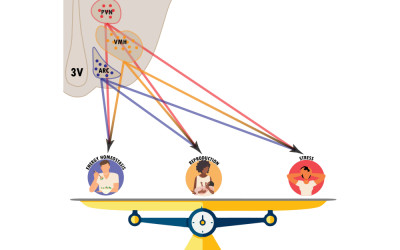
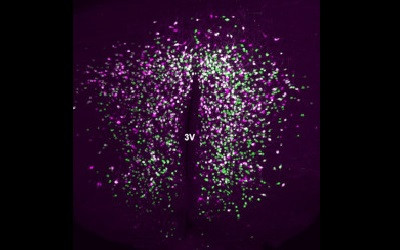
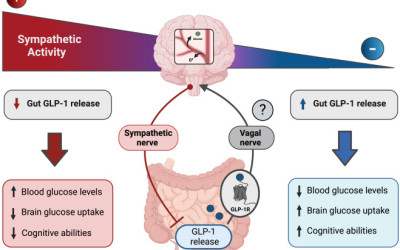
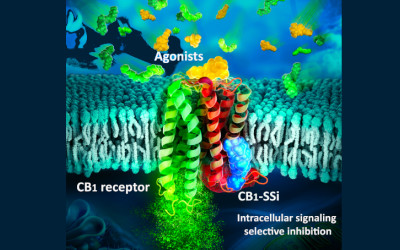


03/2019 | bull cancer
[Update of the recommendations of good clinical practice for the use of PET in oncology].
Salaun PY, Abgral R, Malard O, Querellou-Lefranc S, Quere G, Wartski M, Coriat R, Hindie E, Taieb D, Tabarin A, Girard A, Grellier JF, Brenot-Rossi I, Groheux D, Rousseau C, Deandreis D, Alberini JL, Bodet-Milin C, Itti E, Casasnovas O, Kraeber-Bodere F, Moreau P, Philip A, Balleyguier C, Lucian A, Cachin F
doi: 10.1016/j.bulcan.2019.01.002

Abstract:
Positron Emission Tomography (PET) is a functional nuclear medicine imaging technique which clinical value in oncology has been demonstrated. PET indications are constantly evolving, thanks to the contribution of research. The use of PET in oncology has been the subject of recommendations according to the Standard-Options-Recommendations methodology from the Federation Nationale des Centres de Lutte Contre le Cancer in 2002, updated in 2003. However, many scientific works have been published since 2003 and new tracers have also obtained a marketing authorization in France. The objective of this work was therefore to update the recommendations established in 2003. In this context, in collaboration with the Societe francaise de medecine nucleaire, a working group was set up for the development of good clinical practice recommendations under the HAS-INCA methodological label. The present document is issued from a comprehensive review of the literature and rigorous appraisal by a panel of national experts, organ specialists, clinical oncologists, surgeons, and imaging specialists. It is intended to be used as a guide to decision-making for those oncology teams that are able to manage patients in various situations in which the AMM label is not sufficiently precise.


14/02/2019 | Mol Metab
Activation of hepatic estrogen receptor-alpha increases energy expenditure by stimulating the production of fibroblast growth factor 21 in female mice.
Allard C, Bonnet F, Xu B, Coons L, Albarado D, Hill C, Fagherazzi G, Korach KS, Levin ER, Lefante J, Morrison C, Mauvais-Jarvis F
doi: 10.1016/j.molmet.2019.02.002

Abstract:
OBJECTIVE: The endogenous estrogen 17beta-estradiol (E2) promotes metabolic homeostasis in premenopausal women. In a mouse model of post-menopausal metabolic syndrome, we reported that estrogens increased energy expenditure, thus preventing estrogen deficiency-induced adiposity. Estrogens' prevention of fat accumulation was associated with increased serum concentrations of fibroblast growth factor 21 (FGF21), suggesting that FGF21 participates in estrogens' promotion of energy expenditure. METHODS: We studied the effect of E2 on FGF21 production and the role of FGF21 in E2 stimulation of energy expenditure and prevention of adiposity, using female estrogen receptor (ER)- and FGF21-deficient mice fed a normal chow and a cohort of ovariectomized women from the French E3N prospective cohort study. RESULTS: E2 acting on the hepatocyte ERalpha increases hepatic expression and production of FGF21 in female mice. In vivo activation of ERalpha increases the transcription of Fgf21 via an estrogen response element outside the promoter of Fgf21. Treatment with E2 increases oxygen consumption and energy expenditure and prevents whole body fat accumulation in ovariectomized female WT mice. The effect of E2 on energy expenditure is not observed in FGF21-deficient mice. While E2 treatment still prevents fat accumulation in FGF21-deficient mice, this effect is decreased compared to WT mice. In an observational cohort of ovariectomized women, E2 treatment was associated with lower serum FGF21 concentrations, which may reflect a healthier metabolic profile. CONCLUSIONS: In female mice, E2 action on the hepatocyte ERalpha increases Fgf21 transcription and FGF21 production, thus promoting energy expenditure and partially decreasing fat accumulation.


01/02/2019 | J Clin Endocrinol Metab
CT Characteristics of Pheochromocytoma: Relevance for the Evaluation of Adrenal Incidentaloma.
Canu L, Van Hemert JAW, Kerstens MN, Hartman RP, Khanna A, Kraljevic I, Kastelan D, Badiu C, Ambroziak U, Tabarin A, Haissaguerre M, Buitenwerf E, Visser A, Mannelli M, Arlt W, Chortis V, Bourdeau I, Gagnon N, Buchy M, Borson-Chazot F, Deutschbein T, Fassnacht M, Hubalewska-Dydejczyk A, Motyka M, Rzepka E, Casey RT, Challis BG, Quinkler M, Vroonen L, Spyroglou A, Beuschlein F, Lamas C, Young WF, Bancos I, Timmers HJLM
doi: 10.1210/jc.2018-01532

Abstract:
Background: Up to 7% of all adrenal incidentalomas (AIs) are pheochromocytomas (PCCs). In the evaluation of AI, it is generally recommended that PCC be excluded by measurement of plasma-free or 24-hour urinary fractionated metanephrines. However, recent studies suggest that biochemical exclusion of PCC not be performed for lesions with CT characteristics of an adrenocortical adenoma (ACA). Aim: To determine the proportion of PCCs with ACA-like attenuation or contrast washout on CT. Methods: For this multicenter retrospective study, two central investigators independently analyzed the CT reports of 533 patients with 548 histologically confirmed PCCs. Data on tumor size, unenhanced Hounsfield units (HU), absolute percentage washout (APW), and relative percentage washout (RPW) were collected in addition to clinical parameters. Results: Among the 376 PCCs for which unenhanced attenuation data were available, 374 had an attenuation of >10 HU (99.5%). In the two exceptions (0.5%), unenhanced attenuation was exactly 10 HU, which lies just within the range of </=10 HU that would suggest a diagnosis of ACA. Of 76 PCCs with unenhanced HU > 10 and available washout data, 22 (28.9%) had a high APW and/or RPW, suggestive of ACA. Conclusion: Based on the lack of PCCs with an unenhanced attenuation of <10 HU and the low proportion (0.5%) of PCCs with an attenuation of 10 HU, it seems reasonable to abstain from biochemical testing for PCC in AIs with an unenhanced attenuation of </=10 HU. The assessment of contrast washout, however, is unreliable for ruling out PCC.


01/02/2019 | Eur J Endocrinol
Diagnosis of mosaic mutations in the MEN1 gene by next generation sequencing.
Coppin L, Ferriere A, Crepin M, Haissaguerre M, Ladsous M, Tabarin A, Odou MF
doi: 10.1530/EJE-18-0852


01/02/2019 | J Clin Endocrinol Metab
Prognosis of malignant pheochromocytoma and paraganglioma (MAPP-Prono study): an ENS@T retrospective study.
Hescot S, Curras-Freixes M, Deutschbein T, van Berkel A, Vezzosi D, Amar L, de la Fouchardiere C, Valdes N, Riccardi N, Do Cao C, Bertherat J, Goichot B, Beuschlein F, Drui D, Canu L, Niccoli P, Laboureau S, Tabarin A, Leboulleux S, Calsina B, Libe R, Faggiano A, Schlumberger M, Borson-Chazot F, Mannelli M, Gimenez-Roqueplo AP, Caron P, Timmers HJLM, Fassnacht M, Robledo M, Borget I, Baudin E
doi: 10.1210/jc.2018-01968

Abstract:
Background: Malignant pheochromocytoma and paraganglioma (MPP) are characterized by prognostic heterogeneity. Our objective was to look for prognostic parameters of overall survival in MPP patients. Patients and Methods: Retrospective multicentric study of MPP characterized by a neck-thoraco-abdomino-pelvic CT or MRI at the time of malignancy diagnosis in European centers between 1998 and 2010. Results: We included 169 patients from 18 European centers. Main characteristics of MPP patients were: primary pheochromocytoma in 53% of patients, tumor or hormone-related symptoms in 57% or 58% of cases, positive plasma or urine hormones in 81% of patients, identification of a mutation in SDHB in 42 % of cases. Metastatic sites included the bone (64%), lymph node (40%), lung (29%) and liver (26%); mean time between initial and malignancy diagnosis was 43 months (0-614). Median follow-up was 68 months and median survival 6.7 years. Using univariate analysis, better survival was associated with head and neck paraganglioma, age <40 years, metanephrines <5-fold the upper limits of the normal range and low proliferative index. In multivariate analysis, hypersecretion (Hazard Ratio 3.02[1.65-5.55]; p:0.0004) was identified as independent significant prognostic factors of worst overall survival. Conclusions: Our results do not confirm SDHB mutations as a major prognostic parameter in MPP and suggest additional key molecular events involved in MPP tumor progression. Aside from SDHB mutation, the biology of aggressive MPP remains to be understood.


02/2019 | nat metab
Functional identity of hypothalamic melanocortin neurons depends on Tbx3.
Quarta C, Fisette A, Xu Y, Collden G, Legutko B, Tseng YT, Reim A, Wierer M, De Rosa MC, Klaus V, Rausch R, Thaker VV, Graf E, Strom TM, Poher AL, Gruber T, Le Thuc O, Cebrian-Serrano A, Kabra D, Bellocchio L, Woods SC, Pflugfelder GO, Nogueiras R, Zeltser L, Grunwald Kadow IC, Moon A, Garcia-Caceres C, Mann M, Treier M, Doege CA, Tschop MH
doi: 10.1038/s42255-018-0028-1

Abstract:
Heterogeneous populations of hypothalamic neurons orchestrate energy balance via the release of specific signatures of neuropeptides. However, how specific intracellular machinery controls peptidergic identities and function of individual hypothalamic neurons remains largely unknown. The transcription factor T-box 3 (Tbx3) is expressed in hypothalamic neurons sensing and governing energy status, whereas human TBX3 haploinsufficiency has been linked with obesity. Here, we demonstrate that loss of Tbx3 function in hypothalamic neurons causes weight gain and other metabolic disturbances by disrupting both the peptidergic identity and plasticity of Pomc/Cart and Agrp/Npy neurons. These alterations are observed after loss of Tbx3 in both immature hypothalamic neurons and terminally differentiated mouse neurons. We further establish the importance of Tbx3 for body weight regulation in Drosophila melanogaster and show that TBX3 is implicated in the differentiation of human embryonic stem cells into hypothalamic Pomc neurons. Our data indicate that Tbx3 directs the terminal specification of neurons as functional components of the melanocortin system and is required for maintaining their peptidergic identity. In summary, we report the discovery of a key mechanistic process underlying the functional heterogeneity of hypothalamic neurons governing body weight and systemic metabolism.


26/01/2019 | obes surg
Severe Chronic Kidney Disease Is Associated with a Lower Efficiency of Bariatric Surgery.
Hansel B, Arapis K, Kadouch D, Ledoux S, Coupaye M, Msika S, Vrtovsnik F, Marre M, Boutten A, Cherifi B, Cambos S, Beslay M, Courie R, Roussel R
doi: 10.1007/s11695-019-03703-z

Abstract:
BACKGROUND: Obesity is a risk factor for chronic kidney disease (CKD) and a relative contraindication for renal transplantation. Bariatric surgery (BS) is an option to address this issue but we hypothesize that severe CKD is associated with a loss of efficacy of BS which could justify recommending it at an earlier stage of the CKD. METHODS: A retrospective study (n = 101 patients) to test primarily for differences in weight loss at 6 and 12 months according to estimated glomerular filtration rate categories (eGFR < 30 including patients on dialysis, 30-60, 60-90, and >/= 90 ml/min/1.73 m(2)) was performed with multivariate analysis adjusted for sex, age, BMI, surgical procedure, and diabetes. We used a second method to confirm our hypothesis comparing weight loss in patients with stage 4-5 CKD (eGFR < 30 ml/min/1.73 m(2), n = 17), and matched controls with eGFR >/= 90 ml/min/1.73 m(2). RESULTS: In the first comparison, the multivariate analysis showed a significant positive association between eGFR and weight loss. However, after exclusion of the subgroup of patients with eGFR < 30 ml/min/1.73 m(2), the difference between groups was no more significant. In addition, percent total weight loss (%TWL) was significantly lower in patients with severe CKD compared to controls: - 15% vs - 23% at 6 months (p < 0.01); - 17% vs - 27% at 12 months (p < 0.01). The percent excess weight loss at 1 year reached 47% in patients with stage 4-5 CKD and 68% in controls subjects (p < 0.01). Surgery was a success at 12 months (weight loss > 50% of excess weight) in 38% of advanced CKD and 88% of controls (p < 0.01). CONCLUSION: The efficacy of BS was reduced in patients with advanced CKD. These results support early BS in patients with early-to-moderate CKD.


01/01/2019 | j endocr soc
Unilateral Adrenalectomy Could Be a Valid Option for Primary Nodular Adrenal Disease: Evidence From Twins.
Kyrilli A, Lytrivi M, Bouquegneau MS, Demetter P, Lucidi V, Garcia C, Moreno-Reyes R, Tabarin A, Corvilain B, Driessens N
doi: 10.1210/js.2018-00261

Abstract:
Primary pigmented nodular adrenal disease (PPNAD) accounts for <1% of ACTH-independent Cushing syndrome. We describe the case of twin female patients with PPNAD who both had sustainable disease control after unilateral adrenalectomy, which corroborates current evidence in favor of unilateral adrenalectomy for a subset of patients with PPNAD. Patient A presented with a 10-kg weight gain over the past year and facial plethora. Diagnostic evaluation revealed abolition of normal cortisol rhythm with suppressed ACTH levels, normal adrenal CT and MRI imaging and a slightly left-predominant adrenal uptake on (131)I iodomethyl norcholesterol scintigraphy coupled with single-photon emission CT/CT. PPNAD was confirmed after genetic testing revealed a known pathogenic PRKA1A mutation (c.709 (-7-2) del6). At that time, her twin sister (patient B) was asymptomatic. Patient A underwent successful unilateral adrenalectomy and histology confirmed PPNAD. Two years after initial onset of symptoms in patient A, patient B was seen for the same subtle symptoms of progressive weight gain. Diagnostic test results were identical, revealing the same clinical features and mutational status as patient A. Patient B also underwent unilateral adrenalectomy with a favorable outcome. Follow-up 3 years after surgery for patient A and 18 months for patient B showed sustained disease control without recurrence and uncompromised quality of life, with no adrenal insufficiency having occurred. Unilateral adrenalectomy can be a successful therapeutic approach for patients with PPNAD with a mild phenotype without the risk and the inconvenience of subsequent adrenal insufficiency, which alters quality of life.


01/2019 | endocrine
Signs and symptoms of acromegaly at diagnosis: the physician's and the patient's perspectives in the ACRO-POLIS study.
Caron P, Brue T, Raverot G, Tabarin A, Cailleux A, Delemer B, Renoult PP, Houchard A, Elaraki F, Chanson P
doi: 10.1007/s12020-018-1764-4

Abstract:
PURPOSE: Acromegaly is characterized by a broad range of manifestations. Early diagnosis is key to treatment success, but is often delayed as symptomatology overlaps with common disorders. We investigated sign-and-symptom associations, demographics, and clinical characteristics at acromegaly diagnosis. METHODS: Observational, cross-sectional, multicenter non-interventional study conducted at 25 hospital departments in France that treat acromegaly (ClinicalTrials.gov: NCT02012127). Adults diagnosed with acromegaly < 5 years were enrolled. Demographic and clinical data were obtained from medical reports and patient questionnaires. Sign-and-symptom associations were assessed by multiple correspondence analysis (MCA). RESULTS: Overall, 472 patients were included in the analyses. MCA was unsuccessful in identifying sign-and-symptom associations at diagnosis. Endocrinologists (29.5% patients) and other clinical specialists (37.2% patients) were commonly first to suspect acromegaly. Morphologic manifestations (83.7-87.9% patients), snoring syndrome (81.4% patients), and asthenia (79.2% patients) were frequently present at diagnosis; differences were found between sexes for specific manifestations. Rates of discrepancy between patient- and physician-reported manifestations were highest for functional signs. Earliest manifestations prior to diagnosis, according to how they were detected, were enlarged hands and feet (6.4 +/- 6.8 and 6.2 +/- 6.9 years, functional signs), hypertension (6.6 +/- 7.5 years, complementary examination) and carpal/cubital tunnel syndrome (5.7 +/- 6.7 years, functional signs with complementary examination). CONCLUSIONS: Results confirm the broad range of manifestations at diagnosis and delay in recognizing the disease. We identified early manifestations and sex differences that may aid physicians in diagnosing acromegaly. Discrepancy rates suggest physicians should obtain the patient's perspective and seek functional signs during diagnosis.


01/2019 | endocrine
Correction to: Signs and symptoms of acromegaly at diagnosis: the physician's and the patient's perspectives in the ACRO-POLIS study.
Caron P, Brue T, Raverot G, Tabarin A, Cailleux A, Delemer B, Renoult PP, Houchard A, Elaraki F, Chanson P
doi: 10.1007/s12020-018-1789-8

Abstract:
The original version of this article unfortunately contained a mistake in corresponding author name as Philippe Chanson in the affiliation section.


20/12/2018 | j neuroinflammation
Sequential alteration of microglia and astrocytes in the rat thalamus following spinal nerve ligation.
Blaszczyk L, Maitre M, Leste-Lasserre T, Clark S, Cota D, Oliet SHR, Fenelon VS
doi: 10.1186/s12974-018-1378-z

Abstract:
BACKGROUND: Spinal reactive astrocytes and microglia are known to participate to the initiation and maintenance of neuropathic pain. However, whether reactive astrocytes and microglia in thalamic nuclei that process sensory-discriminative aspects of pain play a role in pain behavior remains poorly investigated. Therefore, the present study evaluated whether the presence of reactive glia (hypertrophy, increased number and upregulation of glial markers) in the ventral posterolateral thalamic nucleus (VPL) correlates with pain symptoms, 14 and 28 days after unilateral L5/L6 spinal nerve ligation (SNL) in rats. METHODS: Mechanical allodynia and hyperalgesia (von Frey filament stimulation) as well as ambulatory pain (dynamic weight bearing apparatus) were assessed. Levels of nine glial transcripts were determined by quantitative real-time PCR on laser microdissected thalamic nuclei, and levels of proteins were assessed by Western blot. We also studied by immunohistofluorescence the expression of glial markers that label processes (GFAP for astrocytes and iba-1 for microglia) and cell body (S100beta for astrocytes and iba-1 for microglia) and quantified the immunostained surface and the number of astrocytes and microglia (conventional counts and optical dissector method of stereological counting). RESULTS: Differential, time-dependent responses were observed concerning microglia and astrocytes. Specifically, at day 14, iba-1 immunostained area and number of iba-1 immunopositive cells were decreased in the VPL of SNL as compared to naive rats. By contrast, at day 28, GFAP-immunostained area was increased in the VPL of SNL as compared to naive rats while number of GFAP/S100beta immunopositive cells remained unchanged. Using quantitative real-time PCR of laser microdissected VPL, we found a sequential increase in mRNA expression of cathepsin S (day 14), fractalkine (day 28), and fractalkine receptor (day 14), three well-known markers of microglial reactivity. Using Western blot, we confirmed an increase in protein expression of fractalkine receptor at day 14. CONCLUSIONS: Our results demonstrate a sequential alteration of microglia and astrocytes in the thalamus of animals with lesioned peripheral nerves. Furthermore, our data report unprecedented concomitant molecular signs of microglial activation and morphological signs of microglial decline in the thalamus of these animals.


27/11/2018 | Mol Metab
Mitochondrial Dynamin-Related Protein 1 (DRP1) translocation in response to cerebral glucose is impaired in a rat model of early alteration in hypothalamic glucose sensing.
Desmoulins L, Chretien C, Paccoud R, Collins S, Cruciani-Guglielmacci C, Galinier A, Lienard F, Quinault A, Grall S, Allard C, Fenech C, Carneiro L, Mouillot T, Fournel A, Knauf C, Magnan C, Fioramonti X, Penicaud L, Leloup C
doi: 10.1016/j.molmet.2018.11.007

Abstract:
OBJECTIVE: Hypothalamic glucose sensing (HGS) initiates insulin secretion (IS) via a vagal control, participating in energy homeostasis. This requires mitochondrial reactive oxygen species (mROS) signaling, dependent on mitochondrial fission, as shown by invalidation of the hypothalamic DRP1 protein. Here, our objectives were to determine whether a model with a HGS defect induced by a short, high fat-high sucrose (HFHS) diet in rats affected the fission machinery and mROS signaling within the mediobasal hypothalamus (MBH). METHODS: Rats fed a HFHS diet for 3 weeks were compared with animals fed a normal chow. Both in vitro (calcium imaging) and in vivo (vagal nerve activity recordings) experiments to measure the electrical activity of isolated MBH gluco-sensitive neurons in response to increased glucose level were performed. In parallel, insulin secretion to a direct glucose stimulus in isolated islets vs. insulin secretion resulting from brain glucose stimulation was evaluated. Intra-carotid glucose load-induced hypothalamic DRP1 translocation to mitochondria and mROS (H2O2) production were assessed in both groups. Finally, compound C was intracerebroventricularly injected to block the proposed AMPK-inhibited DRP1 translocation in the MBH to reverse the phenotype of HFHS fed animals. RESULTS: Rats fed a HFHS diet displayed a decreased HGS-induced IS. Responses of MBH neurons to glucose exhibited an alteration of their electrical activity, whereas glucose-induced insulin secretion in isolated islets was not affected. These MBH defects correlated with a decreased ROS signaling and glucose-induced translocation of the fission protein DRP1, as the vagal activity was altered. AMPK-induced inhibition of DRP1 translocation increased in this model, but its reversal through the injection of the compound C, an AMPK inhibitor, failed to restore HGS-induced IS. CONCLUSIONS: A hypothalamic alteration of DRP1-induced fission and mROS signaling in response to glucose was observed in HGS-induced IS of rats exposed to a 3 week HFHS diet. Early hypothalamic modifications of the neuronal activity could participate in a primary defect of the control of IS and ultimately, the development of diabetes.


20/11/2018 | ann surg
Oea Signaling Pathways and the Metabolic Benefits of Vertical Sleeve Gastrectomy.
Hutch CR, Trakimas DR, Roelofs K, Pressler J, Sorrell J, Cota D, Obici S, Sandoval DA
doi: 10.1097/SLA.0000000000003093

Abstract:
OBJECTIVE: The aim of this study was to determine whether downstream [peroxisome proliferator-activated-receptor alpha (PPARalpha) and the G-protein coupled receptor, GPR119] and upstream (a fatty acid translocase, CD36) signaling targets of N-oleoylethanolamide (OEA) were necessary for weight loss, metabolic improvements, and diet preference following vertical sleeve gastrectomy (VSG). SUMMARY BACKGROUND DATA: OEA is an anorectic N-acylethanolamine produced from dietary fats within the intestinal lumen that can modulate lipid metabolism, insulin secretion, and energy expenditure by activating targets such as PPARalpha and GPR119. METHODS: Diet-induced obese mice, including wild-type or whole body knockout (KO) of PPARalpha, GPR119, and CD36, were stratified to either VSG or sham surgery before body weight, body composition, diet preference, and glucose and lipid metabolic endpoints were assessed. RESULTS: We found increased duodenal production of OEA and expression of both GPR119 and CD36 were upregulated in wild-type mice after VSG. However, weight loss and glucose tolerance were improved in response to VSG in PPARalphaKO, GPR119KO, and CD36KO mice. In fact, VSG corrected hepatic triglyceride dysregulation in CD36KO mice, and circulating triglyceride and cholesterol levels in PPARalphaKO mice. Lastly, we found PPARalpha-mediated signaling contributes to macronutrient preference independent of VSG, while removal of CD36 signaling blunts the VSG-induced shift toward carbohydrate preference. CONCLUSIONS: In the search for more effective and less invasive therapies to help reverse the global acceleration of obesity and obesity-related disease OEA is a promising candidate; however, our data indicate that it is not an underlying mechanism of the effectiveness of VSG.


23/10/2018 | Nat Commun
Coordinated targeting of cold and nicotinic receptors synergistically improves obesity and type 2 diabetes.
Clemmensen C, Jall S, Kleinert M, Quarta C, Gruber T, Reber J, Sachs S, Fischer K, Feuchtinger A, Karlas A, Simonds SE, Grandl G, Loher D, Sanchez-Quant E, Keipert S, Jastroch M, Hofmann SM, Nascimento EBM, Schrauwen P, Ntziachristos V, Cowley MA, Finan B, Muller TD, Tschop MH
doi: 10.1038/s41467-018-06769-y

Abstract:
Pharmacological stimulation of brown adipose tissue (BAT) thermogenesis to increase energy expenditure is progressively being pursued as a viable anti-obesity strategy. Here, we report that pharmacological activation of the cold receptor transient receptor potential cation channel subfamily M member 8 (TRPM8) with agonist icilin mimics the metabolic benefits of cold exposure. In diet-induced obese (DIO) mice, treatment with icilin enhances energy expenditure, and decreases body weight, without affecting food intake. To further potentiate the thermogenic action profile of icilin and add complementary anorexigenic mechanisms, we set out to identify pharmacological partners next to icilin. To that end, we specifically targeted nicotinic acetylcholine receptor (nAChR) subtype alpha3beta4 (alpha3beta4), which we had recognized as a potential regulator of energy homeostasis and glucose metabolism. Combinatorial targeting of TRPM8 and nAChR alpha3beta4 by icilin and dimethylphenylpiperazinium (DMPP) orchestrates synergistic anorexic and thermogenic pathways to reverse diet-induced obesity, dyslipidemia, and glucose intolerance in DIO mice.


Abstract:
We read with interest the paper of Young et al. in which the authors recommend avoiding ketoconazole in the treatment of Cushing's syndrome when patients display increased liver enzymes (>2-fold the upper limit of normal (ULN)). We found in a small series of patients that We read with interest the paper of Young et al. in which the authors recommend avoiding ketoconazole in the treatment of Cushing's syndrome when patients display increased liver enzymes (>2-fold the upper limit of normal (ULN)). Although limited, our experience suggests that liver function tests may improve during ketoconazole treatment and that, in a life-threatening situation such as severe Cushing's syndrome, increased liver enzymes should not preclude ketoconazole prescription.


10/10/2018 | Diabetes
Loss of Nuclear and Membrane Estrogen Receptor-alpha Differentially Impairs Insulin Secretion and Action in Male and Female Mice.
Allard C, Morford JJ, Xu B, Salwen B, Xu W, Desmoulins L, Zsombok A, Kim JK, Levin ER, Mauvais-Jarvis F
doi: 10.2337/db18-0293

Abstract:
Estrogens favor glucose homeostasis primarily through the estrogen receptor alpha (ERalpha), but the respective importance of nuclear and membrane ERalpha pools to glucose homeostasis are unknown. We studied glucose homeostasis, insulin secretion and insulin sensitivity in male and female mice expressing either the nuclear ERalpha (NOER) or the membrane ERalpha (MOER). Male and female MOER mice exhibited fasting and fed hyperglycemia and glucose intolerance. Female MOER mice displayed impaired central insulin signaling associated with hyperinsulinemia and insulin resistance due to unrestrained hepatic gluconeogenesis, without alterations in glucose stimulated-insulin secretion (GSIS). In contrast, male MOER mice did not exhibit detectable insulin resistance, but showed impaired GSIS associated with reduced brain glucose sensing. Female NOER mice exhibited milder hepatic insulin resistance and glucose intolerance. In conclusion, nuclear ERalpha signaling is predominant in maintaining glucose homeostasis in mice of both sexes. Lack of nuclear ERalpha alters the central control of insulin sensitivity in females, and predominantly impairs the central regulation of insulin secretion in males.


09/2018 | Thyroid
Effect of Buparlisib, a Pan-Class I PI3K Inhibitor, in Refractory Follicular and Poorly Differentiated Thyroid Cancer.
Borson-Chazot F, Dantony E, Illouz F, Lopez J, Niccoli P, Wassermann J, Do Cao C, Leboulleux S, Klein M, Tabarin A, Eberle MC, Benisvy D, de la Fouchardiere C, Bournaud C, Lasolle H, Delahaye A, Rabilloud M, Lapras V, Decaussin-Petrucci M, Schlumberger M
doi: 10.1089/thy.2017.0663

Abstract:
BACKGROUND: Dysregulation of the phosphatidylinositol 3-kinase (PI3K) pathway is frequent in advanced follicular (FTC) and poorly differentiated thyroid (PDTC) carcinomas and has been implicated in oncogenesis and tumor progression. This study investigated the efficacy and safety of buparlisib, a pan-PI3K inhibitor in radioiodine refractory FTC and PDTC. METHODS: The primary endpoint of this open-label, multicenter, phase 2 pilot study was progression-free survival (PFS) at 6 months. The sample size was determined considering that a PFS </=50% at 6 months would denote an absence of benefits (null hypothesis). Secondary endpoints were objective response rate, PFS at 12 months, overall survival at 6 and 12 months, and safety based on the frequency and severity of adverse events (AEs). RESULTS: Forty-three patients (19M/24 F; median age: 67 years) with metastatic, radioiodine refractory, progressive disease received buparlisib, 100 mg, daily. Histology was PDTC in 25 (58%), FTC in 17 (40%), and Hurthle cell carcinoma in 1 (2%). RAS mutation was found in 44% (12/27) and activation of the PI3K pathway in 35% (8/23) of tested tumors. The probability of PFS was 41.7% [95% confidence interval (CI) 7.7-55.5] at 6 months and 20.9% [CI 0-35.7] at 12 months, lower than the 50% expected PFS. At 6 months, 25.6% patients had stable disease, 48.8% were progressive and 25.6% had stopped treatment due to AE. The response to therapy was not influenced by age, sex, histology, or genetic alterations. The overall survivals at 6 and 12 months were 85.9% [CI 76-97] and 78.7 % [CI 67-92], respectively. The mean tumor growth rate decreased from 3.78 mm/month [CI 2.61-4.95] before treatment to 0.8 mm/month [CI -0.2-1.88] during treatment (p < 0.02). Severe grade 3-4 AEs occurred in 27 patients (63%), including hepatitis (25%), hyperglycemia (21%), mood disorders (12%), and skin toxicity (12%), with favorable outcome after temporary or permanent treatment discontinuation or dose reduction. CONCLUSIONS: Buparlisib did not result in significant efficacy in advanced FTC and PDTC. However, the decrease in tumor growth rate may suggest incomplete inhibition of oncogenic pathways and/or escape mechanisms. This should lead to evaluate combined therapy associating inhibitors of both the PI3K and mitogen-activated protein kinase pathways.


Abstract:
The management of pheochromocytoma and paraganglioma has deeply evolved over the last years due to the discovery of novel genes of susceptibility, especially SDHx, MAX and TMEM127. While the modalities of diagnosis and management of patients presenting with hereditary pheochromocytoma and paraganglioma are now well defined, screening and follow-up strategies for asymptomatic mutation carriers remain a matter of debate. This raises major questions as these asymptomatic patients will require a lifelong follow-up. The aim of this review is an attempt to give insights on the optimal screening and follow-up strategies of asymptomatic carriers of SDHx, MAX and TMEM127 mutations, with additional thoughts on the forensic and psychological aspects of the management of such patients with rare diseases.


03/07/2018 | Cell Rep
Estrogens Promote Misfolded Proinsulin Degradation to Protect Insulin Production and Delay Diabetes.
Xu B, Allard C, Alvarez-Mercado AI, Fuselier T, Kim JH, Coons LA, Hewitt SC, Urano F, Korach KS, Levin ER, Arvan P, Floyd ZE, Mauvais-Jarvis F
doi: 10.1016/j.celrep.2018.06.019

Abstract:
Conjugated estrogens (CE) delay the onset of type 2 diabetes (T2D) in postmenopausal women, but the mechanism is unclear. In T2D, the endoplasmic reticulum (ER) fails to promote proinsulin folding and, in failing to do so, promotes ER stress and beta cell dysfunction. We show that CE prevent insulin-deficient diabetes in male and in female Akita mice using a model of misfolded proinsulin. CE stabilize the ER-associated protein degradation (ERAD) system and promote misfolded proinsulin proteasomal degradation. This involves activation of nuclear and membrane estrogen receptor-alpha (ERalpha), promoting transcriptional repression and proteasomal degradation of the ubiquitin-conjugating enzyme and ERAD degrader, UBC6e. The selective ERalpha modulator bazedoxifene mimics CE protection of beta cells in females but not in males.


21/06/2018 | JCI Insight
Androgen excess in pancreatic beta cells and neurons predisposes female mice to type 2 diabetes.
Navarro G, Allard C, Morford JJ, Xu W, Liu S, Molinas AJ, Butcher SM, Fine NH, Blandino-Rosano M, Sure VN, Yu S, Zhang R, M, Mauvais-Jarvis F
doi: 10.1172/jci.insight.98607

Abstract:
Androgen excess predisposes women to type 2 diabetes (T2D), but the mechanism of this is poorly understood. We report that female mice fed a Western diet and exposed to chronic androgen excess using dihydrotestosterone (DHT) exhibit hyperinsulinemia and insulin resistance associated with secondary pancreatic ? cell failure, leading to hyperglycemia. These abnormalities are not observed in mice lacking the androgen receptor (AR) in ? cells and partially in neurons of the mediobasal hypothalamus (MBH) as well as in mice lacking AR selectively in neurons. Accordingly, i.c.v. infusion of DHT produces hyperinsulinemia and insulin resistance in female WT mice. We observe that acute DHT produces insulin hypersecretion in response to glucose in cultured female mouse and human pancreatic islets in an AR-dependent manner via a cAMP- and mTOR-dependent pathway. Acute DHT exposure increases mitochondrial respiration and oxygen consumption in female cultured islets. As a result, chronic DHT exposure in vivo promotes islet oxidative damage and susceptibility to additional stress induced by streptozotocin via AR in ? cells. This study suggests that excess androgen predisposes female mice to T2D following AR activation in neurons, producing peripheral insulin resistance, and in pancreatic ? cells, promoting insulin hypersecretion, oxidative injury, and secondary ? cell failure.


06/2018 | Clin Endocrinol (Oxf)
Worse Health-Related Quality of Life at long-term follow-up in patients with Cushing's disease than patients with cortisol producing adenoma. Data from the ERCUSYN.
Valassi E, Feelders R, Maiter D, Chanson P, Yaneva M, Reincke M, Krsek M, Toth M, Webb SM, Santos A, Paiva I, Komerdus I, Droste M, Tabarin A, Strasburger CJ, Franz H, Trainer PJ, Newell-Price J, Wass JA, Papakokkinou E, Ragnarsson O
doi: 10.1111/cen.13600

Abstract:
OBJECTIVE: Hypercortisolism in Cushing's syndrome (CS) is associated with impaired health-related quality of life (HRQoL), which may persist despite remission. We used the data entered into the European Registry on Cushing's syndrome (ERCUSYN) to evaluate if patients with CS of pituitary origin (PIT-CS) have worse HRQoL, both before and after treatment than patients with adrenal causes (ADR-CS). METHODS: Data from 595 patients (492 women; 83%) who completed the CushingQoL and/or EQ-5D questionnaires at baseline and/or following treatment were analysed. RESULTS: At baseline, HRQoL did not differ between PIT-CS (n = 293) and ADR-CS (n = 120) on both EuroQoL and CushingQoL. Total CushingQoL score in PIT-CS and ADR-CS was 41 +/- 18 and 44 +/- 20, respectively (P = .7). At long-time follow-up (>1 year after treatment) total CushingQoL score was however lower in PIT-CS than ADR-CS (56 +/- 20 vs 62 +/- 23; P = .045). In a regression analysis, after adjustment for baseline age, gender, remission status, duration of active CS, glucocorticoid dependency and follow-up time, no association was observed between aetiology and HRQoL. Remission was associated with better total CushingQoL score (P < .001), and older age at diagnosis with worse total score (P = .01). Depression at diagnosis was associated with worse total CushingQoL score at the last follow-up (P < .001). CONCLUSION: PIT-CS patients had poorer HRQoL than ADR-CS at long-term follow-up, despite similar baseline scoring. After adjusting for remission status, no interaetiology differences in HRQoL scoring were found. Age and presence of depression at diagnosis of CS may be potential predictors of worse HRQoL regardless of CS aetiology.


Abstract:
'Subclinical hypercortisolism' (SH) refers to a condition associated with a mild chronic increase in cortisol secretion. By definition, patients with SH do not exhibit specific symptoms of overt Cushing's syndrome (such as purple striae, easy bruising, proximal muscle weakness), SH has been preferred to 'subclinical Cushing's syndrome', a semantic ambiguity since Cushing's syndrome is, by definition, a set of symptoms; and to the term 'preclinical Cushing syndrome' because the progression toward overt clinical hypercortisolism is very rare. However, SH still is misnomer as a number of studies suggest that this condition may induce long-term non-specific adverse conditions related to the mild cortisol excess (i.e. diabetes, hypertension, obesity, and osteoporosis). Various attempts have been made to define SH that remains a matter of controversies and uncertainties.


06/2018 | obes surg
Malnutrition After Bariatric Surgery Requiring Artificial Nutrition Supplies.
Loddo C, Poullenot F, Riviere P, Pupier E, Monsaingeon-Henry M, Gronnier C, Collet D, Gatta-Cherifi B
doi: 10.1007/s11695-018-3207-y


21/05/2018 | Clin Endocrinol (Oxf)
Assessment of vertebral microarchitecture in overt and mild Cushing's syndrome using trabecular bone score.
Vinolas H, Grouthier V, Mehsen-Cetre N, Boisson A, Winzenrieth R, Schaeverbeke T, Mesguich C, Bordenave L, Tabarin A
doi: 10.1111/cen.13743

Abstract:
OBJECTIVE: Osteoporotic fractures associated with Cushing's syndrome (CS) may occur despite normal bone mineral density (BMD). Few studies have described alterations in vertebral microarchitecture in glucocorticoid-treated patients and during CS. Trabecular bone score (TBS) estimates trabecular microarchitecture from dual-energy X-ray absorptiometry acquisitions. Our aim was to compare vertebral BMD and TBS in patients with overt CS and mild autonomous cortisol secretion (MACE), and following cure of overt CS. SETTING: University Hospital. DESIGN: Monocentric retrospective cross-sectional and longitudinal studies of consecutive patients. PATIENTS: A total of 110 patients were studied: 53 patients had CS (35, 11 and 7 patients with Cushing's disease, bilateral macronodular adrenal hyperplasia and ectopic ACTH secretion respectively); 39 patients had MACE (10 patients with a late post-operative recurrence of Cushing's disease and 29 patients with adrenal incidentalomas); 18 patients with non-secreting adrenal incidentalomas. 14 patients with overt CS were followed for up to 2 years after cure. RESULTS: Vertebral osteoporosis at BMD and degraded microarchitecture at TBS were found in 24% and 43% of patients with CS, respectively (P < .03). As compared to patients with nonsecreting incidentalomas, patients with MACE had significantly decreased TBS (P < .04) but not BMD. Overt fragility fractures tended to be associated with low TBS (P = .07) but not with low BMD. TBS, but not BMD values, decreased with the intensity of hypercortisolism independently of its aetiology (P < .01). Following remission of CS, TBS improved more markedly and rapidly than BMD (10% vs 3%, respectively; P < .02). CONCLUSION: Trabecular bone score may be a promising, noninvasive, widely available and inexpensive complementary tool for the routine assessment of the impact of CS and MACE on bone in clinical practice.


05/2018 | Eur J Endocrinol
Diagnostic accuracy of computed tomography to identify adenomas among adrenal incidentalomas in an endocrinological population.
Marty M, Gaye D, Perez P, Auder C, Nunes ML, Ferriere A, Haissaguerre M, Tabarin A
doi: 10.1530/EJE-17-1056

Abstract:
CONTEXT: The recent recommendations of the European Endocrine Society states that the performance of computed tomography (CT) to characterize 'true' adrenal incidentalomas (AIs) remains debatable. OBJECTIVE: To determine relevant thresholds for usual CT parameters for the diagnosis of benign tumors using robust reference standard among a large series of 'true' AIs recruited in an endocrinological setting. DESIGN: Retrospective study of 253 AIs in 233 consecutive patients explored in a single university hospital: 183 adenomas, 33 pheochromocytomas, 23 adrenocortical carcinomas, 5 other malignant tumors and 9 other benign tumors. Reference standard was histopathology in 118 AIs, biological diagnosis of pheochromocytoma in 2 AIs and size stability after at least 1 year of follow-up in 133 AIs. METHODS: Sensitivity, specificity and positive and negative predictive values were estimated for various thresholds of size, unenhanced attenuation (UA), relative and absolute wash-out (RPW, APW) of contrast media. 197 scans were reviewed independently in a blinded fashion by two expert radiologists to assess inter-observer reproducibility of measurements. RESULTS: Criteria associated with a 100% positive predictive value for the diagnosis of benign AI were: a combination of size and UA: 30 mm and 20 HU or 40 mm and 15 HU, respectively; RPW >53%; and APW >78%. Non-adenomatous AIs with rapid contrast wash-out were exclusively benign pseudocysts and pheochromocytomas, suggesting that classical thresholds of 60% and 40% for APW and RPW, respectively, can be safely used for patients with normal metanephrine values. Inter-observer reproducibility of all parameters was excellent (intra-class correlation coefficients: 0.96-0.99). CONCLUSIONS: Our study, the largest conducted in AIs recruited in an endocrinological setting, suggests safe thresholds for quantitative CT parameters to avoid false diagnoses of benignity.


13/04/2018 | Mol Metab
mTORC1-dependent increase in oxidative metabolism in POMC neurons regulates food intake and action of leptin.
Haissaguerre M, Ferriere A, Simon V, Saucisse N, Dupuy N, Andre C, Clark S, Guzman-Quevedo O, Tabarin A, Cota D
doi: 10.1016/j.molmet.2018.04.002

Abstract:
OBJECTIVE: Nutrient availability modulates reactive oxygen species (ROS) production in the hypothalamus. In turn, ROS regulate hypothalamic neuronal activity and feeding behavior. The mechanistic target of rapamycin complex 1 (mTORC1) pathway is an important cellular integrator of the action of nutrients and hormones. Here we tested the hypothesis that modulation of mTORC1 activity, particularly in Proopiomelanocortin (POMC)-expressing neurons, mediates the cellular and behavioral effects of ROS. METHODS: C57BL/6J mice or controls and their knockout (KO) littermates deficient either for the mTORC1 downstream target 70-kDa ribosomal protein S6 kinase 1 (S6K1) or for the mTORC1 component Rptor specifically in POMC neurons (POMC-rptor-KO) were treated with an intracerebroventricular (icv) injection of the ROS hydrogen peroxide (H2O2) or the ROS scavenger honokiol, alone or, respectively, in combination with the mTORC1 inhibitor rapamycin or the mTORC1 activator leptin. Oxidant-related signal in POMC neurons was assessed using dihydroethidium (DHE) fluorescence. RESULTS: Icv administration of H2O2 decreased food intake, while co-administration of rapamycin, whole-body deletion of S6K1, or deletion of rptor in POMC neurons impeded the anorectic action of H2O2. H2O2 also increased oxidant levels in POMC neurons, an effect that hinged on functional mTORC1 in these neurons. Finally, scavenging ROS prevented the hypophagic action of leptin, which in turn required mTORC1 to increase oxidant levels in POMC neurons and to inhibit food intake. CONCLUSIONS: Our results demonstrate that ROS and leptin require mTORC1 pathway activity in POMC neurons to increase oxidant levels in POMC neurons and consequently decrease food intake.


01/04/2018 | ann biol clin (paris)
Serum GH concentration must now be expressed in mass units in France like in the rest of the world.
Chanson P, Reynaud R, Coutant R, Linglart A, Nicolino M, Rodien P, Borson-Chazot F, Tabarin A, Le Bouc Y, Piketty ML, Gauchez AS, Chevenne D, Porquet D, Souberbielle JC
doi: 10.1684/abc.2018.1322


04/2018 | Eur J Endocrinol
Preoperative medical treatment in Cushing's syndrome: frequency of use and its impact on postoperative assessment: data from ERCUSYN.
Valassi E, Franz H, Brue T, Feelders RA, Netea-Maier R, Tsagarakis S, Webb SM, Yaneva M, Reincke M, Droste M, Komerdus I, Maiter D, Kastelan D, Chanson P, Pfeifer M, Strasburger CJ, Toth M, Chabre O, Krsek M, Fajardo C, Bolanowski M, Santos A, Trainer PJ, Wass JAH, Tabarin A
doi: 10.1530/EJE-17-0997

Abstract:
BACKGROUND: Surgery is the definitive treatment of Cushing's syndrome (CS) but medications may also be used as a first-line therapy. Whether preoperative medical treatment (PMT) affects postoperative outcome remains controversial. OBJECTIVE: (1) Evaluate how frequently PMT is given to CS patients across Europe; (2) examine differences in preoperative characteristics of patients who receive PMT and those who undergo primary surgery and (3) determine if PMT influences postoperative outcome in pituitary-dependent CS (PIT-CS). PATIENTS AND METHODS: 1143 CS patients entered into the ERCUSYN database from 57 centers in 26 countries. Sixty-nine percent had PIT-CS, 25% adrenal-dependent CS (ADR-CS), 5% CS from an ectopic source (ECT-CS) and 1% were classified as having CS from other causes (OTH-CS). RESULTS: Twenty per cent of patients took PMT. ECT-CS and PIT-CS were more likely to receive PMT compared to ADR-CS (P < 0.001). Most commonly used drugs were ketoconazole (62%), metyrapone (16%) and a combination of both (12%). Median (interquartile range) duration of PMT was 109 (98) days. PIT-CS patients treated with PMT had more severe clinical features at diagnosis and poorer quality of life compared to those undergoing primary surgery (SX) (P < 0.05). Within 7 days of surgery, PIT-CS patients treated with PMT were more likely to have normal cortisol (P < 0.01) and a lower remission rate (P < 0.01). Within 6 months of surgery, no differences in morbidity or remission rates were observed between SX and PMT groups. CONCLUSIONS: PMT may confound the interpretation of immediate postoperative outcome. Follow-up is recommended to definitely evaluate surgical results.


19/03/2018 | ann surg
Current Management and Predictive Factors of Lymph Node Metastasis of Appendix Neuroendocrine Tumors: A National Study from the French Group of Endocrine Tumors (GTE).
Rault-Petit B, Do Cao C, Guyetant S, Guimbaud R, Rohmer V, Julie C, Baudin E, Goichot B, Coriat R, Tabarin A, Ramos J, Goudet P, Hervieu V, Scoazec JY, Walter T
doi: 10.1097/SLA.0000000000002736

Abstract:
OBJECTIVE: The primary endpoint was to analyze the predictive factors of lymph node involvement (LN+). BACKGROUND: Indications for additional right hemicolectomy (RHC) with lymph node (LN) resection after appendectomy for appendix neuroendocrine tumor (A-NET) remain controversial, especially for tumors between 1 and 2 cm in size. METHODS: National study including all patients with nonmetastatic A-NET diagnosed after January, 2010 in France. RESULTS: In all, 403 patients were included. A-NETs were: within tip (67%), body (24%) or base (9%) of the appendix; tumor size was < 1 cm (62%), 1 to 2 cm (30%), or >2 cm (8%); grade 1 (91%); mesoappendix involvement 3 mm (5%); lymphovascular (15%) or perineural (24%) invasion; and positive resection margin (8%). According to the European NeuroEndocrine Tumor Society (ENETS) recommendations, 85 patients (21%) should have undergone RHC. The agreement between ENETS guidelines and the multidisciplinary tumor board for complementary RHC was 89%. In all, 100 (25%) patients underwent RHC with LN resection, 26 of whom had LN+. Tumor size (best cut-off at 1.95 cm), lymphovascular and perineural invasion, and pT classifications were associated with LN+. Among the 44 patients who underwent RHC for a tumor of 1 to 2 cm in size, 8 (18%) had LN+. No predictive factor of LN+ (base, resection margins, grade, mesoappendix, lymphovascular, perineural involvement) was found in this subgroup of patients. CONCLUSIONS: In the largest study using the latest pathological criteria for completion RHC in A-NET, a quarter of patients had residual tumor. Further studies are warranted to demonstrate the survival impact of RHC in this setting.


13/03/2018 | Brain Behav Immun
mTORC1 pathway disruption abrogates the effects of the ciliary neurotrophic factor on energy balance and hypothalamic neuroinflammation.
Andre C, Catania C, Remus-Borel J, Ladeveze E, Leste-Lasserre T, Mazier W, Binder E, Gonzales D, Clark S, Guzman-Quevedo O, Abrous DN, Laye S, Cota D
doi: 10.1016/j.bbi.2018.03.014

Abstract:
Ciliary neurotrophic factor (CNTF) potently decreases food intake and body weight in diet-induced obese mice by acting through neuronal circuits and pathways located in the arcuate nucleus (ARC) of the hypothalamus. CNTF also exerts pro-inflammatory actions within the brain. Here we tested whether CNTF modifies energy balance by inducing inflammatory responses in the ARC and whether these effects depend upon the mechanistic target of rapamycin complex 1 (mTORC1) pathway, which regulates both energy metabolism and inflammation. To this purpose, chow- and high fat diet (HFD)- fed mice lacking the S6 kinase 1 (S6K1(-/-)), a downstream target of mTORC1, and their wild-type (WT) littermates received 12 days continuous intracerebroventricular (icv) infusion of the CNTF analogue axokine (CNTFAx15). Behavioral, metabolic and molecular effects were evaluated. Central chronic administration of CNTFAx15 decreased body weight and feed efficiency in WT mice only, when fed HFD, but not chow. These metabolic effects correlated with increased number of iba-1 positive microglia specifically in the ARC and were accompanied by significant increases of IL-1beta and TNF-alpha mRNA expression in the hypothalamus. Hypothalamic iNOS and SOCS3 mRNA, molecular markers of pro-inflammatory response, were also increased by CNTFAx15. All these changes were absent in S6K1(-/-) mice. This study reveals that CNTFAx15 requires a functional S6K1 to modulate energy balance and hypothalamic inflammation in a diet-dependent fashion. Further investigations should determine whether S6K1 is a suitable target for the treatment of pathologies characterized by a high neuroinflammatory state.


03/2018 | j nucl med
Advantages and Limits of Targeted Radionuclide Therapy with Somatostatin Antagonists.
Hindie E, Morgat C, Zanotti-Fregonara P, Haissaguerre M, Bordenave L, Tabarin A
doi: 10.2967/jnumed.117.202630


02/2018 | horm cancer
Time Until Partial Response in Metastatic Adrenocortical Carcinoma Long-Term Survivors.
Vezzosi D, Do Cao C, Hescot S, Bertherat J, Haissaguerre M, Bongard V, Drui D, De La Fouchardiere C, Illouz F, Borson-Chazot F, Djobo B, Berdelou A, Tabarin A, Schlumberger M, Briet C, Caron P, Leboulleux S, Libe R, Baudin E
doi: 10.1007/s12672-017-0313-6

Abstract:
A partial response (PR) has been proposed as a surrogate for overall survival in advanced adrenocortical carcinoma (ACC). The primary endpoint of the study was to characterize the time until a PR in patients with metastatic ACC treated with a standard therapy is achieved. Long-term survivors were selected to allow evaluation of delayed tumor response to mitotane. Records from patients with metastatic ACC that survived for > 24 months were retrieved. Tumor response was analyzed according to the Response Evaluation Criteria in Solid Tumors (RECIST) 1.1 criteria. Time until a tumor response, after treatment initiation or therapeutic plasma mitotane level, was analyzed. Sixty-eight patients were analyzed. The first-line systemic therapy was mitotane as a monotherapy (M) (n = 57) or cytotoxic polychemotherapy plus/minus mitotane (PC +/- M) (n = 11). The second-line therapy was M (n = 2) or PC +/- M (n = 41). Thirty-two PRs occurred in 30/68 patients (44.1%): this was obtained for 13 (40.6%) during M and during PC +/- M for 19/32 responders (59.4%). PRs were observed within 6 months of starting M or PC +/- M in 76.9 and 94.7% of responses, respectively, within 6 months of therapeutic plasma mitotane being first observed in 88.9% of responses with M and in 53.3% of responses with PC +/- M. All PRs (but one) occurred within 1 year after initiating treatment. To conclude, Most patients with metastatic ACC and long survival times had PRs within the first 6 months of standard systemic therapy, and almost all within the first year. The absence of response after that period could be considered as a treatment failure. Maintenance of mitotane therapy in non-responders after 1 year should be questioned in future randomized trials.


02/2018 | Ann Endocrinol (Paris)
SFE/SFEDP adrenal insufficiency French consensus: Introduction and handbook.
Reznik Y, Barat P, Bertherat J, Bouvattier C, Castinetti F, Chabre O, Chanson P, Cortet C, Delemer B, Goichot B, Gruson D, Guignat L, Proust-Lemoine E, Sanson MR, Reynaud R, Boustani DS, Simon D, Tabarin A, Zenaty D
doi: 10.1016/j.ando.2017.12.001

Abstract:
The French endocrinology society (SFE) and the French pediatric endocrinology society (DFSDP) have drawn up recommendations for the management of primary and secondary adrenal insufficiency in the adult and child, based on an analysis of the literature by 19 experts in 6 work-groups. A diagnosis of adrenal insufficiency should be suspected in the presence of a number of non-specific symptoms except hyperpigmentation which is observed in primary adrenal insufficiency. Diagnosis rely on plasma cortisol and ACTH measurement at 8am and/or the cortisol increase after synacthen administration. When there is a persistant doubt of secondary adrenal insufficiency, insulin hypoglycemia test should be carried out in adults, adolescents and children older than 2 years. For determining the cause of primary adrenal insufficiency, measurement of anti-21-hydroxylase antibodies is the initial testing. An adrenal CT scan should be performed if auto-antibody tests are negative, then assay for very long chain fatty acids is recommended in young males. In children, a genetic anomaly is generally found, most often congenital adrenal hyperplasia. In the case of isolated corticotropin (ACTH) insufficiency, it is recommended to first eliminate corticosteroid-induced adrenal insufficiency, then perform an hypothalamic-pituitary MRI. Acute adrenal insufficiency is a serious condition, a gastrointestinal infection being the most frequently reported initiating factor. After blood sampling for cortisol and ACTH assay, treatment should be commenced by parenteral hydrocortisone hemisuccinate together with the correction of hypoglycemia and hypovolemia. Prevention of acute adrenal crisis requires an education of the patient and/or parent in the case of pediatric patients and the development of educational programs. Treatment of adrenal insufficiency is based on the use of hydrocortisone given at the lowest possible dose, administered several times per day. Mineralocorticoid replacement is often necessary for primary adrenal insufficiency but not for corticotroph deficiency. Androgen replacement by DHEA may be offered in certain conditions. Monitoring is based on the detection of signs of under- and over-dosage and on the diagnosis of associated auto-immune disorders.


01/2018 | World J Surg
Histologically Proven Bronchial Neuroendocrine Tumors in MEN1: A GTE 51-Case Cohort Study.
Lecomte P, Binquet C, Le Bras M, Tabarin A, Cardot-Bauters C, Borson-Chazot F, Lombard-Bohas C, Baudin E, Delemer B, Klein M, Verges B, Aparicio T, Cosson E, Beckers A, Caron P, Chabre O, Chanson P, Du Boullay H, Guilhem I, Niccoli P, Rohmer V, Guigay J, Vulpoi C, Scoazec JY, Goudet P
doi: 10.1007/s00268-017-4135-z

Abstract:
OBJECTIVE: To evaluate the natural history of MEN1-related bronchial endocrine tumors (br-NETs) and to determine their histological characteristics, survival and causes of death. br-NETs frequency ranges from 3 to 13% and may reach 32% depending on the number of patients evaluated and on the criteria required for diagnosis. METHODS: The 1023-patient series of symptomatic MEN1 patients followed up in a median of 48.7 [35.5-59.6] years by the Groupe d'etude des Tumeurs Endocrines was analyzed using time-to-event techniques. RESULTS: br-NETs were found in 51 patients (4.8%, [95% CI 3.6-6.2%]) and were discovered by imaging in 86% of cases (CT scan, Octreoscan, Chest X-ray, MRI). Median age at diagnosis was 45 years [28-66]. Histological examination showed 27 (53%) typical carcinoids (TC), 16 (31%) atypical carcinoids (AC), 2 (4%) large cell neuroendocrine carcinomas (LCNEC), 3(6%) small cell neuroendocrine carcinomas (SCLC), 3(6%) TC associated with AC. Overall survival was not different from the rest of the cohort (HR 0.29, [95% CI 0.02-5.14]). AC tended to have a worse prognosis than TC (p = 0.08). Seven deaths were directly related to br-NETs (three AC, three SCLC and one LCNEC). Patients who underwent surgery survived longer (p = 10(-4)) and were metastasis free, while 8 of 14 non-operated patients were metastatic. There were no operative deaths. CONCLUSIONS: Around 5% of MEN1 patients develop br-NETs. br-NETs do not decrease overall survival in MEN1 patients, but poorly differentiated and aggressive br-NETs can cause death. br-NETs must be screened carefully. A biopsy is essential to operate on patients in time.


Abstract:
The pathophysiology of body weight gain that is observed in patients suffering from myeloproliferative neoplasms treated with inhibitors of the janus kinase (Jak) 1 and 2 pathway remains unknown. Here we hypothesized that this class of drugs interferes with the metabolic actions of leptin, as this hormone requires functional Jak2 signaling. To test this, C57BL/6J chow-fed mice received either chronic intraperitoneal (ip) or repeated intracerebroventricular (icv) administration of the selective Jak2 inhibitor NVP-BSK805, which was proven efficacious in treating polycythemia in rodents. Changes in food intake, body weight and body composition were recorded. Icv NVP-BSK805 was combined with ip leptin to evaluate ability to interfere with the action of this hormone on food intake and on induction of hypothalamic phosphorylation of signal transducer and activator of transcription 3 (STAT3). We found that chronic peripheral administration of NVP-BSK805 did not alter food intake, but increased fat mass and feed efficiency. The increase in fat mass was more pronounced during repeated icv administration of the compound, suggesting that metabolic effects were related to molecular interference in brain structures regulating energy balance. Accordingly, acute icv administration of NVP-BSK805 prevented the ability of leptin to decrease food intake and body weight by impeding STAT3 phosphorylation within the hypothalamus. Consequently, acute icv administration of NVP-BSK805 at higher dose induced hyperphagia and body weight gain. Our results provide evidence for a specific anabolic effect exerted by antineoplastic drugs targeting the Jak2 pathway, which is due to interference with the actions of leptin. Consequently, assessment of metabolic variables related to increased fat mass gain should be performed in patients treated with Jak2 inhibitors.


2018 | Front Endocrinol (Lausanne)
Dietary Protein and Energy Balance in Relation to Obesity and Co-morbidities.
Drummen M, Tischmann L, Gatta-Cherifi B, Adam T, Westerterp-Plantenga M
doi: 10.3389/fendo.2018.00443

Abstract:
Dietary protein is effective for body-weight management, in that it promotes satiety, energy expenditure, and changes body-composition in favor of fat-free body mass. With respect to body-weight management, the effects of diets varying in protein differ according to energy balance. During energy restriction, sustaining protein intake at the level of requirement appears to be sufficient to aid body weight loss and fat loss. An additional increase of protein intake does not induce a larger loss of body weight, but can be effective to maintain a larger amount of fat-free mass. Protein induced satiety is likely a combined expression with direct and indirect effects of elevated plasma amino acid and anorexigenic hormone concentrations, increased diet-induced thermogenesis, and ketogenic state, all feed-back on the central nervous system. The decline in energy expenditure and sleeping metabolic rate as a result of body weight loss is less on a high-protein than on a medium-protein diet. In addition, higher rates of energy expenditure have been observed as acute responses to energy-balanced high-protein diets. In energy balance, high protein diets may be beneficial to prevent the development of a positive energy balance, whereas low-protein diets may facilitate this. High protein-low carbohydrate diets may be favorable for the control of intrahepatic triglyceride IHTG in healthy humans, likely as a result of combined effects involving changes in protein and carbohydrate intake. Body weight loss and subsequent weight maintenance usually shows favorable effects in relation to insulin sensitivity, although some risks may be present. Promotion of insulin sensitivity beyond its effect on body-weight loss and subsequent body-weight maintenance seems unlikely. In conclusion, higher-protein diets may reduce overweight and obesity, yet whether high-protein diets, beyond their effect on body-weight management, contribute to prevention of increases in non-alcoholic fatty liver disease NAFLD, type 2 diabetes and cardiovascular diseases is inconclusive.


12/2017 | Ann Endocrinol (Paris)
Serum GH concentrations must now be expressed in mass units in France...as in the rest of the world.
Chanson P, Reynaud R, Coutant R, Linglart A, Nicolino M, Rodien P, Borson-Chazot F, Tabarin A, Le Bouc Y, Piketty ML, Gauchez AS, Chevenne D, Porquet D, Souberbielle JC
doi: 10.1016/j.ando.2017.11.002


12/2017 | Ann Endocrinol (Paris)
Group 3: Strategies for identifying the cause of adrenal insufficiency: diagnostic algorithms.
Proust-Lemoine E, Reynaud R, Delemer B, Tabarin A, Samara-Boustani D
doi: 10.1016/j.ando.2017.10.006


12/2017 | Ann Endocrinol (Paris)
Group 2: Adrenal insufficiency: screening methods and confirmation of diagnosis.
Chanson P, Guignat L, Goichot B, Chabre O, Boustani DS, Reynaud R, Simon D, Tabarin A, Gruson D, Reznik Y, Raffin Sanson ML
doi: 10.1016/j.ando.2017.10.005

Abstract:
A diagnosis of adrenal insufficiency should be suspected in the presence of a number of non-specific symptoms (fatigue, anorexia, weight loss, hypotension, hyponatremia and hyperkalemia amongst adrenal causes of insufficiency). The diagnosis should be considered in case of pituitary disease or a state of shock. Treatment should be commenced immediately without waiting for confirmation from biochemical tests, which rely on cortisol level at 8am (expected to be low) and on ACTH level (expected to be high in the case of primary adrenal insufficiency). If these tests are inconclusive, a Synacthen test should be carried out. The threshold limits are provided as a guide. Low plasma cortisol and normal to low plasma ACTH indicates a pituitary origin for the deficiency. In this situation, the Synacthen test can give a false normal result, and if this adrenal insufficiency is strongly suspected, an insulin hypoglycemia test or metyrapone (Metopirone((R))) test should be carried out. In children younger than 2yr, hypoglycemia, dehydration and convulsions are frequently observed and in young girls, virilization is suspect of congenital adrenal hyperplasia . The circadian rhythm of cortisol is not present until after 4months of age and the Synacthen test is the only one that is feasible. In children older than 2yrs, the signs and diagnostic methods are the same as in the adult. Cessation of corticosteroid treatment is a frequent circumstance however there is little published data and no evidence for definitive guidelines. After ceasing a short period of corticosteroid treatment, patient education is all that is required. After longer treatment, consensus leaves the choice up to the physician, between educating the patient and prescribing hydrocortisone in case of stress, or prescribing low daily dose hydrocortisone and evaluating the ACTH axis over time until normal function is recovered.


01/11/2017 | J Clin Invest
Adipocyte cannabinoid receptor CB1 regulates energy homeostasis and alternatively activated macrophages.
Ruiz de Azua I, Mancini G, Srivastava RK, Rey AA, Cardinal P, Tedesco L, Zingaretti CM, Sassmann A, Quarta C, Schwitter C, Conrad A, Wettschureck N, Vemuri VK, Makriyannis A, Hartwig J, Mendez-Lago M, Bindila L, Monory K, Giordano A, Cinti S, Marsicano G, Offermanns S, Nisoli E, Pagotto U, Cota D, Lutz B
doi: 10.1172/JCI83626

Abstract:
Dysregulated adipocyte physiology leads to imbalanced energy storage, obesity, and associated diseases, imposing a costly burden on current health care. Cannabinoid receptor type-1 (CB1) plays a crucial role in controlling energy metabolism through central and peripheral mechanisms. In this work, adipocyte-specific inducible deletion of the CB1 gene (Ati-CB1-KO) was sufficient to protect adult mice from diet-induced obesity and associated metabolic alterations and to reverse the phenotype in already obese mice. Compared with controls, Ati-CB1-KO mice showed decreased body weight, reduced total adiposity, improved insulin sensitivity, enhanced energy expenditure, and fat depot-specific cellular remodeling toward lowered energy storage capacity and browning of white adipocytes. These changes were associated with an increase in alternatively activated macrophages concomitant with enhanced sympathetic tone in adipose tissue. Remarkably, these alterations preceded the appearance of differences in body weight, highlighting the causal relation between the loss of CB1 and the triggering of metabolic reprogramming in adipose tissues. Finally, the lean phenotype of Ati-CB1-KO mice and the increase in alternatively activated macrophages in adipose tissue were also present at thermoneutral conditions. Our data provide compelling evidence for a crosstalk among adipocytes, immune cells, and the sympathetic nervous system (SNS), wherein CB1 plays a key regulatory role.


11/2017 | obes surg
Lifestyle Intervention Has to Be Part of the Strategy in Kidney Transplant Candidate with Obesity.
Cambos S, Pupier E, Monsaingeon-Henry M, Sawaya E, Moreau K, Gatta-Cherifi B
doi: 10.1007/s11695-017-2920-2