IF du Neurocentre
IF1234567891011121314151617181920253035404550
Nombre1178392723199282133721313411002
%323118653131111211111211001

384 publications


01/08/2012 | Antioxid Redox Signal
Importance of mitochondrial dynamin-related protein 1 in hypothalamic glucose sensitivity in rats.
Carneiro L, Allard C, Guissard C, Fioramonti X, Tourrel-Cuzin C, Bailbe D, Barreau C, Offer G, Nedelec E, Salin B, Rigoulet M, Belenguer P, Penicaud L, Leloup C
doi: 10.1089/ars.2011.4254

Abstract:
AIMS: Hypothalamic mitochondrial reactive oxygen species (mROS)-mediated signaling has been recently shown to be involved in the regulation of energy homeostasis. However, the upstream signals that control this mechanism have not yet been determined. Here, we hypothesize that glucose-induced mitochondrial fission plays a significant role in mROS-dependent hypothalamic glucose sensing. RESULTS: Glucose-triggered translocation of the fission protein dynamin-related protein 1 (DRP1) to mitochondria was first investigated in vivo in hypothalamus. Thus, we show that intracarotid glucose injection induces the recruitment of DRP1 to VMH mitochondria in vivo. Then, expression was transiently knocked down by intra-ventromedial hypothalamus (VMH) DRP1 siRNA (siDRP1) injection. 72 h post siRNA injection, brain intracarotid glucose induced insulin secretion, and VMH glucose infusion-induced refeeding decrease were measured, as well as mROS production. The SiDRP1 rats decreased mROS and impaired intracarotid glucose injection-induced insulin secretion. In addition, the VMH glucose infusion-induced refeeding decrease was lost in siDRP1 rats. Finally, mitochondrial function was evaluated by oxygen consumption measurements after DRP1 knock down. Although hypothalamic mitochondrial respiration was not modified in the resting state, substrate-driven respiration was impaired in siDRP1 rats and associated with an alteration of the coupling mechanism. INNOVATION AND CONCLUSION: Collectively, our results suggest that glucose-induced DRP1-dependent mitochondrial fission is an upstream regulator for mROS signaling, and consequently, a key mechanism in hypothalamic glucose sensing. Thus, for the first time, we demonstrate the involvement of DRP1 in physiological regulation of brain glucose-induced insulin secretion and food intake inhibition. Such involvement implies DRP1-dependent mROS production.


08/2012 | J Mol Endocrinol
Role of sex hormones in modulation of brown adipose tissue activity.
Quarta C, Mazza R, Pasquali R, Pagotto U
doi: 10.1530/JME-12-0043

Abstract:
The recent demonstration that metabolically active brown adipose tissue (BAT) is present with a high prevalence in humans undoubtedly represents one of the major advancements in the field of metabolic research in the last few years. The increasing interest in BAT is justified by preclinical observations highlighting an important role of this tissue in energy dissipation and metabolic clearance of substrates from the blood. These findings imply that stimulation of BAT activity may represent a new therapeutic approach for obesity and associated comorbidities. However, before proposing BAT as a target organ for therapeutics in a clinical setting, many further notions about BAT function and modulation need to be explored. Keeping in mind the importance of sex dimorphism in energy metabolism control under physiological and pathological conditions, sex hormones may play a relevant role in the regulation of BAT activity in both males and females. Much of the evidence acquired in the past supports the concept of an important role for different sex hormones in BAT thermogenesis and indicates that this tissue mediates the ability of sex hormones to modulate energy balance. These findings make it plausible that a modified interaction between BAT and sex hormones may contribute to the development and the maintenance of obesity and associated metabolic complications.


07/06/2012 | N Engl J Med
Combination chemotherapy in advanced adrenocortical carcinoma.
Fassnacht M, Terzolo M, Allolio B, Baudin E, Haak H, Berruti A, Welin S, Schade-Brittinger C, Lacroix A, Jarzab B, Sorbye H, Torpy DJ, Stepan V, Schteingart DE, Arlt W, Kroiss M, Leboulleux S, Sperone P, Sundin A, Hermsen I, Hahner S, Willenberg HS, Tabarin A, Quinkler M, de la Fouchardiere C, Schlumberger M, Mantero F, Weismann D, Beuschlein F, Gelderblom H, Wilmink H, Sender M, Edgerly M, Kenn W, Fojo T, Muller HH, Skogseid B
doi: 10.1056/NEJMoa1200966

Abstract:
BACKGROUND: Adrenocortical carcinoma is a rare cancer that has a poor response to cytotoxic treatment. METHODS: We randomly assigned 304 patients with advanced adrenocortical carcinoma to receive mitotane plus either a combination of etoposide (100 mg per square meter of body-surface area on days 2 to 4), doxorubicin (40 mg per square meter on day 1), and cisplatin (40 mg per square meter on days 3 and 4) (EDP) every 4 weeks or streptozocin (streptozotocin) (1 g on days 1 to 5 in cycle 1; 2 g on day 1 in subsequent cycles) every 3 weeks. Patients with disease progression received the alternative regimen as second-line therapy. The primary end point was overall survival. RESULTS: For first-line therapy, patients in the EDP-mitotane group had a significantly higher response rate than those in the streptozocin-mitotane group (23.2% vs. 9.2%, P<0.001) and longer median progression-free survival (5.0 months vs. 2.1 months; hazard ratio, 0.55; 95% confidence interval [CI], 0.43 to 0.69; P<0.001); there was no significant between-group difference in overall survival (14.8 months and 12.0 months, respectively; hazard ratio, 0.79; 95% CI, 0.61 to 1.02; P=0.07). Among the 185 patients who received the alternative regimen as second-line therapy, the median duration of progression-free survival was 5.6 months in the EDP-mitotane group and 2.2 months in the streptozocin-mitotane group. Patients who did not receive the alternative second-line therapy had better overall survival with first-line EDP plus mitotane (17.1 month) than with streptozocin plus mitotane (4.7 months). Rates of serious adverse events did not differ significantly between treatments. CONCLUSIONS: Rates of response and progression-free survival were significantly better with EDP plus mitotane than with streptozocin plus mitotane as first-line therapy, with similar rates of toxic events, although there was no significant difference in overall survival. (Funded by the Swedish Research Council and others; FIRM-ACT ClinicalTrials.gov number, NCT00094497.).


06/2012 | Int J Obes (Lond)
Simultaneous postprandial deregulation of the orexigenic endocannabinoid anandamide and the anorexigenic peptide YY in obesity.
Cherifi-Gatta B, Matias I, Vallee M, Tabarin A, Marsicano G, Piazza PV, Cota D
doi: 10.1038/ijo.2011.165

Abstract:
BACKGROUND: The endocannabinoid system is a potential pharmacotherapy target for obesity. However, the role of this system in human food intake regulation is currently unknown. METHODS: To test whether circulating endocannabinoids might functionally respond to food intake and verify whether these orexigenic signals are deregulated in obesity alongside with anorexigenic ones, we measured plasma anandamide (AEA), 2-arachidonoylglycerol (2-AG) and peptide YY (PYY) changes in response to a meal in 12 normal-weight and 12 non-diabetic, insulin-resistant obese individuals. RESULTS: Both normal-weight and obese subjects had a significant preprandial AEA peak. Postprandially, AEA levels significantly decreased in normal-weight, whereas no significant changes were observed in obese subjects. Similarly, PYY levels significantly increased in normal-weight subjects only. No meal-related changes were found for 2-AG. Postprandial AEA and PYY changes inversely correlated with waist circumference, and independently explained 20.7 and 21.3% of waist variance. Multiple regression analysis showed that postprandial AEA and PYY changes explained 34% of waist variance, with 8.2% of the variance commonly explained. CONCLUSION: These findings suggest that AEA might be a physiological meal initiator in humans and furthermore show that postprandially AEA and PYY are concomitantly deregulated in obesity.


06/2012 | J Clin Endocrinol Metab
Clinical characteristics and outcome of acromegaly induced by ectopic secretion of growth hormone-releasing hormone (GHRH): a French nationwide series of 21 cases.
Garby L, Caron P, Claustrat F, Chanson P, Tabarin A, Rohmer V, Arnault G, Bonnet F, Chabre O, Christin-Maitre S, du-Boullay H, Murat A, Nakib I, Sadoul JL, Sassolas G, Claustrat B, Raverot G, Borson-Chazot F
doi: 10.1210/jc.2011-2930

Abstract:
CONTEXT: Ectopic GHRH secretion is a rare cause of acromegaly, and case reports are mainly isolated. SETTING: From the registry of the sole laboratory performing plasma GHRH assays in France, we identified cases of ectopic GHRH secretion presenting with acromegaly between 1983 and 2008. PATIENTS: Twenty-one patients aged 14-77 yr were identified from 12 French hospitals. Median GHRH was 548 (270-9779) ng/liter. MAIN OUTCOME MEASURES: Outcome measures included description of tumor features and outcome and the relation between plasma GHRH values and tumor site, size, and spread. RESULTS: The primary neuroendocrine tumor was identified for 20 of 21 patients (12 pancreatic, seven bronchial, one appendicular). Tumors were large (10-80 mm), identified on computed tomography scan in 18 cases and by endoscopic ultrasound and somatostatin receptor scintigraphy in two. Somatostatin receptor scintigraphy had a similar sensitivity to computed tomography scan (81 vs. 86%). Tumors were all well differentiated; 47.6% had metastasized at the time of diagnosis of acromegaly. After a median follow-up of 5 yr, 85% of patients were alive. Ninety-one percent of patients whose tumor was completely removed were considered in remission, and most had normalized plasma GHRH. The remaining patients were treated with somatostatin analogs: IGF-I normalized except for one patient who required pegvisomant, but GHRH levels remained elevated. No correlations were found between GHRH levels and tumor site or size or the existence of metastases. Identification of increased plasma GHRH during follow-up was an accurate indicator of recurrence. CONCLUSIONS: The prognosis of endocrine tumors responsible for GHRH secretion appears relatively good. Plasma GHRH assay is an accurate tool for diagnosis and follow-up.


06/2012 | Endocr Relat Cancer
Cyclin-dependent kinase inhibitor 1B (CDKN1B) gene variants in AIP mutation-negative familial isolated pituitary adenoma kindreds.
Tichomirowa MA, Lee M, Barlier A, Daly AF, Marinoni I, Jaffrain-Rea ML, Naves LA, Rodien P, Rohmer V, Faucz FR, Caron P, Estour B, Lecomte P, Borson-Chazot F, Penfornis A, Yaneva M, Guitelman M, Castermans E, Verhaege C, Wemeau JL, Tabarin A, Fajardo Montanana C, Delemer B, Kerlan V, Sadoul JL, Cortet Rudelli C, Archambeaud F, Zacharieva S, Theodoropoulou M, Brue T, Enjalbert A, Bours V, Pellegata NS, Beckers A
doi: 10.1530/ERC-11-0362

Abstract:
Familial isolated pituitary adenoma (FIPA) occurs in families and is unrelated to multiple endocrine neoplasia type 1 and Carney complex. Mutations in AIP account only for 15-25% of FIPA families. CDKN1B mutations cause MEN4 in which affected patients can suffer from pituitary adenomas. With this study, we wanted to assess whether mutations in CDKN1B occur among a large cohort of AIP mutation-negative FIPA kindreds. Eighty-eight AIP mutation-negative FIPA families were studied and 124 affected subjects underwent sequencing of CDKN1B. Functional analysis of putative CDKN1B mutations was performed using in silico and in vitro approaches. Germline CDKN1B analysis revealed two nucleotide changes: c.286A>C (p.K96Q) and c.356T>C (p.I119T). In vitro, the K96Q change decreased p27 affinity for Grb2 but did not segregate with pituitary adenoma in the FIPA kindred. The I119T substitution occurred in a female patient with acromegaly. p27(I119T) shows an abnormal migration pattern by SDS-PAGE. Three variants (p.S56T, p.T142T, and c.605+36C>T) are likely nonpathogenic because In vitro effects were not seen. In conclusion, two patients had germline sequence changes in CDKN1B, which led to functional alterations in the encoded p27 proteins in vitro. Such rare CDKN1B variants may contribute to the development of pituitary adenomas, but their low incidence and lack of clear segregation with affected patients make CDKN1B sequencing unlikely to be of use in routine genetic investigation of FIPA kindreds. However, further characterization of the role of CDKN1B in pituitary tumorigenesis in these and other cases could help clarify the clinicopathological profile of MEN4.


03/2012 | Dig Liver Dis
Magnetic resonance imaging versus endoscopic ultrasonography for the detection of pancreatic tumours in multiple endocrine neoplasia type 1.
Barbe C, Murat A, Dupas B, Ruszniewski P, Tabarin A, Vullierme MP, Penfornis A, Rohmer V, Baudin E, Le Rhun M, Gaye D, Marcus C, Cadiot G
doi: 10.1016/j.dld.2011.09.014

Abstract:
OBJECTIVE: In multiple endocrine neoplasia type 1, the main risk factor for metastases is pancreatic tumour size. We and others recommend limiting surgery to non-functioning pancreatic tumors >/=20 mm or growing, based on their size measured with endoscopic ultrasonography. Because endoscopic ultrasonography is invasive, we compared endoscopic ultrasonography (EUS) to non-invasive magnetic resonance imaging (MRI) for the detection of pancreatic tumours >/=10 mm in multiple endocrine neoplasia type 1 patients. METHODS: A prospective study was performed in nine participating centres; 90 patients with multiple endocrine neoplasia type 1 underwent EUS and MRI with gadolinium infusion. Gastroenterologists and radiologists were blinded to the results, magnetic resonance images were reviewed centrally. RESULTS: EUS detected 86 tumours >/=10 mm, and 48 (53.3%) patients had at least one tumour >/=10 mm. MRI detected 67 tumours >/=10 mm, and 46 (51.1%) patients had at least one tumour >/=10 mm. EUS and MRI agreement was moderate for detection of tumours >/=10 mm (Kappa coefficient=0.49), and for selection of patients with tumours >/=10 mm (Kappa coefficient=0.55). EUS and MRI missed 11/24 and 4/24 lesions >/=20 mm, respectively. EUS failed to identify 9/57 (15.7%) patients with pancreatic tumours >/=10 mm, and MRI failed to identify 11/57 (19.3%) patients with pancreatic tumours >/=10 mm. CONCLUSIONS: EUS and MRI are complementary and should be performed at initial evaluation in multiple endocrine neoplasia type 1 patients. Whether follow-up should be based on either technique or both, requires further evaluation.


02/2012 | Eur J Endocrinol
Adrenal involvement in MEN1. Analysis of 715 cases from the Groupe d'etude des Tumeurs Endocrines database.
Cherifi-Gatta B, Chabre O, Murat A, Niccoli P, Cardot-Bauters C, Rohmer V, Young J, Delemer B, Du Boullay H, Verger MF, Kuhn JM, Sadoul JL, Ruszniewski P, Beckers A, Monsaingeon M, Baudin E, Goudet P, Tabarin A
doi: 10.1530/EJE-11-0679

Abstract:
OBJECTIVE: Limited data regarding adrenal involvement in multiple endocrine neoplasia type 1 (MEN1) is available. We describe the characteristics of MEN1-associated adrenal lesions in a large cohort to provide a rationale for their management. METHODS: Analysis of records from 715 MEN1 patients from a multicentre database between 1956 and 2008. Adrenal lesions were compared with those from a multicentre cohort of 144 patients with adrenal sporadic incidentalomas. RESULTS: Adrenal enlargement was reported in 20.4% (146/715) of patients. Adrenal tumours (>10 mm in size) accounted for 58.1% of these cases (10.1% of the whole patient cohort). Tumours were bilateral and >40 mm in size in 12.5 and 19.4% of cases respectively. Hormonal hypersecretion was restricted to patients with tumours and occurred in 15.3% of them. Compared with incidentalomas, MEN1-related tumours exhibited more cases of primary hyperaldosteronism, fewer pheochromocytomas and more adrenocortical carcinomas (ACCs; 13.8 vs 1.3%). Ten ACCs occurred in eight patients. Interestingly, ACCs occurred after several years of follow-up of small adrenal tumours in two of the eight affected patients. Nine of the ten ACCs were classified as stage I or II according to the European Network for the Study of Adrenal Tumors. No evident genotype/phenotype correlation was found for the occurrence of adrenal lesions, endocrine hypersecretion or ACC. CONCLUSIONS: Adrenal pathology in MEN1 differs from that observed in sporadic incidentalomas. In the absence of relevant symptoms, endocrine biology can be restricted to patients with adrenal tumours and should focus on steroid secretion including the aldosterone-renin system. MEN1 is a high-risk condition for the occurrence of ACCs. It should be considered regardless of the size of the tumour.


02/2012 | Eur J Endocrinol
High-dose mitotane strategy in adrenocortical carcinoma: prospective analysis of plasma mitotane measurement during the first 3 months of follow-up.
Mauclere-Denost S, Leboulleux S, Borget I, Paci A, Young J, Al Ghuzlan A, Deandreis D, Drouard L, Tabarin A, Chanson P, Schlumberger M, Baudin E
doi: 10.1530/EJE-11-0557

Abstract:
BACKGROUND: The benefit-to-risk ratio of a high-dose strategy at the initiation of mitotane treatment of adrenocortical carcinoma (ACC) remains unknown. METHODS: To evaluate the performance of a high-dose strategy, defined as the highest tolerated dose administered within 2 weeks and maintenance therapy over 4 weeks, we conducted a single-center, prospective study with two main objectives: to evaluate the percentage of patients who achieve a plasma mitotane level above 14 mg/l and to evaluate the tolerance of mitotane within the first 3 months of treatment. Plasma mitotane levels were measured monthly using HPLC. RESULTS: Twenty-two patients with ACC were prospectively enrolled. The high-dose mitotane strategy (4 g/day or more in all patients, with a median of 6 g/day within 2 weeks) enabled to reach the therapeutic threshold of >14 mg/l at 1, 2, or 3 months in 6/22 patients (27%), 7/22 patients (32%), and 7/22 patients (32%) respectively. In total, a therapeutic plasma mitotane level was reached in 14 out of 22 patients (63.6%) during the first 3 months in ten patients, and after 3 months in four patients. Grade 3-4 neurological or hematological toxicities were observed in three patients (13.6%). CONCLUSION: Employing a high-dose strategy at the time of mitotane initiation enabled therapeutic plasma levels of mitotane to be reached within 1 month in 27% of the total group of patients. If this strategy is adopted, we suggest that mitotane dose is readjusted according to plasma mitotane levels at 1 or/and 2 months and patient tolerance.


Abstract:
Animal and human studies carried out so far have established a role for the endocannabinoid system (ECS) in the regulation of energy balance. Here we critically discuss the role of the endocannabinoid signalling in brain structures, such as the hypothalamus and reward-related areas, and its interaction with neurotransmitter and neuropeptide systems involved in the regulation of food intake and body weight. The ECS has been found to interact with peripheral signals, like leptin, insulin, ghrelin and satiety hormones and the resulting effects on both central and peripheral mechanisms affecting energy balance and adiposity will be described. Furthermore, ECS dysregulation has been associated with the development of dyslipidemia, glucose intolerance and obesity; phenomena that are often accompanied by a plethora of neuroendocrine alterations which might play a causal role in determining ECS dysregulation. Despite the withdrawal of the first generation of cannabinoid type 1 receptor (CB1) antagonists from the pharmaceutical market due to the occurrence of psychiatric adverse events, new evidence suggests that peripherally restricted CB1 antagonists might be efficacious for the treatment of obesity and its associated metabolic disorders. Thus, a perspective on new promising strategies to selectively target the ECS in the context of energy balance regulation is given.


2012 | Curr Obes Rep
Obesity and the Endocannabinoid System: Circulating Endocannabinoids and Obesity.
Matias I, , Gatta-Cherifi B, Cota D


2012 | PLoS ONE
Endocannabinoids measurement in human saliva as potential biomarker of obesity.
Matias I, Cherifi-Gatta B, Tabarin A, Clark S, Leste-Lasserre T, Marsicano G, Piazza PV, Cota D
doi: 10.1371/journal.pone.0042399

Abstract:
BACKGROUND: The discovery of the endocannabinoid system and of its role in the regulation of energy balance has significantly advanced our understanding of the physiopathological mechanisms leading to obesity and type 2 diabetes. New knowledge on the role of this system in humans has been acquired by measuring blood endocannabinoids. Here we explored endocannabinoids and related N-acylethanolamines in saliva and verified their changes in relation to body weight status and in response to a meal or to body weight loss. METHODOLOGY/PRINCIPAL FINDINGS: Fasting plasma and salivary endocannabinoids and N-acylethanolamines were measured through liquid mass spectrometry in 12 normal weight and 12 obese, insulin-resistant subjects. Salivary endocannabinoids and N-acylethanolamines were evaluated in the same cohort before and after the consumption of a meal. Changes in salivary endocannabinoids and N-acylethanolamines after body weight loss were investigated in a second group of 12 obese subjects following a 12-weeks lifestyle intervention program. The levels of mRNAs coding for enzymes regulating the metabolism of endocannabinoids, N-acylethanolamines and of cannabinoid type 1 (CB(1)) receptor, alongside endocannabinoids and N-acylethanolamines content, were assessed in human salivary glands. The endocannabinoids 2-arachidonoylglycerol (2-AG), N-arachidonoylethanolamide (anandamide, AEA), and the N-acylethanolamines (oleoylethanolamide, OEA and palmitoylethanolamide, PEA) were quantifiable in saliva and their levels were significantly higher in obese than in normal weight subjects. Fasting salivary AEA and OEA directly correlated with BMI, waist circumference and fasting insulin. Salivary endocannabinoids and N-acylethanolamines did not change in response to a meal. CB(1) receptors, ligands and enzymes were expressed in the salivary glands. Finally, a body weight loss of 5.3% obtained after a 12-weeks lifestyle program significantly decreased salivary AEA levels. CONCLUSIONS/SIGNIFICANCE: Endocannabinoids and N-acylethanolamines are quantifiable in saliva and their levels correlate with obesity but not with feeding status. Body weight loss significantly decreases salivary AEA, which might represent a useful biomarker in obesity.


2012 | Vasc Health Risk Manag
Very low levels of HDL cholesterol and atherosclerosis, a variable relationship--a review of LCAT deficiency.
Savel J, Lafitte M, Pucheu Y, Pradeau V, Tabarin A, Couffinhal T
doi: 10.2147/VHRM.S29985

Abstract:
A number of epidemiological and clinical studies have demonstrated that plasma high-density lipoprotein (HDL) level is a strong inverse predictor of cardiovascular events. HDL is believed to retard the formation of atherosclerotic lesions by removing excess cholesterol from cells and preventing endothelial dysfunction. Lecithin cholesterol acyltransferase (LCAT) plays a central role in the formation and maturation of HDL, and in the intravascular stage of reverse cholesterol transport: a major mechanism by which HDL modulates the development and progression of atherosclerosis. A defect in LCAT function would be expected to enhance atherosclerosis, by interfering with the reverse cholesterol transport step. As such, one would expect to find more atherosclerosis and cardiovascular events in LCAT-deficient patients. But this relationship is not always evident. In this review, we describe contradictory reports in the literature about cardiovascular risks in this patient population. We discuss the paradoxical finding of severe HDL deficiency and an absence of subclinical atherosclerosis in LCAT-deficient patients, which has been used to reject the hypothesis that HDL level is important in the protection against atherosclerosis. Furthermore, to illustrate this paradoxical finding, we present a case study of one patient, referred for evaluation of global cardiovascular risk in the presence of a low HDL cholesterol level, who was diagnosed with LCAT gene mutations.


12/2011 | Diabetologia
Cannabinoid receptor 1 (CB1) antagonism enhances glucose utilisation and activates brown adipose tissue in diet-induced obese mice.
Bajzer M, Olivieri M, Haas MK, Pfluger PT, Magrisso IJ, Foster MT, Tschop MH, Krawczewski-Carhuatanta KA, Cota D, Obici S
doi: 10.1007/s00125-011-2302-6

Abstract:
AIMS/HYPOTHESIS: We examined the physiological mechanisms by which cannabinoid receptor 1 (CB1) antagonism improves glucose metabolism and insulin sensitivity independent of its anorectic and weight-reducing effects, as well as the effects of CB1 antagonism on brown adipose tissue (BAT) function. METHODS: Three groups of diet-induced obese mice received for 1 month: vehicle; the selective CB1 antagonist SR141716; or vehicle/pair-feeding. After measurements of body composition and energy expenditure, mice underwent euglycaemic-hyperinsulinaemic clamp studies to assess in vivo insulin action. In separate cohorts, we assessed insulin action in weight-reduced mice with diet-induced obesity (DIO), and the effect of CB1 antagonism on BAT thermogenesis. Surgical denervation of interscapular BAT (iBAT) was carried out in order to study the requirement for the sympathetic nervous system in mediating the effects of CB1 antagonism on BAT function. RESULTS: Weight loss associated with chronic CB1 antagonism was accompanied by increased energy expenditure, enhanced insulin-stimulated glucose utilisation, and marked activation of BAT thermogenesis. Insulin-dependent glucose uptake was significantly increased in white adipose tissue and BAT, whereas glycogen synthesis was increased in liver, fat and muscle. Despite marked weight loss in the mice, SR141716 treatment did not improve insulin-mediated suppression of hepatic glucose production nor increase skeletal muscle glucose uptake. Denervation of iBAT blunted the effect of SR141716 on iBAT differentiation and insulin-mediated glucose uptake. CONCLUSIONS/INTERPRETATION: Chronic CB1 antagonism markedly enhances insulin-mediated glucose utilisation in DIO mice, independent of its anorectic and weight-reducing effects. The potent effect on insulin-stimulated BAT glucose uptake reveals a novel role for CB1 receptors as regulators of glucose metabolism.


10/2011 | Eur J Endocrinol
High prevalence of AIP gene mutations following focused screening in young patients with sporadic pituitary macroadenomas.
Tichomirowa MA, Barlier A, Daly AF, Jaffrain-Rea ML, Ronchi C, Yaneva M, Urban JD, Petrossians P, Elenkova A, Tabarin A, Desailloud R, Maiter D, Schurmeyer T, Cozzi R, Theodoropoulou M, Sievers C, Bernabeu I, Naves LA, Chabre O, Montanana CF, Hana V, Halaby G, Delemer B, Aizpun JI, Sonnet E, Longas AF, Hagelstein MT, Caron P, Stalla GK, Bours V, Zacharieva S, Spada A, Brue T, Beckers A
doi: 10.1530/EJE-11-0304

Abstract:
BACKGROUND: Aryl hydrocarbon receptor interacting protein (AIP) mutations (AIPmut) cause aggressive pituitary adenomas in young patients, usually in the setting of familial isolated pituitary adenomas. The prevalence of AIPmut among sporadic pituitary adenoma patients appears to be low; studies have not addressed prevalence in the most clinically relevant population. Hence, we undertook an international, multicenter, prospective genetic, and clinical analysis at 21 tertiary referral endocrine departments. METHODS: We included 163 sporadic pituitary macroadenoma patients irrespective of clinical phenotype diagnosed at <30 years of age. RESULTS: Overall, 19/163 (11.7%) patients had germline AIPmut; a further nine patients had sequence changes of uncertain significance or polymorphisms. AIPmut were identified in 8/39 (20.5%) pediatric patients. Ten AIPmut were identified in 11/83 (13.3%) sporadic somatotropinoma patients, in 7/61 (11.5%) prolactinoma patients, and in 1/16 non-functioning pituitary adenoma patients. Large genetic deletions were not seen using multiplex ligation-dependent probe amplification. Familial screening was possible in the relatives of seven patients with AIPmut and carriers were found in six of the seven families. In total, pituitary adenomas were diagnosed in 2/21 AIPmut-screened carriers; both had asymptomatic microadenomas. CONCLUSION: Germline AIPmut occur in 11.7% of patients <30 years with sporadic pituitary macroadenomas and in 20.5% of pediatric patients. AIPmut mutation testing in this population should be considered in order to optimize clinical genetic investigation and management.


Abstract:
OBJECTIVE: To evaluate Liaison Diasorin's automated ACTH assay. DESIGN: We investigated the limit of quantification (LOQ) and simulated the usage of the analyzer using our ACTH results database. RESULTS: The LOQ was close to the cut-off determining Cushing's syndrome ACTH dependency. 25% concentrations of normal subjects were lower than the LOQ. Although biased, the results were concordant with those of an IRMA assay. CONCLUSION: This assay is not sensitive enough to diagnose ACTH-independent Cushing's syndrome.


09/2011 | Eur J Endocrinol
The European Registry on Cushing's syndrome: 2-year experience. Baseline demographic and clinical characteristics.
Valassi E, Santos A, Yaneva M, Toth M, Strasburger CJ, Chanson P, Wass JA, Chabre O, Pfeifer M, Feelders RA, Tsagarakis S, Trainer PJ, Franz H, Zopf K, Zacharieva S, Lamberts SW, Tabarin A, Webb SM
doi: 10.1530/EJE-11-0272

Abstract:
OBJECTIVE: The European Registry on Cushing's syndrome (ERCUSYN) is designed to collect prospective and follow-up data at EU level on Cushing's syndrome (CS). DESIGN AND METHODS: Baseline data on 481 CS patients (390 females, 91 males; mean age (+/-s.d.): 44+/-14 years) collected from 36 centres in 23 countries, including new patients from 2008 and retrospective cases since 2000. Patients were divided into four major aetiologic groups: pituitary-dependent CS (PIT-CS) (66%), adrenal-dependent CS (ADR-CS) (27%), CS from an ectopic source (ECT-CS) (5%) and CS from other aetiologies (2%). RESULTS: Proportion of men in the ECT-CS group was higher than in the other groups (P<0.05). The ADR-CS group was older than the PIT-CS (P<0.05). Prevalence of hirsutism (92%) and diabetes (74%) in ECT-CS was higher than in the other groups (P<0.05 and P<0.01 respectively). PIT-CS had more skin alterations, menstrual irregularities and hirsutism than ADR-CS (P<0.01). Reduced libido was more prevalent in men than women (P<0.01). Prevalence of spine osteoporosis was higher in men than women (P<0.05), and males had more vertebral and rib fractures than females (52 vs 18% for vertebrae; P<0.001 and 34 vs 23% for ribs; P<0.05). ECT-CS consulted a diabetologist more frequently than ADR-CS (P<0.05), while a gynaecologist was consulted more often by women with PIT-CS or ADR-CS than with ECT-CS (P<0.05). Overall, weight gain was more common in women than men (P<0.01). CushingQoL and EuroQoL visual analogue scale scores did not differ between the groups. CONCLUSIONS: The ERCUSYN project demonstrates a heterogeneous clinical presentation of CS at a European level, depending on gender and aetiology.


09/2011 | trends mol med
Energy balance regulation by endocannabinoids at central and peripheral levels.
Quarta C, Mazza R, Obici S, Pasquali R, Pagotto U
doi: 10.1016/j.molmed.2011.05.002

Abstract:
Dysregulation of the endocannabinoid system (ECS) is a universal and, perhaps, causative feature of obesity. Central nervous system (CNS) circuits that regulate food intake were initially believed to be the targets for dysregulation. However, it is increasingly evident that endocannabinoids affect food intake, energy expenditure and substrate metabolism by acting on peripheral sites. Cannabinoid type 1 receptor (CB1r) antagonists can effectively treat obesity and associated metabolic alterations but, unfortunately, cause and exacerbate mood disorders. Drugs restricted to act on peripheral CB1rs might be safer and more effective, retaining the anti-obesity effects but lacking the adverse neurodepressive reactions. This review summarizes the emerging roles of the ECS in energy balance and discusses future pharmacological approaches for developing peripherally restricted CB1r antagonists.


07/2011 | Eur J Endocrinol
Gender-related differences in MEN1 lesion occurrence and diagnosis: a cohort study of 734 cases from the Groupe d'etude des Tumeurs Endocrines.
Goudet P, Bonithon-Kopp C, Murat A, Ruszniewski P, Niccoli P, Menegaux F, Chabrier G, Borson-Chazot F, Tabarin A, Bouchard P, Cadiot G, Beckers A, Guilhem I, Chabre O, Caron P, Du Boullay H, Verges B, Cardot-Bauters C
doi: 10.1530/EJE-10-0950

Abstract:
CONTEXT: Multiple endocrine neoplasia type 1 (MEN1) disease is an autosomal dominant syndrome that is believed to equally affect men and women. This assumption has never been confirmed. OBJECTIVE: The aims of this study were to evaluate the impact of gender on the prevalence of MEN1 lesions, on their lifetime probability of occurrence, and on the diagnosis of MEN1. DESIGN: Data regarding a study of 734 cases of MEN1 from the multicenter 'Groupe d'etude des Tumeurs Endocrines' were analyzed. RESULTS: There were 57.8% females. The prevalence and probability of pancreatic tumors were higher in males than in females (P=0.06, P=0.0004). This difference was due to gastrinomas. The prevalence and probability of developing pituitary tumors were significantly greater in females (P<0.001, P<0.0001). Thymic tumors were exclusively found in men. There were no significant gender differences in the prevalence and the probability of developing hyperparathyroidism, or adrenal and bronchial tumors, or in the proportion of positive genetic tests. A family history of MEN1 was more frequently found in men than in women at the time of diagnosis (P=0.02). In the case of pituitary tumor, the proportion of patients diagnosed with MEN1 at the time of the first lesion was lower in women (44.2%) than in men (67.3%). CONCLUSION: The phenotype expression of the MEN1 disease gene was different in males and females. In female patients, the possibility of MEN1 is not sufficiently taken into account. Any patient presenting a lesion that belongs to the MEN1 spectrum, such as a pituitary tumor, should be closely questioned about their family history and should be tested for hypercalcemia.


06/2011 | J Endocrinol Invest
Erythropoietin levels in endocrinopathies.
Klein E, Brossaud J, Gatta B, Corcuff JB
doi: 10.3275/7675

Abstract:
BACKGROUND: Erythropoietin (EPO) is an oxygenregulated hormone promoting the differentiation of erythroid progenitor cells. Apart fromhypoxia, few data is available about release by secretagogues including hormones. AIM: To investigate EPO serum concentration in subjects with endocrine diseases. MATERIAL AND METHODS: A retrospective study evaluating serumEPO concentrations in serumleftovers fromsubjects with various endocrine disorders. RESULTS: EPO is not noticeably influenced by thyroid hormone or cortisol concentrations and the relationship with hemoglobin concentration is preserved. In acromegalic patients, the latter is lost but EPO is neither statistically influenced by GH/IGF-I. This may reflect a dual action of GH and/or IGF-I on erythroid progenitors proliferation as well as on EPO synthesis. CONCLUSION: EPO is not noticeably modified by endocrine disorders although GH and or IGF-I may alter EPO relationship with blood hemoglobin concentration.


06/2011 | Eur J Endocrinol
AME position statement on adrenal incidentaloma.
Terzolo M, Stigliano A, Chiodini I, Loli P, Furlani L, Arnaldi G, Reimondo G, Pia A, Toscano V, Zini M, Borretta G, Papini E, Garofalo P, Allolio B, Dupas B, Mantero F, Tabarin A
doi: 10.1530/EJE-10-1147

Abstract:
OBJECTIVE: To assess currently available evidence on adrenal incidentaloma and provide recommendations for clinical practice. DESIGN: A panel of experts (appointed by the Italian Association of Clinical Endocrinologists (AME)) appraised the methodological quality of the relevant studies, summarized their results, and discussed the evidence reports to find consensus. RADIOLOGICAL ASSESSMENT: Unenhanced computed tomography (CT) is recommended as the initial test with the use of an attenuation value of </=10 Hounsfield units (HU) to differentiate between adenomas and non-adenomas. For tumors with a higher baseline attenuation value, we suggest considering delayed contrast-enhanced CT studies. Positron emission tomography (PET) or PET/CT should be considered when CT is inconclusive, whereas fine needle aspiration biopsy may be used only in selected cases suspicious of metastases (after biochemical exclusion of pheochromocytoma). HORMONAL ASSESSMENT: Pheochromocytoma and excessive overt cortisol should be ruled out in all patients, whereas primary aldosteronism has to be considered in hypertensive and/or hypokalemic patients. The 1 mg overnight dexamethasone suppression test is the test recommended for screening of subclinical Cushing's syndrome (SCS) with a threshold at 138 nmol/l for considering this condition. A value of 50 nmol/l virtually excludes SCS with an area of uncertainty between 50 and 138 nmol/l. MANAGEMENT: Surgery is recommended for masses with suspicious radiological aspects and masses causing overt catecholamine or steroid excess. Data are insufficient to make firm recommendations for or against surgery in patients with SCS. However, adrenalectomy may be considered when an adequate medical therapy does not reach the treatment goals of associated diseases potentially linked to hypercortisolism.


22/03/2011 | Nat Rev Endocrinol
Pros and cons of screening for occult Cushing syndrome.
Tabarin A, Perez P
doi: 10.1038/nrendo.2011.51

Abstract:
Systematic screening studies performed mainly in patients with diabetes mellitus


03/2011 | J Clin Endocrinol Metab
Prognostic Factors of Disease-Free Survival after Thyroidectomy in 170 Young Patients with a RET Germline Mutation: A Multicenter Study of the Groupe Francais d'Etude des Tumeurs Endocrines.
Rohmer V, Vidal-Trecan G, Bourdelot A, Niccoli P, Murat A, Wemeau JL, Borson-Chazot F, Schvartz C, Tabarin A, Chabre O, Chabrier G, Caron P, Rodien P, Schlumberger M, Baudin E
doi: 10.1210/jc.2010-1234

Abstract:
Background: In hereditary medullary thyroid carcinoma (HMTC), prophylactic surgery is the only curative option, which should be properly defined both in time and extent. Objectives: To identify and characterize prognostic factors associated with disease-free survival (DFS) in children from HMTC families. Design: We conducted a retrospective analysis of a multi-center cohort of 170 patients below age 21 at surgery. Demographic, clinical, genetic, biological data [basal and pentagastrine-stimulated calcitonin (CT and CT/Pg, respectively)], and tumor node metastasis (TNM) status were collected. DFS was assessed based on basal CT levels. Kaplan-Meier curves, Cox regression, and logistic regression models were used to determine factors associated with DFS and TNM staging. Results: No patients with a preoperative basal CT <31 ng/ml had persistent or recurrent disease. Medullary thyroid carcinoma defined by a diameter >/=10 mm [hazard ratio (HR): 6.0; 95% confidence interval (95% CI): 1.8-19.8] and N1 status (HR: 20.8; 95% CI: 3.9-109.8) were independently associated with DFS. Class D genotype [odds ratio (OR): 48.5, 95% CI: 10.6-225.1], preoperative basal CT >30 ng/liter (OR: 43.4, 95% CI: 5.2-359.8), and age >10 (OR: 5.5, 95% CI: 1.4-21.8) were associated with medullary thyroid carcinoma >/=10 mm. No patient with a preoperative basal CT <31 ng/ml had a N1 status. Class D genotype (OR: 48.6, 95% CI: 8.6-274.1), and age >10 (OR: 4.6, 95% CI: 1.1-19.0) were associated with N1 status. Conclusion: In HMTC patients, DFS is best predicted by TNM staging and preoperative basal CT level below 30 pg/ml. Basal CT, class D genotype, and age constitute key determinants to decide preoperatively timely surgery.


23/02/2011 | J Clin Endocrinol Metab
Ectopic ACTH Syndrome in Children and Adolescents.
More J, Young J, Reznik Y, Raverot G, Borson-Chazot F, Rohmer V, Baudin E, Coutant R, Tabarin A
doi: 10.1210/jc.2010-2276

Abstract:
Context: Ectopic ACTH syndrome (EAS) in youngsters has seldom been reported and


11/2010 | J Clin Endocrinol Metab
Clinical characteristics and therapeutic responses in patients with germ-line AIP mutations and pituitary adenomas: an international collaborative study.
Daly AF, Tichomirowa MA, Petrossians P, Heliovaara E, Jaffrain-Rea ML, Barlier A, Naves LA, Ebeling T, Karhu A, Raappana A, Cazabat L, De Menis E, Montanana CF, Raverot G, Weil RJ, Sane T, Maiter D, Neggers S, Yaneva M, Tabarin A, Verrua E, Eloranta E, Murat A, Vierimaa O, Salmela PI, Emy P, Toledo RA, Sabate MI, Villa C, Popelier M, Salvatori R, Jennings J, Longas AF, Labarta Aizpun JI, Georgitsi M, Paschke R, Ronchi C, Valimaki M, Saloranta C, De Herder W, Cozzi R, Guitelman M, Magri F, Lagonigro MS, Halaby G, Corman V, Hagelstein MT, Vanbellinghen JF, Barra GB, Gimenez-Roqueplo AP, Cameron FJ, Borson-Chazot F, Holdaway I, Toledo SP, Stalla GK, Spada A, Zacharieva S, Bertherat J, Brue T, Bours V, Chanson P, Aaltonen LA, Beckers A
doi: 10.1210/jc.2009-2556

Abstract:
CONTEXT: AIP mutations (AIPmut) give rise to a pituitary adenoma predisposition that occurs in familial isolated pituitary adenomas and less often in sporadic cases. The clinical and therapeutic features of AIPmut-associated pituitary adenomas have not been studied comprehensively. OBJECTIVE: The objective of the study was to assess clinical/therapeutic characteristics of AIPmut pituitary adenomas. DESIGN: This study was an international, multicenter, retrospective case collection/database analysis. SETTING: The study was conducted at 36 tertiary referral endocrine and clinical genetics departments. PATIENTS: Patients included 96 patients with germline AIPmut and pituitary adenomas and 232 matched AIPmut-negative acromegaly controls. RESULTS: The AIPmut population was predominantly young and male (63.5%); first symptoms occurred as children/adolescents in 50%. At diagnosis, most tumors were macroadenomas (93.3%); extension and invasion was common. Somatotropinomas comprised 78.1% of the cohort; there were also prolactinomas (n = 13), nonsecreting adenomas (n = 7), and a TSH-secreting adenoma. AIPmut somatotropinomas were larger (P = 0.00026), with higher GH levels (P = 0.00068), more frequent extension (P = 0.018) and prolactin cosecretion (P = 0.00023), and occurred 2 decades before controls (P < 0.000001). Gigantism was more common in the AIPmut group (P < 0.000001). AIPmut somatotropinoma patients underwent more surgical interventions (P = 0.00069) and had lower decreases in GH (P = 0.00037) and IGF-I (P = 0.028) and less tumor shrinkage with somatostatin analogs (P < 0.00001) vs. controls. AIPmut prolactinomas occurred generally in young males and frequently required surgery or radiotherapy. CONCLUSIONS: AIPmut pituitary adenomas have clinical features that may negatively impact treatment efficacy. Predisposition for aggressive disease in young patients, often in a familial setting, suggests that earlier diagnosis of AIPmut pituitary adenomas may have clinical utility.
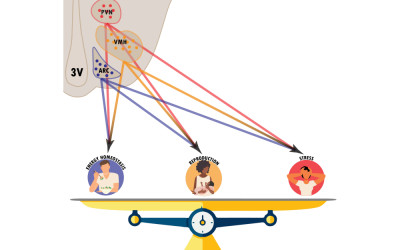

28/09/2010 | Int J Obes (Lond)
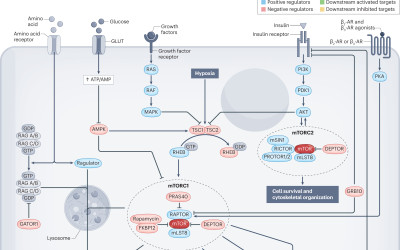
mTORC1 signaling in energy balance and metabolic disease.
Catania C, Binder E, Cota D
doi: 10.1038/ijo.2010.208

Abstract:
The mammalian target of rapamycin complex 1 (mTORC1) pathway regulates cellular


07/2010 | World J Surg
18F-FDG PET for the identification of adrenocortical carcinomas among indeterminate adrenal tumors at computed tomography scanning.
Nunes ML, Rault A, Teynie J, Valli N, Guyot M, Gaye D, Belleannee G, Tabarin A
doi: 10.1007/s00268-010-0576-3

Abstract:
BACKGROUND: 18F-fluorodeoxyglucose positron emission tomography (18F-FDG PET) has been proposed for the evaluation of adrenal tumors. However, only scarce data are available to evaluate its usefulness for the identification of primary adrenal carcinomas in patients with no previous history of cancer and equivocal tumors on computed tomography (CT) scan. The objective of the present study was to evaluate the diagnostic performance of 18F-FDG-PET to predict malignancy in such patients. METHODS AND PATIENTS: This was a retrospective study carried out from 2006 to 2009 in a single university hospital center. Twenty-three consecutive patients without previous history of cancer investigated for adrenal tumors without features of benign adrenocortical adenoma on CT scan but no obvious ACC underwent 18F-FDG PET. All patients underwent adrenalectomy because of CT scan characteristics regardless of the results of 18F-FDG PET. The ratio of maxSUV adrenal tumor on maxSUV liver (adrenal/liver maxSUV ratio) during 18F-FDG PET was compared to Weiss pathological criteria. RESULTS: Seventeen patients had an adrenal adenoma, 2 had small size adrenal carcinomas (<5 cm), 1 had an angiosarcoma, and 3 had noncortical benign lesions. An adrenal/liver maxSUV ratio above 1.6 provided 100% sensitivity, 90% specificity, and 100% negative predictive value for the diagnosis of malignant tumor. CONCLUSIONS: Because of its excellent negative predictive value, 18F-FDG-PET may be of help in avoiding unnecessary surgery in patients with non-secreting equivocal tumors at CT scanning and low 18F-FGD uptake.


07/04/2010 | Cell Metab
CB(1) signaling in forebrain and sympathetic neurons is a key determinant of endocannabinoid actions on energy balance
Quarta C, Bellocchio L, Mancini G, Mazza R, Cervino C, Braulke LJ, Fekete C, Latorre R, Nanni C, Bucci M, Clemens LE, Heldmaier G, Watanabe M, Leste-Lasserre T, Maitre M, Tedesco L, Fanelli F, Reuss S, Klaus S, Srivastava RK, Monory K, Valerio A, Grandis A, De Giorgio R, Pasquali R, Nisoli E, Cota D, Lutz B, Marsicano G, Pagotto U
doi: 10.1016/j.cmet.2010.02.015


07/04/2010 | Cell Metab
CB(1) signaling in forebrain and sympathetic neurons is a key determinant of endocannabinoid actions on energy balance.
Quarta C, Bellocchio L, Mancini G, Mazza R, Cervino C, Braulke LJ, Fekete C, Latorre R, Nanni C, Bucci M, Clemens LE, Heldmaier G, Watanabe M, Leste-Lassere T, Maitre M, Tedesco L, Fanelli F, Reuss S, Klaus S, Srivastava RK, Monory K, Valerio A, Grandis A, De Giorgio R, Pasquali R, Nisoli E, Cota D, Lutz B, Marsicano G, Pagotto U
doi: 10.1016/j.cmet.2010.02.015

Abstract:
The endocannabinoid system (ECS) plays a critical role in obesity development. The pharmacological blockade of cannabinoid receptor type 1 (CB(1)) has been shown to reduce body weight and to alleviate obesity-related metabolic disorders. An unsolved question is at which anatomical level CB(1) modulates energy balance and the mechanisms involved in its action. Here, we demonstrate that CB(1) receptors expressed in forebrain and sympathetic neurons play a key role in the pathophysiological development of diet-induced obesity. Conditional mutant mice lacking CB(1) expression in neurons known to control energy balance, but not in nonneuronal peripheral organs, displayed a lean phenotype and resistance to diet-induced obesity. This phenotype results from an increase in lipid oxidation and thermogenesis as a consequence of an enhanced sympathetic tone and a decrease in energy absorption. In conclusion, CB(1) signaling in the forebrain and sympathetic neurons is a key determinant of the ECS control of energy balance.


03/2010 | Nat Neurosci
Bimodal control of stimulated food intake by the endocannabinoid system
Bellocchio L*, Lafenetre P*, Cannich A, Cota D, Puente N, Grandes P, Chaouloff F, Piazza PV*, Marsicano G*
doi: 10.1038/nn.2494


02/2010 | World J Surg
Risk factors and causes of death in MEN1 disease. A GTE (Groupe d'Etude des Tumeurs Endocrines) cohort study among 758 patients.
Goudet P, Murat A, Binquet C, Cardot-Bauters C, Costa A, Ruszniewski P, Niccoli P, Menegaux F, Chabrier G, Borson-Chazot F, Tabarin A, Bouchard P, Delemer B, Beckers A, Bonithon-Kopp C
doi: 10.1007/s00268-009-0290-1

Abstract:
BACKGROUND: The natural history of multiple endocrine neoplasia type 1 (MEN1) is known through single-institution or single-family studies. We aimed to analyze the risk factors and causes of death in a large cohort of MEN1 patients. METHODS: Overall, 758 symptomatic MEN1 patients were identified through the GTE network (Groupe d'etude des Tumeurs Endocrines), which involves French and Belgian genetics laboratories responsible for MEN1 diagnosis and 80 clinical reference centers. The causes of death were analyzed. A frailty model, including time-dependent variables, was used to assess the impact of each clinical lesion, except for hyperparathyroidism, on survival. RESULTS: The median follow-up was 6.3 years. Female gender, family history of MEN1, and recent diagnosis were associated with a lower risk of death. Compared with nonaffected patients, those with thymic tumors (hazard ratio [HR] = 4.64, 95% CI = 1.73-12.41), glucagonomas-vipomas-somatostatinomas (HR = 4.29, 95% CI = 1.54-11.93), nonfunctioning pancreatic tumors (HR = 3.43, 95% CI = 1.71-6.88), and gastrinoma (HR = 1.89, 95% CI = 1.09-3.25) had a higher risk of death after adjustment for age, gender, and diagnosis period. The increased risk of death among patients with adrenal tumors was not significant, but three patients died from aggressive adrenal tumors. Pituitary tumors, insulinomas, and bronchial tumors did not increase the risk of death. The proportion of MEN1-related deaths decreased from 76.8 to 71.4% after 1990. CONCLUSIONS: The prognosis of MEN1 disease has improved since 1980. Thymic tumors and duodenopancreatic tumors, including nonsecreting pancreatic tumors, increased the risk of death. Rare but aggressive adrenal tumors may also cause death. Most deaths were related to MEN1. New recommendations on abdominal and thoracic imaging are required.


12/2009 | j hepatol
A novel model of CCl4-induced cirrhosis with ascites in the mouse.
Domenicali M, Caraceni P, Giannone F, Baldassarre M, Lucchetti G, Quarta C, Patti C, Catani L, Nanni C, Lemoli RM, Bernardi M
doi: 10.1016/j.jhep.2009.09.008

Abstract:
BACKGROUND/AIMS: The current approaches to study the molecular mechanisms involved in the pathophysiology of liver diseases often rely on the use of transgenic mice. However, experimental models of decompensated cirrhosis have not been clearly established in mice. Thus, we aimed to set an efficient and well-tolerated protocol to induce cirrhosis in mice able to progress up to the ascitic stage. METHODS: C57BL/6N mice received CCl(4) subcutaneously, intraperitoneally or by inhalation. In the latter group, gaseous CCl(4) was administered according to three different schedules: increasing exposure times, twice weekly (traditional protocol; TP), short inhalation cycles, twice or three times weekly. RESULTS: Portal hypertension, sodium retention, and ascites developed in all groups between 11 and 15 weeks. Mortality reached 70% in the TP group, but it was only 0-10% with all other protocols. All the inhalation groups had significantly more ascites at sacrifice than those receiving CCl(4) subcutaneously and intraperitoneally. Extensive abdominal adhesions and evidence of enhanced hepatic inflammation, as suggested by the increased gene expression of pro-inflammatory cytokines in liver tissue, were found in the intraperitoneal group, while large granulomas at the injection site and marked neutrophil infiltration of lungs developed in the subcutaneous group. No extra-hepatic damage could be detected in mice inhaling CCl(4). CONCLUSIONS: The use of short cycles of CCl(4) inhalation represents a novel, safe, and effective method to induce decompensated cirrhosis in mice. Intraperitoneal CCl(4) leads instead to abdominal adhesions precluding a correct evaluation of ascites, while subcutaneous CCl(4) causes an unwanted systemic inflammatory response.


10/2009 | Endocrinology
Complex regulation of mammalian target of rapamycin complex 1 in the basomedial hypothalamus by leptin and nutritional status.
Villanueva EC, Munzberg H, Cota D, Leshan RL, Kopp K, Ishida-Takahashi R, Jones JC, Fingar DC, Seeley RJ, Myers MG Jr
doi: 10.1210/en.2009-0642

Abstract:
The medial basal hypothalamus, including the arcuate nucleus (ARC) and the ventromedial hypothalamic nucleus (VMH), integrates signals of energy status to modulate metabolism and energy balance. Leptin and feeding regulate the mammalian target of rapamycin complex 1 (mTORC1) in the hypothalamus, and hypothalamic mTORC1 contributes to the control of feeding and energy balance. To determine the mechanisms by which leptin modulates mTORC1 in specific hypothalamic neurons, we immunohistochemically assessed the mTORC1-dependent phosphorylation of ribosomal protein S6 (pS6). In addition to confirming the modulation of ARC mTORC1 activity by acute leptin treatment, this analysis revealed the robust activation of mTORC1-dependent ARC pS6 in response to fasting and leptin deficiency in leptin receptor-expressing Agouti-related protein neurons. In contrast, fasting and leptin deficiency suppress VMH mTORC1 signaling. The appropriate regulation of ARC mTORC1 by mutant leptin receptor isoforms correlated with their ability to suppress the activity of Agouti-related protein neurons, suggesting the potential stimulation of mTORC1 by the neuronal activity. Indeed, fasting- and leptin deficiency-induced pS6-immunoreactivity (IR) extensively colocalized with c-Fos-IR in ARC and VMH neurons. Furthermore, ghrelin, which activates orexigenic ARC neurons, increased ARC mTORC1 activity and induced colocalized pS6- and c-Fos-IR. Thus, neuronal activity promotes mTORC1/pS6 in response to signals of energy deficit. In contrast, insulin, which activates mTORC1 via the phosphatidylinositol 3-kinase pathway, increased ARC and VMH pS6-IR in the absence of neuronal activation. The regulation of mTORC1 in the basomedial hypothalamus thus varies by cell and stimulus type, as opposed to responding in a uniform manner to nutritional and hormonal perturbations.


09/2009 | Ann Endocrinol (Paris)
[Surgical excision of subclinical cortisol secreting incidentalomas: Impact on blood pressure, BMI and glucose metabolism].
Mauclere-Denost S, Duron-Martinaud S, Nunes ML, Gatta B, Fagour C, Rault A, Gosse P, Tabarin A
doi: 10.1016/j.ando.2009.03.005

Abstract:
OBJECTIVES: To compare clinical, vascular and metabolic parameters before and after surgery in patients with subclinical cortisol secreting incidentalomas. PATIENTS AND METHODS: Eight patients were investigated before and 12 months after removal of the mass on hemodynamic (blood pressure by MAPA procedure), anthropometric (body weight, body mass index), and metabolic parameters (glucose level, HbA(1c)). RESULTS: In the whole group, 75% of patients displayed decrease in blood pressure (cessation of at least one hypotensive medication) and 33% of them were definitely cured of hypertension. Seventy-one percent of patients lost body weight and 37.5% lost more than 5%. In the whole group of patients, glucose level decreased by 1.1% and medical treatment was discontinuated in two of three diabetic patients. CONCLUSION: Subclinical cortisol secreting adrenal incidentalomas are associated with cardiovascular risk factors that may be corrected after removal of the mass. Therefore, surgery may be an appropriate choice in patients with subclinical Cushing's syndrome to improve hypertension, body weight and impaired glucose level. Controlled studies comparing surgical treatment to a medical follow-up including optimal cardiovascular risk factors treatment are needed to define the usefulness of surgery in hypertensive patients with subclinical cortisol secreting incidentalomas.


Abstract:
Energy balance is guaranteed by a complex circuitry that in the brain, and in the hypothalamus in particular, integrates and coordinates several types of signals, including hormones and nutrients, so to match energy expenditure to energy needs. Similar to individual cells, the hypothalamus also profits from intracellular pathways known to work as fuel sensors to maintain energy balance. The mammalian target of rapamycin complex 1 (mTORC1) pathway has been recently implicated in such function, due to its ability to integrate nutrient and hormonal signals to control food intake and body weight. This review therefore describes recent advances made in understanding the role of the hypothalamic mTORC1 pathway in energy balance regulation and its possible contribution to the metabolic dysregulation associated with diet-induced obesity.


07/2009 | Int J Eat Disord
Binge-like eating in mice.
Consoli D, Contarino A, Tabarin A, Drago F
doi: 10.1002/eat.20637

Abstract:
OBJECTIVE: Given the lack of reliable murine model of binge-like eating, we tried to induce this pathological behavior in mice. METHOD: We used an experimental protocol mimicking the etiological factors involved in the development of binge eating in humans, that is, food restriction, refeeding (R-R) in presence of high palatable food, and stress (S). RESULTS: Mice subjected to at least three cycles of R-R plus S (forced swimming stress), showed a binge-like behavior evident as early as 4 h, persisting 24 h after stress application and not associated to depressive-like behavior. However, after the third R-R/S cycle, food intakes of mice returned to normal levels. DISCUSSION: (i) at least three cycles of R-R plus S are required to promote abnormal eating in mice, (ii) this is not associated to depressive-like behaviors, and (iii) the enhanced pathological behavior showed a transient nature not persisting after the third R-R/S cycle.


06/2009 | Br J Nutr
Acute effects of pharmacological modifications of fatty acid metabolism on human satiety.
Gatta B, Zuberbuehler C, Arnold M, Aubert R, Langhans W, Chapelot D
doi: 10.1017/S0007114508143604

Abstract:
The role of NEFA in eating behaviour is still poorly known. Our objective was to examine whether etomoxir (ETO), an inhibitor of NEFA oxidation, or ( - )-hydroxycitrate (HCA), an inhibitor of lipogenesis which may indirectly stimulate NEFA oxidation, alters satiety. Post-lunch satiety was measured in eight normal-weight male subjects who were deprived of time cues and received on three occasions either ETO (320 mg), HCA (2 g) or placebo (PLA) in random order. Between lunch and dinner, blood was withdrawn continuously and collected every 10 min for measures of plasma concentrations of glucose, insulin, lactate, TAG, NEFA, beta-hydroxybutyrate (BHB), leptin and ghrelin. Results showed that HCA began to decrease hunger and desire to eat compared to PLA and ETO 210 min after lunch and increased satiety duration compared to PLA by 70 (se 23) min (P < 0.05), but did not modify energy intake at dinner. ETO did not affect any variable of satiety. HCA increased NEFA concentrations during the pre-dinner period, whereas ETO increased and decreased plasma concentrations of NEFA and BHB, respectively. Mean differences in plasma NEFA concentrations between HCA and PLA were predictive of the differences in satiety duration between treatments (r2 0.71, P < 0.01). Among treatments, plasma leptin concentration at dinner onset was the only blood variable correlated with energy intake at this meal (r - 0.75, P < 0.0005). In healthy, normal-weight men, acute HCA increased the intensity and duration of satiety possibly via increased NEFA disposal for oxidation.


06/2009 | World J Surg
Thymic neuroendocrine tumors in multiple endocrine neoplasia type 1: a comparative study on 21 cases among a series of 761 MEN1 from the GTE (Groupe des Tumeurs Endocrines).
Goudet P, Murat A, Cardot-Bauters C, Emy P, Baudin E, du Boullay Choplin H, Chapuis Y, Kraimps JL, Sadoul JL, Tabarin A, Verges B, Carnaille B, Niccoli-Sire P, Costa A, Calender A
doi: 10.1007/s00268-009-9980-y

Abstract:
BACKGROUND: Thymic neuroendocrine tumors (Th-NET) present a poor prognosis for patients with multiple endocrine neoplasia type 1 (MEN1). The purpose of this article was to study the clinical, biological, and pathological features of Th-NET in a large cohort of patients with MEN1. METHODS: The 761-patient MEN1 cohort from the GTE registry was used (Groupe des Tumeurs Endocrines). RESULTS: The actuarial probability of occurrence was 2.6% (range, 1.3-5.5%) at aged 40 years. All, except one, Th-NET patients were men. Four patients had no other associated lesions. The youngest patient was aged 16 years. Mean age at the time of diagnosis was 42.7 (range, 16.1-67.5) years. The 10-year probability of survival was 36.1% (range, 11.5-62%). Seven patients (33%) belonged to clustered MEN1 families. The spectrum of associated lesions in patients with Th-NET was not statistically different from the spectrum of the remainder of the cohort. Various endocrine markers were high, but none were sensitive or specific enough to be useful for Th-NET detection. CT-scan and MRI were always positive at the time of diagnosis. No particular mutation was found to be associated with Th-NET. Five cases underwent prophylactic thymectomy without success. CONCLUSIONS: Several end points may be helpful for future guidelines: (1) earlier detection of Th-NET in MEN1 patients is required; (2) screening of both sexes is necessary; (3) a prospective study comparing MRI vs. CT scan in yearly screening for Th-NET is needed; (4) a reinforced screening program must be established for patients who belong to clustered families; and (5) thymectomies must be performed in specialized centers.


04/2009 | Ann Endocrinol (Paris)
Adrenal necrosis mimicking pheochromocytomas during acute pancreatitis.
Gatta B, Reynier P, Gense V, Simonnet G, Corcuff JB
doi: 10.1016/j.ando.2008.09.008


04/2009 | Ann Endocrinol (Paris)
French consensus on the management of acromegaly.
Chanson P, Bertherat J, Beckers A, Bihan H, Brue T, Caron P, Chabre O, Cogne M, Cortet-Rudelli C, Delemer B, Dufour H, Gaillard R, Gueydan M, Morange I, Souberbielle JC, Tabarin A
doi: 10.1016/j.ando.2008.12.011


26/03/2009 | Obesity (Silver Spring)
Food Intake-independent Effects of CB1 Antagonism on Glucose and Lipid Metabolism
Cota D, Sandoval D A, Olivieri M, Prodi E, D'Alessio D A, Woods S C, Seeley R J, Obici S
doi: 10.1038/oby.2009.84

Abstract:
Overactivity of the endocannabinoid system (ECS) has been linked to abdominal obesity and other risk factors for cardiovascular disease and type 2 diabetes. Conversely, administration of cannabinoid receptor type 1 (CB1) antagonists reduces adiposity in obese animals and humans. This effect is only in part secondary to the anorectic action of CB1 agonists. In order to assess the actions of CB1 antagonism on glucose homeostasis, diet-induced obese (DIO) rats received the CB1 antagonist rimonabant (10 mg/kg, intraperitoneally (IP)) or its vehicle for 4 weeks, or were pair-fed to the rimonabant-treated group for the same length of time. Rimonabant treatment transiently reduced food intake, while inducing body weight loss throughout the study. Rats receiving rimonabant had significantly less body fat and circulating leptin compared to both vehicle and pair-fed groups. Rimonabant, but not pair-feeding, also significantly decreased circulating nonesterified fatty acid (NEFA) and triacylglycerol (TG) levels, and reduced TG content in oxidative skeletal muscle. Although no effects were observed during a glucose tolerance test (GTT), rimonabant restored insulin sensitivity to that of chow-fed, lean controls during an insulin tolerance test (ITT). Conversely, a single dose of rimonabant to DIO rats had no acute effect on insulin sensitivity. These findings suggest that in diet-induced obesity, chronic CB1 antagonism causes weight loss and improves insulin sensitivity by diverting lipids from storage toward utilization. These effects are independent of the anorectic action of the drug.Obesity (2009) doi:10.1038/oby.2009.84.


02/2009 | J Clin Endocrinol Metab
Late-night salivary cortisol for diagnosis of overt and subclinical Cushing's syndrome in hospitalized and ambulatory patients.
Nunes ML, Vattaut S, Corcuff JB, Rault A, Loiseau H, Gatta B, Valli N, Letenneur L, Tabarin A
doi: 10.1210/jc.2008-1542

Abstract:
CONTEXT: Neither precise evaluation of pertinent thresholds nor comparison of the diagnostic performance of late-night salivary cortisol (NSC) between inpatient and outpatient settings has been conducted. The usefulness of NSC for the screening of 'subclinical' Cushing's syndrome is still unknown. OBJECTIVES: The aim of the study was to compare the influence of inpatient and outpatient settings on the diagnostic performance of NSC and assess its usefulness as a screening test for subclinical Cushing's syndrome. DESIGN: Consecutive patients were investigated prospectively with two salivary collections, first as inpatients and then as outpatients. PARTICIPANTS: Forty-two obese subjects participated in the study, as well as nine patients cured of Cushing's disease, 13 with overt Cushing's syndrome, 14 showing mild recurrence of Cushing's disease, and 48 with adrenal incidentalomas [23 subclinical cortisol-secreting adenomas (SCSA), 25 nonsecreting adenomas]. MAIN OUTCOME MEASURES: Reproducibility of NSC and diagnostic performance were measured using receiver operating characteristic analysis. RESULTS: NSC in controls was similar between inpatient and outpatient settings. The diagnostic performance of NSC across the different patient groups was similar irrespective of the setting. A threshold of 12 nmol/liter yielded 100% sensitivity and specificity in overt Cushing's syndrome. Optimal performance in subclinical Cushing's syndrome required lower thresholds. NSC showed acceptable performance in diagnosing recurrence of Cushing's disease (90% sensitivity, 91.8% specificity). On the contrary, NSC was similar between patients with SCSA and nonsecreting adenomas. CONCLUSIONS: Our data validate the outpatient bed sampling strategy for NSC with no need for specific outpatient threshold. NSC may be helpful to detect mild recurrence of Cushing's disease after surgery but is of little value in identifying SCSA amongst adrenal incidentalomas.


02/2009 | J Clin Endocrinol Metab
An unusual case of ectopic adrenocorticotropin secretion.
Trulea M, Patey M, Chaufour-Higel B, Bouquigny F, Longuebray A, Rousseaux P, Pasqual C, Tabarin A, Delemer B
doi: 10.1210/jc.2008-1634


02/2009 | Eur J Endocrinol
Usefulness of adrenal scintigraphy in the follow-up of adrenocortical incidentalomas: a prospective multicenter study.
Fagour C, Bardet S, Rohmer V, Arimone Y, Lecomte P, Valli N, Tabarin A
doi: 10.1530/EJE-08-0299

Abstract:
OBJECTIVES: Prognostic factors for progression of benign adrenocortical adenomas (AI) remain poorly known. We assessed the usefulness of (131)I-6-beta-iodomethylnorcholesterol scintigraphy (IMS) to predict the occurrence of adrenal hyperfunction or mass enlargement. DESIGN: Fifty-one consecutive inpatients with unilateral AI and normal 24-h urinary free cortisol (UFC) were enrolled in a multicenter observational prospective study to investigate the relationship between the scintigraphic pattern and the progression of biological abnormalities of the hypothalamo-pituitary-adrenal axis or tumor size. RESULTS: Biochemically defined 'subclinical' Cushing's syndrome (SCS) was found at baseline in 47% of patients. Unilateral uptake (UU) was significantly associated with SCS (P<0.05). During the follow-up (4.3+/-1.6-year): 53% of patients showed unchanged hormonal evaluation, 29% displayed intermittent SCS and 18% showed definitive hormonal progression of SCS but without overt biochemical hypercortisolism. UU was associated with persistence of SCS and hormonal progression (P<0.01). In multivariate analysis, UU and impaired 1 mg dexamethasone suppression were independently associated with hormonal progression. Three patients with UU developed clinical CS despite persistently normal UFC. Tumor size increased in 10% patients and was not associated with any scintigraphic pattern. CONCLUSION: Evolution of SCS toward overt biochemical CS in patients with AI is a rare event during a 4-year follow-up. UU is predictive for the occurrence of SCS, its persistence and progression within the spectrum of SCS. Further studies aiming to establish the clinical consequences of SCS are needed to recommend IMS as a complementary evaluation in patients with AI and biochemical SCS.


01/2009 | Clin J Sport Med
Pilot study of a 10-week multidisciplinary Tai Chi intervention in sedentary obese women.
Dechamps A, Gatta B, Bourdel-Marchasson I, Tabarin A, Roger P
doi: 10.1097/JSM.0b013e318193428f

Abstract:
OBJECTIVE: Alternative approaches to weight control and physical activity are increasingly needed. Numerous factors influence weight management, including the choice of physical exercise. No study has previously examined the therapeutic effect of a multidisciplinary weight management program incorporating Tai Chi (TC) exercises among sedentary obese women. DESIGN: Randomized intervention trial with blinded medical provider. SETTING: In day hospital consultations. PARTICIPANTS: Twenty-one obese women. INTERVENTION: All subjects participated in a 10-week weight management program that was part of usual care and included a hypocaloric balanced diet, a weekly physician/psychologist/dietician group session, and an exercise program. For the exercise component, subjects were randomized to either a 2-hour weekly session of TC or a conventional structured exercise program. MAIN OUTCOME MEASURES: Changes in weight, body composition, heart rate, blood pressure, mobility scores, mood, Three Factor Eating Questionnaire scores, and General Self-Efficacy. RESULTS: The TC arm improved in resting systolic blood pressure, chair rise test, mood, and reduced percent of fat at week 10 and at 6 months follow-up. General self-efficacy was enhanced in both groups and maintained at 30 weeks. CONCLUSION: The observed benefits over a 30-week period of a multidisciplinary weight management program incorporating TC exercises on physical functioning mood and dietary restraint need further understanding of how sedentary obese women adhere to physical activity like TC or other alternative exercises.


01/2009 | J Clin Endocrinol Metab
Treatment of pituitary-dependent Cushing's disease with the multireceptor ligand somatostatin analog pasireotide (SOM230): a multicenter, phase II trial.
Boscaro M, Ludlam WH, Atkinson B, Glusman JE, Petersenn S, Reincke M, Snyder P, Tabarin A, Biller BM, Findling J, Melmed S, Darby CH, Hu K, Wang Y, Freda PU, Grossman AB, Frohman LA, Bertherat J
doi: 10.1210/jc.2008-1008

Abstract:
CONTEXT: There is currently no medical therapy for Cushing's disease that targets the pituitary adenoma. Availability of such a medical therapy would be a valuable therapeutic option for the management of this disorder. OBJECTIVE: Our objective was to evaluate the short-term efficacy of the novel multireceptor ligand somatostatin analog pasireotide in patients with de novo, persistent, or recurrent Cushing's disease. DESIGN: We conducted a phase II, proof-of-concept, open-label, single-arm, 15-d multicenter study. PATIENTS: Thirty-nine patients with either de novo Cushing's disease who were candidates for pituitary surgery or with persistent or recurrent Cushing's disease after surgery without having received prior pituitary irradiation. INTERVENTION: Patients self-administered sc pasireotide 600 microg twice daily for 15 d. MAIN OUTCOME MEASURE: Normalization of urinary free cortisol (UFC) levels after 15 d treatment was the main outcome measure. RESULTS: Of the 29 patients in the primary efficacy analysis, 22 (76%) showed a reduction in UFC levels, of whom five (17%) had normal UFC levels (responders), after 15 d of treatment with pasireotide. Serum cortisol levels and plasma ACTH levels were also reduced. Steady-state plasma concentrations of pasireotide were achieved within 5 d of treatment. Responders appeared to have higher pasireotide exposure than nonresponders. CONCLUSIONS: Pasireotide produced a decrease in UFC levels in 76% of patients with Cushing's disease during the treatment period of 15 d, with direct effects on ACTH release. These results suggest that pasireotide holds promise as an effective medical treatment for this disorder.


Abstract:
OBJECTIVE: Evidence links the hypothalamic fatty acid synthase (FAS) pathway to the regulation of food intake and body weight. This includes pharmacological inhibitors that potently reduce feeding and body weight. The mammalian target of rapamycin (mTOR) is an intracellular fuel sensor whose activity in the hypothalamus is also linked to the regulation of energy balance. The purpose of these experiments was to determine whether hypothalamic mTOR complex 1 (mTORC1) signaling is involved in mediating the effects of FAS inhibitors. RESEARCH DESIGN AND METHODS: We measured the hypothalamic phosphorylation of two downstream targets of mTORC1, S6 kinase 1 (S6K1) and S6 ribosomal protein (S6), after administration of the FAS inhibitors C75 and cerulenin in rats. We evaluated food intake in response to FAS inhibitors in rats pretreated with the mTOR inhibitor rapamycin and in mice lacking functional S6K1 (S6K1(-/-)). Food intake and phosphorylation of S6K1 and S6 were also determined after C75 injection in rats maintained on a ketogenic diet. RESULTS: C75 and cerulenin increased phosphorylation of S6K1 and S6, and their anorexic action was reduced in rapamycin-treated rats and in S6K1(-/-) mice. Consistent with our previous findings, C75 was ineffective at reducing caloric intake in ketotic rats. Under ketosis, C75 was also less efficient at stimulating mTORC1 signaling. CONCLUSIONS: These findings collectively indicate an important interaction between the FAS and mTORC1 pathways in the central nervous system for regulating energy balance, possibly via modulation of neuronal glucose utilization.


12/2008 | Clin Chim Acta
Bioavailable estradiol in man: relationship with age and testosterone.
Dolomie-Fagour L, Gatta B, Nguyen TD, Corcuff JB
doi: 10.1016/j.cca.2008.09.005

Abstract:
Sex hormones undergo decreases in aging men. Several studies have shown the association of low levels of bioavailable estradiol with osteoporosis in man. To allow a better approach of sex hormones influences, we evaluated bioavailable estradiol concentrations in men and its correlation with age and testosterone. We show that bioavailable estradiol decreases significantly with age. We provide reference values in men with normal testosterone levels.


12/2008 | Ann Endocrinol (Paris)
Exploration and management of adrenal incidentalomas. French Society of Endocrinology Consensus.
Tabarin A, Bardet S, Bertherat J, Dupas B, Chabre O, Hamoir E, Laurent F, Tenenbaum F, Cazalda M, Lefebvre H, Valli N, Rohmer V
doi: 10.1016/j.ando.2008.09.003

Abstract:
The French Society of Endocrinology convened a multidisciplinary panel of endocrinologists, radiologists, nuclear physicians and surgeons to address the appropriate evaluation and treatment of adrenal incidentalomas. The panel conducted a systematic review of medical literature on the following issues: epidemiology, natural history, radiological and scintigraphic evaluation, endocrine assessment, surgical management and appropriate follow-up. The following text reports the recommendations of experts on behalf of the French Society of Endocrinology. The authors emphasize the paucity of published scientific data that hampers evidence-based medicine recommendations. The crucial points of the French consensus are: the usefulness of CT-scanning evaluation of adrenal incidentalomas, the systematic screening for pheochromocytoma, the usefulness of the 1mg overnight dexamethasone test to screen for latent hypercortisolism, the difficulty to interpret mild biological abnormalities of the HPA axis, the consensus to remove surgically most of tumours greater than 4cm, the necessity to follow clinically glucorticoid tissular targets in the follow-up of non operated benign adrenocortical incidentalomas.


09/2008 | Ann Endocrinol (Paris)
[News for adrenal insufficiency].
Nunes ML, Tabarin A
doi: 10.1016/S0003-4266(08)73968-4

Abstract:
The congress of the Endocrine Society 2008 approached the diagnostic, etiologic, prognostic and therapeutic novelties of adrenal insufficiency (AI). Diagnosis of AI often requires serum cortisol measurement during dynamic tests. Salivary cortisol measurement was reported to have an equivalent diagnostic performance to serum cortisol and that is even better when CBG levels are altered. Iatrogenic AI is much more frequent than Addison's disease. Two studies have shown that patients with inhaled corticosteroid and opioid treatments should be tested for AI. A Norwegian study reported an increased mortality in the subgroup of young men that presented Addison's disease before the age of 40. Plasma cortisol concentration in patients with current glucocorticoid replacement therapy differs notably from those observed in physiological condition. This imperfect replacement may be responsible for adverse physical condition and impaired quality of life. Two formulations of delayed hydrocortisone tablets with different pharmacokinetics from usual hydrocortisone (DuoCort and Chronocort) are in development. The first study is promising and shows that these formulations better mimick the body's natural cortisol release. Its use in the treatment of AI in patients with congenital adrenal hyperplasia has also been tested.


Abstract:
The mammalian target of rapamycin (mTOR) kinase is a key regulator of several cellular functions, including cell growth and differentiation. Because hypothalamic mTOR complex 1 (mTORC1) signaling has been implicated as a target of leptin in the regulation of energy balance, we investigated its role in obesity-induced leptin resistance. In contrast to rats maintained on a low-fat (LF) diet for 3 weeks, rats maintained on a high-fat (HF)-diet had no anorexic response to intracerebroventricular leptin. Western blot analysis revealed that leptin was unable to modulate hypothalamic mTORC1 signaling in the HF group, whereas it significantly induced phosphorylation of both S6 kinase 1 (S6K1) and S6 ribosomal protein (S6) in the LF group. Similar to leptin, the cytokine ciliary neurotrophic factor (CNTF) induces hypophagia and increases signal transduction activator of transcription 3 phosphorylation. However, CNTF and its analog CNTF(Ax15) activate leptin-like pathways in the hypothalamus, even in leptin-resistant states, including diet-induced obesity. Intracerebroventricular CNTF(Ax15) decreased 24 h food intake and body weight in rats on HF or LF diets and increased the phosphorylation of hypothalamic S6K1 and S6 in a comparable way in both diets. Importantly, mice lacking the expression of S6K1 (S6K1(-/-)) did not respond to the anorectic action of either leptin or CNTF(Ax15), implying a crucial role for S6K1 in modulating the actions of these two cytokines. Finally, exposure to HF diet decreased mTORC1 signaling within the hypothalamus. Overall, these findings point strongly to the possibility that reduced hypothalamic mTORC1 signaling contributes to the development of hyperphagia, weight gain, and leptin resistance during diet-induced obesity.


15/05/2008 | Rev Prat
[Adrenal incidentalomas]
Cherifi-Gatta B, Gaye D, Laurent F, Tabarin A


15/05/2008 | Rev Prat
[Adrenal incidentalomas].
Cherifi-Gatta B, Gaye D, Laurent F, Tabarin A

Abstract:
The adrenal incidentaloma is an adrenal mass, generally more than 1 cm in diameter, that is discovered serendipitously during a radiologic examination performed for indications other than an evaluation of adrenal disease. The prevalence of adrenal incidentalomas is at least 1% in patients who underwent abdominal CT examination. The main therapeutic issues are to select which patient should undergo surgical excision, and the optimal procedure and duration of follow-up for patients in whom surgery is not indicated. Surgery is mandatory in patients with secretory tumours (pheochromocytoma, secreting cortical adenomas) and with adrenal cancer. However, the vast majority of adrenal incidentalomas are benign cortical adenomas and surgery is mandatory only in a minority of patients. Systematic aetiological investigation of adrenal incidentalomas should therefore be performed in order to guide the decision on surgical or non surgical management. This investigation includes, at least, clinical assessment, biological endocrine evaluation and appropriate standardized CT scan examination of the mass. The optimal duration and modalities of follow-up for patients with adrenal incidentalomas are uncertain.


Abstract:
The endocannabinoid system (ECS) is a recently identified neuromodulatory system, which is involved in several physiological processes and in disease. For example, the ECS not only represents the biological substrate of marijuana's effects, but also is known to modulate several neuroendocrine axes, including the hypothalamic-pituitary-adrenal (HPA) axis. Although previous pharmacological studies using plant-derived or synthetic cannabinoids have implied a stimulating action on the HPA axis, more recent findings have led to the conclusion that an endogenous cannabinoid tone might exist, which is actually inhibiting the release of both adrenocorticotrophic hormone and glucocorticoids. Studies using mice lacking cannabinoid receptor CB(1) have demonstrated that presence and activity of these receptors is essential for the regulation of HPA axis activity. Interestingly, the effects of endocannabinoids on the HPA axis are consistent with their neuromodulatory action on brain neurotransmitter systems. Endocannabinoids have been found to mediate the nongenomic glucocorticoid-induced inhibition of the release of corticotrophin-releasing factor within the paraventricular nucleus of the hypothalamus. Altogether, these observations suggest that alterations of the endocannabinoid tone might be associated with the development of stress-related diseases, including anxiety, depression and obesity.


05/2008 | Eur J Endocrinol
Evaluation of health-related quality of life in patients with Cushing's syndrome with a new questionnaire.
Webb SM, Badia X, Barahona MJ, Colao A, Strasburger CJ, Tabarin A, van Aken MO, Pivonello R, Stalla G, Lamberts SW, Glusman JE
doi: 10.1530/EJE-07-0762

Abstract:
Chronic exposure to hypercortisolism has significant impact on patient's health and health-related quality of life (HRQoL), as demonstrated with generic questionnaires. We have developed a disease-generated questionnaire to evaluate HRQoL in patients with Cushing's syndrome (CS; CushingQoL). OBJECTIVE: Validate the CushingQoL questionnaire in patients with CS in clinical practice conditions. DESIGN: Observational, international, cross-sectional study. METHODS: A total of 125 patients were recruited by 14 investigators from Spain, France, Germany, The Netherlands, and Italy over a 2-month period. Clinical and hormonal data were collected and correlated with results of the generic short form 36 (SF-36) questionnaire, a question on self-perceived general health status and the CushingQoL score. RESULTS: A total of 107 patients were pituitary-dependent and 18 adrenal-dependent CS; 104 (83%) were females, mean age 45 years (range 20-73 years); 39 (31%) were currently hypercortisolemic; and 47 (38%) adrenal insufficient. In clinical practice, CushingQoL was feasible (117; 94% of patients fully responded to the questionnaire in a mean time of 4 min), reliable (Crohnbach's alpha=0.87), and valid (factorial analysis demonstrated unidimensionality and Rasch analysis lead to a final version with 12 items). A significant (P<0.001) correlation was observed between CushingQoL score and patients self-perceived general health status and dimensions of SF-36 (Pearson's correlation coefficient > or =0.597). Patients with current hypercortisolism scored worse (lower) than those without (44+/-22 vs 56+/-21, P=0.004). Linear regression analysis identified female gender and hypercortisolism as significant predictors for worse QoL. CONCLUSION: CushingQoL is useful to evaluate HRQoL in patients with CS and correlates with clinical parameters.


Abstract:
The endogenous cannabinoid system (ECS) is a neuromodulatory system recently recognized to have a role in the regulation of various aspects of eating behavior and energy balance through central and peripheral mechanisms. In the central nervous system, cannabinoid type 1 receptors and their endogenous ligands, the endocannabinoids, are involved in modulating food intake and motivation to consume palatable food. Moreover, the ECS is present in peripheral organs, such as liver, white adipose tissue, muscle, and pancreas, where it seems to be involved in the regulation of lipid and glucose homeostasis. Dysregulation of the ECS has been associated with the development of obesity and its sequelae, such as dyslipidemia and diabetes. Conversely, recent clinical trials have shown that cannabinoid type 1 receptor blockade may ameliorate these metabolic abnormalities. Although further investigation is needed to better define the actual mechanisms of action, pharmacologic approaches targeting the ECS may provide a novel, effective option for the management of obesity, type 2 diabetes and cardiovascular disease.


2008 | Encyclopédie Médico-Chirurgicale, Endocrinologie-Nutrition
Incidentalomes SurrƩnaliens
Cherifi-Gatta B, Gaye D, Laurent F, Tabarin A


2008 | Médecine Clinique, endocrinologie & diabète
NƩoplasie Endocrinienne Multiple de type 1
Cherifi-Gatta B, Carnaille B, Tabarin A


Abstract:
The incidences of both obesity and type 2 diabetes mellitus are rising at epidemic proportions. Despite this, the balance between caloric intake and expenditure is tremendously accurate under most circumstances. Growing evidence suggests that nutrient and hormonal signals converge and directly act on brain centers, leading to changes in fuel metabolism and, thus, stable body weight over time. Growing evidence also suggests that these same signals act on the central nervous system (CNS) to regulate glucose metabolism independently. We propose that this is not coincidental and that the CNS responds to peripheral signals to orchestrate changes in both energy and glucose homeostasis. In this way the CNS ensures that the nutrient demands of peripheral tissues (and likely of the brain itself) are being met. Consequently, dysfunction of the ability of the CNS to integrate fuel-sensing signals may underlie the etiology of metabolic diseases such as obesity and diabetes.


Abstract:
To maintain normal activity, single cells must assure that their energy needs and utilization are continuously matched. Likewise, multicellular organisms must constantly coordinate energy intake and expenditure to maintain energy homeostasis. The brain, and the hypothalamus in particular, plays a critical role in integrating and coordinating several types of signals, including hormones and nutrients, to guarantee such homeostasis. Like single cells, the hypothalamus also profits from intracellular pathways known to work as fuel sensors to maintain energy balance. One such pathway is the mammalian target of rapamycin (mTOR). mTOR integrates different sensory inputs to regulate protein synthesis rates in individual cells, and it has recently been implicated in the central nervous system to regulate food intake and body weight as well. This review provides an overview of the role of hypothalamic intracellular fuel sensors in the overall control of energy balance and discusses the potential contribution of these fuel-sensing mechanisms to the metabolic dysregulation associated with obesity.


2008 | Drug Saf
Inhaled corticosteroids and adrenal insufficiency: prevalence and clinical presentation.
Molimard M, Girodet PO, Pollet C, Fourrier-Reglat A, Daveluy A, Haramburu F, Fayon M, Tabarin A

Abstract:
OBJECTIVE: Adrenal insufficiency (AI) is a potentially life-threatening condition. It is known that high doses of inhaled corticosteroids (ICS) can induce systemic adverse effects. Currently, there are no data on the prevalence of AI associated with the use of ICS. This study aimed to investigate the prevalence and clinical presentation of AI (associated or not associated with exogenous Cushing's syndrome) in patients who were prescribed ICS by French physicians during the period 2000-5. METHODS: All metropolitan French paediatricians, endocrinologists, pulmonologists and intensive care physicians (n = 11 783) were mailed questionnaires requesting information regarding cases of AI associated or not associated with exogenous Cushing's syndrome between 2000 and 2005. Data collected included patient demographics, oral corticosteroid or ICS used during the year preceding the diagnosis of AI, underlying condition(s), concomitant treatment(s), presenting clinical signs and symptoms, results of laboratory investigations and outcome. The French pharmacovigilance database was screened for spontaneous reports to determine the frequency of AI associated with the use of ICS, using the capture-recapture method. RESULTS: Forty-six cases of AI were identified. Twenty-three cases presented with clinical symptoms of AI alone and 23 with exogenous Cushing's syndrome. ICS prescribed were fluticasone propionate (n = 24), budesonide (n = 12) and beclometasone dipropionate (n = 5). In 82% (n = 32) of cases for which data were available, ICS were prescribed at high doses. A potential drug interaction was found in 12 cases. Thirteen cases of AI were identified in the French pharmacovigilance database, one of which was common with the questionnaire survey. The capture-recapture method provided an estimation of 598 (95% CI 551, 648) cases of AI associated with the use of ICS for the 2000-5 period in France. CONCLUSION: The results of this study confirm the occurrence of adrenal insufficiency in patients treated with ICS. Although the prevalence of ICS-induced AI reported in this study is low, the likelihood of under-diagnosis underlines the need to consider this risk in patients when prescribing these drugs.


12/2007 | Eur J Neurosci
Long-term exposure to histamine induces the expression of an embryonic-like motor pattern in an adult nervous system
Sullivan J M, Faumont S, Ducret E, Le Feuvre Y, Fenelon V S, Meyrand P

Abstract:
Neuromodulatory inputs play important roles in shaping the outputs of neural networks. While the actions of neuromodulatory substances over the short term (seconds, minutes) have been examined in detail, far less is known about the possible longer-term (hours) effects of these substances. To investigate this issue, we used the stomatogastric nervous system (STNS) of the lobster to examine the short- and long-term effects of histamine on rhythmic network activity. The application of histamine to the entire STNS had strong inhibitory effects on all three of the STNS networks, observable within minutes. In contrast, longer-term (> 1 h) application of histamine induced the expression of a single, unified rhythm involving neurons from all three networks. Selective application of histamine to different regions of the STNS demonstrated that a unified rhythm arises following the long-term application of histamine to the commissural ganglia (CoGs; modulatory centres), but not the stomatogastric ganglion (site of neural networks). Strikingly, the single rhythm observed following the long-term application of histamine to the CoGs exhibits many similarities with the single rhythm expressed by the embryonic STNS. Together, these results demonstrate that histamine has markedly different short- and long-term effects on network activity; short-term effects arising through direct actions on the networks and long-term effects mediated by actions on modulatory neurons. Furthermore, they indicate that histamine is able to induce the expression of an embryonic-like rhythm in an adult system, suggesting that long-term actions of histamine may play key roles in the development of the STNS networks.


Abstract:
CONTEXT: The diagnostic accuracy of the combined dexamethasone suppression test (DST)-CRH test for the differential diagnosis between Cushing's disease (CD) and pseudo-Cushing syndrome (PCS) has recently been debated. OBJECTIVE: Our objective was to reevaluate the performance of the DST-CRH test to differentiate CD from PCS and compare it with that of midnight plasma cortisol measurement. SETTING: The study took place at three specialized tertiary care university hospitals. DESIGN: Fourteen patients with PCS and 17 patients with CD matched for 24-h urinary free cortisol were retrospectively studied. MAIN OUTCOME MEASURE: Diagnosis or exclusion of CD was the main outcome measure. RESULTS: A 55 nmol/liter cortisol concentration after dexamethasone (DST) yielded 94% sensitivity, 86% specificity, and 90% diagnostic accuracy. Using the historical 38 nmol/liter threshold for plasma cortisol 15 min after CRH administration, the DST-CRH test achieved 100% sensitivity, 50% specificity, and 77% diagnostic accuracy. Increasing the threshold to 110 nmol/liter improved the specificity and diagnostic accuracy to 86 and 93.5%, respectively. However, diagnostic accuracy was not significantly different from that of the DST. A midnight plasma cortisol concentration of more than 256 nmol/liter was consistent with the diagnosis of CD with 100% sensitivity, specificity, and diagnostic accuracy. CONCLUSION: The diagnostic performance of the DST-CRH test for the differential diagnosis between PCS and mild CD was lower than previously reported. Although the specificity of the test is improved using a revised cortisol threshold, its diagnostic accuracy is not better than that of the standard DST. Our study supports the preferential use of the DST and midnight plasma cortisol measurement as first-line diagnostic tests in equivocal cases.


Abstract:
Insulin resistance, dyslipidaemia and obesity are the major cardiometabolic risk factors contributing to the development of type 2 diabetes and cardiovascular disease (CVD). Owing to the increasing prevalence of obesity, type 2 diabetes, and CVD, new and effective pharmacologic therapies are urgently needed. In this regard, the endogenous cannabinoid system (ECS), a neuromodulatory system involved in the regulation of various aspects of energy balance and eating behaviour through central and peripheral mechanisms, may present the potential to meet this need. In the central nervous system (CNS), cannabinoid type 1 (CB1) receptors and their respective ligands, the endocannabinoids, have a significant role in the modulation of food intake and motivation to consume palatable food. CB1 receptors have also been found in organs involved in the regulation of metabolic homeostasis, such as liver, white adipose tissue, muscle and pancreas. Dysregulation of the ECS has been associated with the development of dyslipidaemia, glucose intolerance, and obesity, and CB1 receptor blockade may have a role in ameliorating these metabolic abnormalities. Thus, pharmacologic options targeting the ECS may provide a novel, effective approach to the prevention and management of CVD, type 2 diabetes and obesity.


10/2007 | Eur J Neurosci
Role of the corticotropin-releasing factor receptor type 2 in the control of food intake in mice: a meal pattern analysis.
Tabarin A, Diz-Chaves Y, Consoli D, Monsaingeon M, Bale TL, Culler MD, Datta R, Drago F, Vale WW, Koob GF, Zorrilla EP, Contarino A

Abstract:
The actions of corticotropin-releasing factor (CRF) and related peptides are mediated by two receptors (CRF(1) and CRF(2)). The respective role of each subtype in the control of food intake remains poorly known. In the present study, we examined the quantity and microstructure of ingestive behavior of knockout (KO) mice lacking CRF(2) receptors and their wild-type (WT) littermates. Under basal conditions, CRF(2) KO mice showed increased nocturnal food intake, evident as an increased zenith in circadian cosinor analysis of food intake. Microstructure analysis revealed that this greater food intake reflected increased meal size, rather than meal frequency, suggesting a decreased satiating value of food. Following acute restraint stress, CRF(2) KO mice showed an intact immediate anorectic response with increased latency to eat and decreased meal size. However, CRF(2) deletion abolished the prolonged phase of restraint-induced anorexia. CRF(2) KO mice did not differ from WT controls in feeding responses to food deprivation or injection of ghrelin receptor agonists. Independent of genotype, food deprivation increased food intake, with dramatic changes in meal size, meal frequency, water : food ratio and eating rate. Acyl-ghrelin or BIM-28131, a potent ghrelin analog, dose-dependently stimulated food intake by increasing meal size (ghrelin, BIM-28131) and meal number (BIM-28131), while slowing the average eating rate (BIM-28131) similarly in WT and KO mice. These results suggest that the CRF(2) receptor is involved in the control of meal size during the active phase of eating and following acute exposure to stress.


08/2007 | Clin Chim Acta
Capillary blood, an alternative to saliva for the diagnosis of Cushing's syndrome?
Nassima B, Mimouni S, Ourioux C, Gatta B, Corcuff JB


06/2007 | Eur J Neurosci
Decreased motivation to eat in mu-opioid receptor-deficient mice.
Papaleo F, Kieffer BL, Tabarin A, Contarino A

Abstract:
Altered motivational processes might participate to the physiopathology of eating-related disorders. The endogenous opioid system is thought to mediate the hedonic properties of food intake. To assess the role for the micro-opioid receptor (MOR) pathway in the motivational properties of food intake, in the present study we tested wild-type and MOR-deficient mice (MOR-/-) in a nose-poke operant paradigm for chow or sucrose pellets. To avoid confounding factors linked to food restriction/deprivation experience, mice were always provided with food ad libitum. Although less MOR-/- than wild-type mice initiated operant behaviour, under a fixed ratio-1 (FR-1) reinforcement schedule the two genotypes showed similar patterns of food-driven nose-poking, indicating preserved cognitive abilities in MOR-deficient mice. However, during FR-3 and progressive ratio (PR) reinforcement experiments, MOR-/- mice showed lower levels of nose-poking for either chow or sucrose pellets than wild-type mice, indicating a crucial role for the MOR pathway in the motivational properties of food intake. Moreover, under the PR reinforcement schedule mice nose-poking for sucrose pellets showed higher genotype-independent breakpoint levels than mice working for chow pellets, indicating that the MOR pathway is not essential for hedonic processing of palatable food intake. Finally, MOR-/- mice did not differ from wild-type mice in the rate of operant responding extinction, further supporting the notion of unaltered cognitive abilities in the MOR-deficient mice. The present findings strongly indicate that the MOR pathway mediates the motivational properties of food intake, but it is not essential for hedonic processing of ingestive behaviour.


06/2007 | Ann Endocrinol (Paris)
[A Multiple endocrine neoplasia type-1 observatory in a French-speaking area. A tool from the Endocrine Tumor study Group (GTE)].
Goudet P, Bonithon C, Costa A, Cadiot G, Baudin E, Murat A, Delemer B, Tabarin A, Lecomte P, Calender A

Abstract:
Wermer's syndrome or Multiple Endocrine Neoplasia Type-1 (MEN1) is an autosomal dominant inherited disease, related to mutations in MEN1, an approximately 10-kb gene encoding menin, localized on chromosome 11q13. The Endocrine Tumor Group (GTE) has set up a MEN1 observatory of 1001 regularly followed MEN1 cases. This observatory aims at registering and evaluating MEN1 cases in a large cohort. Any new study on a particular unexplored aspect of the disease may be proposed by a physician to the GTE. This article describes the way to diagnose a new MEN1 case and to register it. Procedures for participating in a new study are presented. Some original results are quoted.


05/2007 | Gastroenterology
The role of CNS fuel sensing in energy and glucose regulation
Cota D, Proulx K, Seeley R J

Abstract:
Individual cells must carefully regulate their energy flux to ensure nutrient levels are adequate to maintain normal cellular activity. The same principle holds in multicellular organisms. Thus, for mammals to perform necessary physiological functions, sufficient nutrients need to be available. It is more complex, however, to understand how the energy status of different cells impacts on the overall energy balance of the entire organism. We propose that the central nervous system is the critical organ for the coordination of intracellular metabolic processes that are essential to guarantee energy homeostasis at the organismal level. In particular, we suggest that in specific hypothalamic neurons, evolutionarily conserved fuel sensors, such as adenosine monophosphate-activated protein kinase and mammalian target of rapamycin (mTOR), integrate sensory input from nutrients, including those derived from recently ingested food or those that are stored in adipose tissue, to regulate effector pathways responsible for fuel intake and utilization. The corollary to this hypothesis is that dysregulation of these fuel-sensing mechanisms in the brain may contribute to metabolic dysregulation underlying diseases, such as obesity and type 2 diabetes.


05/2007 | J Clin Endocrinol Metab
Aryl hydrocarbon receptor-interacting protein gene mutations in familial isolated pituitary adenomas: analysis in 73 families.
Daly AF, Vanbellinghen JF, Khoo SK, Jaffrain-Rea ML, Naves LA, Guitelman MA, Murat A, Emy P, Gimenez-Roqueplo AP, Tamburrano G, Raverot G, Barlier A, De Herder W, Penfornis A, Ciccarelli E, Estour B, Lecomte P, Gatta B, Chabre O, Sabate MI, Bertagna X, Garcia Basavilbaso N, Stalldecker G, Colao A, Ferolla P, Wemeau JL, Caron P, Sadoul JL, Oneto A, Archambeaud F, Calender A, Sinilnikova O, Montanana CF, Cavagnini F, Hana V, Solano A, Delettieres D, Luccio-Camelo DC, Basso A, Rohmer V, Brue T, Bours V, Teh BT, Beckers A

Abstract:
CONTEXT: An association between germline aryl hydrocarbon receptor-interacting protein (AIP) gene mutations and pituitary adenomas was recently shown. OBJECTIVE: The objective of the study was to assess the frequency of AIP gene mutations in a large cohort of patients with familial isolated pituitary adenoma (FIPA). DESIGN: This was a multicenter, international, collaborative study. SETTING: The study was conducted in 34 university endocrinology and genetics departments in nine countries. PATIENTS: Affected members from each FIPA family were studied. Relatives of patients with AIP mutations underwent AIP sequence analysis. MAIN OUTCOME MEASURES: Presence/absence and description of AIP gene mutations were the main outcome measures. INTERVENTION: There was no intervention. RESULTS: Seventy-three FIPA families were identified, with 156 patients with pituitary adenomas; the FIPA cohort was evenly divided between families with homogeneous and heterogeneous tumor expression. Eleven FIPA families had 10 germline AIP mutations. Nine mutations, R16H, G47_R54del, Q142X, E174frameshift, Q217X, Q239X, K241E, R271W, and Q285frameshift, have not been described previously. Tumors were significantly larger (P = 0.0005) and diagnosed at a younger age (P = 0.0006) in AIP mutation-positive vs. mutation-negative subjects. Somatotropinomas predominated among FIPA families with AIP mutations, but mixed GH/prolactin-secreting tumors, prolactinomas, and nonsecreting adenomas were also noted. Approximately 85% of the FIPA cohort and 50% of those with familial somatotropinomas were negative for AIP mutations. CONCLUSIONS: AIP mutations, of which nine new mutations have been described here, occur in approximately 15% of FIPA families. Although pituitary tumors occurring in association with AIP mutations are predominantly somatotropinomas, other tumor types are also seen. Further study of the impact of AIP mutations on protein expression and activity is necessary to elucidate their role in pituitary tumorigenesis in FIPA.


Abstract:
The maturation and operation of neural networks are known to depend on modulatory neurons. However, whether similar mechanisms may control both adult and developmental plasticity remains poorly investigated. To examine this issue, we have used the lobster stomatogastric nervous system (STNS) to investigate the ontogeny and role of GABAergic modulatory neurons projecting to small pattern generating networks. Using immunocytochemistry, we found that modulatory input neurons to the stomatogastric ganglion (STG) express GABA only after metamorphosis, a time that coincides with the developmental switch from a single to multiple pattern generating networks within the STNS. We demonstrate that blocking GABA synthesis with 3-mercapto-propionic acid within the adult modulatory neurons results in the reconfiguration of the distinct STG networks into a single network that generates a unified embryonic-like motor pattern. Using dye-coupling experiments, we also found that gap-junctional coupling is greater in embryos and GABA-deprived adults exhibiting the unified motor pattern compared with control adults. Furthermore, GABA was found to diminish directly the extent and strength of electrical coupling within adult STG networks. Together, these observations suggest the acquisition of a GABAergic phenotype by modulatory neurons after metamorphosis may induce the reconfiguration of the single embryonic network into multiple adult networks by directly decreasing electrical coupling. The findings also suggest that adult neural networks retain the ability to express typical embryonic characteristics, indicating that network ontogeny can be reversed and that changes in electrical coupling during development may allow the segregation of multiple distinct functional networks from a single large embryonic network.


04/2007 | Endocrinology
Requirement of cannabinoid receptor type 1 for the basal modulation of hypothalamic-pituitary-adrenal axis function
Cota D, Steiner M A, Marsicano G, Cervino C, Herman J P, Grubler Y, Stalla J, Pasquali R, Lutz B, Stalla G K, Pagotto U

Abstract:
The endocannabinoid system affects the neuroendocrine regulation of hormone secretion, including the activity of the hypothalamus-pituitary-adrenal (HPA) axis. However, the mechanisms by which endocannabinoids regulate HPA axis function have remained unclear. Here we demonstrate that mice lacking cannabinoid receptor type 1 (CB1-/-) display a significant dysregulation of the HPA axis. Although circadian HPA axis responsiveness is preserved, CB1-/- mice are characterized by an enhanced circadian drive on the HPA axis, resulting in elevated plasma corticosterone concentrations at the onset of the dark as compared with wild-type (CB1+/+) littermates. Moreover, CB1-/--derived pituitary cells respond with a significantly higher ACTH secretion to CRH and forskolin challenges as compared with pituitary cells derived from CB1+/+ mice. Both CBL-/- and CB1+/+ mice properly respond to a high-dose dexamethasone test, but response to low-dose dexamethasone is influenced by genotype. In addition, CB1-/- mice show increased CRH mRNA levels in the paraventricular nucleus of the hypothalamus but not in other extrahypothalamic areas, such as the amygdala and piriform cortex, in which CB1 and CRH mRNA have been colocalized. Finally, CB1-/- mice have selective glucocorticoid receptor mRNA down-regulation in the CA1 region of the hippocampus but not in the dentate gyrus or paraventricular nucleus. Conversely, mineralocorticoid receptor mRNA expression levels were found unchanged in these brain areas. In conclusion, our findings indicate that CB1 deficiency enhances the circadian HPA axis activity peak and leads to central impairment of glucocorticoid feedback, thus further outlining the essential role of the endocannabinoid system in the modulation of neuroendocrine functions.


Abstract:
Gap junctions play a key role in the operation of neuronal networks by enabling direct electrical and metabolic communication between neurons. Suitable models to investigate their role in network operation and plasticity are invertebrate motor networks, which are built of comparatively few identified neurons, and can be examined throughout development; an excellent example is the lobster stomatogastric nervous system. In invertebrates, gap junctions are formed by proteins that belong to the innexin family. Here, we report the first molecular characterization of two crustacean innexins: the lobster Homarus gammarus innexin 1 (Hg-inx1) and 2 (Hg-inx2). Phylogenetic analysis reveals that innexin gene duplication occurred within the arthropod clade before the separation of insect and crustacean lineages. Using in situ hybridization, we find that each innexin is expressed within the adult and developing lobster stomatogastric nervous system and undergoes a marked down-regulation throughout development within the stomatogastric ganglion (STG).The number of innexin expressing neurons is significantly higher in the embryo than in the adult. By combining in situ hybridization, dye and electrical coupling experiments on identified neurons, we demonstrate that adult neurons that express at least one innexin are dye and electrically coupled with at least one other STG neuron. Finally, two STG neurons display no detectable amount of either innexin mRNAs but may express weak electrical coupling with other STG neurons, suggesting the existence of other forms of innexins. Altogether, we provide evidence that innexins are expressed within small neuronal networks built of dye and electrically coupled neurons and may be developmentally regulated.


21/09/2006 | Neuron
Leptin in energy balance and reward: two faces of the same coin'
Cota D, Barrera J G, Seeley R J

Abstract:
Leptin receptors are expressed on mesolimbic dopamine neurons, yet little is known about the functional significance of this anatomical relationship. In this issue of Neuron, Hommel et al. reveal a novel site for leptin's regulation of feeding. In turn, Fulton et al. propose a novel role for leptin in regulating non-feeding-related motivated behaviors.


15/09/2006 | Rev Prat
[Adrenal insufficiency].
Gatta B, Tabarin A


06/2006 | Brain Res Rev
Cannabinoids, opioids and eating behavior: the molecular face of hedonism'
Cota D, Tschop M H, Horvath T L, Levine A S

Abstract:
Obesity represents nowadays one of the most devastating health threats. Published reports even project a decline in life expectancy of US citizens due to the rapidly increasing prevalence of obesity. This alarming increase is intimately linked with recent changes of environment and lifestyle in western countries. In this context, the rewarding or even addictive properties of popular food may represent one of the most serious obstacles to overcome for an effective anti-obesity therapy. Therefore, in addition to molecular networks controlling energy homeostasis, now researchers are starting to define central nervous mechanisms governing hedonic and addictive components of food intake. A recently emerging body of data suggests that the endogenous cannabinoid and opioid systems both represent key circuits responding to the rewarding value of food. This review focuses on the role of these two systems for the homeostatic and hedonic aspects of eating behavior and includes their anatomical and functional interactions. Independent from the degree to which eating can be considered an addiction, cannabinoid and opioid receptor antagonists are promising anti-obesity drugs, since they are targeting both hedonic and homeostatic components of energy balance control.


12/05/2006 | Science
Hypothalamic mTOR signaling regulates food intake
Cota D, Proulx K, Smith K A, Kozma S C, Thomas G, Woods S C, Seeley R J

Abstract:
The mammalian Target of Rapamycin (mTOR) protein is a serine-threonine kinase that regulates cell-cycle progression and growth by sensing changes in energy status. We demonstrated that mTOR signaling plays a role in the brain mechanisms that respond to nutrient availability, regulating energy balance. In the rat, mTOR signaling is controlled by energy status in specific regions of the hypothalamus and colocalizes with neuropeptide Y and proopiomelanocortin neurons in the arcuate nucleus. Central administration of leucine increases hypothalamic mTOR signaling and decreases food intake and body weight. The hormone leptin increases hypothalamic mTOR activity, and the inhibition of mTOR signaling blunts leptin's anorectic effect. Thus, mTOR is a cellular fuel sensor whose hypothalamic activity is directly tied to the regulation of energy intake.


03/2006 | Ann Endocrinol (Paris)
[Management of asymptomatic primary hyperparathyroidism: French Society of Endocrinology expert consensus].
Calzada-Nocaudie M, Chanson P, Conte-Devolx B, Delemer B, Estour B, Henry JF, Houillier P, Kraimps JL, Ribot C, Rohmer V, Tabarin A, Verges B, Vidal-Trecan G, Wemeau JL, Weryha G


02/2006 | Endocr Rev
The emerging role of the endocannabinoid system in endocrine regulation and energy balance
Pagotto U, Marsicano G, Cota D, Lutz B, Pasquali R

Abstract:
During the last few years, the endocannabinoid system has emerged as a highly relevant topic in the scientific community. Many different regulatory actions have been attributed to endocannabinoids, and their involvement in several pathophysiological conditions is under intense scrutiny. Cannabinoid receptors, named CB1 receptor and CB2 receptor, first discovered as the molecular targets of the psychotropic component of the plant Cannabis sativa, participate in the physiological modulation of many central and peripheral functions. CB2 receptor is mainly expressed in immune cells, whereas CB1 receptor is the most abundant G protein-coupled receptor expressed in the brain. CB1 receptor is expressed in the hypothalamus and the pituitary gland, and its activation is known to modulate all the endocrine hypothalamic-peripheral endocrine axes. An increasing amount of data highlights the role of the system in the stress response by influencing the hypothalamic-pituitary-adrenal axis and in the control of reproduction by modifying gonadotropin release, fertility, and sexual behavior. The ability of the endocannabinoid system to control appetite, food intake, and energy balance has recently received great attention, particularly in the light of the different modes of action underlying these functions. The endocannabinoid system modulates rewarding properties of food by acting at specific mesolimbic areas in the brain. In the hypothalamus, CB1 receptor and endocannabinoids are integrated components of the networks controlling appetite and food intake. Interestingly, the endocannabinoid system was recently shown to control metabolic functions by acting on peripheral tissues, such as adipocytes, hepatocytes, the gastrointestinal tract, and, possibly, skeletal muscle. The relevance of the system is further strenghtened by the notion that drugs interfering with the activity of the endocannabinoid system are considered as promising candidates for the treatment of various diseases, including obesity.


12/2005 | Diabetes
Resistance to diet-induced obesity in mu-opioid receptor-deficient mice: evidence for a 'thrifty gene'.
Tabarin A, Diz-Chaves Y, Carmona Mdel C, Catargi B, Zorrilla EP, Roberts AJ, Coscina DV, Rousset S, Redonnet A, Parker GC, Inoue K, Ricquier D, Penicaud L, Kieffer BL, Koob GF

Abstract:
Using pharmacological tools, a role for opioid receptors in the regulation of food intake has been documented. However, the involvement of specific receptor subtypes remains questionable, and little information is available regarding a role for opioid receptors in energy metabolism. Using adult male mice lacking the mu-opioid receptor (MOR) gene (MOR-/-), we show that the MOR is not essential for the maintenance of normal levels of ad libitum food intake but does modulate the efficiency of energy storage during high-fat diets through the regulation of energy partitioning. When fed a regular diet, MOR-/- mice displayed only subtle alterations in energy homeostasis, suggesting a relative overuse of fat as a fuel source in the fed state. When fed a high-fat diet, MOR-/- mice were resistant to obesity and impaired glucose tolerance, despite having similar energy intake to wild-type mice. This resistance to obesity was associated with a strong induction of the expression of key mitochondrial enzymes involved in fatty acid oxidation within skeletal muscle. This metabolic role of the MOR, which is consistent with the properties of a 'thrifty gene,' suggests that the MOR pathway is a potential target for pharmacological intervention in the treatment of obesity associated with the intake of fatty diets.


10/2005 | Clin Endocrinol (Oxf)
Re-evaluation of the efficacy of the association of cabergoline to somatostatin analogues in acromegalic patients.
Gatta B, Hau DH, Catargi B, Roger P, Tabarin A


09/2005 | Am J Physiol Regul Integr Comp Physiol
Mechanisms of oleoylethanolamide-induced changes in feeding behavior and motor activity
Proulx K, Cota D, Castaneda T R, Tschop M H, D'Alessio D A, Tso P, Woods S C, Seeley R J

Abstract:
Oleoylethanolamide (OEA), a lipid synthesized in the intestine, reduces food intake and stimulates lipolysis through peroxisome proliferator-activated receptor-alpha. OEA also activates transient receptor potential vanilloid type 1 (TRPV1) in vitro. Because the anorexigenic effect of OEA is associated with delayed feeding onset and reduced locomotion, we examined whether intraperitoneal administration of OEA results in nonspecific behavioral effects that contribute to the anorexia in rats. Moreover, we determined whether circulating levels of other gut hormones are modulated by OEA and whether CCK is involved in OEA-induced anorexia. Our results indicate that OEA reduces food intake without causing a conditioned taste aversion or reducing sodium appetite. It also failed to induce a conditioned place aversion. However, OEA induced changes in posture and reduced spontaneous activity in the open field. This likely underlies the reduced heat expenditure and sodium consumption observed after OEA injection, which disappeared within 1 h. The effects of OEA on motor activity were similar to those of the TRPV1 agonist capsaicin and were also observed with the peroxisome proliferator-activated receptor-alpha agonist Wy-14643. Plasma levels of ghrelin, peptide YY, glucagon-like peptide 1, and apolipoprotein A-IV were not changed by OEA. Finally, antagonism of CCK-1 receptors did not affect OEA-induced anorexia. These results suggest that OEA suppresses feeding without causing visceral illness and that neither ghrelin, peptide YY, glucagon-like peptide 1, apolipoprotein A-IV, nor CCK plays a critical role in this effect. Despite that OEA-induced anorexia is unlikely to be due to impaired motor activity, our data raise a cautionary note in how specific behavioral and metabolic effects of OEA should be interpreted.


09/2005 | Obes Res
Corticosteroid binding globulin gene polymorphism influences cortisol driven fat distribution in obese women.
Barat P, Duclos M, Gatta B, Roger P, Mormede P, Moisan MP

Abstract:
Hypothalamo-pituitary-adrenal axis has been reported to influence fat mass distribution in obesity. We investigated the hypothesis that corticosteroid-binding globulin (CBG) polymorphism could influence obesity, metabolic, or hypothalamo-pituitary adrenal (HPA) axis activity parameters. In 44 obese pre-menopausal women, a microsatellite located within the CBG gene was analyzed, providing three genotypes: 86/86 (n = 29), 86/90 (n = 14), and 90/90 (n = 1). No significant difference was found for obesity, metabolic, and HPA axis activity parameters between the genotypes 86/86 and 86/90. Looking for differences in correlations between HPA axis activity parameters and obesity or metabolic parameters between the two genotypes, genotype 86/90 showed a strong correlation between salivary cortisol after dexamethasone (0.25 mg) suppression test and waist-to-hip ratio (r = -0.84, p = 0.0007), whereas this correlation was weaker for genotype 86/86 (r = -0.34, p = 0.09). These data were completed with an analysis of the BclI polymorphism of the glucocorticoid receptor (GR) gene. There was an association between this GR polymorphism and both awakening salivary cortisol and postdexamethasone salivary cortisol but no association for obesity or metabolic parameters. We concluded that CBG gene polymorphisms might modulate the influence of the HPA axis on the fat mass distribution in this population.


07/2005 | Obes Res
Increased cortisol bioavailability, abdominal obesity, and the metabolic syndrome in obese women.
Duclos M, Marquez Pereira P, Barat P, Gatta B, Roger P

Abstract:
OBJECTIVE: This study was conducted to obtain a detailed profile of hypothalamo-pituitary-adrenal (HPA) axis activity and reactivity and its differential relationships with body fat distribution and total fat mass in premenopausal obese women. RESEARCH METHODS AND PROCEDURES: Cortisol responses to stimulation (awakening, food intake, exercise) and suppression (0.25 mg dexamethasone), cortisol metabolism, and tissue sensitivity to glucocorticoids were studied in 53 premenopausal obese women grouped according to their waist-to hip ratio: women with abdominal body fat distribution (A-BFD; n = 31) and women with peripheral fat distribution (P-BFD; n = 22). RESULTS: Comparatively, A-BFD women had 1) lower awakening salivary cortisol levels; 2) increased salivary responsiveness to a standardized lunch; 3) similar pituitary sensitivity to dexamethasone but decreased sensitivity of monocytes to dexamethasone; 4) similar 24-hour urinary free cortisol but increased 24-hour urinary ratio of cortisone-to-cortisol; and 5) no difference in corticosteroid binding protein parameters. DISCUSSION: Although abdominal obesity is not very different from generalized obesity in terms of HPA function, subtle variations in HPA axis activity and reactivity are evidenced in A-BFD premenopausal obese women.


Abstract:
In vivo assessment of the cellular impact of thyroid hormones on target tissues might be of help for physiological studies and to evaluate the consequences of various diseases of the thyroid gland in humans. Given the tenuous relationship between retinoid and tri-iodothyronine (T3) status and that retinoids have also intracellular roles, the aim of this study was to determine the effect of hypothyroidism on the expression of T3 nuclear receptors (TR) and retinoic acid nuclear receptors (RAR, RXR) in human peripheral blood mononuclear cells (PBMC). Using real time RT-PCR, we quantified the relative amount of mRNA of the thyroid (TR alpha and TR beta) and retinoid (RAR alpha, RAR gamma, and RXR alpha) nuclear receptors in PBMC of euthyroid (n = 22) compared with hypothyroid (n = 22) subjects. Classical plasma parameters (free T3 (FT3), free thyroxine (T4) (FT4), thyroid-stimulating hormone (TSH), retinol (ROH), retinol-binding protein (RBP) and transthyretin (TTR)) were also measured. In hypothyroid subjects, the concentration of TSH was elevated, and dramatically low T3 and T4 concentrations were associated with a decrease in the expression of TR beta. Expression of RAR alpha and RAR gamma significantly decreased in hypothyroid versus control subjects, while an increased concentration of ROH was emphasised by hypothyroidism. These results first indicated that primary hypothyroidism induces hypoactivation of the retinoid nuclear pathway in PBMC, which was not predicted by the plasma ROH level. Further investigations will be necessary to evaluate these parameters in very small changes in thyroid hormone production such as mild (subclinical) hypothyroidism.


06/2005 | Am J Physiol Regul Integr Comp Physiol
Measuring meals: structure of prandial food and water intake of rats.
Zorrilla EP, Inoue K, Fekete EM, Tabarin A, Valdez GR, Koob GF

Abstract:
Attempts to understand ingestion have sought to understand the control of meals. The present study evaluated a meal definition that included prandial drinking (drinking-explicit meals). The spontaneous nocturnal intake of male Wistar rats was studied. The meal breakpoint was defined as the interval between feeding or drinking events providing the most stable estimate of meal structure. Alternative breakpoints derived from prevailing methodology, log-survivorship, or frequency histogram analysis of interfeeding intervals without respect to drinking were compared (drinking-naive meals). Threshold interfeeding intervals that accounted for drinking indirectly were evaluated as surrogate breakpoints (drinking-implicit meals). Definitions were compared by determining which criterion better conformed to predictions of satiety. Microstructural differences resulting from the definitions were also studied. Under the drinking-explicit definition, rats averaged nine or ten 13-min meals/night, during which they consumed food and water equally in duration (5-6 min) and quantity (2.3 g). Individual differences were observed in microstructure measures. Meals defined by drinking-informed, but not drinking-naive, methods were followed by the behavioral satiety sequence and by an initially low likelihood of resuming feeding that monotonically increased with time. The drinking-explicit definition uniquely revealed preprandial and postprandial correlations of similar magnitude. Under drinking-informed definitions, food restriction increased meal size, whereas drinking-naive definitions increased meal frequency. Drinking-implicit definitions provided workable approximations of meal frequency and size but inferior estimates of feeding duration, eating rate, and the preprandial correlation. Thus log-survivorship analysis is not appropriate for identifying meal breakpoints, and the consideration of drinking in meal definitions can provide a better estimate of meal structure.


01/2005 | Psychopharmacology (Berl)
Leptin and post-prandial satiety: acute central leptin more potently reduces meal frequency than meal size in the rat.
Zorrilla EP, Inoue K, Valdez GR, Tabarin A, Koob GF

Abstract:
RATIONALE: Many attempts to understand ingestion have sought to clarify the control of meals. Little is known about the effects of the anorexogenic hormone leptin on meal patterning. OBJECTIVE: The present study sought to perform a dose-response analysis of the effects of acute central leptin administration on meal patterning using a validated, objective meal definition and to compare these results to those obtained with a previously used, subjective meal definition. METHODS: To validate the objective meal definition pharmacologically, the microstructural effects of the well-studied compound fenfluramine (SC 0, 1, 2, 4 mg/kg) on spontaneous nocturnal intake were determined in mature, non-deprived male Wistar rats (n=8) using a full Latin square design. The effects of intracerebroventricular leptin administration (0, 0.3, 1, 3, 6.25 microg; n=10) were also examined, and perceived meal patterns obtained from the objective and subjective definitions were compared. RESULTS: Fenfluramine reduced meal size and eating rate at doses that did not reduce meal frequency or duration. In contrast, comparably anorectic doses of leptin had potent post-meal satiety-like effects, reducing meal frequency and prolonging the intermeal interval without reducing average meal size, a finding opposite to that suggested by the previously used subjective meal definition. Unlike comparably and more anorectic doses of fenfluramine, leptin non-specifically reduced both prandial and non-prandial drinking. CONCLUSIONS: Acute increases in central leptin levels may potently augment post-prandial satiety and influence body-fluid homeostasis. The results reveal unappreciated central modes of action for the ob protein which qualitatively differ from the intra-meal satiating-like effects of fenfluramine.


09/2004 | Clin Endocrinol (Oxf)
Aberrant adrenal sensitivity to multiple ligands in unilateral incidentaloma with subclinical autonomous cortisol hypersecretion: a prospective clinical study.
Reznik Y, Lefebvre H, Rohmer V, Charbonnel B, Tabarin A, Rodien P, Lecomte P, Bardet S, Coffin C, Mahoudeau J

Abstract:
BACKGROUND: Incidentally discovered adrenal tumours are frequently associated with subclinical autonomous cortisol hypersecretion of unknown origin. Aberrant hormone receptors have been observed in case reports of overt Cushing's syndrome. The question arises as to whether such receptors may be present in the functioning adrenal incidentaloma, which is common and might be a subclinical stage of Cushing's syndrome. PATIENTS AND METHODS: Twenty-one consecutive patients with a unilateral incidentaloma, the biochemical features of subclinical cortisol hypersecretion and/or the scintigraphic features of an autonomously functioning adrenal adenoma were investigated for plasma cortisol responses to various stimuli: upright posture, meal, combined hypothalamic-hormones, the vasopressin analogue terlipressin, glucagon, angiotensin II, the serotonin 5-HT4 agonist cisapride, and ACTH. Six normal controls were similarly investigated. All subjects were studied during 8 mg per day dexamethasone in order to avoid any ACTH-dependent variation of plasma cortisol. RESULTS: The most constant responses in adrenal incidentalomas were observed after stimulation by terlipressin (18/20 patients, 28-415% cortisol increase) and cisapride (17/21 patients, 25-364% cortisol increase). Eighteen out of 21 patients responded to several stimuli (cortisol increase >or= 25%), and all responded to at least one stimulus other than ACTH, while such responses were absent in the controls. Plasma ACTH remained suppressed in all subjects throughout the study. CONCLUSIONS: Aberrant membrane receptors detected by in vivo stimulation tests appear to be common in autonomously functioning unilateral adrenocortical adenomas. These receptors may be involved in the modulation of cortisol secretion in adrenal incidentaloma, with potential therapeutic consequences for the control of subclinical cortisol hypersecretion.


07/2004 | J Clin Endocrinol Metab
Pituitary magnetic resonance imaging findings do not influence surgical outcome in adrenocorticotropin-secreting microadenomas.
Salenave S, Gatta B, Pecheur S, San-Galli F, Visot A, Lasjaunias P, Roger P, Berge J, Young J, Tabarin A, Chanson P

Abstract:
The pituitary origin of ACTH secretion in ACTH-dependent hypercortisolism can be difficult to assess, as magnetic resonance imaging (MRI) frequently fails to identify ACTH-secreting microadenomas or, on the contrary, may give false positive images of microadenomas. The choice of therapeutic option for patients with such normal MRI findings is controversial. Some groups propose routinely pituitary surgery, whereas others consider that neurosurgical exploration may be less successful and more harmful, and therefore prefer other types of management. The aim of this study was to compare surgical outcomes between patients with Cushing's disease (CD) and normal vs. positive pituitary MRI findings. Fifty-four patients (44 women and 10 men) with CD, operated on after 1996 in two centers (Kremlin-Bicetre and Bordeaux) and followed postoperatively during a mean period of 19.9 +/- 22.7 months (range, 1-89 months), were enrolled in this retrospective study. Twenty-eight patients had normal pituitary MRI findings, and the pituitary origin of ACTH was established by bilateral petrosal sinus sampling in all of these cases. Twenty-six patients had positive MRI findings clearly showing a microadenoma. The two groups were not significantly different in terms of the sex ratio, age, frequency of hypertension, or diabetes, basal 24-h urinary free cortisol levels and follow-up. All of the patients were operated on by two experienced neurosurgeons using the same surgical protocol. Selective adenomectomy was performed when a tumor was identified, and subtotal hypophysectomy was performed when the lesion was uncertain or when no tumor was found during surgical exploration. Respectively, 50% and 84% of patients with normal and positive MRI results underwent adenomectomy (P < 0.05). A pituitary adenoma (confirmed by pathological examination) was found at surgery in 53% and 88% of patients in the normal and positive MRI groups, respectively (P < 0.05). The early surgical success rate (combining patients with corticotropic deficiency and patients with eucortisolism) was similar in the normal and positive MRI groups (78% and 88%, respectively; P = 0.85). The recurrence rate was lower in the normal MRI group, but the difference did not reach statistical significance (9% vs. 30%; P = 0.07). The final remission rate at the last visit was similar in the normal and positive MRI groups (72% and 61%, respectively; P = 0.29). Postoperative complications were also similar: 10 patients (36%) with normal MRI and five patients (20%) with positive MRI had at least one postoperative complication (surgical and/or pituitary deficiency; P = 0.12). Thus, the outcome of pituitary surgery in CD appears to be similar regardless of whether pituitary MRI shows a microadenoma. We recommend neurosurgical pituitary exploration as the first-line treatment of CD, provided that the pituitary origin of ACTH secretion is confirmed by bilateral petrosal sinus sampling in patients with normal pituitary MRI findings.


01/06/2004 | Biol Psychiatry
Reduction of anxiety after restricted feeding in the rat: implication for eating disorders.
Inoue K, Zorrilla EP, Tabarin A, Valdez GR, Iwasaki S, Kiriike N, Koob GF

Abstract:
BACKGROUND: Eating-disorder patients exhibit not only abnormal eating attitudes but also pathologic anxiety-like behaviors. The specific nature of the relationship between dieting and anxiety-like behavior is unknown. METHODS: To investigate the adaptational changes that resulted from chronic restricted scheduled feeding (2-hour access per day for 2 weeks) and subsequent free refeeding, longitudinal changes in the microstructure of feeding behavior were studied in male rats. To study the relationship between restricted feeding and anxiety-like behavior, separate rats were tested in the elevated plus-maze under the following conditions: 1) free feeding; 2) acute food restriction (2-hour access for 1 day); 3) chronic food restriction (for 10 days); or 4) postrecovery (after 10 days of free feeding subsequent to chronic food restriction). RESULTS: The effects of chronic food restriction on meal structure diminished within a few days after refeeding. Decreased anxiety-like behavior was seen during acute and chronic food restriction and did not reflect nonspecific behavioral activation. Anxiolytic-like effects persisted after 10 days of refeeding. CONCLUSIONS: Chronic food restriction produced reductions in anxiety-like behavior that persisted beyond the normalization of food intake patterns. The findings might have etiologic and pathophysiologic relevance for the restrained eating pattern in eating-disorder patients with comorbid anxious symptoms.


06/2004 | Clin Endocrinol (Oxf)
One-year follow-up of patients with acromegaly treated with fixed or titrated doses of lanreotide Autogel.
Caron P, Bex M, Cullen DR, Feldt-Rasmussen U, Pico Alfonso AM, Pynka S, Racz K, Schopohl J, Tabarin A, Valimaki MJ

Abstract:
OBJECTIVE: Somatostatin analogue treatment is first-line medical therapy for acromegaly. This study compared the efficacy and tolerability of titrated doses of the long-acting somatostatin analogue preparation lanreotide Autogel with fixed doses and with lanreotide prolonged release (PR) 30 mg microparticles. PATIENTS: Patients entering the initial study had received a diagnosis of active acromegaly within the previous 5 years. DESIGN: This open, comparative, multicentre study was a 1-year extension of a previous trial during which patients with acromegaly had switched from lanreotide PR 30 mg microparticles injected intramuscularly every 7, 10 or 14 days, for at least 3 months, to one of three fixed doses of lanreotide Autogel (120, 90, or 60 mg every 28 days, respectively). In this extension study, patients continued to receive 60, 90, or 120 mg of lanreotide Autogel by deep subcutaneous injection every 28 days for 1 year. Doses could be titrated at entry or after four or eight injections, according to the GH/IGF-I response (dose increased if GH > 2.5 micro g/l, or decreased if GH < 1 micro g/l with normal IGF-I). MEASUREMENTS: Mean +/- SEM GH and IGF-I concentrations were analysed and gallbladder echography performed at weeks 0, 16, 32, and 48. Acromegaly symptoms were recorded monthly and tolerance and side-effects were monitored throughout the study. RESULTS: In total, 130 patients entered this extension phase. After 1 year of treatment with titrated doses of lanreotide Autogel, mean GH (2.4 +/- 0.2 micro g/l) and IGF-I (287 +/- 12 micro g/l) concentrations were significantly lower than with lanreotide microparticles (GH, 2.8 +/- 0.2 micro g/l, P < 0.001; IGF-I, 332 +/- 15 micro g/l, P < 0.01) or with fixed-dose lanreotide Autogel (GH, 3.0 +/- 0.2 micro g/l, P < 0.001; IGF-I, 310 +/- 14 micro g/l, P = 0.02). GH hypersecretion was reduced to </= 2.5 micro g/l in 68% of patients with titrated-dose lanreotide Autogel compared with 49% with microparticles (P < 0.001) and 56% with fixed-dose lanreotide Autogel (P </= 0.005). In the 65 patients who did not require any dose titration, there was no substantial change in serum lanreotide concentration, GH or IGF-I levels over the 12-month study duration. Acromegaly was effectively controlled (GH </= 2.5 micro g/l and normalized IGF-I) in significantly more patients (43%) compared with microparticles (32%; P < 0.05). There was a trend for improved control of acromegalic symptoms with dose titration, whereas the incidence of gastrointestinal symptoms and local tolerance was similar with lanreotide Autogel and lanreotide microparticles. Gallbladder echographies showed new lithiasis in 8% of lanreotide Autogel patients. CONCLUSION: Dose titration of lanreotide Autogel improved GH and IGF-I control in patients with acromegaly beyond that achieved using fixed doses of lanreotide Autogel or lanreotide microparticles. Titrated long-term lanreotide Autogel treatment is well tolerated.


12/2003 | Ann Endocrinol (Paris)
[Therapeutic strategies in somatotroph adenomas with extrasellar extension: role of the medical approach, a consensus study of the French Acromegaly Registry].
Jaquet P, Cortet-Rudelli Ch, Sassolas G, Morange-Ramos I, Chanson P, Brue T, Andrieu JM, Beckers A, Bertherat J, Borson-Chazot F, Brassier G, Caron P, Cogne M, Cottier JP, Delemer B, Dufour H, Enjalbert A, Figarella-Branger D, Gaillard R, Gueydan M, Jan M, Kuhn JM, Raingeard I, Regis J, Roger P, Rohmer V, Sadoul JL, Saveanu A, Tabarin A, Travers N, Trouillas J

Abstract:
From the first 198 patient files included into the French Acromegaly Registry, we analyzed 68 patients harboring a somatotroph adenoma with extrasellar extension, after exclusion of those treated by stereotactic or conventional radiotherapy. In these patients (including 37 women), aged 21-77 yr. (45.7 +/- 13.3), GH concentrations ranged from 2-260 microg/L (38.6 +/- 44.3), and IGF I from 86-967% of age-matched upper limit of normal (303 +/- 164). Maximal diameter of the adenoma at MRI was 11-36.5 mm (20.4 +/- 6.5), with cavernous sinus involvement in 68% of cases. Three subgroups were defined: 20 patients treated by long-acting somatostatin analogs only (group M), for a mean duration of 3 yr. (extremes 1-7 yr.), 48 patients initially treated by transsphenoidal surgery (group C), of whom 21 were secondarily treated by long-acting somatostatin analogs (group CM) for a mean duration of 1.2 yr. (extremes 0.2-2 yr.). All 3 groups were not statistically different in terms of tumor mass and initial levels of GH and IGF-1. Patients from group M were significantly older than those of the other groups (p<0.05). RESULTS: 46% of patients from group C after surgery vs. 45% of patients from group M had a mean GH below 2.5 microg/L. Biochemical remission (GH<2.5 microg/L and normal IGF1 normal) was obtained in 31% of cases in group C, vs. 25% in group M. In this group, a decrease of the largest tumor diameter was observed in 10 patients (71.5%), ranging from 10-25% in 7 (50%) and exceeded 50% in 3 (21.5%). In group CM, the biochemical remission rate (42%) and final GH or IGF1 values were not significantly different from group M. In conclusion, these data suggest that surgery or long-acting somatostatin analogs have a comparable efficacy in terms of remission rates in somatotroph macroadenomas with extrasellar extensions.


12/2003 | J Clin Endocrinol Metab
Occult Cushing's syndrome in type-2 diabetes.
Catargi B, Rigalleau V, Poussin A, Ronci-Chaix N, Bex V, Vergnot V, Gin H, Roger P, Tabarin A

Abstract:
Subclinical Cushing's syndrome (SCS) caused by adrenal incidentalomas is frequently associated with overweight and insulin resistance. Metabolic syndrome X may therefore be a clue to the presence of CS. However, the incidence of CS in this situation remains unknown. We have conducted a prospective study to evaluate the prevalence of occult CS in overweight, type-2 diabetic patients devoided of specific clinical symptoms of CS. Two hundred overweight, type-2 diabetic patients, consecutively referred for poor metabolic control (HbA(1C) > 8%), were studied as inpatients. A first screening step was performed with the 1-mg overnight dexamethasone suppression test (DST) using a revised criterion for cortisol suppression (60 nmol/liter) to maximize the sensitivity of the procedure. A second confirmatory step of biochemical investigations (midnight plasma cortisol concentration, plasma cortisol circadian rhythm, morning plasma ACTH concentration, 24-h urinary free cortisol, and 4-mg i.v. DST) was performed in patients with impaired 1-mg DST. A third step of imaging studies was performed according to the results of second-step investigations. Fifty-two patients had impaired 1-mg DST. Among these, 47 were further evaluated. Thirty were considered as false positives of the 1-mg DST, whereas 17 displayed at least one additional biological abnormality of the hypothalamic-pituitary-adrenal axis. Definitive occult CS was identified in four patients (2% of the whole series) with Cushing's disease (n = 3) and surgically proven adrenal adenoma (n = 1). Definitive diagnosis remains to be established in seven additional patients (3.5%) with mild occult CS associated with unsuppressed plasma ACTH concentrations and a unilateral adrenal tumor of 10-29 mm in size showing prevalent uptake at radiocholesterol scintigraphy. In conclusion, a relatively high prevalence of occult CS was found in our study. Further studies are needed to evaluate the impact of the cure of occult CS on obesity and diabetes mellitus in these patients. Such studies might provide a rationale for systematic screening of occult CS in this population.


10/2003 | J Endocrinol Invest
Antagonizing the cannabinoid receptor type 1: a dual way to fight obesity.
Cota D, Genghini S, Pasquali R, Pagotto U


08/2003 | J Clin Invest
The endogenous cannabinoid system affects energy balance via central orexigenic drive and peripheral lipogenesis.
Cota D, Marsicano G, Tschop M, Grubler Y, Flachskamm C, Schubert M, Auer D, Yassouridis A, Thone-Reineke C, Ortmann S, Tomassoni F, Cervino C, Nisoli E, Linthorst AC, Pasquali R, Lutz B, Stalla GK, Pagotto U

Abstract:
The cannabinoid receptor type 1 (CB1) and its endogenous ligands, the endocannabinoids, are involved in the regulation of food intake. Here we show that the lack of CB1 in mice with a disrupted CB1 gene causes hypophagia and leanness. As compared with WT (CB1+/+) littermates, mice lacking CB1 (CB1-/-) exhibited reduced spontaneous caloric intake and, as a consequence of reduced total fat mass, decreased body weight. In young CB1-/- mice, the lean phenotype is predominantly caused by decreased caloric intake, whereas in adult CB1-/- mice, metabolic factors appear to contribute to the lean phenotype. No significant differences between genotypes were detected regarding locomotor activity, body temperature, or energy expenditure. Hypothalamic CB1 mRNA was found to be coexpressed with neuropeptides known to modulate food intake, such as corticotropin-releasing hormone (CRH), cocaine-amphetamine-regulated transcript (CART), melanin-concentrating hormone (MCH), and preproorexin, indicating a possible role for endocannabinoid receptors within central networks governing appetite. CB1-/- mice showed significantly increased CRH mRNA levels in the paraventricular nucleus and reduced CART mRNA levels in the dorsomedial and lateral hypothalamic areas. CB1 was also detected in epidydimal mouse adipocytes, and CB1-specific activation enhanced lipogenesis in primary adipocyte cultures. Our results indicate that the cannabinoid system is an essential endogenous regulator of energy homeostasis via central orexigenic as well as peripheral lipogenic mechanisms and might therefore represent a promising target to treat diseases characterized by impaired energy balance.


05/2003 | J Neurosurg
Polysialylated neural cell adhesion molecules expressed in human pituitary tumors and related to extrasellar invasion.
Trouillas J, Daniel L, Guigard MP, Tong S, Gouvernet J, Jouanneau E, Jan M, Perrin G, Fischer G, Tabarin A, Rougon G, Figarella-Branger D

Abstract:
OBJECT: Pituitary adenomas are usually benign tumors; however, some behave aggressively and metastasize. Until now, no specific marker of aggressive behavior or malignancy has been found. The polysialylated neural cell adhesion molecule (NCAM), which is highly expressed in embryonic tissues such as the brain and pituitary, is detected in some and neuroendocrine tumors. Because polysialylation has been implicated in the regulation of cell growth and migration, polysialylated NCAM expression has been considered as a prognostic marker in such tumors. METHODS: In the present study, the authors analyzed polysialylated NCAM expression in 82 pituitary tumors from humans: 49 secreting adenomas, 32 nonfunctioning adenomas, and one growth hormone and prolactin-secreting carcinoma associated with acromegaly and spinal and liver metastases. Based on immunohistochemical analyses, the tumors were classified as somatotropic (22 tumors), prolactinoma (14 tumors), corticotropic (17 tumors), and gonadotropic or so-called null cell adenomas (28 tumors). Assessment of polysialylated NCAM was performed using three different methods (immunohistochemical analysis, Western blot analysis, and enzyme-linked immunosorbent assay) with a specific mouse monoclonal immunoglobulin M (Men B) that recognizes polysialic acid on NCAM. Tumoral NCAM expression was also evaluated with the aid of immunohistochemical analysis. Using this method, NCAM and polysialylated NCAM were studied in six healthy pituitaries. In addition, correlations were investigated using three statistical methods (chi-square test, nonparametric Mann-Whitney U-test, and principal component analysis) to compare tumoral polysialylated NCAM expression and seven parameters (tumor size and type, intrasphenoidal or cavernous sinus invasion, Ki-67 index, mitoses, and patient age and sex). Neural cell adhesion molecules were expressed in the healthy anterior pituitary and in all tumors. In contrast, polysialylated NCAM was not found in the healthy pituitary gland, but was expressed in 46.3% of typical pituitary tumors and 85% of the tumors selected as highly aggressive, including one carcinoma and three tumors with histological characteristics that raised suspicion of malignancy. There was no significant correlation between polysialylated NCAM expression and tumor size, tumor type, Ki-67 index, mitoses, or patient age and sex. In contrast, the expression of polysialylated NCAM, which was sensitive to endoneuraminidase-N treatment, was strongly correlated with tumor invasion (p < 0.0001). CONCLUSIONS: In pituitary tumors in humans, expression of polysialylated NCAM is strongly related to tumor invasion and confirms the clinical diagnosis of aggressiveness.


04/2003 | Eur J Endocrinol
The changing spectrum of TSH-secreting pituitary adenomas: diagnosis and management in 43 patients.
Socin HV, Chanson P, Delemer B, Tabarin A, Rohmer V, Mockel J, Stevenaert A, Beckers A

Abstract:
OBJECTIVE: Our aim was to report the recent changes in diagnosis and management of TSH-secreting pituitary adenomas. METHODS: We retrieved 43 consecutive patients with TSH-secreting pituitary tumors (23 male and 20 female) among 4400 pituitary adenomas followed between 1976 and 2001 in six Belgian and French centers. RESULTS: TSH was elevated in 18/43 and alpha subunit in 13/32 patients. In patients with intact thyroid (n=30), mean free tri-iodothyronine was 13.1 pmol/l (range 3.5-23) and mean free thyroxine was 38.4 pmol/l (range 10.2-62.7). Hyperprolactinemia and acromegaly were associated in 9/43 and 8/43 cases. The number of associated hypersecretions was higher in macroadenomas than in microadenomas (Chi square = 11.2, P<0.01). Two women had sporadic multiple endocrine neoplasia type 1-associated syndrome. The proportion of microadenomas versus macroadenomas was 1/11 (period 1974-1986) and 8/32 (period 1987-2001). Bilateral petrosal sinus sampling, (111)In-pentreotide scintigraphy and ((11)C)-l-methionine positron emission tomography scan confirmed diagnosis in four questionable microadenomas. Macroadenomas with extrasellar extension (31 cases) had a tendency to be medially located. Medical treatment with somatostatin analogs was initiated as first-line treatment in 26 patients. TSH levels were reduced by more than 50% in 23/26 cases. A tumoral shrinkage of more than 20% was observed in 5/13 cases. Surgery was performed in 36 patients. After 1 year, 21 of them (58.3%) met the criteria of surgical favorable outcome. Pituitary radiotherapy (n=8) and somatostatin analogs allowed normalization in cases not cured by surgery. CONCLUSION: Ultrasensitive methods for TSH measurement led to an earlier recognition of TSH-secreting pituitary tumors. In this series, we observed that TSH-secreting pituitary tumors are today more frequently found at the stage of microadenomas, medially located, without associated hypersecretions and needing new exploration methods as compared with older series. This changing spectrum in the presentation of TSH-secreting pituitary tumors and the excellent response to somatostatin analogs has been accompanied by an improvement in the prognosis of the disease.


04/2003 | J Pharmacol Exp Ther
Human urocortin II, a selective agonist for the type 2 corticotropin-releasing factor receptor, decreases feeding and drinking in the rat.
Inoue K, Valdez GR, Reyes TM, Reinhardt LE, Tabarin A, Rivier J, Vale WW, Sawchenko PE, Koob GF, Zorrilla EP

Abstract:
Corticotropin-releasing factor (CRF) has been hypothesized to modulate consummatory behavior through the Type 2 CRF (CRF(2)) receptor. However, behavioral functions subserved by the CRF(2) receptor remain poorly understood. Recently, human urocortin II (hUcn II), a selective CRF(2) receptor agonist, was identified. To study the effects of this neuropeptide on ingestive behavior, we examined the effects of centrally infused hUcn II (i.c.v. 0, 0.01, 0.1, 1.0, 10.0 micro g) on the microstructure of nose-poke responding for food and water in nondeprived, male rats. Malaise-inducing properties of the peptide were monitored using conditioned taste aversion (CTA) testing. To identify potential sites of action, central induction of Fos protein expression was examined. hUcn II dose dependently reduced the quantity and duration of responding for food and water at doses lower (0.01-1.0 micro g) than that forming a CTA (10 micro g). Effects were most evident during hours 4 to 6 of the dark cycle. Meal pattern analysis showed that hUcn II potently (0.1 micro g) increased the satiating value of food. Rats ate and drank smaller and shorter meals without changing meal frequency. Rats also ate more slowly. hUcn II induced Fos in regions involved in visceral sensory processing and autonomic/neuroendocrine regulation and resembling those activated by appetite suppressants. hUcn II is a promising neuropeptide for investigating the role of the CRF(2) receptor in ingestive behavior.