IF du Neurocentre
IF1234567891011121314151617181920253035404550
Nombre1178392723199282133721313411002
%323118653131111211111211001

384 publications


26/10/2017 | Gut
Liver Reptin/RUVBL2 controls glucose and lipid metabolism with opposite actions on mTORC1 and mTORC2 signalling.
Javary J, Allain-Courtois N, Saucisse N, Costet P, Heraud C, Benhamed F, Pierre R, Bure C, Pallares-Lupon N, Do Cruzeiro M, Postic C, Cota D, Dubus P, Rosenbaum J, Benhamouche-Trouillet S
doi: 10.1136/gutjnl-2017-314208

Abstract:
OBJECTIVE: The AAA+ ATPase Reptin is overexpressed in hepatocellular carcinoma and preclinical studies indicate that it could be a relevant therapeutic target. However, its physiological and pathophysiological roles in vivo remain unknown. This study aimed to determine the role of Reptin in mammalian adult liver. DESIGN AND RESULTS: We generated an inducible liver-specific Reptin knockout (RepinLKO ) mouse model. Following Reptin invalidation, mice displayed decreased body and fat mass, hypoglycaemia and hypolipidaemia. This was associated with decreased hepatic mTOR protein abundance. Further experiments in primary hepatocytes demonstrated that Reptin maintains mTOR protein level through its ATPase activity. Unexpectedly, loss or inhibition of Reptin induced an opposite effect on mTORC1 and mTORC2 signalling, with: (1) strong inhibition of hepatic mTORC1 activity, likely responsible for the reduction of hepatocytes cell size, for decreased de novo lipogenesis and cholesterol transcriptional programmes and (2) enhancement of mTORC2 activity associated with inhibition of the gluconeogenesis transcriptional programme and hepatic glucose production. Consequently, the role of hepatic Reptin in the pathogenesis of insulin resistance (IR) and non-alcoholic fatty liver disease consecutive to a high-fat diet was investigated. We found that Reptin deletion completely rescued pathological phenotypes associated with IR, including glucose intolerance, hyperglycaemia, hyperlipidaemia and hepatic steatosis. CONCLUSION: We show here that the AAA +ATPase Reptin is a regulator of mTOR signalling in the liver and global glucido-lipidic homeostasis. Inhibition of hepatic Reptin expression or activity represents a new therapeutic perspective for metabolic syndrome.


10/2017 | Ann Endocrinol (Paris)

Ferriere A, Kerlan V, Tabarin A
doi: 10.1016/S0003-4266(17)30921-6

Abstract:
The 2017 Endocrine Society annual meeting included several communications and debates on the conservative adrenal surgery in bilateral hereditary pheochromocytomas (BHP), bilateral adrenal macronodular hyperplasia (BAMH) and primary hyperaldosteronism (PHA). The general principle is to preserve a part of the adrenal cortex to prevent the occurrence of a definitive adrenal insufficiency. In BHP, cortical sparing surgery allows more than 50% of patients to maintain normal corticotropic function at 10 years with a low recurrence rate (~ 10%). Since the adrenal medulla cannot be removed entirely, recurrence seems inevitable and long-term follow-up is essential. Individual risk of malignancy must be taken into account. In BAMH responsible for Cushing syndrome, unilateral adrenalectomy induces a normalization of urinary free cortisol in 92 to 100% of cases and even corticotropic insufficiency in 40 to 100% of cases. This is most often transient. Late recurrences of Cushing's syndrome may occur in 13 to 60% of cases. Prolonged patient monitoring is therefore essential. In PAH with lateralized aldosterone production, minimally invasive partial adrenal surgery, which consists of removing only the adrenal adenoma visualized at TDM, allows an improvement blood pressure in about 94% of patients. However, failure or recurrence may occur. Its place therefore remains marginal in the treatment of the lateralized PAHs.


21/09/2017 | JCI Insight
Adrenal GIPR expression and chromosome 19q13 microduplications in GIP-dependent Cushing's syndrome.
Lecoq AL, Stratakis CA, Viengchareun S, Chaligne R, Tosca L, Demeocq V, Hage M, Berthon A, Faucz FR, Hanna P, Boyer HG, Servant N, Salenave S, Tachdjian G, Adam C, Benhamo V, Clauser E, Guiochon-Mantel A, Young J, Lombes M, Bourdeau I, Maiter D, Tabarin A, Bertherat J, Lefebvre H, de Herder W, Louiset E, Lacroix A, Chanson P, Bouligand J, Kamenicky P
doi: 10.1172/jci.insight.92184

Abstract:
GIP-dependent Cushing's syndrome is caused by ectopic expression of glucose-dependent insulinotropic polypeptide receptor (GIPR) in cortisol-producing adrenal adenomas or in bilateral macronodular adrenal hyperplasias. Molecular mechanisms leading to ectopic GIPR expression in adrenal tissue are not known. Here we performed molecular analyses on adrenocortical adenomas and bilateral macronodular adrenal hyperplasias obtained from 14 patients with GIP-dependent adrenal Cushing's syndrome and one patient with GIP-dependent aldosteronism. GIPR expression in all adenoma and hyperplasia samples occurred through transcriptional activation of a single allele of the GIPR gene. While no abnormality was detected in proximal GIPR promoter methylation, we identified somatic duplications in chromosome region 19q13.32 containing the GIPR locus in the adrenocortical lesions derived from 3 patients. In 2 adenoma samples, the duplicated 19q13.32 region was rearranged with other chromosome regions, whereas a single tissue sample with hyperplasia had a 19q duplication only. We demonstrated that juxtaposition with cis-acting regulatory sequences such as glucocorticoid response elements in the newly identified genomic environment drives abnormal expression of the translocated GIPR allele in adenoma cells. Altogether, our results provide insight into the molecular pathogenesis of GIP-dependent Cushing's syndrome, occurring through monoallelic transcriptional activation of GIPR driven in some adrenal lesions by structural variations.


19/09/2017 | Cell Metab
Molecular Integration of Incretin and Glucocorticoid Action Reverses Immunometabolic Dysfunction and Obesity.
Quarta C, Clemmensen C, Zhu Z, Yang B, Joseph SS, Lutter D, Yi CX, Graf E, Garcia-Caceres C, Legutko B, Fischer K, Brommage R, Zizzari P, Franklin BS, Krueger M, Koch M, Vettorazzi S, Li P, Hofmann SM, Bakhti M, Bastidas-Ponce A, Lickert H, Strom TM, Gailus-Durner V, Bechmann I, Perez-Tilve D, Tuckermann J, Hrabe de Angelis M, Sandoval D, Cota D, Latz E, Seeley RJ, Muller TD, DiMarchi RD, Finan B, Tschop MH
doi: 10.1016/j.cmet.2017.08.023

Abstract:
Chronic inflammation has been proposed to contribute to the pathogenesis of diet-induced obesity. However, scarce therapeutic options are available to treat obesity and the associated immunometabolic complications. Glucocorticoids are routinely employed for the management of inflammatory diseases, but their pleiotropic nature leads to detrimental metabolic side effects. We developed a glucagon-like peptide-1 (GLP-1)-dexamethasone co-agonist in which GLP-1 selectively delivers dexamethasone to GLP-1 receptor-expressing cells. GLP-1-dexamethasone lowers body weight up to 25% in obese mice by targeting the hypothalamic control of feeding and by increasing energy expenditure. This strategy reverses hypothalamic and systemic inflammation while improving glucose tolerance and insulin sensitivity. The selective preference for GLP-1 receptor bypasses deleterious effects of dexamethasone on glucose handling, bone integrity, and hypothalamus-pituitary-adrenal axis activity. Thus, GLP-1-directed glucocorticoid pharmacology represents a safe and efficacious therapy option for diet-induced immunometabolic derangements and the resulting obesity.


13/07/2017 | N Engl J Med
Diagnosis and Differential Diagnosis of Cushing's Syndrome.
Findling JW, Nieman L, Tabarin A
doi: 10.1056/NEJMc1705984


01/07/2017 | J Clin Endocrinol Metab
Performance of 18F-FDG PET/CT in the Characterization of Adrenal Masses in Noncancer Patients: A Prospective Study.
Guerin C, Pattou F, Brunaud L, Lifante JC, Mirallie E, Haissaguerre M, Huglo D, Olivier P, Houzard C, Ansquer C, Hindie E, Loundou A, Archange C, Tabarin A, Sebag F, Baumstarck K, Taieb D
doi: 10.1210/jc.2017-00254

Abstract:
Context: Few prospective studies have evaluated the role of 18F-fluorodeoxyglucose positron emission tomography/computed tomography (18F-FDG PET/CT) in the characterization of adrenal masses. Objective: To assess the performance of 18F-FDG PET/CT in the malignancy diagnosis of adrenal masses in noncancer patients. Design: Prospective multicenter study. Material and Methods: The study population consisted of 87 patients (87 adrenal masses) referred to endocrine surgeons: 56 with mass diameter >/=40 mm and 31 with a diameter <40 mm and of indeterminate nature based on unenhanced and washout CT attenuation densities. Fourteen patients had hypercortisolism. Adrenal masses were characterized by 18F-FDG PET/CT. Histology was the gold standard for the diagnosis of malignancy. In the absence of pathological proof (n = 23), the nature of the lesion was based on the 12-month imaging follow-up. Results: Fifteen adrenal masses were classified as malignant (including 11 adrenocortical carcinomas) and 72 as benign. Compared with benign lesions, malignant lesions were larger in size (P = 0.003), had higher unenhanced densities (P = 0.002), lower relative washout values (P = 0.007), and higher 18F-FDG uptake parameters (P < 10-3). The optimal threshold value of (Tumor SUVmax:Liver SUVmax) the ratio for malignancy was >1.5 with sensitivity, specificity, positive predictive value, negative predictive value, and accuracy of 86.7%, 86.1%, 56.5%, 96.9%, and 86.2%, respectively. Conclusions: Our results show that 18F-FDG PET/CT complements adrenal washout CT in the evaluation of adrenal masses and should be recommended in the evaluation of large and/or indeterminate adrenal masses.


Abstract:
The endocannabinoid system has emerged as a key player in the control of eating. Endocannabinoids, including 2-arachidonoylglycerol (2-AG) and anandamide (AEA), modulate neuronal activity via cannabinoid 1 receptors (CB1Rs) in multiple nuclei of the hypothalamus to induce or inhibit food intake depending on nutritional and hormonal status, suggesting that endocannabinoids may act in the hypothalamus to integrate different types of signals informing about the animal's energy needs. In the mesocorticolimbic system, (endo)cannabinoids modulate synaptic transmission to promote dopamine release in response to palatable food. In addition, (endo)cannabinoids act within the nucleus accumbens to increase food's hedonic impact; although this effect depends on activation of CB1Rs at excitatory, but not inhibitory inputs in the nucleus accumbens. While hyperactivation of the endocannabinoid system is typically associated with overeating and obesity, much evidence has emerged in recent years suggesting a more complicated system than first thought - endocannabinoids promote or suppress feeding depending on cell and input type, or modulation by various neuronal or hormonal signals. This review presents our latest knowledge of the endocannabinoid system in non-homeostatic and homeostatic feeding circuits. In particular, we discuss the functional role and cellular mechanism of action by endocannabinoids within the hypothalamus and mesocorticolimbic system, and how these are modulated by neuropeptide signals related to feeding. In light of recent advances and complexity in the field, we review cannabinoid-based therapeutic strategies for the treatment of obesity and how peripheral restriction of CB1R antagonists may provide a different mechanism of weight loss without the central adverse effects.


05/2017 | nephrol ther
[Hypercalcemia and inactive mutation of CYP24A1. Case-study and literature review].
Seidowsky A, Villain C, Vilaine E, Baudoin R, Tabarin A, Kottler ML, Cavalier E, Souberbielle JC, Massy ZA
doi: 10.1016/j.nephro.2017.01.019

Abstract:
We present the case of a family whose members have high levels of serum calcium (hypercalcaemia) by loss of function of the enzyme vitamin D 24-hydroxylase due to bi-allelic mutations in the CYP24A1 gene: c.443 T>C (p.Leu148Pro) and c.1187 G>A (p.Arg396Gln). 24-VITD hydroxylase is a key player in regulating the circulating calcitriol, its tissue concentration and its biological effects. Transmission is recessive. The estimated prevalence of stones in the affected subjects is estimated between 10 and 15%. The loss of peripheral catabolism of vitamin D metabolites in patients with an inactivating mutation of CYP24A1 is responsible for persistent high levels of 1,25-dihydroxyvitamin D especially after sun exposure and a charge of native vitamin D. Although there are currently no recommendations (French review) on this subject, this disease should be suspected in association with recurrent calcium stones with nephrocalcinosis, and a calcitriol-dependent hypercalcaemia with adapted low parathyroid hormone levels. Resistance to corticosteroid therapy distinguishes it from other calcitriol-dependent hypercalcemia. A ratio of 25-hydroxyvitamin D/24.25 hydroxyvitamin D>50, is in favor of hypercalcemia with vitamin D deficiency 24-hydroxylase. Genetic analysis of CYP24A1 should be performed at the second step. The current therapeutic management includes the restriction native vitamin D supplementation and the limitation of sun exposure. Biological monitoring will be based on serum calcium control and modulation of parathyroid hormone concentrations.


05/2017 | Eur J Endocrinol
Diagnostic tests for Cushing's syndrome differ from published guidelines: data from ERCUSYN.
Valassi E, Franz H, Brue T, Feelders RA, Netea-Maier R, Tsagarakis S, Webb SM, Yaneva M, Reincke M, Droste M, Komerdus I, Maiter D, Kastelan D, Chanson P, Pfeifer M, Strasburger CJ, Toth M, Chabre O, Tabarin A, Krsek M, Fajardo C, Bolanowski M, Santos A, Wass JAH, Trainer PJ
doi: 10.1530/EJE-16-0967

Abstract:
OBJECTIVE: To evaluate which tests are performed to diagnose hypercortisolism in patients included in the European Registry on Cushing's syndrome (ERCUSYN), and to examine if their use differs from the current guidelines. PATIENTS AND METHODS: We analyzed data on the diagnostic tests performed in 1341 patients with Cushing's syndrome (CS) who have been entered into the ERCUSYN database between January 1, 2000 and January 31, 2016 from 57 centers in 26 European countries. Sixty-seven percent had pituitary-dependent CS (PIT-CS), 24% had adrenal-dependent CS (ADR-CS), 6% had CS from an ectopic source (ECT-CS) and 3% were classified as having CS from other causes (OTH-CS). RESULTS: Of the first-line tests, urinary free cortisol (UFC) test was performed in 78% of patients, overnight 1 mg dexamethasone suppression test (DST) in 60% and late-night salivary cortisol (LSaC) in 25%. Use of LSaC increased in the last five years as compared with previous years (P < 0.01). Use of HDDST was slightly more frequent in the last 5 years as compared with previous years (P < 0.05). Of the additional tests, late-night serum cortisol (LSeC) was measured in 62% and 48-h 2 mg/day low-dose dexamethasone suppression test (LDDST) in 33% of cases. ACTH was performed in 78% of patients. LSeC and overnight 1 mg DST supported the diagnosis of both PIT-CS and ADR-CS more frequently than UFC (P < 0.05). CONCLUSIONS: Use of diagnostic tests for CS varies across Europe and partly differs from the currently available guidelines. It would seem pertinent that a European consensus be established to determine the best diagnostic approach to CS, taking into account specific inter-country differences with regard to the availability of diagnostic tools.


22/03/2017 | Neuron
The CB1 Receptor as the Cornerstone of Exostasis.
Piazza PV, Cota D, Marsicano G
doi: 10.1016/j.neuron.2017.02.002

Abstract:
The type-1 cannabinoid receptor (CB1) is the main effector of the endocannabinoid system (ECS), which is involved in most brain and body functions. In this Perspective, we provide evidence indicating that CB1 receptor functions are key determinants of bodily coordinated exostatic processes. First, we will introduce the concepts of endostasis and exostasis as compensation or accumulation for immediate or future energy needs and discuss how exostasis has been necessary for the survival of species during evolution. Then, we will argue how different specific biological functions of the CB1 receptor in the body converge to provide physiological exostatic processes. Finally, we will introduce the concept of proactive evolution-induced diseases (PEIDs), which helps explain the seeming paradox that an evolutionary-selected physiological function can become the cause of epidemic pathological conditions, such as obesity. We propose here a possible unifying theory of CB1 receptor functions that can be tested by future experimental studies.


01/03/2017 | J Clin Endocrinol Metab
DNA Methylation Is an Independent Prognostic Marker of Survival in Adrenocortical Cancer.
Jouinot A, Assie G, Libe R, Fassnacht M, Papathomas T, Barreau O, de la Villeon B, Faillot S, Hamzaoui N, Neou M, Perlemoine K, Rene-Corail F, Rodriguez S, Sibony M, Tissier F, Dousset B, Sbiera S, Ronchi C, Kroiss M, Korpershoek E, de Krijger R, Waldmann J, K D, Bartsch, Quinkler M, Haissaguerre M, Tabarin A, Chabre O, Sturm N, Luconi M, Mantero F, Mannelli M, Cohen R, Kerlan V, Touraine P, Barrande G, Groussin L, Bertagna X, Baudin E, Amar L, Beuschlein F, Clauser E, Coste J, Bertherat J
doi: 10.1210/jc.2016-3205

Abstract:
Context: Adrenocortical cancer (ACC) is an aggressive tumor with a heterogeneous outcome. Prognostic stratification is difficult even based on tumor stage and Ki67. Recently integrated genomics studies have demonstrated that CpG islands hypermethylation is correlated with poor survival. Objective: The goal of this study was to confirm the prognostic value of CpG islands methylation on an independent cohort. Design: Methylation was measured by methylation-specific multiplex ligation-dependent probe amplification (MS-MLPA). Setting: MS-MLPA was performed in a training cohort of 50 patients with ACC to identify the best set of probes correlating with disease-free survival (DFS) and overall survival (OS). These outcomes were validated in an independent cohort from 21 ENSAT centers. Patients: The validation cohort included 203 patients (64% women, median age 50 years, 80% localized tumors). Main Outcome Measures: DFS and OS. Results: In the training cohort, mean methylation of 4 genes (PAX5, GSTP1, PYCARD, PAX6) was the strongest methylation marker. In the validation cohort, methylation was a significant prognostic factor of DFS (P < 0.0001) and OS (P < 0.0001). Methylation, Ki67, and ENSAT stage were combined in multivariate models. For DFS, methylation (P = 0.0005) and stage (P < 0.0001) but not Ki67 (P = 0.19) remained highly significant. For OS, methylation (P = 0.0006), stage (P < 0.0001), and Ki67 (P = 0.024) were independent prognostic factors. Conclusions: Tumor DNA methylation emerges as an independent prognostic factor in ACC. MS-MLPA is readily compatible with clinical routine and should enhance our ability for prognostication and precision medicine.
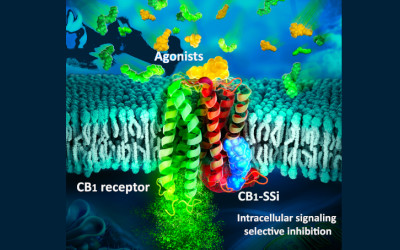

03/2017 | Eur J Endocrinol
Cabergoline for Cushing's disease: a large retrospective multicenter study.
Ferriere A, Cortet C, Chanson P, Delemer B, Caron P, Chabre O, Reznik Y, Bertherat J, Rohmer V, Briet C, Raingeard I, Castinetti F, Beckers A, Vroonen L, Maiter D, Cephise-Velayoudom FL, Nunes ML, Haissaguerre M, Tabarin A
doi: 10.1530/EJE-16-0662

Abstract:
OBJECTIVE: The efficacy of cabergoline in Cushing's disease (CD) is controversial. The aim of this study was to assess the efficacy and tolerability of cabergoline in a large contemporary cohort of patients with CD. DESIGN: We conducted a retrospective multicenter study from thirteen French and Belgian university hospitals. METHODS: Sixty-two patients with CD received cabergoline monotherapy or add-on therapy. Symptom score, biological markers of hypercortisolism and adverse effects were recorded. RESULTS: Twenty-one (40%) of 53 patients who received cabergoline monotherapy had normal urinary free cortisol (UFC) values within 12 months (complete responders), and five of these patients developed corticotropic insufficiency. The fall in UFC was associated with significant reductions in midnight cortisol and plasma ACTH, and with clinical improvement. Compared to other patients, complete responders had similar median baseline UFC (2.0 vs 2.5xULN) and plasma prolactin concentrations but received lower doses of cabergoline (1.5 vs 3.5 mg/week, P < 0.05). During long-term treatment (>12 months), cabergoline was withdrawn in 28% of complete responders because of treatment escape or intolerance. Overall, sustained control of hypercortisolism was obtained in 23% of patients for 32.5 months (19-105). Nine patients on steroidogenesis inhibitors received cabergoline add-on therapy for 19 months (1-240). Hypercortisolism was controlled in 56% of these patients during the first year of treatment with cabergoline at 1.0 mg/week (0.5-3.5). CONCLUSIONS: About 20-25% of CD patients are good responders to cabergoline therapy allowing long-term control of hypercortisolism at relatively low dosages and with acceptable tolerability. No single parameter, including the baseline UFC and prolactin levels, predicted the response to cabergoline.


Abstract:
The endocannabinoid system (ECS), including cannabinoid type 1 and type 2 receptors (CB1R and CB2R), endogenous ligands called endocannabinoids and their related enzymatic machinery, is known to have a role in the regulation of energy balance. Past information generated on the ECS, mainly focused on the involvement of this system in the central nervous system regulation of food intake, while at the same time clinical studies pointed out the therapeutic efficacy of brain-penetrant CB1R antagonists like rimonabant for obesity and metabolic disorders. Rimonabant was removed from the market in 2009 and its obituary written due to its psychiatric side effects. However, in the meanwhile a number of investigations had started to highlight the roles of the peripheral ECS in the regulation of metabolism, bringing up new hope that the ECS might still represent target for treatment. Accordingly, peripherally-restricted CB1R antagonists or inverse agonists have shown to effectively reduce body weight, adiposity, insulin resistance and dyslipidemia in obese animal models. Very recent investigations have further expanded the possible toolbox for the modulation of the ECS, by demonstrating the existence of endogenous allosteric inhibitors of CB1R, the characterization of the structure of the human CB1R, and the likely involvement of CB2R in metabolic disorders. Here we give an overview of these findings, discussing what the future may hold in the context of strategies targeting the ECS in metabolic disease.


Abstract:
KEY POINTS: Vagal sensory inputs transmit information from the viscera to brainstem neurones located in the nucleus tractus solitarii to set physiological parameters. These excitatory synapses exhibit a CB1 endocannabinoid-induced long-term depression (LTD) triggered by vagal fibre stimulation. We investigated the impact of nutritional status on long-term changes in this long-term synaptic plasticity. Food deprivation prevents LTD induction by disrupting CB1 receptor signalling. Short-term refeeding restores the capacity of vagal synapses to express LTD. Ghrelin and cholecystokinin, respectively released during fasting and refeeding, play a key role in the control of LTD via the activation of energy sensing pathways such as AMPK and the mTOR and ERK pathways. ABSTRACT: Communication form the viscera to the brain is essential to set physiological homoeostatic parameters but also to drive more complex behaviours such as mood, memory and emotional states. Here we investigated the impact of the nutritional status on long-term changes in excitatory synaptic transmission in the nucleus tractus solitarii, a neural hub integrating visceral signals. These excitatory synapses exhibit a CB1 endocannabinoid (eCB)-induced long-term depression (LTD) triggered by vagal fibre stimulation. Since eCB signalling is known to be an important component of homoeostatic regulation of the body and is regulated during various stressful conditions, we tested the hypothesis that food deprivation alters eCB signalling in central visceral afferent fibres. Food deprivation prevents eCB-LTD induction due to the absence of eCB signalling. This loss was reversed by blockade of ghrelin receptors. Activation of the cellular fuel sensor AMP-activated protein kinase or inhibition of the mechanistic target of rapamycin pathway abolished eCB-LTD in free-fed rats. Signals associated with energy surfeit, such as short-term refeeding, restore eCB-LTD induction, which in turn requires activation of cholecystokinin receptors and the extracellular signal-regulated kinase pathway. These data suggest a tight link between eCB-LTD in the NTS and nutritional status and shed light on the key role of eCB in the integration of visceral information.


01/02/2017 | Endocrinology
Islet Endothelial Cell: Friend and Foe.
Mazier W, Cota D
doi: 10.1210/en.2016-1925


02/2017 | J Med Genet
Risk assessment of maternally inherited SDHD paraganglioma and phaeochromocytoma.
Burnichon N, Mazzella JM, Drui D, Amar L, Bertherat J, Coupier I, Delemer B, Guilhem I, Herman P, Kerlan V, Tabarin A, Wion N, Lahlou-Laforet K, Favier J, Gimenez-Roqueplo AP
doi: 10.1136/jmedgenet-2016-104297

Abstract:
BACKGROUND: Germline mutations in the SDHD tumour suppressor gene (11q23.1) predispose to phaeochromocytomas and paragangliomas (PPGL) mainly on a paternal transmission. However, PPGL have been recently reported in three carriers of a maternally inherited SDHD mutation. OBJECTIVE: To assess the risk of PPGL occurrence on maternal transmission of SDHD mutation. METHODS: Pedigrees of 80 SDHD-related families have been reviewed. 35 asymptomatic subjects carrying a maternally transmitted SDHD mutation were identified. 20 of them accepted to benefit from a PPGL imaging screening. RESULTS: A unique histologically proven biochemically negative phaeochromocytoma has been diagnosed in a 35-year-old woman. Molecular investigations carried out on tumour tissue revealed that the loss of heterozygosity encompassed the paternally derived q arm and the maternally derived p arm of chromosome 11. CONCLUSIONS: This study demonstrates that the risk of developing PPGL for a subject carrying a germline SDHD mutation on the maternal allele remains a rare scenario but does exist. Our data suggest an adjustment of current genetic counselling and clinical care recommendations for at-risk subjects. A targeted familial genetic test should be proposed from the age of 18 years to every subject having a mother carrying a germline SDHD mutation and a first medical workup, including imaging, should be recommended to SDHD-positive mutation carriers.


10/01/2017 | arthritis res ther
High body mass index in rheumatoid arthritis: why we should promote physical activity.
Hugo M, Mehsen-Cetre N, Pierreisnard A, Pupier E, Cherifi B, Schaeverbeke T, Rigalleau V
doi: 10.1186/s13075-016-1209-5


2017 | PLoS ONE
Lifestyle intervention program in deprived obese adult patients and their non-deprived counterparts.
Loddo C, Pupier E, Amour R, Monsaingeon-Henry M, Mohammedi K, Gatta-Cherifi B
doi: 10.1371/journal.pone.0188297

Abstract:
INTRODUCTION: Although it is known that the prevalence of obesity is high in deprived patients, the link between deprivation and obesity, and the impact of deprivation on compliance and efficacy of a lifestyle intervention program are not known. MATERIALS AND METHODS: Deprivation was assessed in 40 patients (23 Females, mean+/-SD age: 49+/-17 years) from the diabetology department and 140 patients (101 Females, age: 50+/-15 years) from the nutrition department of Bordeaux University hospital. Eighty-seven patients suffering from obesity were evaluated before and after a tailored, multidisciplinary lifestyle intervention. Deprivation was assessed using EPICES scores. Deprivation was defined with an EPICES score > 30. RESULTS: Deprived patients suffering from obesity had significantly higher current (43.8 +/-8.4 versus 40.9 +/- 5.5 kg/m2, p = 0,02) and maximal BMI (46.1+/- 8.6 versus 42.3+/- 5.2 kg/m2, p = 0.002) compared to non-deprived obese. Percentage of body weight loss was not different according to deprivation (4.74 +/- 0.75 versus 4.65 +/- 1.04%, p = 0.9). EPICES scores were not different according to adherence to lifestyle intervention program (20.5 +/- 8.5 versus 29.9 +/- 3.9 versus 29.0 +/-2.5, no follow up versus partial follow up versus total follow up, p = 0,58). CONCLUSION: Deprived patients suffering from obesity have a more serious disease than non-deprived patients. However, neither compliance to the lifestyle intervention program nor body weight loss differed between deprived patients with obesity and non-deprived ones. Deprivation should not be a limitation when enrolling patients with obesity in lifestyle intervention programs.


30/11/2016 | Diabetes
Inhibiting Microglia Expansion Prevents Diet-induced Hypothalamic and Peripheral Inflammation.
Andre C, Guzman-Quevedo O, Rey C, Remus-Borel J, Clark S, Castellanos-Jankiewicz A, Ladeveze E, Leste-Lasserre T, Nadjar A, Abrous DN, Laye S, Cota D
doi: 10.2337/db16-0586

Abstract:
Cell proliferation and neuroinflammation in the adult hypothalamus may contribute to the pathogenesis of obesity. Here we tested whether the intertwining of these two processes has a role in the metabolic changes caused by three weeks of saturated high-fat diet (HFD) consumption.As compared to chow, HFD-fed mice rapidly increased body weight and fat mass, and specifically showed increased microglia number in the arcuate nucleus (ARC) of the hypothalamus. Microglia expansion required the adequate presence of fats and carbohydrates in the diet, since feeding mice a very high-fat, very low-carbohydrate diet did not affect cell proliferation. Blocking HFD-induced cell proliferation by central delivery of the antimitotic drug arabinofuranosyl cytidine (AraC) blunted food intake, body weight gain and adiposity. AraC treatment completely prevented the increase in the number of activated microglia in the ARC, the expression of the pro-inflammatory cytokine TNFalpha in microglia and the recruitment of the NF-kappaB pathway, while restoring hypothalamic leptin sensitivity. Central blockade of cell proliferation also normalized circulating levels of the cytokines leptin and IL-1beta and decreased peritoneal pro-inflammatory CD86-IR macrophages number.These findings suggest that inhibition of diet-dependent microglia expansion hinders body weight gain while preventing central and peripheral inflammatory responses due to caloric overload.


09/11/2016 | Nature
A cannabinoid link between mitochondria and memory.
Hebert-Chatelain E, Desprez T, Serrat R, Bellocchio L, Soria-Gomez E, Busquets-Garcia A, Zottola AC, Delamarre A, Cannich A, Vincent P, Varilh M, Robin LM, Terral G, Garcia-Fernandez MD, Colavita M, Mazier W, Drago F, Puente N, Reguero L, Elezgarai I, Dupuy JW, Cota D, Lopez-Rodriguez ML, Barreda-Gomez G, Massa F, Grandes P, Benard G, Marsicano G
doi: 10.1038/nature20127

Abstract:
Cellular activity in the brain depends on the high energetic support provided by mitochondria, the cell organelles which use energy sources to generate ATP. Acute cannabinoid intoxication induces amnesia in humans and animals, and the activation of type-1 cannabinoid receptors present at brain mitochondria membranes (mtCB1) can directly alter mitochondrial energetic activity. Although the pathological impact of chronic mitochondrial dysfunctions in the brain is well established, the involvement of acute modulation of mitochondrial activity in high brain functions, including learning and memory, is unknown. Here, we show that acute cannabinoid-induced memory impairment in mice requires activation of hippocampal mtCB1 receptors. Genetic exclusion of CB1 receptors from hippocampal mitochondria prevents cannabinoid-induced reduction of mitochondrial mobility, synaptic transmission and memory formation. mtCB1 receptors signal through intra-mitochondrial Galphai protein activation and consequent inhibition of soluble-adenylyl cyclase (sAC). The resulting inhibition of protein kinase A (PKA)-dependent phosphorylation of specific subunits of the mitochondrial electron transport system eventually leads to decreased cellular respiration. Hippocampal inhibition of sAC activity or manipulation of intra-mitochondrial PKA signalling or phosphorylation of the Complex I subunit NDUFS2 inhibit bioenergetic and amnesic effects of cannabinoids. Thus, the G protein-coupled mtCB1 receptors regulate memory processes via modulation of mitochondrial energy metabolism. By directly linking mitochondrial activity to memory formation, these data reveal that bioenergetic processes are primary acute regulators of cognitive functions.


10/2016 | Ann Endocrinol (Paris)
[Obesities: What's new in 2016?]
Gatta-Cherifi B
doi: 10.1016/S0003-4266(17)30075-6

Abstract:
Since 1997, the World Health Organisation considered obesity, defined as an excess of fat mass, as a disease. Many plans have been set up to fight against obesity in industrialised countries. However, the prevalence of obesity is still increasing. The goal of this paper is to report some of the major scientific publications in terms of epidemiology, physiopathology or therapeutic in the field of obersity mainly published during year 2015-2016 or presented at ENDO meeting 2016.


11/08/2016 | Cell
Astrocytic Insulin Signaling Couples Brain Glucose Uptake with Nutrient Availability.
Garcia-Caceres C, Quarta C, Varela L, Gao Y, Gruber T, Legutko B, Jastroch M, Johansson P, Ninkovic J, Yi CX, Le Thuc O, Szigeti-Buck K, Cai W, Meyer CW, Pfluger PT, Fernandez AM, Luquet S, Woods SC, Torres-Aleman I, Kahn CR, Gotz M, Horvath TL, Tschop MH
doi: 10.1016/j.cell.2016.07.028

Abstract:
We report that astrocytic insulin signaling co-regulates hypothalamic glucose sensing and systemic glucose metabolism. Postnatal ablation of insulin receptors (IRs) in glial fibrillary acidic protein (GFAP)-expressing cells affects hypothalamic astrocyte morphology, mitochondrial function, and circuit connectivity. Accordingly, astrocytic IR ablation reduces glucose-induced activation of hypothalamic pro-opio-melanocortin (POMC) neurons and impairs physiological responses to changes in glucose availability. Hypothalamus-specific knockout of astrocytic IRs, as well as postnatal ablation by targeting glutamate aspartate transporter (GLAST)-expressing cells, replicates such alterations. A normal response to altering directly CNS glucose levels in mice lacking astrocytic IRs indicates a role in glucose transport across the blood-brain barrier (BBB). This was confirmed in vivo in GFAP-IR KO mice by using positron emission tomography and glucose monitoring in cerebral spinal fluid. We conclude that insulin signaling in hypothalamic astrocytes co-controls CNS glucose sensing and systemic glucose metabolism via regulation of glucose uptake across the BBB.


08/2016 | Eur J Endocrinol
Management of adrenal incidentalomas: European Society of Endocrinology Clinical Practice Guideline in collaboration with the European Network for the Study of Adrenal Tumors.
Fassnacht M, Arlt W, Bancos I, Dralle H, Newell-Price J, Sahdev A, Tabarin A, Terzolo M, Tsagarakis S, Dekkers OM
doi: 10.1530/EJE-16-0467

Abstract:
: By definition, an adrenal incidentaloma is an asymptomatic adrenal mass detected on imaging not performed for suspected adrenal disease. In most cases, adrenal incidentalomas are nonfunctioning adrenocortical adenomas, but may also represent conditions requiring therapeutic intervention (e.g. adrenocortical carcinoma, pheochromocytoma, hormone-producing adenoma or metastasis). The purpose of this guideline is to provide clinicians with best possible evidence-based recommendations for clinical management of patients with adrenal incidentalomas based on the GRADE (Grading of Recommendations Assessment, Development and Evaluation) system. We predefined four main clinical questions crucial for the management of adrenal incidentaloma patients, addressing these four with systematic literature searches: (A) How to assess risk of malignancy?; (B) How to define and manage low-level autonomous cortisol secretion, formerly called 'subclinical' Cushing's syndrome?; (C) Who should have surgical treatment and how should it be performed?; (D) What follow-up is indicated if the adrenal incidentaloma is not surgically removed? SELECTED RECOMMENDATIONS: (i) At the time of initial detection of an adrenal mass establishing whether the mass is benign or malignant is an important aim to avoid cumbersome and expensive follow-up imaging in those with benign disease. (ii) To exclude cortisol excess, a 1mg overnight dexamethasone suppression test should be performed (applying a cut-off value of serum cortisol </=50nmol/L (1.8microg/dL)). (iii) For patients without clinical signs of overt Cushing's syndrome but serum cortisol levels post 1mg dexamethasone >138nmol/L (>5microg/dL), we propose the term 'autonomous cortisol secretion'. (iv) All patients with '(possible) autonomous cortisol' secretion should be screened for hypertension and type 2 diabetes mellitus, to ensure these are appropriately treated. (v) Surgical treatment should be considered in an individualized approach in patients with 'autonomous cortisol secretion' who also have comorbidities that are potentially related to cortisol excess. (vi) In principle, the appropriateness of surgical intervention should be guided by the likelihood of malignancy, the presence and degree of hormone excess, age, general health and patient preference. (vii) Surgery is not usually indicated in patients with an asymptomatic, nonfunctioning unilateral adrenal mass and obvious benign features on imaging studies. We provide guidance on which surgical approach should be considered for adrenal masses with radiological findings suspicious of malignancy. Furthermore, we offer recommendations for the follow-up of patients with adrenal incidentaloma who do not undergo adrenal surgery, for those with bilateral incidentalomas, for patients with extra-adrenal malignancy and adrenal masses and for young and elderly patients with adrenal incidentalomas.


07/2016 | eur j nucl med mol imaging
Evaluation of (68)Ga-DOTA-TOC PET/CT for the detection of duodenopancreatic neuroendocrine tumors in patients with MEN1.
Morgat C, Velayoudom-Cephise FL, Schwartz P, Guyot M, Gaye D, Vimont D, Schulz J, Mazere J, Nunes ML, Smith D, Hindie E, Fernandez P, Tabarin A
doi: 10.1007/s00259-016-3319-3

Abstract:
CONTEXT: Somatostatin receptor scintigraphy with (111)In-pentetreotide (SRS) is used to detect duodenopancreatic neuroendocrine tumors (dpNETs) in multiple endocrine neoplasia type 1 (MEN1). However, SRS has limited sensitivity for this purpose. Positron emission tomography/computed tomography (PET/CT) with (68)Ga-DOTA-TOC has a higher rate of sporadic dpNETs detection than SRS but there is little data for dpNETs detection in MEN1. PURPOSE: To compare the performances of (68)Ga-DOTA-TOC PET/CT, SRS and contrast-enhanced computed tomography (CE-CT) to diagnose dpNETs in MEN1. DESIGN AND SETTING: Single-institution prospective comparative study PATIENTS AND METHODS: Nineteen consecutive MEN1 patients (aged 47 +/- 13 years) underwent (68)Ga-DOTA-TOC PET/CT, SRS, and CE-CT within 2 months in random order. Blinded readings of images were performed separately by experienced physicians. Unblinded analysis of CE-CT, combined with additional magnetic resonance imaging, endoscopic-ultrasound, (18)F-2-fluoro-deoxy-D-glucose ((18)F-FDG) PET/CT or histopathology results served as reference standard for dpNETs diagnosis. RESULTS: The sensitivity of (68)Ga-DOTA-TOC PET/CT, SRS, and CE-CT was 76, 20, and 60 %, respectively (p < 0.0001). All the true-positive lesions detected by SRS were also depicted on (68)Ga-DOTA-TOC PET/CT. (68)Ga-DOTA-TOC PET/CT detected lesions of smaller size than SRS (10.7 +/- 7.6 and 15.2 +/- 5.9 mm, respectively, p < 0.03). False negatives of (68)Ga-DOTA-TOC PET/CT included small dpNETs (<10 mm) and (18)F-FDG PET/CT positive aggressive dpNETs. No false positives were recorded. In addition, whole-body mapping with (68)Ga-DOTA-TOC PET/CT identified extra-abdominal MEN1-related tumors including one neuroendocrine thymic carcinoma identified by the three imaging procedures, one bronchial carcinoid undetected by CE-CT and three meningiomas undetected by SRS. CONCLUSIONS: Owing to higher diagnostic performance, (68)Ga-DOTA-TOC PET/CT (or alternative (68)Ga-labeled somatostatin analogues) should replace (111)In-pentetreotide in the investigation of MEN1 patients.


Abstract:
Aldosterone/renin ratio (ARR) identifies patients at high or low risk of primary aldosteronism (PA), but sensitivity and especially specificity are suboptimal and confirmatory testing may therefore be necessary, in some but not all patients. In patients with elevated ARR and plasma aldosterone concentration above 550pmol/L (20ng/dL) on two assessments, PA can be diagnosed without confirmatory testing. Conversely, PA can be ruled out without confirmatory testing in patients with normal ARR and plasma aldosterone concentration below 240pmol/L (9ng/dL) on two assessments. In patients not corresponding to either of the previous conditions, dynamic confirmatory testing is mandatory. Several tests are available, based on aldosterone suppression by saline loading, fludrocortisone administration or converting enzyme inhibition by captopril. One test is based on renin stimulation by furosemide administration. Each of these tests has its limitations, and validation is incomplete. We recommend aldosterone suppression by saline infusion test. Renin stimulation by captopril may be used if sodium loading is contraindicated by impaired cardiac function.


26/05/2016 | Neuroscience
Glucose and hypothalamic astrocytes: More than a fueling role?
Leloup C, Allard C, Carneiro L, Fioramonti X, Collins S, Penicaud L
doi: 10.1016/j.neuroscience.2015.06.007

Abstract:
Brain plays a central role in energy homeostasis continuously integrating numerous peripheral signals such as circulating nutrients, and in particular blood glucose level, a variable that must be highly regulated. Then, the brain orchestrates adaptive responses to modulate food intake and peripheral organs activity in order to achieve the fine tuning of glycemia. More than fifty years ago, the presence of glucose-sensitive neurons was discovered in the hypothalamus, but what makes them specific and identifiable still remains disconnected from their electrophysiological signature. On the other hand, astrocytes represent the major class of macroglial cells and are now recognized to support an increasing number of neuronal functions. One of these functions consists in the regulation of energy homeostasis through neuronal fueling and nutrient sensing. Twenty years ago, we discovered that the glucose transporter GLUT2, the canonical 'glucosensor' of the pancreatic beta-cell together with the glucokinase, was also present in astrocytes and participated in hypothalamic glucose sensing. Since then, many studies have identified other actors and emphasized the astroglial participation in this mechanism. Growing evidence suggest that astrocytes form a complex network and have to be considered as spatially coordinated and regulated metabolic units. In this review we aim to provide an updated view of the molecular and respective cellular pathways involved in hypothalamic glucose sensing, and their relevance in physiological and pathological states.


10/05/2016 | Cell Metab
Extranuclear Actions of the Androgen Receptor Enhance Glucose-Stimulated Insulin Secretion in the Male.
Navarro G, Xu W, Jacobson DA, Wicksteed B, Allard C, Zhang G, De Gendt K, Kim SH, Wu H, Zhang H, Verhoeven G, Katzenellenbogen JA, Mauvais-Jarvis F
doi: 10.1016/j.cmet.2016.03.015

Abstract:
Although men with testosterone deficiency are at increased risk for type 2 diabetes (T2D), previous studies have ignored the role of testosterone and the androgen receptor (AR) in pancreatic ? cells. We show that male mice lacking AR in ? cells (?ARKO) exhibit decreased glucose-stimulated insulin secretion (GSIS), leading to glucose intolerance. The AR agonist dihydrotestosterone (DHT) enhances GSIS in cultured male islets, an effect that is abolished in ?ARKO(-/y) islets and human islets treated with an AR antagonist. In ? cells, DHT-activated AR


05/2016 | Diabetologia
Renaissance of leptin for obesity therapy.
Quarta C, Sanchez-Garrido MA, Tschop MH, Clemmensen C
doi: 10.1007/s00125-016-3906-7

Abstract:
Diet-induced obesity and its metabolic comorbidities constitute an overwhelming health crisis and there is an urgent need for safe and effective pharmacological interventions. Being largely shelved for decades, scientists are now revisiting the anti-obesity virtues of leptin. Whereas it remains evident that leptin as a stand-alone therapy is not an effective approach, the potential for employing sensitising pharmacology to unleash the weight-lowering properties of leptin has injected new hope into the field. Fascinatingly, these leptin-sensitising agents seem to act via distinct metabolic pathways and may thus, in parallel with their clinical development, serve as important research tools to progress our understanding of the molecular, physiological and behavioural pathways underlying energy homeostasis and obesity pathophysiology. This review summarises a presentation given at the 'Is leptin coming back?' symposium at the 2015 annual meeting of the EASD. It is accompanied by two other reviews on topics from this symposium (by Thomas Meek and Gregory Morton, DOI: 10.1007/s00125-016-3898-3 , and by Gerald Shulman and colleagues, DOI: 10.1007/s00125-016-3909-4 ) and an overview by the Session Chair, Ulf Smith (DOI: 10.1007/s00125-016-3894-7 ).


29/02/2016 | Nat Commun
Hypothalamic leptin action is mediated by histone deacetylase 5.
Kabra DG, Pfuhlmann K, Garcia-Caceres C, Schriever SC, Casquero Garcia V, Kebede AF, Fuente-Martin E, Trivedi C, Heppner K, Uhlenhaut NH, Legutko B, Kabra UD, Gao Y, Yi CX, Quarta C, Clemmensen C, Finan B, Muller TD, Meyer CW, Paez-Pereda M, Stemmer K, Woods SC, Perez-Tilve D, Schneider R, Olson EN, Tschop MH, Pfluger PT
doi: 10.1038/ncomms10782

Abstract:
Hypothalamic leptin signalling has a key role in food intake and energy-balance control and is often impaired in obese individuals. Here we identify histone deacetylase 5 (HDAC5) as a regulator of leptin signalling and organismal energy balance. Global HDAC5 KO mice have increased food intake and greater diet-induced obesity when fed high-fat diet. Pharmacological and genetic inhibition of HDAC5 activity in the mediobasal hypothalamus increases food intake and modulates pathways implicated in leptin signalling. We show HDAC5 directly regulates STAT3 localization and transcriptional activity via reciprocal STAT3 deacetylation at Lys685 and phosphorylation at Tyr705. In vivo, leptin sensitivity is substantially impaired in HDAC5 loss-of-function mice. Hypothalamic HDAC5 overexpression improves leptin action and partially protects against HFD-induced leptin resistance and obesity. Overall, our data suggest that hypothalamic HDAC5 activity is a regulator of leptin signalling that adapts food intake and body weight to our dietary environment.


28/01/2016 | Cell
Epigenetic ON/OFF Switches for Obesity.
Quarta C, Schneider R, Tschop MH
doi: 10.1016/j.cell.2016.01.006

Abstract:
Heritable epigenetic mechanisms might contribute to the worldwide increase in the prevalence of obesity. Dalgaard et al. identify an epigenetic molecular switch that controls body weight control. The discovery suggests the existence of mammalian polyphenism in energy metabolism and might have implications for strategies to limit the obesity epidemic.


01/01/2016 | dis model mech
The cannabinoid CB1 receptor and mTORC1 signalling pathways interact to modulate glucose homeostasis in mice.
Bermudez-Silva FJ, Romero-Zerbo SY, Haissaguerre M, Ruz-Maldonado I, Lhamyani S, El Bekay R, Tabarin A, Marsicano G, Cota D
doi: 10.1242/dmm.020750

Abstract:
The endocannabinoid system (ECS) is an intercellular signalling mechanism that is present in the islets of Langerhans and plays a role in the modulation of insulin secretion and expansion of the beta-cell mass. The downstream signalling pathways mediating these effects are poorly understood. Mammalian target of rapamycin complex 1 (mTORC1) signalling is a key intracellular pathway involved in energy homeostasis and is known to importantly affect the physiology of pancreatic islets. We investigated the possible relationship between cannabinoid type 1 (CB1) receptor signalling and the mTORC1 pathway in the endocrine pancreas of mice by using pharmacological analysis as well as mice genetically lacking the CB1 receptor or the downstream target of mTORC1, the kinase p70S6K1. In vitro static secretion experiments on islets, western blotting, and in vivo glucose and insulin tolerance tests were performed. The CB1 receptor antagonist rimonabant decreased glucose-stimulated insulin secretion (GSIS) at 0.1 microM while increasing phosphorylation of p70S6K1 and ribosomal protein S6 (rpS6) within the islets. Specific pharmacological blockade of mTORC1 by 3 nM rapamycin, as well as genetic deletion of p70S6K1, impaired the CB1-antagonist-mediated decrease in GSIS. In vivo experiments showed that 3 mg/kg body weight rimonabant decreased insulin levels and induced glucose intolerance in lean mice without altering peripheral insulin sensitivity; this effect was prevented by peripheral administration of low doses of rapamycin (0.1 mg/kg body weight), which increased insulin sensitivity. These findings suggest a functional interaction between the ECS and the mTORC1 pathway within the endocrine pancreas and at the whole-organism level, which could have implications for the development of new therapeutic approaches for pancreatic beta-cell diseases.


2016 | Front Horm Res
Etiopathogeny of Primary Adrenal Hypercortisolism.
Velayoudom-Cephise FL, Haissaguerre M, Tabarin A
doi: 10.1159/000443863

Abstract:
Primary adrenal hypercortisolism is mainly due to cortisol-producing adrenocortical adenomas, bilateral micronodular or macronodular disease, and adrenal carcinomas. Important advances in the pathophysiology of primary adrenal hypercortisolism have been made in the last few years, partly through the use of new molecular biology tools. Most adrenal abnormalities leading to increased cortisol production involve somatic or germinal mutations of genes encoding elements of the cyclic AMP/protein kinase A signaling pathway, as shown in adrenal adenomas in 2014. One peculiar condition is primary macronodular adrenal hyperplasia (PMAH), which has given rise to new pathophysiological concepts such as regulation of cortisol secretion by illegitimate ligands through aberrant expression of G protein-coupled transmembrane receptors in adrenal nodules and stimulation of cortisol production by local adrenocorticotropic hormone production through autocrine/paracrine mechanisms. These findings provide a basis for the development of targeted therapies as an alternative to surgery. The recent identification of germinal mutations of ARMC5 in PMAH raises the possibility that this is much more frequently an inherited disease than previously suspected. It also offers the possibility of earlier diagnosis of PMAH by genetic screening and, hopefully, of earlier intervention to prevent the onset of hypercortisolism and its complications. The pathophysiology of Cushing's syndrome associated with a subset of adrenal adenomas, including subclinical cortisol-secreting incidentalomas and adrenal carcinomas, remains to be determined.


Abstract:
Exercise represents a potent physiological stimulus upon the hypothalamo-pituitary adrenal (HPA) axis. Two major factors modulate the HPA axis response to exercise: intensity and duration. Endurance training per se does not induce permanent hypercortisolism as endurance-trained subjects have similar biological markers of HPA axis activity in resting condition as healthy untrained men. However, during a challenge of the HPA axis, endurance-trained subjects demonstrate an adaptation of the HPA axis activity to repeated exercise resulting from decreased tissular sensitivity to glucocorticoids. A great diversity of other mechanisms is involved in this adaptation, acting potentially at all levels in the cascade and leading to the biological effects of cortisol.


12/2015 | J Clin Endocrinol Metab
Unilateral Adrenalectomy as a First-Line Treatment of Cushing's Syndrome in Patients With Primary Bilateral Macronodular Adrenal Hyperplasia.
Debillon E, Velayoudom-Cephise FL, Salenave S, Caron P, Chaffanjon P, Wagner T, Massoutier M, Lambert B, Benoit M, Young J, Tabarin A, Chabre O
doi: 10.1210/jc.2015-2662

Abstract:
CONTEXT: Bilateral adrenalectomy is the reference treatment for Cushing's syndrome (CS) related to primary bilateral macronodular adrenal hyperplasia (PBMAH). It is, however, responsible for definitive adrenal insufficiency. OBJECTIVE: The objective of the study was to evaluate the clinical interest of unilateral adrenalectomy (UA) of the larger gland for the treatment of CS related to PBMAH. DESIGN, SETTING, PATIENTS, AND INTERVENTION: This was a retrospective study in four tertiary French centers including all 15 patients with PBMAH and CS who underwent UA of the larger gland between 2001 and 2015. MAIN OUTCOME MEASURES: Urinary free cortisol, plasma cortisol, ACTH, body mass index, blood pressure, plasma glucose, and lipids were registered pre- and postoperatively and on follow-up. Median follow-up was 60 months (interquartile range 39-105), including 8 of 15 patients followed up for at least 5 years. RESULTS: A normal or low urinary free cortisol was obtained in 15 of 15 patients (100%) postoperatively. Six patients (40%) became adrenal insufficient, of whom three of six recovered a quantitatively normal cortisol secretion on follow-up. Decrease of both body mass index and blood pressure were observed at 1 year, and decrease of blood pressure was persistent 5 years postoperatively. Diabetes was cured in four of six patients. Two patients experienced a recurrence of hypercortisolism, and one was treated with mitotane, whereas the other underwent a second adrenal surgery 9 years after initial UA. CONCLUSION: UA induced remission of hypercortisolism in all patients, with sustained significant clinical improvement. The rates of both definitive adrenal insufficiency and 5-year recurrence were low. UA appears an interesting alternative to bilateral adrenalectomy as a first-line treatment in PBMAH responsible for overt CS.


10/2015 | Trends Endocrin Met
The Endocannabinoid System: Pivotal Orchestrator of Obesity and Metabolic Disease.
Mazier W*, Saucisse N*, Cherifi-Gatta B, Cota D
doi: 10.1016/j.tem.2015.07.007

Abstract:
The endocannabinoid system (ECS) functions to adjust behavior and metabolism according to environmental changes in food availability. Its actions range from the regulation of sensory responses to the development of preference for the consumption of calorically-rich food and control of its metabolic handling. ECS activity is beneficial when access to food is scarce or unpredictable. However, when food is plentiful, the ECS favors obesity and metabolic disease. We review recent advances in understanding the roles of the ECS in energy balance, and discuss newly identified mechanisms of action that, after the withdrawal of first generation cannabinoid type 1 (CB1) receptor antagonists for the treatment of obesity, have made the ECS once again an attractive target for therapy.


10/2015 | ann oncol
Prognostic factors in stage III-IV adrenocortical carcinomas (ACC): an European Network for the Study of Adrenal Tumor (ENSAT) study.
Libe R, Borget I, Ronchi CL, Zaggia B, Kroiss M, Kerkhofs T, Bertherat J, Volante M, Quinkler M, Chabre O, Bala M, Tabarin A, Beuschlein F, Vezzosi D, Deutschbein T, Borson-Chazot F, Hermsen I, Stell A, Fottner C, Leboulleux S, Hahner S, Mannelli M, Berruti A, Haak H, Terzolo M, Fassnacht M, Baudin E
doi: 10.1093/annonc/mdv329

Abstract:
BACKGROUND: The clinical course of advanced adrenocortical carcinoma (ACC) is heterogeneous. Our study aimed primarily to refine and make headway in the prognostic stratification of advanced ACC. PATIENTS AND METHODS: Patients with advanced ENSAT ACC (stage III or stage IV) at diagnosis registered between 2000 and 2009 in the ENSAT database were enrolled. The primary end point was overall survival (OS). Parameters of potential prognostic relevance were selected. Univariate and multivariate analyses were carried out: model 1 'before surgery'; model 2 'post-surgery'. RESULTS: Four hundred and forty-four patients with advanced ENSAT ACC (stage III: 210; stage IV: 234) were analyzed. After a median follow-up of 55.2 months, the median OS was 24 months. A modified ENSAT (mENSAT) classification was validated: stage III (invasion of surrounding tissues/organs or the vena renalis/cava) and stage IVa, IVb, IVc (2, 3 or >3 metastatic organs, including N, respectively). Two- or 5-year OS was 73%, 46%, 26% and 15% or 50%, 15%, 14% and 2% for stages III, IVa, IVb and IVc, respectively. In the multivariate analysis, mENSAT stages (stages IVa, IVb, or IVc, respectively) were significantly correlated with OS (P < 0.0001), as well as additional parameters: age >/= 50 years (P < 0.0001), tumor- or hormone-related symptoms (P = 0.01 and 0.03, respectively) in model 1 but also the R status (P = 0.001) and Grade (Weiss >6 and/or Ki67 >/= 20%, P = 0.06) in model 2. CONCLUSION: The mENSAT classification and GRAS parameters (Grade, R status, Age and Symptoms) were found to best stratify the prognosis of patients with advanced ACC.


Abstract:
BACKGROUND & AIMS: Relatively high-protein diets are effective for body weight loss, and subsequent weight maintenance, yet it remains to be shown whether these diets would prevent a positive energy balance. Therefore, high-protein diet studies at a constant body weight are necessary. The objective was to determine fullness, energy expenditure, and macronutrient balances on a high-protein low-carbohydrate (HPLC) diet compared with a high-carbohydrate low-protein (HCLP) diet at a constant body weight, and to assess whether effects are transient or sustained after 12 weeks. METHODS: A randomized parallel study was performed in 14 men and 18 women [mean +/- SD age: 24 +/- 5 y; BMI (in kg/m(2)): 22.8 +/- 2.0] on diets containing 30/35/35 (HPLC) or 5/60/35 (HCLP) % of energy from protein/carbohydrate/fat. RESULTS: Significant interactions between dietary intervention and time on total energy expenditure (TEE) (P = 0.013), sleeping metabolic rate (SMR) (P = 0.040), and diet-induced thermogenesis (DIT) (P = 0.027) appeared from baseline to wk 12. TEE was maintained in the HPLC diet group, while it significantly decreased throughout the intervention period in the HCLP diet group (wk 1: P = 0.002; wk 12: P = 0.001). Energy balance was maintained in the HPLC diet group, and became positive in the HCLP diet group at wk 12 (P = 0.008). Protein balance varied directly according to the amount of protein in the diet, and diverged significantly between the diets (P = 0.001). Fullness ratings were significantly higher in the HPLC vs. the HCLP diet group at wk 1 (P = 0.034), but not at wk 12. CONCLUSIONS: Maintenance of energy expenditure on HPLC vs. HCLP diets at a constant body weight may prevent development of a positive energy balance, despite transiently higher fullness. The study was registered on clinicaltrials.gov with Identifier: NCT01551238.


Abstract:
Within the past 15 years, the endocannabinoid system (ECS) has emerged as a lipid signaling system critically involved in the regulation of energy balance, as it exerts a regulatory control on every aspect related to the search, the intake, the metabolism and the storage of calories. An overactive endocannabinoid cannabinoid type 1 (CB1) receptor signaling promotes the development of obesity, insulin resistance and dyslipidemia, representing a valuable pharmacotherapeutic target for obesity and metabolic disorders. However, because of the psychiatric side effects, the first generation of brain-penetrant CB1 receptor blockers developed as antiobesity treatment were removed from the European market in late 2008. Since then, recent studies have identified new mechanisms of action of the ECS in energy balance and metabolism, as well as novel ways of targeting the system that may be efficacious for the treatment of obesity and metabolic disorders. These aspects will be especially highlighted in this review.International Journal of Obesity advance online publication, 6 October 2015; doi:10.1038/ijo.2015.179.


Abstract:
BACKGROUND: Serum cortisol is routinely quantified by immunoassays. In intensive care units serum free cortisol (FC) determination has been described as a better indicator of survival than total cortisol (TC). To estimate FC different methods are available including saliva sampling. We compared five methods to estimate FC, before and after an ACTH stimulating test in patients suspected of adrenal insufficiency. METHOD: Serum and saliva was collected from 130 patients from the Endocrine Department of a university hospital before and after tetracosactide injection for TC determination. FC was estimated: after serum ultrafiltration, quadratic (Coolens') or cubic (Dorin's) equations, using TC/cortisol-binding globulin concentrations ratio or using cortisol concentration determination in saliva. RESULTS: FC concentrations obtained by different techniques were significantly correlated and Passing-Bablok regressions showed no deviation from linearity between salFC and filtFC or quadFC. Using the routine assumption that the patients were correctly diagnosed using a post-tetracosactide TC threshold of 550 nmol/L the FC methods generating the best ROC curves were salFC and filtFC or cubFC 30 min after tetracosactide injection. CONCLUSIONS: FC concentrations obtained by different techniques are significantly but not similarly correlated with TC. As, salFC and filtFC are more convenient to perform than methods involving CBG assays and are better correlated to TC during tetracosactide tests they may be preferred as FC surrogate assays.


08/2015 | J Clin Endocrinol Metab
Treatment of Cushing's Syndrome: An Endocrine Society Clinical Practice Guideline.
Nieman LK, Biller BM, Findling JW, Murad MH, Newell-Price J, Savage MO, Tabarin A
doi: 10.1210/jc.2015-1818

Abstract:
OBJECTIVE: The objective is to formulate clinical practice guidelines for treating Cushing's syndrome. PARTICIPANTS: Participants include an Endocrine Society-appointed Task Force of experts, a methodologist, and a medical writer. The European Society for Endocrinology co-sponsored the guideline. EVIDENCE: The Task Force used the Grading of Recommendations, Assessment, Development, and Evaluation system to describe the strength of recommendations and the quality of evidence. The Task Force commissioned three systematic reviews and used the best available evidence from other published systematic reviews and individual studies. CONSENSUS PROCESS: The Task Force achieved consensus through one group meeting, several conference calls, and numerous e-mail communications. Committees and members of The Endocrine Society and the European Society of Endocrinology reviewed and commented on preliminary drafts of these guidelines. CONCLUSIONS: Treatment of Cushing's syndrome is essential to reduce mortality and associated comorbidities. Effective treatment includes the normalization of cortisol levels or action. It also includes the normalization of comorbidities via directly treating the cause of Cushing's syndrome and by adjunctive treatments (eg, antihypertensives). Surgical resection of the causal lesion(s) is generally the first-line approach. The choice of second-line treatments, including medication, bilateral adrenalectomy, and radiation therapy (for corticotrope tumors), must be individualized to each patient.


05/2015 | j nucl med
The role of radionuclide imaging in the surgical management of primary hyperparathyroidism.
Hindie E, Zanotti-Fregonara P, Tabarin A, Rubello D, Morelec I, Wagner T, Henry JF, Taieb D
doi: 10.2967/jnumed.115.156018

Abstract:
Primary hyperparathyroidism is a frequent and potentially debilitating endocrine disorder for which surgery is the only curative treatment. The modalities of parathyroid surgery have changed over the last 2 decades, as conventional bilateral neck exploration is no longer the only surgical approach. Parathyroid scintigraphy plays a major role in defining the surgical strategy, given its ability to orient a targeted (focused) parathyroidectomy and to recognize ectopic locations or multiglandular disease. This review, which represents a collaborative effort between nuclear physicians, endocrinologists, and endocrine surgeons, emphasizes the importance of performing imaging before any surgery for primary hyperparathyroidism, even in the case of conventional bilateral neck exploration. We discuss the advantages and drawbacks of targeted parathyroidectomy and the performance of various scintigraphic protocols to guide limited surgery. We also discuss the optimal strategy to localize the offending gland before reoperation for persistent or recurrent hyperparathyroidism. Finally, we describe the potential applications of novel PET tracers, with special emphasis on (18)F-fluorocholine.


04/2015 | Obesity (Silver Spring)
The role of androgens in metabolism, obesity, and diabetes in males and females.
Navarro G, Allard C, Xu W, Mauvais-Jarvis F
doi: 10.1002/oby.21033

Abstract:
OBJECTIVE: In men, androgen deprivation contributes to the development of metabolic syndrome and type 2 diabetes (T2D). In women, androgen excess predisposes to insulin resistance and T2D. There is a bidirectional modulation of glucose homeostasis by androgens in males and females that is analyzed in this review. METHODS: We reviewed the literature in both rodents and humans on the role of androgens and the androgen receptor (AR) in the control of glucose and energy metabolism in health, obesity, and T2D. RESULTS: Sex-specific activation of AR in the hypothalamus, skeletal muscle, liver, adipose tissue, and pancreatic islet beta-cells accounts for maintenance or disruption in energy metabolism and glucose homeostasis. CONCLUSIONS: We argue that AR is a target to prevent androgen-related metabolic disorders.


04/2015 | J Clin Endocrinol Metab
MEN1 disease occurring before 21 years old: a 160-patient cohort study from the Groupe d'etude des Tumeurs Endocrines.
Goudet P, Dalac A, Le Bras M, Cardot-Bauters C, Niccoli P, Levy-Bohbot N, du Boullay H, Bertagna X, Ruszniewski P, Borson-Chazot F, Verges B, Sadoul JL, Menegaux F, Tabarin A, Kuhn JM, d'Anella P, Chabre O, Christin-Maitre S, Cadiot G, Binquet C, Delemer B
doi: 10.1210/jc.2014-3659

Abstract:
CONTEXT: Multiple endocrine neoplasia Type-1 (MEN1) in young patients is only described by case reports. OBJECTIVE: To improve the knowledge of MEN1 natural history before 21 years old. METHODS: Obtain a description of the first symptoms occurring before 21 years old (clinical symptoms, biological or imaging abnormalities), surgical outcomes related to MEN1 Neuro Endocrine Tumors (NETs) occurring in a group of 160 patients extracted from the 'Groupe d'etude des Tumeurs Endocrines' MEN1 cohort. RESULTS: The first symptoms were related to hyperparathyroidism in 122 cases (75%), pituitary adenoma in 55 cases (34%), nonsecreting pancreatic tumor (NSPT) in 14 cases (9%), insulinoma in 20 cases (12%), gastrinoma in three cases (2%), malignant adrenal tumors in 2 cases (1%), and malignant thymic-NET in one case (1%). Hyperparathyrodism was the first lesion in 90 cases (56%). The first symptoms occurred before 10 years old in 22 cases (14%) and before 5 years old in five cases (3%). Surgery was performed before age 21 in 66 patients (41%) with a total of 74 operations: pituitary adenoma (n = 9, 16%), hyperparathyroidism (n = 38, 31%), gastrinoma (n = 1, 33%), NSPT (n = 5, 36%), and all cases of insulinoma, adrenal tumors, and thymic-NET. One patient died before age 21 due to a thymic-NET. Overall, lesions were malignant in four cases. CONCLUSIONS: Various MEN1 lesions occurred frequently before 21 years old, but mainly after 10 years of age. Rare, aggressive tumors may develop at any age. Hyperparathyroidism was the most frequently encountered lesion but was not always the first biological or clinical abnormality to appear during the course of MEN1.


04/2015 | Eur J Endocrinol
Rapid control of severe neoplastic hypercortisolism with metyrapone and ketoconazole.
Corcuff JB, Young J, Masquefa-Giraud P, Chanson P, Baudin E, Tabarin A
doi: 10.1530/EJE-14-0913

Abstract:
CONTEXT: Severe Cushing's syndrome elicited by ectopic ACTH syndrome (EAS) or adrenal carcinoma (ACC) can threaten life in the short term. The effectiveness of oral administration of the inhibitors of steroidogenesis ketoconazole and metyrapone in this situation is poorly described. OBJECTIVE: To report the short-term effectiveness and tolerability of metyrapone and ketoconazole elicited either by EAS or by ACC in patients exhibiting severe hypercortisolism. DESIGN: Retrospective analysis of data obtained for patients with urinary free cortisol (UFC) level estimated to be fivefold the upper limit of the normal range (ULN). PATIENTS AND SETTINGS: A total of 14 patients with EAS and eight with ACC treated in two tertiary-care university hospitals. INTERVENTION: Metyrapone and ketoconazole treatment in combination (along with symptomatic treatments for co-morbidities). MAIN OUTCOME: Evolution of clinically relevant endpoints (blood pressure, kalaemia and glycaemia) and biological intensity of hypercortisolism 1 week and 1 month after starting steroidogenesis inhibition. RESULTS: After 1 week of treatment, median UFC fell from 40.0 to 3.2 ULN and from 16.0 to 1.0 ULN in patients with EAS and ACC respectively. Median UFC after 1 month of treatment was 0.5 and 1.0 ULN in patients with EAS and ACC respectively and UFC values were normal in 73 and 86% of patients respectively. Clinical status improved dramatically along with kalaemia, glycaemia and blood pressure, allowing a decrease in the relevant treatments.Side effects were minimal and only two patients (one EAS and one ACC) experienced plasma transaminase elevations necessitating ketoconazole withdrawal. CONCLUSION: Metyrapone-ketoconazole combination therapy is well tolerated and provides rapid control of endocrine cancer-related life-threatening hypercortisolism.


04/2015 | J Clin Endocrinol Metab
Response to the letter by Gaujoux S., et al.
Tabarin A
doi: 10.1210/jc.2015-1227


03/2015 | Eur J Endocrinol
Long-term results of the surgical management of insulinoma patients with MEN1: a Groupe d'etude des Tumeurs Endocrines (GTE) retrospective study.
Vezzosi D, Cardot-Bauters C, Bouscaren N, Lebras M, Bertholon-Gregoire M, Niccoli P, Levy-Bohbot N, Groussin L, Bouchard P, Tabarin A, Chanson P, Lecomte P, Guilhem I, Carrere N, Mirallie E, Pattou F, Peix JL, Goere D, Borson-Chazot F, Caron P, Bongard V, Carnaille B, Goudet P, Baudin E
doi: 10.1530/EJE-14-0878

Abstract:
OBJECTIVE: Management of insulinomas in the context of MEN1 remains poorly studied. The aim of this study was to evaluate long-term results of various surgical approaches in a large cohort of insulinoma-MEN1 patients. DESIGN AND METHODS: Consecutive insulinoma-MEN1 patients operated on for a nonmetastatic insulinoma between 1957 and 2010 were retrospectively selected from the MEN1 database of the French Endocrine Tumor Group. The type of surgery was categorized as distal pancreatectomy (DP), total pancreatectomy/cephalic duodenopancreatectomy (TP/CDP), or enucleation (E). Primary endpoint was time until recurrence of hypoglycemia after initial surgery. Secondary endpoints were post-operative complications. RESULTS: The study included 73 patients (median age=28 years). Surgical procedures were DP (n=46), TP/CDP (n=9), or E (n=18). After a median post-operative follow-up of 9.0 years (inter-quartile range (IQR): 2.5-16.5 years), 60/73 patients (82.2%) remained hypoglycemia free. E and TP/CDP were associated with a higher risk of recurrent hypoglycemia episodes (unadjusted hazard ratio: 6.18 ((95% CI: 1.54-24.8); P=0.010) for E vs DP and 9.51 ((95% CI: 1.85-48.8); P=0.007) for TP/CDP vs DP. After adjustment for International Union against Cancer pTNM classification, enucleation remained significantly associated with a higher probability of recurrence. Long-term complications had occurred in 20 (43.5%) patients with DP, five (55.6%) with TP/CDP, but in none of the patients who have undergone E (P=0.002). CONCLUSION: In the French Endocrine database, DP is associated with a lower risk for recurrent hypoglycemia episodes. Due to lower morbidity, E alone might be considered as an alternative.


19/02/2015 | j alzheimers dis
An Eighteen-Month Helicobacter Infection Does Not Induce Amyloid Plaques or Neuroinflammation in Brains of Wild Type C57BL/6J Mice.
Baudron CR, Chambonnier L, Buissionniere A, Giese A, Macrez N, Cho Y, Fenelon V, Blaszczyk L, Dubus P, Lehours P, Megraud F, Salles N, Varon C

Abstract:
There is increasing evidence to support the role of infectious agents in the progression of Alzheimer's disease (AD), especially Helicobacter pylori (H. pylori). The impact of Helicobacter infection on the brain of non-AD predisposed mice was studied. For that, C57BL/6J mice were infected by oral gavage with H. pylori SS1 (n = 6) and Helicobacter felis (H. felis) (n = 6) or not infected (n = 6) for evaluation of neuroinflammation (anti-GFAP and anti-iba1 immunohistochemistry) and amyloid-beta deposition (thioflavin-S stain and anti-Abeta immunohistochemistry). After 18-month of infection, H. pylori SS1 and H. felis infection induced a strong gastric inflammation compared to non-infected mice, but did not induce brain neuroinflammation or amyloid-beta deposition.


05/02/2015 | Int J Neuropsychopharmacol
Lack of Hypophagia in CB1 Null Mice is Associated to Decreased Hypothalamic POMC and CART Expression.
Lage R, Parisi C, Seoane-Collazo P, Ferno J, Mazza R, Bosch F, Seoane LM, Nogueiras R, Dieguez C, Quarta C, Lopez M

Abstract:
BACKGROUND: Cumulative data indicate that the endocannabinoid system plays a major role in feeding behavior and energy balance. Genetic silencing of cannabinoid receptor type 1 (CB1) reduces body weight gain, independently of food intake. METHODS: In this work, we investigated whether the hypothalamic neuropeptide expression pattern supports the absence of the anorexigenic response observed under constitutive CB1 ablation, by using neuronal CB1 conditional null mice (CamK-CB1-KO) and whole body CB1 null mice (CB1-KO). RESULTS: Our data showed that both CB1 null models display a marked decrease in proopiomelanocortin (POMC) and cocaine-amphetamine-regulated transcript (CART) expression in the arcuate nucleus of the hypothalamus (ARC). CONCLUSIONS: This evidence suggests that a lack of hypophagia is associated with the suppression of ARC anorexigenic neuropeptides and that behavioral changes in food intake (or lack thereof) after constitutive CB1 ablation are likely mediated by impaired melanocortin and CART signaling in the hypothalamus.


2015 | handb exp pharmacol
Endocannabinoids and Metabolic Disorders.
Gatta-Cherifi B, Cota D
doi: 10.1007/978-3-319-20825-1_13

Abstract:
The endocannabinoid system (ECS) is known to exert regulatory control on essentially every aspect related to the search for, and the intake, metabolism and storage of calories, and consequently it represents a potential pharmacotherapeutic target for obesity, diabetes and eating disorders. While the clinical use of the first generation of cannabinoid type 1 (CB(1)) receptor blockers has been halted due to the psychiatric side effects that their use occasioned, recent research in animals and humans has provided new knowledge on the mechanisms of actions of the ECS in the regulation of eating behavior, energy balance, and metabolism. In this review, we discuss these recent advances and how they may allow targeting the ECS in a more specific and selective manner for the future development of therapies against obesity, metabolic syndrome, and eating disorders.


Abstract:
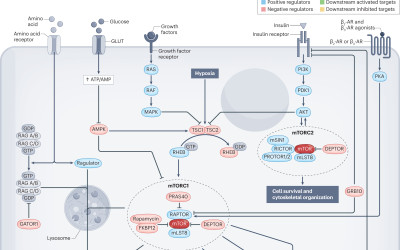
The pathway of the mammalian (or mechanistic) target of rapamycin kinase (mTOR) responds to different signals such as nutrients and hormones and regulates many cellular functions as the synthesis of proteins and lipids, mitochondrial activity and the organization of the cytoskeleton. At the cellular level, mTOR forms two distinct complexes: mTORC1 and mTORC2. This review intends to summarize the various recent advances on the role of these two protein complexes in the central regulation of energy balance. mTORC1 activity modulates energy balance and metabolic responses by regulating the activity of neuronal populations, such as those located in the arcuate nucleus of the hypothalamus. Recent studies have shown that activity of the hypothalamic mTORC1 pathway varies according to cell and stimulus types, and that this signaling cascade regulates food intake and body weight in response to nutrients, such as leucine, and hormones like leptin, ghrelin and triiodothyronine. On the other hand, mTORC2 seems to be involved in the regulation of neuronal morphology and synaptic activity. However, its function in the central regulation of the energy balance is less known. Dysregulation of mTORC1 and mTORC2 is described in obesity and type 2 diabetes. Therefore, a better understanding of the molecular mechanisms involved in the regulation of energy balance by mTOR may lead to the identification of new therapeutic targets for the treatment of these metabolic pathologies.


02/12/2014 | Endocrinology
Cannabinoid type 1 (CB) receptors on Sim1-expressing neurons regulate energy expenditure in male mice.
Cardinal P, Bellocchio L, Guzman-Quevedo O, Andre C, Clark S, Elie M, Leste-Lasserre T, Gonzales D, Cannich A, Marsicano G, Cota D
doi: 10.1210/en.2014-1437

Abstract:
The paraventricular nucleus of the hypothalamus (PVN) regulates energy balance by modulating not only food intake, but also energy expenditure and brown adipose tissue (BAT) thermogenesis. To test the hypothesis that cannabinoid type 1 (CB1) receptor in PVN neurons might control these processes, we used the Cre/loxP system to delete CB1 from Single minded 1 (Sim1) neurons, which account for the majority of PVN neurons. On standard chow, mice lacking CB1 receptor in Sim1 neurons (Sim1-CB1-KO) had food intake, body weight, adiposity, glucose metabolism and energy expenditure comparable to wild-type (Sim1-CB1-WT) littermates. However, maintenance on a high-fat diet (HFD) revealed a gene-by-diet interaction whereby Sim1-CB1-KO mice had decreased adiposity, improved insulin sensitivity and increased energy expenditure, while feeding behavior was similar to Sim1-CB1-WT mice. Additionally, HFD-fed Sim1-CB1-KO mice had increased mRNA expression of the beta3-adrenergic receptor, as well as of UCP-1, Cox-IV and Tfam in the BAT, all molecular changes suggestive of increased thermogenesis. Pharmacological studies using beta-blockers suggested that modulation of beta-adrenergic transmission play an important role in determining energy expenditure changes observed in Sim1-CB1-KO. Finally, chemical sympathectomy abolished the obesity-resistant phenotype of Sim1-CB1-KO mice. Altogether, these findings reveal a diet-dependent dissociation in the CB1 receptor control of food intake and energy expenditure, likely mediated by the PVN, where CB1 receptors on Sim1-positive neurons do not impact food intake, but hinder energy expenditure during dietary environmental challenges that promote body weight gain.


11/2014 | Mol Cell Endocrinol
Influence of mTOR in energy and metabolic homeostasis.
Haissaguerre M*, Saucisse N*, Cota D
doi: 10.1016/j.mce.2014.07.015

Abstract:
The mechanistic (or mammalian) target of rapamycin couples a variety of different environmental signals, including nutrients and hormones, with the regulation of several energy-demanding cellular functions, spanning from protein and lipid synthesis to mitochondrial activity and cytoskeleton dynamics. mTOR forms two distinct protein complexes in cells, mTORC1 and mTORC2. This review focuses on recent advances made in understanding the roles played by these two complexes in the regulation of whole body metabolic homeostasis. Studies carried out in the past few years have shown that mTORC1 activity in the hypothalamus varies by cell and stimulus type, and that this complex is critically implicated in the regulation of food intake and body weight and in the central actions of both nutrients and hormones, such as leptin, ghrelin and triiodothyronine. As a regulator of cellular anabolic processes, mTORC1 activity in the periphery favors adipogenesis, lipogenesis, glucose uptake and beta-cell mass expansion. Much less is known about the function of mTORC2 in the hypothalamus, while in peripheral organs this second complex exerts roles strikingly similar to those described for mTORC1. Deregulation of mTORC1 and mTORC2 is associated with obesity, type 2 diabetes, cancer and neurodegenerative disorders. Insights on the exact relationship between mTORC1 and mTORC2 in the context of the regulation of metabolic homeostasis and on the specific molecular mechanisms engaged by these two complexes in such regulation may provide new avenues for therapy.


11/2014 | Faseb J
Direct activating effects of adrenocorticotropic hormone (ACTH) on brown adipose tissue are attenuated by corticosterone.
van den Beukel JC, Grefhorst A, Quarta C, Steenbergen J, Mastroberardino PG, Lombes M, Delhanty PJ, Mazza R, Pagotto U, van der Lely AJ, Themmen AP
doi: 10.1096/fj.14-254839

Abstract:
Brown adipose tissue (BAT) and brown-like cells in white adipose tissue (WAT) can dissipate energy through thermogenesis, a process mediated by uncoupling protein 1 (UCP1). We investigated whether stress hormones ACTH and corticosterone contribute to BAT activation and browning of WAT. ACTH and corticosterone were studied in male mice exposed to 4 or 23 degrees C for 24 h. Direct effects were studied in T37i mouse brown adipocytes and primary cultured murine BAT and inguinal WAT (iWAT) cells. In vivo effects were studied using (18)F-deoxyglucose positron emission tomography. Cold exposure doubled serum ACTH concentrations (P=0.03) and fecal corticosterone excretion (P=0.008). In T37i cells, ACTH dose-dependently increased Ucp1 mRNA (EC50=1.8 nM) but also induced Ucp1 protein content 88% (P=0.02), glycerol release 32% (P=0.03) and uncoupled respiration 40% (P=0.003). In cultured BAT and iWAT, ACTH elevated Ucp1 mRNA by 3-fold (P=0.03) and 3.7-fold (P=0.01), respectively. In T37i cells, corticosterone prevented induction of Ucp1 mRNA and Ucp1 protein by both ACTH and norepinephrine in a glucocorticoid receptor (GR)-dependent fashion. ACTH and GR antagonist RU486 independently doubled BAT (18)F-deoxyglucose uptake (P=0.0003 and P=0.004, respectively) in vivo. Our results show that ACTH activates BAT and browning of WAT while corticosterone counteracts this.


10/2014 | Mol Metab
CB1 cannabinoid receptor in SF1-expressing neurons of the ventromedial hypothalamus determines metabolic responses to diet and leptin.
Cardinal P, Andre C, Quarta C, Bellocchio L, Clark S, Elie M, Leste-Lasserre T, Maitre M, Gonzales D, Cannich A, Pagotto U, Marsicano G, Cota D
doi: 10.1016/j.molmet.2014.07.004

Abstract:
Metabolic flexibility allows rapid adaptation to dietary change, however, little is known about the CNS mechanisms regulating this process. Neurons in the hypothalamic ventromedial nucleus (VMN) participate in energy balance and are the target of the metabolically relevant hormone leptin. Cannabinoid type-1 (CB1) receptors are expressed in VMN neurons, but the specific contribution of endocannabinoid signaling in this neuronal population to energy balance regulation is unknown. Here we demonstrate that VMN CB1 receptors regulate metabolic flexibility and actions of leptin. In chow-fed mice, conditional deletion of CB1 in VMN neurons (expressing the steroidogenic factor 1, SF1) decreases adiposity by increasing sympathetic activity and lipolysis, and facilitates metabolic effects of leptin. Conversely, under high-fat diet, lack of CB1 in VMN neurons produces leptin resistance, blunts peripheral use of lipid substrates and increases adiposity. Thus, CB1 receptors in VMN neurons provide a molecular switch adapting the organism to dietary change.


10/2014 | Ann Endocrinol (Paris)
[New insights in adrenal Cushing syndrome].
Haissaguerre M, Tabarin A
doi: 10.1016/S0003-4266(14)70025-3

Abstract:
The development of molecular biology tools has allowed major advances in the genetic determinism and the pathophysiology of pheochromocytomas and Conn's adenomas. However, the molecular pathophysiology of ACTH-independent Cushing's Syndrome was mostly unknown until recently. In 2014, major new insights concerning the physiopathology of ACTH-independent macronodular adrenal hyperplasias (AIMAH) and the cortisol-secreting adenomas have been published. Elsewhere, the cardiovascular consequences of the subclinical hypercortisolism due to adrenal incidentalomas, was described only in some cross-sectional studies. The natural history of these lesions has been documented in two large follow-up studies. These new data presented during the Endocrine Congress are summarized herein.


15/09/2014 | Int J Obes (Lond)
The corticotrophin-releasing factor/urocortin system regulates white fat browning in mice through paracrine mechanisms.
Lu B, Diz-Chaves Y, Markovic D, Contarino A, Penicaud L, Fanelli F, Clark S, Lehnert H, Cota D, Grammatopoulos DK, Tabarin A
doi: 10.1038/ijo.2014.164

Abstract:
Objectives:The corticotrophin-releasing factor (CRF)/urocortin system is expressed in the adipose tissue of mammals, but its functional role in this tissue remains unknown.Methods:Pharmacological manipulation of the activity of CRF receptors, CRF1 and CRF2, was performed in 3T3L1 white pre-adipocytes and T37i brown pre-adipocytes during in vitro differentiation. The expression of genes of the CRF/urocortin system and of markers of white and brown adipocytes was evaluated along with mitochondrial biogenesis and cellular oxygen consumption. Metabolic evaluation of corticosterone-deficient or supplemented Crhr1-null (Crhr1-/-) mice and their wild-type controls was performed along with gene expression analysis carried out in white (WAT) and brown (BAT) adipose tissues.Results:Peptides of the CRF/urocortin system and their cognate receptors were expressed in both pre-adipocyte cell lines. In vitro pharmacological studies showed an inhibition of the expression of the CRF2 pathway by the constitutive activity of the CRF1 pathway. Pharmacological activation of CRF2 and, to a lesser extent, inhibition of CRF1 signaling induced molecular and functional changes indicating transdifferentiation of white pre-adipocytes and differentiation of brown pre-adipocytes. Crhr1-/- mice showed increased expression of CRF2 and its agonist Urocortin 2 in adipocytes that was associated to brown conversion of WAT and activation of BAT. Crhr1-/- mice were resistant to diet-induced obesity and glucose intolerance. Restoring physiological circulating corticosterone levels abrogated molecular changes in adipocytes and the favorable phenotype of Crhr1-/- mice.Conclusions:Our findings suggest the importance of the CRF2 pathway in the control of adipocyte plasticity. Increased CRF2 activity in adipocytes induces browning of WAT, differentiation of BAT and is associated with a favorable metabolic phenotype in mice lacking CRF1. Circulating corticosterone represses CRF2 activity in adipocytes and may thus regulate adipocyte physiology through the modulation of the local CRF/urocortin system. Targeting CRF receptor signaling specifically in the adipose tissue may represent a novel approach to tackle obesity.International Journal of Obesity advance online publication, 14 October 2014; doi:10.1038/ijo.2014.164.


09/2014 | Diabetes Metab
Early changes in respiratory quotient and resting energy expenditure predict later weight changes in patients treated for poorly controlled type 2 diabetes.
Gonzalez C, Fagour C, Maury E, Cherifi B, Salandini S, Pierreisnard A, Masquefa-Giraud P, Gin H, Rigalleau V
doi: 10.1016/j.diabet.2014.02.001

Abstract:
AIM: This study looked at whether early changes in resting energy expenditure (REE) and respiratory quotient (RQ) are correlated with later weight changes in patients with type 2 diabetes (T2D) being treated with insulin or GLP-1 analogues, or diet. METHODS: A total of 67 patients (age: 57 +/- 9 years; BMI: 33.7 +/- 5.0 kg/m(2); HbA1c: 9.9 +/- 1.5%) began taking an insulin analogue at bedtime (INS, n=28; initial dose: 0.2 IU/kg) or a GLP-1 analogue (GLP-1, n=23), or only a dietary intervention (diet, n=16; restricted carbohydrates and calories). Their respiratory exchanges were monitored on days 0, 1 and 2 before breakfast. RESULTS: Two days after starting the bedtime insulin analogue, fasting glycaemia improved (INS: -65 +/- 41 mg/dL; GLP-1: -29 +/- 48 mg/dL; diet: -31 +/- 46 mg/dL; P<0.05), REE decreased (INS: -162 +/- 241 kcal/24h; GLP-1: 0 +/- 141 kcal/24h; diet: -41 +/- 154 kcal/24h; P<0.05) and RQ increased (from 0.76 +/- 0.04 to 0.80 +/- 0.04; P<0.01), whereas only RQ decreased with diet (from 0.79 +/- 0.05 to 0.76 +/- 0.04; P<0.05) and remained unchanged with GLP-1 (P<0.005 for DeltaRQ across treatments). Only 33 patients attended the scheduled examination three months later. HbA1c improved (INS, n=16: -1.7 +/- 1.4%; GLP-1, n=12: -2.1 +/- 1.4%; diet, n=5: -1.7 +/- 2.8%; NS), while weight changes differed (INS: +1.5 +/- 4.3 kg; GLP-1: -2.8 +/- 2.8 kg; diet: -2.2 +/- 2.7 kg; P<0.005). After three months, weight changes correlated with early changes in REE (r=-0.37, P<0.05) and RQ (r=+0.43, P<0.01), and remained correlated when both changes were included in a multivariate regression analysis (r=0.58, P<0.005). CONCLUSION: In poorly controlled patients with T2D and two days after the introduction of a bedtime insulin analogue, REE decreased by -9% while RQ increased by +5%, pointing to a reduction of lipid oxidation. These changes were predictive of later weight gain.


08/2014 | Faseb J
Mineralocorticoid receptor antagonism induces browning of white adipose tissue through impairment of autophagy and prevents adipocyte dysfunction in high-fat-diet-fed mice.
Armani A, Cinti F, Marzolla V, Morgan J, Cranston GA, Antelmi A, Carpinelli G, Canese R, Pagotto U, Quarta C, Malorni W, Matarrese P, Marconi M, Fabbri A, Rosano G, Cinti S, Young MJ, Caprio M
doi: 10.1096/fj.13-245415

Abstract:
The mineralocorticoid receptor (MR) controls adipocyte function, but its role in the conversion of white adipose tissue (WAT) into thermogenic fat has not been elucidated. We investigated responses to the MR antagonists spironolactone (spiro; 20 mg/kg/d) and drospirenone (DRSP; 6 mg/kg/d) in C57BL/6 mice fed a high-fat (HF) diet for 90 d. DRSP and spiro curbed HF diet-induced impairment in glucose tolerance, and prevented body weight gain and white fat expansion. Notably, either MR antagonist induced up-regulation of brown adipocyte-specific transcripts and markedly increased protein levels of uncoupling protein 1 (UCP1) in visceral and inguinal fat depots when compared with the HF diet group. Positron emission tomography and magnetic resonance spectroscopy confirmed acquisition of brown fat features in WAT. Interestingly, MR antagonists markedly reduced the autophagic rate both in murine preadipocytes in vitro (10(-5) M) and in WAT depots in vivo, with a concomitant increase in UCP1 protein expression. Moreover, the autophagy repressor bafilomycin A1 (10(-8) M) mimicked the effect of MR antagonists, increasing UCP1 protein expression in primary preadipocytes. Hence, we showed that adipocyte MR regulates brown remodeling of WAT through a modulation of autophagy. These results provide a rationale for the use of MR antagonists to prevent the adverse metabolic consequences of adipocyte dysfunction.


24/07/2014 | J Clin Endocrinol Metab
Novel somatic mutations in the catalytic subunit of the protein kinase A as a cause of adrenal Cushing's syndrome: a European multicentric study.
Di Dalmazi G, Kisker C, Calebiro D, Mannelli M, Canu L, Arnaldi G, Quinkler M, Rayes N, Tabarin A, Laure Jullie M, Mantero F, Rubin B, Waldmann J, Bartsch DK, Pasquali R, Lohse M, Allolio B, Fassnacht M, Beuschlein F, Reincke M
doi: 10.1210/jc.2014-2152

Abstract:
Context. Somatic mutations in PRKACA gene, encoding the catalytic subunit of protein kinase A (PKA), have been recently found in a high proportion of sporadic adenomas associated with Cushing's syndrome (CS). The aim was to analyze the PRKACA mutation in a large cohort of patients with adrenocortical masses. Methods. Samples from nine European centers were included (Germany, n=4; Italy, n=4; France, n=1). Samples were drawn from 149 patients with non-secreting adenomas (n=32 + 2 peritumoral), subclinical hypercortisolism (n=36), CS (n=64 + 2 peritumoral), androgen-producing tumors (n=4), adrenocortical carcinomas (n=5 + 2 peritumoral), and primary bilateral macronodular adrenal hyperplasias (n=8). Blood samples were available from patients with non-secreting adenomas (n=15), subclinical hypercortisolism (n=10), and CS (n=35). Clinical and hormonal data were collected. DNA amplification by PCR of exons 6 and 7 of the PRKACA gene and direct sequencing were performed. Results. PRKACA heterozygous mutations were found in 22/64 samples of CS patients (34%). No mutations were found in peritumoral tissue and blood samples or in other tumors examined. The c.617A>C (p.Leu206Arg) occurred in 18/22 patients. Furthermore, two novel mutations were identified: c.600 601insGTG/p.Cys200 Gly201insVal in three patients and c.639C>G+c.638 640insATTATCCTGAGG/p.Ser213Arg+p.Leu212 Lys214insIle-Ile-Leu-Arg) in one. All the mutations involved a region implicated in interaction between PKA regulatory and catalytic subunits. Patients with somatic PRKACA mutations showed higher levels of cortisol after dexamethasone test and a smaller adenoma size, compared to non-mutated subjects. Conclusions. These data confirm and extend previous observations that somatic PRKACA mutations are specific for adrenocortical adenomas causing CS.


26/06/2014 | Clin Endocrinol (Oxf)
Accuracy of repeated measurements of late-night salivary cortisol to screen for early-stage recurrence of Cushing's disease following pituitary surgery.
Danet-Lamasou M, Asselineau J, Perez P, Vivot A, Nunes ML, Loiseau H, San-Galli F, Cherifi-Gatta B, Corcuff JB, Tabarin A
doi: 10.1111/cen.12534

Abstract:
OBJECTIVE: The performance of late-night salivary cortisol (LNSC) to accurately screen for post-operative recurrence of Cushing's disease (CD) at an early-stage is unknown. The aim of this study was to compare the accuracy of multiple sampling strategies to suggest the optimal number of LNSC samples needed for diagnosing post-surgical recurrences of CD at an early stage. DESIGN: Retrospective analysis in a single center. PATIENTS AND MEASUREMENTS: 36 patients in surgical remission of CD had successive measurements of LNSC, defined as 'sequences', using a locally modified RIA assay as part of long-term follow-up (69.2 +/- 10.6 mo). Patients underwent an extensive biochemical evaluation within 3 months before or after a sequence of saliva sampling and were classified as being in remission or in early-stage recurrence. The accuracy of three diagnostic strategies combining two, three or four LNSC results from a sequence was estimated using areas under the ROC curves (AUC), sensitivity, specificity and predictive values. RESULTS: 44 sequences of LNSC measurements were available. 52% of sequences were performed during early-stage recurrence. The intra-sequence variability of LNSC was higher during recurrence than during remission (medians of SDs: 2.1 vs. 0.5 nmol/L; p<0.0001). AUCs from ROC curves ranged from 0.93 to 0.96 depending on the strategy. For 90% sensitivities, the best specificities (92.9 and 90.9%) were achieved by strategies taking into account three or four measurements summarized either by their mean or their maximum value. CONCLUSIONS: Increase in LNSC concentration is an early abnormality during post-surgical recurrence of CD. However, due to a major within-patient variability of LNSC from one day to another, a screening strategy using three or four samples collected on successive days may be recommended to detect early-stage recurrence of CD with a high accuracy. This article is protected by copyright. All rights reserved.


06/2014 | Presse Med
[Malignant insulinoma: recommendations for workup and treatment].
Baudin E, Caron P, Lombard-Bohas C, Tabarin A, Mitry E, Reznick Y, Taieb D, Pattou F, Goudet P, Vezzosi D, Scoazec JY, Cadiot G, Borson-Chazot F, Do Cao C
doi: 10.1016/j.lpm.2013.08.007

Abstract:
Insulinoma are malignant in 4 to 14 % of cases. Their rarity and the sparse data available in the literature have limited publication of specific guidelines for their management. The following review aim to provide up-to-date recommendations on initial evaluation including pathologic grading, measures to control hypoglycemia, antitumor strategies and long term follow-up. Will be discussed in detail respective indications of surgery, diazoxide, somatostatin analogs, everolimus, sunitinib, liver directed treatments including arterial embolization, chemotherapy and radiometabolic therapy. A Medline search using terms 'insulinoma', 'neuroendocrine pancreatic tumors', 'islet cell carcinoma', 'malignant insulinoma' was performed limiting the selection to English language articles and adult age cases, along with cross referencing.


06/2014 | Nat Genet
Integrated genomic characterization of adrenocortical carcinoma.
Assie G, Letouze E, Fassnacht M, Jouinot A, Luscap W, Barreau O, Omeiri H, Rodriguez S, Perlemoine K, Rene-Corail F, Elarouci N, Sbiera S, Kroiss M, Allolio B, Waldmann J, Quinkler M, Mannelli M, Mantero F, Papathomas T, De Krijger R, Tabarin A, Kerlan V, Baudin E, Tissier F, Dousset B, Groussin L, Amar L, Clauser E, Bertagna X, Ragazzon B, Beuschlein F, Libe R, de Reynies A, Bertherat J
doi: 10.1038/ng.2953

Abstract:
Adrenocortical carcinomas (ACCs) are aggressive cancers originating in the cortex of the adrenal gland. Despite overall poor prognosis, ACC outcome is heterogeneous. We performed exome sequencing and SNP array analysis of 45 ACCs and identified recurrent alterations in known driver genes (CTNNB1, TP53, CDKN2A, RB1 and MEN1) and in genes not previously reported in ACC (ZNRF3, DAXX, TERT and MED12), which we validated in an independent cohort of 77 ACCs. ZNRF3, encoding a cell surface E3 ubiquitin ligase, was the most frequently altered gene (21%) and is a potential new tumor suppressor gene related to the beta-catenin pathway. Our integrated genomic analyses further identified two distinct molecular subgroups with opposite outcome. The C1A group of ACCs with poor outcome displayed numerous mutations and DNA methylation alterations, whereas the C1B group of ACCs with good prognosis displayed specific deregulation of two microRNA clusters. Thus, aggressive and indolent ACCs correspond to two distinct molecular entities driven by different oncogenic alterations.


06/2014 | Obesity (Silver Spring)
Central mechanisms of adiposity in adult female mice with androgen excess.
Nohara K, Laque A, Allard C, Munzberg H, Mauvais-Jarvis F
doi: 10.1002/oby.20719

Abstract:
OBJECTIVE: Androgen excess in women is associated with visceral adiposity. However, little is known on the mechanism through which androgen promotes visceral fat accumulation. METHODS: To address this issue, female mice to chronic androgen excess using 5alpha-dihydrotestosterone (DHT) and studied the regulation of energy homeostasis was exposed. RESULTS: DHT induced a leptin failure to decrease body weight associated with visceral adiposity but without alterations in leptin anorectic action. This paralleled leptin's failure to upregulate brown adipose tissue expression of uncoupling protein-1, associated with decreased energy expenditure (EE). DHT decreased hypothalamic proopiomelanocortin (pomc) mRNA expression and increased POMC intensity in neuronal bodies of the arcuate nucleus while simultaneously decreasing the intensity of POMC projections to the dorsomedial hypothalamus (DMH). This was associated with a failure of the melanocortin 4 receptor agonist melanotan-II to suppress body weight. CONCLUSION: Taken together, these data indicate that androgen excess promotes visceral adiposity with reduced POMC neuronal innervation in the DMH, reduced EE but without hyperphagia.


05/2014 | Eur J Endocrinol
Patients lost to follow-up in acromegaly: results of the ACROSPECT study.
Delemer B, Chanson P, Foubert L, Borson-Chazot F, Chabre O, Tabarin A, Weryha G, Cortet-Rudelli C, Raingeard I, Reznik Y, Reines C, Bisot-Locard S, Castinetti F
doi: 10.1530/EJE-13-0924

Abstract:
OBJECTIVE: The complex management of acromegaly has transformed this disease into a chronic condition, with the risk of patients being lost to follow-up. The objective of this study was to estimate the proportion of acromegalic patients lost to follow-up in France and to determine the impact that abandoning follow-up has on the disease and its management. DESIGN: ACROSPECT was a French national, multicentre, cross-sectional, observational study. METHODS: Acromegalic patients were considered lost to follow-up if no new information had been entered in their hospital records during the previous 2 years. They were traced where possible, and data were collected by means of a recall visit or questionnaire. RESULTS: In the study population, 21% of the 2392 acromegalic patients initially followed in 25 tertiary endocrinology centres were lost to follow-up. At their last follow-up visit, 30% were uncontrolled, 33% were receiving medical therapy and 53% had residual tumour. Of the 362 traced, 62 had died and 77% were receiving follow-up elsewhere; the leading reason for abandoning follow-up was that they had not been informed that it was necessary. Our analysis of the questionnaires suggests that they were not receiving optimal follow-up. CONCLUSIONS: This study underlines the need to better inform acromegalic patients of the need for long-term follow-up, the absence of which could be detrimental to patients' health, and to develop shared care for what must now be regarded as a chronic disease.


05/2014 | J Clin Endocrinol Metab
Ketoconazole in Cushing's disease: is it worth a try?
Castinetti F, Guignat L, Giraud P, Muller M, Kamenicky P, Drui D, Caron P, Luca F, Donadille B, Vantyghem MC, Bihan H, Delemer B, Raverot G, Motte E, Philippon M, Morange I, Conte-Devolx B, Quinquis L, Martinie M, Vezzosi D, Le Bras M, Baudry C, Christin-Maitre S, Goichot B, Chanson P, Young J, Chabre O, Tabarin A, Bertherat J, Brue T
doi: 10.1210/jc.2013-3628

Abstract:
BACKGROUND: The use of ketoconazole has been recently questioned after warnings from the European Medicine Agencies and the Food and Drug Administration due to potential hepatotoxicity. However, ketoconazole is frequently used as a drug to lower circulating cortisol levels. Several pharmacological agents have recently been approved for the treatment of Cushing's disease (CD) despite limited efficacy or significant side effects. Ketoconazole has been used worldwide for more than 30 years in CD, but in the absence of a large-scale study, its efficacy and tolerance are still under debate. PATIENTS AND METHODS: We conducted a French retrospective multicenter study reviewing data from patients treated by ketoconazole as a single agent for CD, with the aim of clarifying efficacy and tolerance to better determine the benefit/risk balance. RESULTS: Data from 200 patients were included in this study. At the last follow-up, 49.3% of patients had normal urinary free cortisol (UFC) levels, 25.6% had at least a 50% decrease, and 25.4% had unchanged UFC levels. The median final dose of ketoconazole was 600 mg/d. Forty patients (20%) received ketoconazole as a presurgical treatment; 40% to 50% of these patients showed improvement of hypertension, hypokalemia, and diabetes, and 48.7% had normal UFC before surgery. Overall, 41 patients (20.5%) stopped the treatment due to poor tolerance. Mild (<5N, inferior to 5-fold normal values) and major (>5N, superior to 5-fold normal values) increases in liver enzymes were observed in 13.5% and 2.5% of patients, respectively. No fatal hepatitis was observed. CONCLUSIONS: Ketoconazole is an effective drug with acceptable side effects. It should be used under close liver enzyme monitoring. Hepatotoxicity is usually mild and resolves after drug withdrawal.


04/2014 | J Clin Endocrinol Metab
Tumor shrinkage with lanreotide Autogel 120 mg as primary therapy in acromegaly: results of a prospective multicenter clinical trial.
Caron PJ, Bevan JS, Petersenn S, Flanagan D, Tabarin A, Prevost G, Maisonobe P, Clermont A
doi: 10.1210/jc.2013-3318

Abstract:
CONTEXT: Methodological shortcomings often compromise investigations into the effects of primary somatostatin-analog treatment on tumor size in acromegaly. There are also limited data for the long-acting lanreotide formulation. OBJECTIVE: The aim of the study was to better characterize the effects of primary lanreotide Autogel treatment on tumor size in patients with GH-secreting macroadenomas. DESIGN: PRIMARYS was a 48-week, multicenter, open-label, single-arm study. SETTING: The study was conducted at specialist endocrine centers. PATIENTS: Treatment-naive acromegalic patients with GH-secreting macroadenomas participated in the study. INTERVENTION: Lanreotide Autogel 120 mg was administered sc every 28 days (without dose titration). OUTCOME MEASURES: The primary endpoint was the proportion of patients with clinically significant (>/=20%) tumor volume reduction (TVR) at week 48/last post-baseline value available using central assessments from three readers. The null hypothesis (H0) for the primary endpoint was that the proportion with TVR was </=55%. Secondary endpoints included: TVR at other time points, GH and IGF-1, acromegalic symptoms, quality of life (QoL), and safety. RESULTS: Sixty-four of 90 (71.1%) patients completed the study. Clinically significant TVR at 48 weeks/last post-baseline value available was achieved by 62.9% (95% confidence interval, 52.0, 72.9) of 89 patients in the primary analysis (intention-to-treat population; H0 not rejected) and 71.9-75.3% in sensitivity (n = 89) and secondary analyses (n = 63) (H0 rejected). At 12 weeks, 54.1% had clinically significant TVR. Early and sustained improvements also occurred in GH and IGF-1, acromegalic symptoms, and QoL. No patients withdrew due to gastrointestinal intolerance. CONCLUSIONS: Primary treatment with lanreotide Autogel, administered at 120 mg (highest available dose) without dose titration, in patients with GH-secreting macroadenomas provides early and sustained reductions in tumor volume, GH and IGF-1, and acromegalic symptoms, and improves QoL.


28/03/2014 | Neuroscience
Cannabinoid type-1 receptors in the paraventricular nucleus of the hypothalamus inhibit stimulated food intake.
Soria-Gomez E, Massa F, Bellocchio L, Rueda-Orozco PE, Ciofi P, Cota D, Oliet SH, Prospero-Garcia O, Marsicano G
doi: 10.1016/j.neuroscience.2014.01.005

Abstract:
Cannabinoid receptor type 1 (CB1)-dependent signaling in the brain is known to modulate food intake. Recent evidence has actually shown that CB1 can both inhibit and stimulate food intake in fasting/refeeding conditions, depending on the specific neuronal circuits involved. However, the exact brain sites where this bimodal control is exerted and the underlying neurobiological mechanisms are not fully understood yet. Using pharmacological and electrophysiological approaches, we show that local CB1 blockade in the paraventricular nucleus of the hypothalamus (PVN) increases fasting-induced hyperphagia in rats. Furthermore, local CB1 blockade in the PVN also increases the orexigenic effect of the gut hormone ghrelin in animals fed ad libitum. At the electrophysiological level, CB1 blockade in slices containing the PVN potentiates the decrease of the activity of PVN neurons induced by long-term application of ghrelin. Hence, the PVN is (one of) the site(s) where signals associated with the body's energy status determine the direction of the effects of endocannabinoid signaling on food intake.


03/2014 | Nat Neurosci
The endocannabinoid system controls food intake via olfactory processes.
Soria-Gomez E, Bellocchio L, Reguero L, Lepousez G, Martin C, Bendahmane M, Ruehle S, Remmers F, Desprez T, Matias I, Wiesner T, Cannich A, Nissant A, Wadleigh A, Pape HC, Chiarlone AP, Quarta C, Verrier D, Vincent P, Massa F, Lutz B, Guzman M, Gurden H, Ferreira G, Lledo PM, Grandes P, Marsicano G
doi: 10.1038/nn.3647

Abstract:
Hunger arouses sensory perception, eventually leading to an increase in food intake, but the underlying mechanisms remain poorly understood. We found that cannabinoid type-1 (CB1) receptors promote food intake in fasted mice by increasing odor detection. CB1 receptors were abundantly expressed on axon terminals of centrifugal cortical glutamatergic neurons that project to inhibitory granule cells of the main olfactory bulb (MOB). Local pharmacological and genetic manipulations revealed that endocannabinoids and exogenous cannabinoids increased odor detection and food intake in fasted mice by decreasing excitatory drive from olfactory cortex areas to the MOB. Consistently, cannabinoid agonists dampened in vivo optogenetically stimulated excitatory transmission in the same circuit. Our data indicate that cortical feedback projections to the MOB crucially regulate food intake via CB1 receptor signaling, linking the feeling of hunger to stronger odor processing. Thus, CB1 receptor-dependent control of cortical feedback projections in olfactory circuits couples internal states to perception and behavior.


02/2014 | J Cereb Blood Flow Metab
Hypothalamic astroglial connexins are required for brain glucose sensing-induced insulin secretion.
Allard C, Carneiro L, Grall S, Cline BH, Fioramonti X, Chretien C, Baba-Aissa F, Giaume C, Penicaud L, Leloup C
doi: 10.1038/jcbfm.2013.206

Abstract:
Hypothalamic glucose detection participates in maintaining glycemic balance, food intake, and thermogenesis. Although hypothalamic neurons are the executive cells involved in these responses, there is increasing evidence that astrocytes participate in glucose sensing (GS); however, it is unknown whether astroglial networking is required for glucose sensitivity. Astroglial connexins 30 and 43 (Cx30 and Cx43) form hexameric channels, which are apposed in gap junctions, allowing for the intercellular transfer of small molecules such as glucose throughout the astroglial networks. Here, we hypothesized that hypothalamic glucose sensitivity requires these connexins. First, we showed that both Cxs are enriched in the rat hypothalamus, with highly concentrated Cx43 expression around blood vessels of the mediobasal hypothalamus (MBH). Both fasting and high glycemic levels rapidly altered the protein levels of MBH astroglial connexins, suggesting cross talk within the MBH between glycemic status and the connexins' ability to dispatch glucose. Finally, the inhibition of MBH Cx43 (by transient RNA interference) attenuated hypothalamic glucose sensitivity in rats, which was demonstrated by a pronounced decreased insulin secretion in response to a brain glucose challenge. These results illustrate that astroglial connexins contribute to hypothalamic GS.


2014 | Pain
Cancer pain is not necessarily correlated with spinal overexpression of reactive
glia markers

Ducourneau V*, Dolique T*, Hachem-Delaunay S, Miraucourt L, Amadio A, Blaszczyk L, Jacquot F, Ly J, Devoize L, Oliet SH, Dallel R, Mothet JP, Nagy F, Fenelon V*, Voisin D*
doi: 10.1016/j.pain.2013.10.008

Abstract:
Bone cancer pain is a common and disruptive symptom in cancer patients. In cancer pain animal models, massive reactive astrogliosis in the dorsal horn of the spinal cord has been reported. Because astrocytes may behave as driving partners for pathological pain, we investigated the temporal development of pain behavior and reactive astrogliosis in a rat bone cancer pain model induced by injecting MRMT-1 rat mammary gland carcinoma cells into the tibia. Along with the development of bone lesions, a gradual mechanical and thermal allodynia and hyperalgesia as well as a reduced use of the affected limb developed in bone cancer-bearing animals, but not in sham-treated animals. Dorsal horn Fos expression after nonpainful palpation of the injected limb was also increased in bone cancer-bearing animals. However, at any time during the evolution of tumor, there was no increase in glial fibrillary acidic protein (GFAP) immunoreactivity in the dorsal horn. Further analysis at 21days after injection of the tumor showed no increase in GFAP and interleukin (IL) 1beta transcripts, number of superficial dorsal horn S100beta protein immunoreactive astrocytes, or immunoreactivity for microglial markers (OX-42 and Iba-1). In contrast, all these parameters were increased in the dorsal horn of rats 2weeks after sciatic nerve ligation. This suggests that in some cases, bone cancer pain may not be correlated with spinal overexpression of reactive glia markers, whereas neuropathic pain is. Glia may thus play different roles in the development and maintenance of chronic pain in these 2 situations.


2014 | J Physiol
Extracellular signal-regulated kinase phosphorylation in forebrain neurones
contributes to osmoregulatory mechanisms

Dine J, Ducourneau V, Fenelon V, Fossat P, Amadio A, Eder M, Israel JM, Oliet SH, Voisin D
doi: 10.1113/jphysiol.2013.261008


Abstract:
BACKGROUND: Protein supplementation has been shown to reduce the increases in intrahepatic triglyceride (IHTG) content induced by acute hypercaloric high-fat and high-fructose diets in humans. OBJECTIVE: To assess the effect of a 12-wk iso-energetic high protein-low carbohydrate (HPLC) diet compared with an iso-energetic high carbohydrate-low protein (HCLP) diet on IHTG content in healthy non-obese subjects, at a constant body weight. DESIGN: Seven men and nine women [mean +/- SD age: 24 +/- 5 y; BMI: 22.9 +/- 2.1 kg/m2] were randomly allocated to a HPLC [30/35/35% of energy (En%) from protein/carbohydrate/fat] or a HCLP (5/60/35 En%) diet by stratification on sex, age and BMI. Dietary guidelines were prescribed based on individual daily energy requirements. IHTG content was measured by 1H-magnetic resonance spectroscopy before and after the dietary intervention. RESULTS: IHTG content changed in different directions with the HPLC (CH2H2O: 0.23 +/- 0.17 to 0.20 +/- 0.10; IHTG%: 0.25 +/- 0.20% to 0.22 +/- 0.11%) compared with the HCLP diet (CH2H2O: 0.34 +/- 0.20 vs. 0.38 +/- 0.21; IHTG%: 0.38 +/- 0.22% vs. 0.43 +/- 0.24%), which resulted in a lower IHTG content in the HPLC compared with the HCLP diet group after 12 weeks, which almost reached statistical significance (P = 0.055). CONCLUSIONS: A HPLC vs. a HCLP diet has the potential to preserve vs. enlarge IHTG content in healthy non-obese subjects at a constant body weight. TRIAL REGISTRATION: Clinicaltrials.gov NCT01551238.


2014 | PLoS ONE
Multiple sleep alterations in mice lacking cannabinoid type 1 receptors.
Silvani A, Berteotti C, Bastianini S, Lo Martire V, Mazza R, Pagotto U, Quarta C, Zoccoli G
doi: 10.1371/journal.pone.0089432

Abstract:
Cannabinoid type 1 (CB1) receptors are highly expressed in the brain and play a role in behavior control. Endogenous cannabinoid signaling is modulated by high-fat diet (HFD). We investigated the consequences of congenital lack of CB1 receptors on sleep in mice fed standard diet (SD) and HFD. CB1 cannabinoid receptor knock-out (KO) and wild-type (WT) mice were fed SD or HFD for 4 months (n = 9-10 per group). Mice were instrumented with electroencephalographic (EEG) and electromyographic electrodes. Recordings were performed during baseline (48 hours), sleep deprivation (gentle handling, 6 hours), sleep recovery (18 hours), and after cage switch (insomnia model paradigm, 6 hours). We found multiple significant effects of genotype on sleep. In particular, KO spent more time awake and less time in non-rapid-eye-movement sleep (NREMS) and rapid-eye-movement sleep (REMS) than WT during the dark (active) period but not during the light (rest) period, enhancing the day-night variation of wake-sleep amounts. KO had slower EEG theta rhythm during REMS. REMS homeostasis after sleep deprivation was less effective in KO than in WT. Finally, KO habituated more rapidly to the arousing effect of the cage-switch test than WT. We did not find any significant effects of diet or of diet x genotype interaction on sleep. The occurrence of multiple sleep alterations in KO indicates important roles of CB1 cannabinoid receptors in limiting arousal during the active period of the day, in sleep regulation, and in sleep EEG in mice.


12/2013 | Ann Endocrinol (Paris)
Malignant insulinoma: recommendations for characterisation and treatment.
Baudin E, Caron P, Lombard-Bohas C, Tabarin A, Mitry E, Reznick Y, Taieb D, Pattou F, Goudet P, Vezzosi D, Scoazec JY, Cadiot G, Borson-Chazot F, Do Cao C
doi: 10.1016/j.ando.2013.07.001


28/11/2013 | N Engl J Med
Intraadrenal corticotropin in bilateral macronodular adrenal hyperplasia.
Louiset E, Duparc C, Young J, Renouf S, Tetsi Nomigni M, Boutelet I, Libe R, Bram Z, Groussin L, Caron P, Tabarin A, Grunenberger F, Christin-Maitre S, Bertagna X, Kuhn JM, Anouar Y, Bertherat J, Lefebvre H
doi: 10.1056/NEJMoa1215245

Abstract:
BACKGROUND: Bilateral macronodular adrenal hyperplasia is a rare cause of primary adrenal Cushing's syndrome. In this form of hyperplasia, hypersecretion of cortisol suppresses the release of corticotropin by pituitary corticotrophs, which results in low plasma corticotropin levels. Thus, the disease has been termed corticotropin-independent macronodular adrenal hyperplasia. We examined the abnormal production of corticotropin in these hyperplastic adrenal glands. METHODS: We obtained specimens of hyperplastic macronodular adrenal tissue from 30 patients with primary adrenal disease. The corticotropin precursor proopiomelanocortin and corticotropin expression were assessed by means of a polymerase-chain-reaction assay and immunohistochemical analysis. The production of corticotropin and cortisol was assessed in 11 specimens with the use of incubated explants and cell cultures coupled with hormone assays. Corticotropin levels were measured in adrenal and peripheral venous blood samples from 2 patients. RESULTS: The expression of proopiomelanocortin messenger RNA (mRNA) was detected in all samples of hyperplastic adrenal tissue. Corticotropin was detected in steroidogenic cells arranged in clusters that were disseminated throughout the adrenal specimens. Adrenal corticotropin levels were higher in adrenal venous blood samples than in peripheral venous samples, a finding that was consistent with local production of the peptide within the hyperplastic adrenals. The release of adrenal corticotropin was stimulated by ligands of aberrant membrane receptors but not by corticotropin-releasing hormone or dexamethasone. A semiquantitative score for corticotropin immunostaining in the samples correlated with basal plasma cortisol levels. Corticotropin-receptor antagonists significantly inhibited in vitro cortisol secretion. CONCLUSIONS: Cortisol secretion by the adrenals in patients with macronodular hyperplasia and Cushing's syndrome appears to be regulated by corticotropin, which is produced by a subpopulation of steroidogenic cells in the hyperplastic adrenals. Thus, the hypercortisolism associated with bilateral macronodular adrenal hyperplasia appears to be corticotropin-dependent. (Funded by the Agence Nationale de la Recherche and others.).


11/2013 | J Clin Endocrinol Metab
Normotensive incidentally discovered pheochromocytomas display specific biochemical, cellular, and molecular characteristics.
Haissaguerre M, Courel M, Caron P, Denost S, Dubessy C, Gosse P, Appavoupoulle V, Belleannee G, Jullie ML, Montero-Hadjadje M, Yon L, Corcuff JB, Fagour C, Mazerolles C, Wagner T, Nunes ML, Anouar Y, Tabarin A
doi: 10.1210/jc.2013-1844

Abstract:
CONTEXT: A number of incidentally discovered pheochromocytomas are not associated with hypertension. The characteristics of normotensive incidentally discovered pheochromocytomas (NIPs) are poorly known. OBJECTIVE: The purpose of this work was to assess the clinical, hormonal, histological, and molecular features of NIPs. DESIGN: This was a retrospective cohort recruited from 2001 to 2011 in 2 tertiary care medical departments. PATIENTS AND METHODS: Clinical, biological, and radiological investigations performed in 96 consecutive patients with sporadic unilateral pheochromocytomas were examined; 47 patients had overt pheochromocytomas responsible for hypertension. Among the patients with incidental pheochromocytomas, 28 had hypertension and 21 were normotensive (NIPs). A total of 62 tumors were examined to determine the Pheochromocytoma of the Adrenal Gland Scale Score, and 29 were studied for the expression of 16 genes involved in chromaffin cell function. RESULTS: Tumor size and metaiodobenzylguanidine (MIBG) scintigraphy results were similar for hypertensive pheochromocytomas (HPs) and NIPs. Patients with NIPs displayed reduced summed levels of urinary catecholamines and metanephrines and, more specifically, reduced levels of adrenaline and metadrenaline compared with those of patients with HPs (P < .001). Urinary metanephrines had 98% diagnostic sensitivity in patients with HPs and only 75% in patients with NIPs (P < .01). Tumor diameter positively correlated with the total amount of urinary concentrations of metanephrines in patients with HPs (P < .001) but not in patients with NIPs. NIPs displayed global decreased chromaffin gene expression (reaching significance for 5 of them) and 2 corresponding proteins (phenylethanolamine N-methyltransferase and secretogranin II) and a significant increase in the cellularity, mitotic activity, and presence of atypical mitosis (P < .05). CONCLUSIONS: NIPs differ from pheochromocytomas responsible for hypertension and display features of altered chromaffin differentiation. These tumors may be misdiagnosed with the use of the usual biological diagnostic tools.


10/2013 | J Clin Endocrinol Metab
One-year progression-free survival of therapy-naive patients with malignant pheochromocytoma and paraganglioma.
Hescot S, Leboulleux S, Amar L, Vezzosi D, Borget I, Bournaud-Salinas C, de la Fouchardiere C, Libe R, Do Cao C, Niccoli P, Tabarin A, Raingeard I, Chougnet C, Giraud S, Gimenez-Roqueplo AP, Young J, Borson-Chazot F, Bertherat J, Wemeau JL, Bertagna X, Plouin PF, Schlumberger M, Baudin E
doi: 10.1210/jc.2013-1907

Abstract:
CONTEXT: The natural history of malignant pheochromocytoma or paragangliomas (MPP) remain unknown. OBJECTIVE: The primary aim of this study was to define progression-free survival at 1 year in therapy-naive patients with MPP. Secondary objectives were to characterize MPP and to look for prognostic parameters for progression at 1 year. DESIGN AND SETTING: The files of MPP followed up between January 2001 and January 2011 in two French Endocrine Networks were retrospectively reviewed. Therapy-naive patients were enrolled. MAIN OUTCOME MEASURES: The main outcome was progression-free survival at 1 year in therapy-naive MPP patients according to Response Evaluation Criteria In Solid Tumors 1.1 criteria. RESULTS: Ninety files (46 men, 44 women, mean age of 47.5 +/- 15 years) were reviewed on site by one investigator. MPP characteristics were as follows: presence of an adrenal primary, a mitotic count exceeding 5 per high power field, hypertension, inherited disease, and presence of bone metastases in 50%, 22%, 60%, 49%, and 56% patients, respectively. Fifty-seven of the 90 patients with MPP (63%) were classified as therapy-naive. The median follow-up of these 57 patients was 2.4 years (range, 0.4-5.7). At 1 year, progression-free survival was 46% (CI 95: 33-59). Twenty-six of 30 (87%) patients with progression at 1 year had exhibited progressive disease at the first imaging workup performed after a median of 5.7 months. No prognostic parameter was identified. CONCLUSIONS: Half of the therapy-naive patients with MPP achieved stable disease at 1 year. In symptom-free patients with MPP, a wait-and-see antitumor policy seems appropriate as first line. Modality for a prospective follow-up is proposed.


08/2013 | Eur J Endocrinol
Phasing-in plasma metanephrines determination.
Brossaud J, Gosse P, Gatta B, Tabarin A, Simonnet G, Corcuff JB
doi: 10.1530/EJE-13-0044

Abstract:
OBJECTIVES: We set up plasma normetanephrine (pNMA) and metanephrine (pMA) assays as they demonstrated their usefulness for diagnosing phaeochromocytomas. Our scope is to describe some practical laboratory aspects and the clinical relevance of these assays in our endocrinological or cardiological departments. METHODS: We retrospectively reviewed the results of MA from a population of in- and outpatients over a 7-year period. Subjects (n=2536) from endocrinological or cardiological departments were investigated (66 phaeochromocytomas). Urinary NMA (uNMA) and pNMA, and urinary MA (uMA) and pMA were assayed by HPLC with electrochemical detection. RESULTS: pNMA and pMA assays are now more frequently requested than uNMA and uMA. This changed our laboratory work load with improved delivery, sensitivity and reliability of plasma assays as well as reduced apparatus maintenance time. The pNMA and pMA upper reference limits (URLs) of subjects with no phaeochromocytoma were 1040 and 430 pmol/l respectively. Sensitivity and specificity based on receiver operating characteristic curves optimal points were 83 and 93% for pNMA at 972 pmol/l and 67 and 98% for pMA at 638 pmol/l. Sensitivity and specificity of paired tests of pMA (positive test: at least one analyte above its URLs) were 100 and 91% respectively. CONCLUSION: The very low concentration of analytes requires a sustained very good apparatus analytical sensitivity. This can be obtained in an up-to-date laboratory. In terms of clinical performances, assays in plasma or urine are equivalent. Depending on local preferences, populations, strategies or departments, requests for one or the other assay may sustain the need for specifically defined reference ranges.


25/07/2013 | Obesity (Silver Spring)
Leucine supplementation modulates fuel substrates utilization and glucose metabolism in previously obese mice.
Binder E, Bermudez-Silva FJ, Elie M, Leste-Lasserre T, Belluomo I, Clark S, Duchampt A, Mithieux G, Cota D
doi: 10.1002/oby.20578

Abstract:
OBJECTIVE: High-protein diets favor weight loss and its maintenance. Whether these effects might be recapitulated by certain amino acids is unknown. Therefore, the impact of leucine supplementation on energy balance and associated metabolic changes in diet-induced obese (DIO) mice during and after weight loss was investigated. DESIGN AND METHODS: DIO C57BL/6J mice were fed a normocaloric diet to induce weight loss while receiving or not the amino acid leucine in drinking water. Body weight, food intake, body composition, energy expenditure, glucose tolerance, insulin, and leptin sensitivity were evaluated. Q-PCR analysis was performed on muscle, brown and white adipose tissues. RESULTS: DIO mice decreased body weight and fat mass in response to chow, but supplementation with leucine did not affect these parameters. During weight maintenance, mice supplemented with leucine had improved glucose tolerance, increased leptin sensitivity, and lower respiratory quotient. The latter was associated with changes in the expression of several genes modulating fatty acid metabolism and mitochondrial activity in the epididymal white and the brown adipose tissues, but not muscle. CONCLUSIONS: Leucine supplementation might represent an adjuvant beneficial nutritional therapy during weight loss and maintenance, because it improves lipid and glucose metabolism and restores leptin sensitivity in previously obese animals.


07/2013 | Ann Endocrinol (Paris)
Fast test: clinical practice and interpretation.
Agin A, Charrie A, Chikh K, Tabarin A, Vezzosi D
doi: 10.1016/j.ando.2013.05.003


07/2013 | Ann Endocrinol (Paris)
Treatment: symptomatic treatment of hypoglycaemia.
Tabarin A, Goichot B
doi: 10.1016/j.ando.2013.05.009


07/2013 | Acta Neuropathol
A new prognostic clinicopathological classification of pituitary adenomas: a multicentric case-control study of 410 patients with 8 years post-operative follow-up.
Trouillas J, Roy P, Sturm N, Dantony E, Cortet-Rudelli C, Viennet G, Bonneville JF, Assaker R, Auger C, Brue T, Cornelius A, Dufour H, Jouanneau E, Francois P, Galland F, Mougel F, Chapuis F, Villeneuve L, Maurage CA, Figarella-Branger D, Raverot G, Barlier A, Bernier M, Bonnet F, Borson-Chazot F, Brassier G, Caulet-Maugendre S, Chabre O, Chanson P, Cottier JF, Delemer B, Delgrange E, Di Tommaso L, Eimer S, Gaillard S, Jan M, Girard JJ, Lapras V, Loiseau H, Passagia JG, Patey M, Penfornis A, Poirier JY, Perrin G, Tabarin A
doi: 10.1007/s00401-013-1084-y

Abstract:
Pituitary adenomas are currently classified by histological, immunocytochemical and numerous ultrastructural characteristics lacking unequivocal prognostic correlations. We investigated the prognostic value of a new clinicopathological classification with grades based on invasion and proliferation. This retrospective multicentric case-control study comprised 410 patients who had surgery for a pituitary tumour with long-term follow-up. Using pituitary magnetic resonance imaging for diagnosis of cavernous or sphenoid sinus invasion, immunocytochemistry, markers of the cell cycle (Ki-67, mitoses) and p53, tumours were classified according to size (micro, macro and giant), type (PRL, GH, FSH/LH, ACTH and TSH) and grade (grade 1a: non-invasive, 1b: non-invasive and proliferative, 2a: invasive, 2b: invasive and proliferative, and 3: metastatic). The association between patient status at 8-year follow-up and age, sex, and classification was evaluated by two multivariate analyses assessing disease- or recurrence/progression-free status. At 8 years after surgery, 195 patients were disease-free (controls) and 215 patients were not (cases). In 125 of the cases the tumours had recurred or progressed. Analyses of disease-free and recurrence/progression-free status revealed the significant prognostic value (p < 0.001; p < 0.05) of age, tumour type, and grade across all tumour types and for each tumour type. Invasive and proliferative tumours (grade 2b) had a poor prognosis with an increased probability of tumour persistence or progression of 25- or 12-fold, respectively, as compared to non-invasive tumours (grade 1a). This new, easy to use clinicopathological classification of pituitary endocrine tumours has demonstrated its prognostic worth by strongly predicting the probability of post-operative complete remission or tumour progression and so could help clinicians choose the best post-operative therapy.


06/2013 | J Clin Endocrinol Metab
Clinical review: Bariatric surgery following treatment for craniopharyngioma: a systematic review and individual-level data meta-analysis.
Bretault M, Boillot A, Muzard L, Poitou C, Oppert JM, Barsamian C, Gatta B, Muller H, Weismann D, Rottembourg D, Inge T, Veyrie N, Carette C, Czernichow S
doi: 10.1210/jc.2012-4184

Abstract:
OBJECTIVES: Craniopharyngiomas are rare low-grade tumors located in the hypothalamic and/or pituitary region. Hypothalamic involvement and treatment resulting in hypothalamic damage are known to lead to development of 'hypothalamic obesity' (HyOb) in 50% of cases. The management of HyOb, associated with eating disorders and rapid comorbidities, is an important issue. Bariatric surgery is the most effective therapy for weight loss in patients with severe exogenous obesity. The aim of this systematic review and meta-analysis was to determine the 12-month outcome of bariatric surgery for HyOb due to craniopharyngioma treatment. METHODS AND RESULTS: Relevant studies were identified by searches of the MEDLINE and EMBASE databases until January 2013. A total of 21 cases were included: 6 with adjustable gastric banding, 8 with sleeve gastrectomy, 6 with Roux-en-Y gastric bypass, and 1 with biliopancreatic diversion. After data pooling, mean weight difference was -20.9 kg after 6 months (95% confidence interval [CI], -35.4, -6.3) and -15.1 kg after 12 months (95% CI, -31.7, +1.4). The maximal mean weight loss was achieved by the gastric bypass group: -31.0 kg (95% CI, -77.5, +15.5) and -33.7 kg (95% CI, -80.7, +13.3) after 6 and 12 months, respectively. CONCLUSIONS: In this largest ever published study on the effect of bariatric surgery on obesity after craniopharyngioma treatment, we observed an important weight loss after 1 year of follow-up. Larger studies are warranted to establish appropriate selection criteria and the best surgical technique to perform bariatric surgery.


15/05/2013 | Hum Mol Genet
Higher risk of death among MEN1 patients with mutations in the JunD interacting domain: a Groupe d'etude des Tumeurs Endocrines (GTE) cohort study.
Thevenon J, Bourredjem A, Faivre L, Cardot-Bauters C, Calender A, Murat A, Giraud S, Niccoli P, Odou MF, Borson-Chazot F, Barlier A, Lombard-Bohas C, Clauser E, Tabarin A, Parfait B, Chabre O, Castermans E, Beckers A, Ruszniewski P, Le Bras M, Delemer B, Bouchard P, Guilhem I, Rohmer V, Goichot B, Caron P, Baudin E, Chanson P, Groussin L, Du Boullay H, Weryha G, Lecomte P, Penfornis A, Bihan H, Archambeaud F, Kerlan V, Duron F, Kuhn JM, Verges B, Rodier M, Renard M, Sadoul JL, Binquet C, Goudet P
doi: 10.1093/hmg/ddt039

Abstract:
Multiple endocrine neoplasia syndrome type 1 (MEN1), which is secondary to mutation of the MEN1 gene, is a rare autosomal-dominant disease that predisposes mutation carriers to endocrine tumors. Although genotype-phenotype studies have so far failed to identify any statistical correlations, some families harbor recurrent tumor patterns. The function of MENIN is unclear, but has been described through the discovery of its interacting partners. Mutations in the interacting domains of MENIN functional partners have been shown to directly alter its regulation abilities. We report on a cohort of MEN1 patients from the Groupe d'etude des Tumeurs Endocrines. Patients with a molecular diagnosis and a clinical follow-up, totaling 262 families and 806 patients, were included. Associations between mutation type, location or interacting factors of the MENIN protein and death as well as the occurrence of MEN1-related tumors were tested using a frailty Cox model to adjust for potential heterogeneity across families. Accounting for the heterogeneity across families, the overall risk of death was significantly higher when mutations affected the JunD interacting domain (adjusted HR = 1.88: 95%-CI = 1.15-3.07). Patients had a higher risk of death from cancers of the MEN1 spectrum (HR = 2.34; 95%-CI = 1.23-4.43). This genotype-phenotype correlation study confirmed the lack of direct genotype-phenotype correlations. However, patients with mutations affecting the JunD interacting domain had a higher risk of death secondary to a MEN1 tumor and should thus be considered for surgical indications, genetic counseling and follow-up.


04/2013 | Clin Endocrinol (Oxf)
Is bariatric surgery really inefficient in hypothalamic obesity?
Gatta B, Nunes ML, Bailacq-Auder C, Etchechoury L, Collet D, Tabarin A
doi: 10.1111/cen.12031


04/2013 | Eur J Endocrinol
Genetic analysis in young patients with sporadic pituitary macroadenomas: besides AIP don't forget MEN1 genetic analysis.
Cuny T, Pertuit M, Sahnoun-Fathallah M, Daly A, Occhi G, Odou MF, Tabarin A, Nunes ML, Delemer B, Rohmer V, Desailloud R, Kerlan V, Chabre O, Sadoul JL, Cogne M, Caron P, Cortet-Rudelli C, Lienhardt A, Raingeard I, Guedj AM, Brue T, Beckers A, Weryha G, Enjalbert A, Barlier A
doi: 10.1530/EJE-12-0763

Abstract:
CONTEXT: Germline mutations in the aryl hydrocarbon receptor interacting protein gene (AIP) have been identified in young patients (age </=30 years old) with sporadic pituitary macroadenomas. Otherwise, there are few data concerning the prevalence of multiple endocrine neoplasia type 1 (MEN1) mutations in such a population. OBJECTIVE: We assessed the prevalence of both AIP and MEN1 genetic abnormalities (mutations and large gene deletions) in young patients (age </=30 years old) diagnosed with sporadic and isolated macroadenoma, without hypercalcemia and/or MEN1-associated lesions. DESIGN: The entire coding sequences of AIP and MEN1 were screened for mutations. In cases of negative sequencing screening, multiplex ligation-dependent probe amplification was performed for the detection of large genetic deletions. PATIENTS AND SETTINGS: One hundred and seventy-four patients from endocrinology departments of 15 French University Hospital Centers were eligible for this study. RESULTS: Twenty-one out of 174 (12%) patients had AIP (n=15, 8.6%) or MEN1 (n=6, 3.4%) mutations. In pediatric patients (age </=18 years old), AIP/MEN1 mutation frequency reached nearly 22% (n=10/46). AIPmut and MEN1mut were identified in 8/79 (10.1%) and 1/79 (1.2%) somatotropinoma patients respectively; they each accounted for 4/74 (5.4%) prolactinoma (PRL) patients with mutations. Half of those patients (n=3/6) with gigantism displayed mutations in AIP. Interestingly, 4/12 (33%) patients with non-secreting adenomas bore either AIP or MEN1 mutations, whereas none of the eight corticotroph adenomas or the single thyrotropinoma case had mutations. No large gene deletions were observed in sequencing-negative patients. CONCLUSION: Mutations in MEN1 can be of significance in young patients with sporadic isolated pituitary macroadenomas, particularly PRL, and together with AIP, we suggest genetic analysis of MEN1 in such a population.


04/2013 | mol imaging biol
Molecular imaging of neuroblastoma progression in TH-MYCN transgenic mice.
Quarta C, Cantelli E, Nanni C, Ambrosini V, D'ambrosio D, Di Leo K, Angelucci S, Zagni F, Lodi F, Marengo M, Weiss WA, Pession A, Tonelli R, Fanti S
doi: 10.1007/s11307-012-0576-9

Abstract:
PURPOSE: TH-MYCN transgenic mice represent a valuable preclinical model of neuroblastoma. Current methods to study tumor progression in these mice are inaccurate or invasive, limiting the potential of this murine model. The aim of our study was to assess the potential of small animal positron emission tomography (SA-PET) to study neuroblastoma progression in TH-MYCN mice. PROCEDURE: Serial SA-PET scans using the tracer 2-deoxy-2-[(18)F]fluoro-D-glucose ((18)F-FDG) have been performed in TH-MYCN mice. Image analysis of tumor progression has been compared with ex vivo evaluation of tumor volumes and histological features. RESULTS: [(18)F]FDG-SA-PET allowed to detect early staged tumors in almost 100 % of TH-MYCN mice positive for disease. Image analysis of tumor evolution reflected the modifications of the tumor volume, histological features, and malignancy during disease progression. Image analysis of TH-MYCN mice undergoing chemotherapy treatment against neuroblastoma provided information on drug-induced alterations in tumor metabolic activity. CONCLUSIONS: These data show for the first time that [(18)F]FDG-SA-PET is a useful tool to study neuroblastoma presence and progression in TH-MYCN transgenic mice.


19/03/2013 | Proc Natl Acad Sci U S A
Activation of the sympathetic nervous system mediates hypophagic and anxiety-like effects of CB(1) receptor blockade.
Bellocchio L, Soria-Gomez E, Quarta C, Metna-Laurent M, Cardinal P, Binder E, Cannich A, Delamarre A, Haring M, Martin-Fontecha M, Vega D, Leste-Lasserre T, Bartsch D, Monory K, Lutz B, Chaouloff F, Pagotto U, Guzman M, Cota D, Marsicano G
doi: 10.1073/pnas.1218573110

Abstract:
Complex interactions between periphery and the brain regulate food intake in mammals. Cannabinoid type-1 (CB1) receptor antagonists are potent hypophagic agents, but the sites where this acute action is exerted and the underlying mechanisms are not fully elucidated. To dissect the mechanisms underlying the hypophagic effect of CB1 receptor blockade, we combined the acute injection of the CB1 receptor antagonist rimonabant with the use of conditional CB1-knockout mice, as well as with pharmacological modulation of different central and peripheral circuits. Fasting/refeeding experiments revealed that CB1 receptor signaling in many specific brain neurons is dispensable for the acute hypophagic effects of rimonabant. CB1 receptor antagonist-induced hypophagia was fully abolished by peripheral blockade of beta-adrenergic transmission, suggesting that this effect is mediated by increased activity of the sympathetic nervous system. Consistently, we found that rimonabant increases gastrointestinal metabolism via increased peripheral beta-adrenergic receptor signaling in peripheral organs, including the gastrointestinal tract. Blockade of both visceral afferents and glutamatergic transmission in the nucleus tractus solitarii abolished rimonabant-induced hypophagia. Importantly, these mechanisms were specifically triggered by lipid-deprivation, revealing a nutrient-specific component acutely regulated by CB1 receptor blockade. Finally, peripheral blockade of sympathetic neurotransmission also blunted central effects of CB1 receptor blockade, such as fear responses and anxiety-like behaviors. These data demonstrate that, independently of their site of origin, important effects of CB1 receptor blockade are expressed via activation of peripheral sympathetic activity. Thus, CB1 receptors modulate bidirectional circuits between the periphery and the brain to regulate feeding and other behaviors.


08/02/2013 | Neurosci Lett
Alteration of hypothalamic glucose and lactate sensing in 48h hyperglycemic rats.
Allard C, Carneiro L, Collins SC, Chretien C, Grall S, Penicaud L, Leloup C
doi: 10.1016/j.neulet.2012.11.033

Abstract:
Hypothalamic detection of nutrients is involved in the control of energy metabolism and is altered in metabolic disorders. Although hypothalamic detection of blood lactate lowers hepatic glucose production and food intake, it is unknown whether it also modulates insulin secretion. To address this, a lactate injection via the right carotid artery (cephalad) was performed in Wistar rats. This triggered a transient increase in insulin secretion. Rats made hyperglycemic for 48h exhibited prolonged insulin secretion in response to a glucose injection via the carotid artery, but lactate injection induced two types of responses: half of the HG rats showed no difference compared to controls and the other half had markedly decreased insulin secretion. Astroglial monocarboxylates transporters MCT1 and MCT4 isoforms transfer lactate from blood to astrocytes and release lactate to the extracellular space, whilst the neuronal MCT2 isoform permits neuronal lactate uptake. We found that astroglial MCT1 and MCT4, and neuronal MCT2 protein levels in the medio-basal hypothalamus (MBH) were not modified by 48h-hyperglycemia. Together, these results indicate that hypothalamic sensing of circulating lactate triggers insulin secretion. Both glucose and lactate sensing are altered in a model of hyperglycemia, without alteration of MBH MCTs protein levels.


02/2013 | Diabetes Metab
Management of hyperglycaemia in Cushing's disease: experts' proposals on the use of pasireotide.
Reznik Y, Bertherat J, Borson-Chazot F, Brue T, Chanson P, Cortet-Rudelli C, Delemer B, Tabarin A, Bisot-Locard S, Verges B
doi: 10.1016/j.diabet.2012.10.005

Abstract:
Cushing's disease causes considerable morbidity and mortality, including cardiovascular, metabolic, respiratory and psychiatric complications, bone demineralization and increased susceptibility to infections. Metabolic complications include a high prevalence of impaired glucose tolerance, fasting hyperglycaemia and diabetes. Although pituitary surgery is the gold-standard treatment, other treatment strategies such as radiotherapy and medical therapy to reduce cortisol synthesis may be proposed in the event of recurrence or failure, or when surgery is not an option. Bilateral adrenalectomy can also be considered. One of the medical treatments used in Cushing's disease is the somatostatin analogue pasireotide, which acts on adrenocorticotropic hormone (ACTH) secretion by the pituitary. Its efficacy in reducing urinary free cortisol, plasma cortisol and ACTH, and in improving the clinical signs of the disease has been demonstrated. Its observed adverse effects are similar to the known effects of first-generation somatostatin analogues, although disturbances of carbohydrate metabolism are more frequent and more severe with pasireotide. The aim of the present review was to summarize the epidemiology and pathophysiology of the disturbances of glucose metabolism that arise in Cushing's disease, and to propose recommendations for detecting and monitoring glucose abnormalities and for managing pasireotide-induced hyperglycaemia.


2013 | PLoS ONE
Leucine supplementation protects from insulin resistance by regulating adiposity levels.
Binder E, Bermudez-Silva FJ, Andre C, Elie M, Romero-Zerbo SY, Leste-Lasserre T, Belluomo L, Duchampt A, Clark S, Aubert A, Mezzullo M, Fanelli F, Pagotto U, Laye S, Mithieux G, Cota D
doi: 10.1371/journal.pone.0074705

Abstract:
BACKGROUND: Leucine supplementation might have therapeutic potential in preventing diet-induced obesity and improving insulin sensitivity. However, the underlying mechanisms are at present unclear. Additionally, it is unclear whether leucine supplementation might be equally efficacious once obesity has developed. METHODOLOGY/PRINCIPAL FINDINGS: Male C57BL/6J mice were fed chow or a high-fat diet (HFD), supplemented or not with leucine for 17 weeks. Another group of HFD-fed mice (HFD-pairfat group) was food restricted in order to reach an adiposity level comparable to that of HFD-Leu mice. Finally, a third group of mice was exposed to HFD for 12 weeks before being chronically supplemented with leucine. Leucine supplementation in HFD-fed mice decreased body weight and fat mass by increasing energy expenditure, fatty acid oxidation and locomotor activity in vivo. The decreased adiposity in HFD-Leu mice was associated with increased expression of uncoupling protein 3 (UCP-3) in the brown adipose tissue, better insulin sensitivity, increased intestinal gluconeogenesis and preservation of islets of Langerhans histomorphology and function. HFD-pairfat mice had a comparable improvement in insulin sensitivity, without changes in islets physiology or intestinal gluconeogenesis. Remarkably, both HFD-Leu and HFD-pairfat mice had decreased hepatic lipid content, which likely helped improve insulin sensitivity. In contrast, when leucine was supplemented to already obese animals, no changes in body weight, body composition or glucose metabolism were observed. CONCLUSIONS/SIGNIFICANCE: These findings suggest that leucine improves insulin sensitivity in HFD-fed mice by primarily decreasing adiposity, rather than directly acting on peripheral target organs. However, beneficial effects of leucine on intestinal gluconeogenesis and islets of Langerhans's physiology might help prevent type 2 diabetes development. Differently, metabolic benefit of leucine supplementation is lacking in already obese animals, a phenomenon possibly related to the extent of the obesity before starting the supplementation.


2013 | Mol Metab
Astroglial CB1 cannabinoid receptors regulate leptin signaling in mouse brain astrocytes.
Bosier B, Bellocchio L, Metna-Laurent M, Soria-Gomez E, Matias I, Hebert-Chatelain E, Cannich A, Maitre M, Leste-Lasserre T, Cardinal P, Mendizabal-Zubiaga J, Canduela MJ, Reguero L, Hermans E, Grandes P, Cota D, Marsicano G
doi: 10.1016/j.molmet.2013.08.001

Abstract:
Type-1 cannabinoid (CB1) and leptin (ObR) receptors regulate metabolic and astroglial functions, but the potential links between the two systems in astrocytes were not investigated so far. Genetic and pharmacological manipulations of CB1 receptor expression and activity in cultured cortical and hypothalamic astrocytes demonstrated that cannabinoid signaling controls the levels of ObR expression. Lack of CB1 receptors also markedly impaired leptin-mediated activation of signal transducers and activators of transcription 3 and 5 (STAT3 and STAT5) in astrocytes. In particular, CB1 deletion determined a basal overactivation of STAT5, thereby leading to the downregulation of ObR expression, and leptin failed to regulate STAT5-dependent glycogen storage in the absence of CB1 receptors. These results show that CB1 receptors directly interfere with leptin signaling and its ability to regulate glycogen storage, thereby representing a novel mechanism linking endocannabinoid and leptin signaling in the regulation of brain energy storage and neuronal functions.


2013 | Mol Metab
(11)C-meta-hydroxyephedrine PET/CT imaging allows in vivo study of adaptive thermogenesis and white-to-brown fat conversion.
Quarta C, Lodi F, Mazza R, Giannone F, Boschi L, Nanni C, Nisoli E, Boschi S, Pasquali R, Fanti S, Iozzo P, Pagotto U
doi: 10.1016/j.molmet.2013.04.002

Abstract:
Several lines of evidence suggest that novel pharmacological approaches aimed at converting white adipose tissue (WAT) into brown adipose tissue (BAT) may represent an effective therapeutic strategy for obesity and related disorders. ((18))F-fluorodeoxyglucose ((18)F-FDG) is the only positron emission tomography (PET) tracer commonly used to study BAT function, and so far no functional tools have been described to investigate in vivo white-to-brown fat conversion. In this report, we show that the PET tracer (11)C-meta-hydroxyephedrine ((11)C-MHED, a norepinephrine analogue) is a useful tool to investigate the sympathetic nervous system (SNS) activity in BAT of lean and dietary obese mice. Moreover, we demonstrate that (11)C-MHED is a specific marker of the SNS-mediated thermogenesis in typical BAT depots, and that this tracer can detect in vivo WAT to BAT conversion.


Abstract:
The mammalian target of rapamycin complex 1 (mTORC1) pathway is known to couple different environmental cues to the regulation of several energy-demanding functions within the cell, spanning from protein translation to mitochondrial activity. As a result, at the organism level, mTORC1 activity affects energy balance and general metabolic homoeostasis by modulating both the activity of neuronal populations that play key roles in the control of food intake and body weight, as well as by determining storage and use of fuel substrates in peripheral tissues. This review focuses on recent advances made in understanding the role of the mTORC1 pathway in the regulation of energy balance. More particularly, it aims at providing an overview of the status of knowledge regarding the mechanisms underlying the ability of certain amino acids, glucose and fatty acids, to affect mTORC1 activity and in turn illustrates how the mTORC1 pathway couples nutrient sensing to the hypothalamic regulation of the organisms' energy homoeostasis and to the control of intracellular metabolic processes, such as glucose uptake, protein and lipid biosynthesis. The evidence reviewed pinpoints the mTORC1 pathway as an integrator of the actions of nutrients on metabolic health and provides insight into the relevance of this intracellular pathway as a potential target for the therapy of metabolic diseases such as obesity and type-2 diabetes.


11/2012 | Eur J Endocrinol
Prolactinomas resistant to standard doses of cabergoline: a multicenter study of 92 patients.
Vroonen L, Jaffrain-Rea ML, Petrossians P, Tamagno G, Chanson P, Vilar L, Borson-Chazot F, Naves LA, Brue T, Gatta B, Delemer B, Ciccarelli E, Beck-Peccoz P, Caron P, Daly AF, Beckers A
doi: 10.1530/EJE-12-0236

Abstract:
BACKGROUND: Dopamine agonist resistance in prolactinoma is an infrequent phenomenon. Doses of cabergoline (CAB) of up to 2.0 mg/week are usually effective in controlling prolactin (PRL) secretion and reducing tumor size in prolactinomas. The clinical presentation, management, and outcome of patients that are not well controlled by such commonly used doses of CAB-resistant patients are poorly understood. DESIGN AND METHODS: A multicenter retrospective study was designed to collect a large series of resistant prolactinoma patients, defined by uncontrolled hyperprolactinemia on CAB >/=2.0 mg weekly. RESULTS: Ninety-two patients (50 F, 42 M) were analyzed. At diagnosis, most had macroprolactinomas (82.6%); males were significantly older than females (P=0.0003) and presented with a more aggressive disease. A genetic basis was identified in 12 patients. Thirty-six patients (39.1%) received only medical therapy, most underwent surgery (60.9%, including multiple interventions in 10.9%), and 14.1% received postoperative radiotherapy. Eight patients developed late CAB resistance (8.7%). The median maximal weekly dose of CAB (CAB(max/w)) was 3.5 mg (2.0-10.5). Despite a higher CAB(max/w) in patients treated with multimodal therapy (P=0.003 vs exclusive pharmacological treatment), a debulking effect of surgery was shown in 14 patients, with a higher rate of PRL control (P=0.006) and a significant reduction in CAB(max/w) (P=0.001) postoperatively. At last follow-up (median 88 months), PRL normalization and tumor disappearance were achieved in 28 and 19.9% of the patients respectively, with no significant sex-related difference observed in CAB(max/w) or disease control. Mortality was 4.8%, with four patients developing aggressive tumors (4.3%) and three a pituitary carcinoma (3.3%). CONCLUSION: CAB-resistant prolactinomas remain a serious concern. Surgical debulking, newer therapeutic strategies, and early diagnosis of genetic forms could help to improve their outcome.


09/2012 | Endocrinology
Hypothalamic CB1 Cannabinoid Receptors Regulate Energy Balance in Mice.
Cardinal P , Bellocchio L , Clark S , Cannich A , Klugmann M , Lutz B , Marsicano G , Cota D
doi: 10.1210/en.2012-1405

Abstract:
Cannabinoid type 1 (CB(1)) receptor activation is generally considered a powerful orexigenic signal and inhibition of the endocannabinoid system is beneficial for the treatment of obesity and related metabolic diseases. The hypothalamus plays a critical role in regulating energy balance by modulating both food intake and energy expenditure. Although CB(1) receptor signaling has been implicated in the modulation of both these mechanisms, a complete understanding of its role in the hypothalamus is still lacking. Here we combined a genetic approach with the use of adeno-associated viral vectors to delete the CB(1) receptor gene in the adult mouse hypothalamus and assessed the impact of such manipulation on the regulation of energy balance. Viral-mediated deletion of the CB(1) receptor gene in the hypothalamus led to the generation of Hyp-CB(1)-KO mice, which displayed an approximately 60% decrease in hypothalamic CB(1) receptor mRNA levels. Hyp-CB(1)-KO mice maintained on a normocaloric, standard diet showed decreased body weight gain over time, which was associated with increased energy expenditure and elevated beta(3)-adrenergic receptor and uncoupling protein-1 mRNA levels in the brown adipose tissue but, surprisingly, not to changes in food intake. Additionally, Hyp-CB(1)-KO mice were insensitive to the anorectic action of the hormone leptin (5 mg/kg) and displayed a time-dependent hypophagic response to the CB(1) inverse agonist rimonabant (3 mg/kg). Altogether these findings suggest that hypothalamic CB(1) receptor signaling is a key determinant of energy expenditure under basal conditions and reveal its specific role in conveying the effects of leptin and pharmacological CB1 receptor antagonism on food intake.