IF du Neurocentre
IF1234567891011121314151617181920253035404550
Nombre00169811112101120000020001
%002710922223202230000030002

99 publications


30/03/2026 | Mol Psychiatry
Stress-induced plasminogen activator inhibitor-1 (PAI-1) as a blood biomarker and brain risk factor for PTSD.
Mennesson M, Abdelkaoui S, Roullot-Lacarrière V, Tronel S, Cathala A, Lalanne V, Raux PL, Makrini L, Valjent E, Duffaud AM, Claverie D, Vallée M, Desmedt A, Trousselard M, Revest JM
doi: 10.1038/s41380-026-03564-w

Abstract:
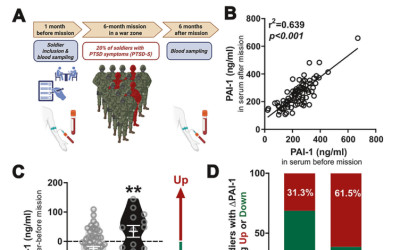
Post-traumatic stress disorder (PTSD) is a severe stress-related psychiatric condition triggered by traumatic life-threatening events, characterized notably by an altered memory profile. Although clinically well-documented, no specific biomarker exists. This translational study identifies plasminogen activator inhibitor-1 (PAI-1) as a brain risk factor for PTSD, thereby supporting its potential as a blood-derived biomarker. Mice with genetically ablated PAI-1 were protected from developing a PTSD-like memory profile. Conversely, mice exhibiting PTSD-like cognitive impairment showed increased blood PAI-1 levels, correlating with their profile severity. In the brain, PAI-1 levels were specifically increased in the dorsal hippocampus, a key region for cognitive functions and in the etiology of PTSD. Finally, a longitudinal study of soldiers revealed that those developing PTSD symptoms exhibit rising blood PAI-1 levels over a 12-month period. Its significant association with various indicators of PTSD-related psychological distress attests to PAI-1's potential as a blood biomarker and brain therapeutic target for PTSD.


03/2026 | fr j urol
Risk factors for RNA integrity in fresh-frozen renal cancer samples from routine practice (UroCCR 9).
Margue G, Capon G, Niort BC, Donon L, Soulet F, Quemener C, Merlio JP, Letenneur L, Doussau A, Jullien de Pommerol M, Drutel G, Gross-Goupil M, Yacoub M, Bikfalvi A, Bernhard JC

Abstract:
INTRODUCTION: High-quality biospecimens are essential for transcriptomic analyses in renal cell carcinoma (RCC), yet real-world determinants of RNA integrity in routine surgical settings remain insufficiently documented. This study aimed to evaluate RNA quantity and quality from cryopreserved RCC tissues and identify factors associated with RNA degradation. MATERIAL AND METHODS: We conducted a retrospective analysis of 160 patients who underwent surgery for clear cell RCC and included in the UroCCR network (2005-2012). Tumor and matched normal kidney tissues were prospectively collected during partial or radical nephrectomy and snap-frozen. RNA was extracted using an automated protocol. RNA concentration was measured by NanoDrop spectrophotometry, and RNA quality was assessed using the RNA Quality Score (RQS). Multivariate linear regression models with random intercepts were used to identify factors associated with RNA degradation. RESULTS: RNA extraction was successful in 302 of 310 samples. RNA concentration exceeded 25ng/muL in 93% of samples, and 78.4% met both quantitative and qualitative criteria (RQS>/=6). Mean RNA concentration was 128.8+/-104.4ng/muL, and mean RQS was 7.52+/-1.40. Tumor tissue showed higher RNA quality than matched healthy tissue (mean RQS: 8.33+/-1.02 vs. 6.66+/-1.30; P<0.001). Preoperative embolization was independently associated with lower RNA quality (P<0.001). Freezing delay (mean 30+/-25min) and duration of storage were not associated with RNA degradation. CONCLUSION: High-quality RNA can be extracted from fresh-frozen RCC tissues under routine clinical conditions. RNA integrity is mainly influenced by tumour biology rather than procedural delays, supporting biologically informed biobanking strategies.


08/06/2023 | Nat Med
Signaling-specific inhibition of the CB(1) receptor for cannabis use disorder: phase 1 and phase 2a randomized trials.
Haney M, Vallee M, Fabre S, Collins Reed S, Zanese M, Campistron G, Arout CA, Foltin RW, Cooper ZD, Kearney-Ramos T, Metna M, Justinova Z, Schindler C, Hebert-Chatelain E, Bellocchio L, Cathala A, Bari A, Serrat R, Finlay DB, Caraci F, Redon B, Martin-Garcia E, Busquets-Garcia A, Matias I, Levin FR, Felpin FX, Simon N, Cota D, Spampinato U, Maldonado R, Shaham Y, Glass M, Thomsen LL, Mengel H, Marsicano G, Monlezun S, Revest JM, Piazza PV
doi: 10.1038/s41591-023-02381-w

Abstract:
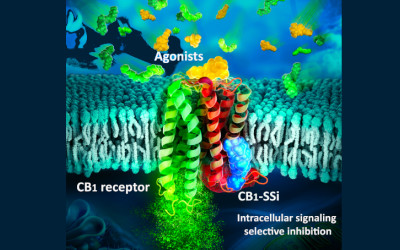
Cannabis use disorder (CUD) is widespread, and there is no pharmacotherapy to facilitate its treatment. AEF0117, the first of a new pharmacological class, is a signaling-specific inhibitor of the cannabinoid receptor 1 (CB(1)-SSi). AEF0117 selectively inhibits a subset of intracellular effects resulting from Delta(9)-tetrahydrocannabinol (THC) binding without modifying behavior per se. In mice and non-human primates, AEF0117 decreased cannabinoid self-administration and THC-related behavioral impairment without producing significant adverse effects. In single-ascending-dose (0.2 mg, 0.6 mg, 2 mg and 6 mg; n = 40) and multiple-ascending-dose (0.6 mg, 2 mg and 6 mg; n = 24) phase 1 trials, healthy volunteers were randomized to ascending-dose cohorts (n = 8 per cohort; 6:2 AEF0117 to placebo randomization). In both studies, AEF0117 was safe and well tolerated (primary outcome measurements). In a double-blind, placebo-controlled, crossover phase 2a trial, volunteers with CUD were randomized to two ascending-dose cohorts (0.06 mg, n = 14; 1 mg, n = 15). AEF0117 significantly reduced cannabis' positive subjective effects (primary outcome measurement, assessed by visual analog scales) by 19% (0.06 mg) and 38% (1 mg) compared to placebo (P < 0.04). AEF0117 (1 mg) also reduced cannabis self-administration (P < 0.05). In volunteers with CUD, AEF0117 was well tolerated and did not precipitate cannabis withdrawal. These data suggest that AEF0117 is a safe and potentially efficacious treatment for CUD.ClinicalTrials.gov identifiers: NCT03325595 , NCT03443895 and NCT03717272 .



Abstract:
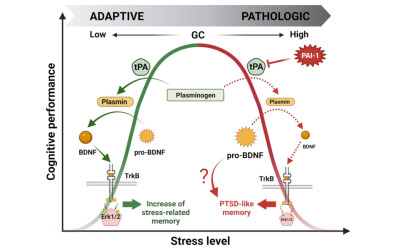
Stressful events trigger a set of complex biological responses which follow a bell-shaped pattern. Low-stress conditions have been shown to elicit beneficial effects, notably on synaptic plasticity together with an increase in cognitive processes. In contrast, overly intense stress can have deleterious behavioral effects leading to several stress-related pathologies such as anxiety, depression, substance use, obsessive-compulsive and stressor- and trauma-related disorders (e.g., post-traumatic stress disorder or PTSD in the case of traumatic events). Over a number of years, we have demonstrated that in response to stress, glucocorticoid hormones (GCs) in the hippocampus mediate a molecular shift in the balance between the expression of the tissue plasminogen activator (tPA) and its own inhibitor plasminogen activator inhibitor-1 (PAI-1) proteins. Interestingly, a shift in favor of PAI-1 was responsible for PTSD-like memory induction. In this review, after describing the biological system involving GCs, we highlight the key role of tPA/PAI-1 imbalance observed in preclinical and clinical studies associated with the emergence of stress-related pathological conditions. Thus, tPA/PAI-1 protein levels could be predictive biomarkers of the subsequent onset of stress-related disorders, and pharmacological modulation of their activity could be a potential new therapeutic approach for these debilitating conditions.


Abstract:
The emergence of metabolomics and quantification approaches is revealing new biomarkers applied to drug discovery. In this context, tandem mass spectrometry is the method of choice, requiring a specific validation process for preclinical and clinical applications. Research on the two classes of lipid mediators, steroids and cannabinoids, has revealed a potential interaction in cannabis addiction and metabolism-related disorders. Here we present the development of GC-MS/MS and LC-MS/MS methods for routine quantification of targeted steroids and cannabinoids, respectively. The methods were developed using an isotopic approach, including validation for linearity, selectivity, LLOQ determination, matrix effect, carryover, between- and within-run accuracy and precision, and stability tests to measure 11 steroids and seven cannabinoids in human plasma. These methods were satisfactory for most validity conditions, although not all met the acceptance criteria for all analytes. A comparison of calibration curves in biological and surrogate matrices and in methanol showed that the latter condition was more applicable for our quantification of endogenous compounds. In conclusion, the validation of our methods met the criteria for GLP-qualified rather than GLP-validated methods, which can be used for routine analytical studies for dedicated preclinical and clinical purposes, by combining appropriate system suitability testing, including quality controls in the biological matrix.


10/06/2022 | Mol Cell Neurosci
Differential expression of serotonin(2B) receptors in GABAergic and serotoninergic neurons of the rat and mouse dorsal raphe nucleus.
Cathala A, Lucas G, López-Terrones E, Revest JM, Artigas F, Spampinato U
doi: 10.1016/j.mcn.2022.103750

Abstract:
The central serotonin(2B) receptor (5-HT(2B)R) modulates 5-HT and dopamine (DA) neuronal function in the mammalian brain and has been suggested as a potential target for the treatment of neuropsychiatric disorders involving derangements of these monoamine systems, such as schizophrenia, cocaine abuse and dependence and major depressive disorder. Studies in rats and mice yielded contrasting results on the control of 5-HT/DA networks by 5-HT(2B)Rs, thereby leading to opposite views on the therapeutic potential of 5-HT(2B)R agents for treating the above disorders. These discrepancies may result from anatomo-functional differences related to a different cellular location of 5-HT(2B)Rs in rat and mouse brain. Using immunohistochemistry, we assessed this hypothesis by examining the expression of 5-HT(2B)Rs in 5-HT and GABAergic neurons of rats and mice within different subregions of the dorsal raphe nucleus (DRN), currently considered as the main site of action of 5-HT(2B) agents. Likewise, using in vivo microdialysis, we examined their functional relevance in the control of DRN 5-HT outflow, a surrogate index of 5-HT neuronal activity. In the DRN of both species, 5-HT(2B)Rs are expressed in 5-HT cells expressing tryptophan hydroxylase 2 (TPH(2)), in GABAergic cells expressing glutamic acid decarboxylase 67 (GAD67), and in cells expressing both markers (GAD67 & TPH(2); i.e., GABA-expressing 5-HT neurons). The proportion of 5-HT(2B)R-positive cells expressing only TPH(2) was significantly larger in mouse than in rat DRN, whereas the opposite holds true for the expression in cells expressing GAD67 & TPH(2). No major species differences were found in the dorsal and ventral subregions. In contrast, the lateral subregion exhibited large differences, with a predominant expression of 5-HT(2B)Rs in TPH(2)-positive cells in mice (67.2 vs 19.9 % in rats), associated with a lower expression in GAD67 & TPH(2) cells (7.9 % in mice vs 41.5 % in rats). Intra-DRN (0.1 μM) administration of the preferential 5-HT(2B)R agonist BW 723C86 decreased and increased DRN 5-HT outflow in rats and mice respectively, both effects being prevented by the intra-DRN perfusion of the selective 5-HT(2B)R antagonist RS 127445 (0.1 μM). Altogether, these results show the existence of anatomical differences in the cellular expression of 5-HT(2B)Rs in the rat and mouse DRN, which translate into an opposite control of 5-HT outflow. Also, they highlight the relevance of the subset of GAD67-positive 5-HT neurons as a key factor responsible for the functional differences between rats and mice in terms of 5-HT neuronal activity modulation.


29/04/2022 | cannabis cannabinoid res
The Relationship Between Circulating Endogenous Cannabinoids and the Effects of Smoked Cannabis.
Kearney-Ramos T, Herrmann ES, Belluomo I, Matias I, Vallee M, Monlezun S, Piazza PV, Haney M
doi: 10.1089/can.2021.0185

Abstract:
Background: The endogenous cannabinoid system (ECS), including the endocannabinoids (eCBs), anandamide (AEA), and 2-arachidonoylglycerol (2-AG), plays an integral role in psychophysiological functions. Although frequent cannabis use is associated with adaptations in the ECS, the impact of acute smoked cannabis administration on circulating eCBs, and the relationship between cannabis effects and circulating eCBs are poorly understood. Methods: This study measured the plasma levels of AEA, 2-AG, and Delta-9-tetrahydrocannabinol (THC), subjective drug-effects ratings, and cardiovascular measures at baseline and 15-180 min after cannabis users (n=26) smoked 70% of a cannabis cigarette (5.6% THC). Results: Cannabis administration increased the ratings of intoxication, heart rate, and plasma THC levels relative to baseline. Although cannabis administration did not affect eCB levels relative to baseline, there was a significant positive correlation between baseline AEA levels and peak ratings of 'High' and 'Good Drug Effect.' Further, baseline 2-AG levels negatively correlated with frequency of cannabis use (mean days/week) and with baseline THC metabolite levels. Conclusions: In a subset of heavy cannabis smokers: (1) more frequent cannabis use was associated with lower baseline 2-AG, and (2) those with lower AEA got less intoxicated after smoking cannabis. These findings contribute to a sparse literature on the interaction between endo- and phyto-cannabinoids. Future studies in participants with varied cannabis use patterns are needed to clarify the association between circulating eCBs and the abuse-related effects of cannabis, and to test whether baseline eCBs predict the intoxicating effects of cannabis and are a potential biomarker of cannabis tolerance.


11/02/2022 | Mol Cell Neurosci
Differential expression of the neuronal CB1 cannabinoid receptor in the hippocampus of male Ts65Dn Down syndrome mouse model.
Di Franco N, Drutel G, Roullot-Lacarriere V, Julio-Kalajzic F, Lalanne V, Grel A, Leste-Lasserre T, Matias I, Cannich A, Gonzales D, Simon V, Cota D, Marsicano G, Piazza PV, Vallee M, Revest JM
doi: 10.1016/j.mcn.2022.103705

Abstract:
Down syndrome (DS) or Trisomy 21 is the most common genetic cause of mental retardation with severe learning and memory deficits. DS is due to the complete or partial triplication of human chromosome 21 (HSA21) triggering gene overexpression and protein synthesis alterations responsible for a plethora of mental and physical phenotypes. Among the diverse brain target systems that affect hippocampal-dependent learning and memory deficit impairments in DS, the upregulation of the endocannabinoid system (ECS), and notably the overexpression of the cannabinoid type-1 receptor (CB1), seems to play a major role. Combining various protein and gene expression targeted approaches using western blot, qRT-PCR and FISH techniques, we investigated the expression pattern of ECS components in the hippocampus (HPC) of male Ts65Dn mice. Among all the molecules that constitute the ECS, we found that the expression of the CB1 is altered in the HPC of Ts65Dn mice. CB1 distribution is differentially segregated between the dorsal and ventral part of the HPC and within the different cell populations that compose the HPC. CB1 expression is upregulated in GABAergic neurons of Ts65Dn mice whereas it is downregulated in glutamatergic neurons. These results highlight a complex regulation of the CB1 encoding gene (Cnr1) in Ts65Dn mice that could open new therapeutic solutions for this syndrome.


Abstract:
Pregnenolone is a steroid with specific characteristics, being the first steroid to be synthesised from cholesterol at all sites of steroidogenesis, including the brain. For many years, pregnenolone was defined as an inactive precursor of all steroids because no specific target had been discovered. However, over the last decade, it has become a steroid of interest because it has been recognised as being a biomarker for brain-related disorders through the development of metabolomic approaches and advanced analytical methods. In addition, physiological roles for pregnenolone emerged when specific targets were discovered. In this review, we highlight the discovery of the selective interaction of pregnenolone with the type-1 cannabinoid receptor (CB1R). After describing the specific characteristic of CB1Rs, we discuss the newly discovered mechanisms of their regulation by pregnenolone. In particular, we describe the action of pregnenolone as a negative allosteric modulator and a specific signalling inhibitor of the CB1R. These particular characteristics of pregnenolone provide a great strategic opportunity for therapeutic development in CB1-related disorders. Finally, we outline new perspectives using innovative genetic tools for the discovery of original regulatory mechanisms of pregnenolone on CB1-related functions.


28/01/2021 | Mol Psychiatry
PAI-1 protein is a key molecular effector in the transition from normal to PTSD-like fear memory.
Bouarab C*, Lacarriere V*, Vallee M, Leroux A, Guette C, Mennesson M, Marighetto A, Desmedt A*, Piazza PV*, Revest JM*
doi: 10.1038/s41380-021-01024-1

Abstract:
Moderate stress increases memory and facilitates adaptation. In contrast, intense stress can induce pathological memories as observed in post-traumatic stress disorders (PTSD). A shift in the balance between the expression of tPA and PAI-1 proteins is responsible for this transition. In conditions of moderate stress, glucocorticoid hormones increase the expression of the tPA protein in the hippocampal brain region which by triggering the Erk1/2(MAPK) signaling cascade strengthens memory. When stress is particularly intense, very high levels of glucocorticoid hormones then increase the production of PAI-1 protein, which by blocking the activity of tPA induces PTSD-like memories. PAI-1 levels after trauma could be a predictive biomarker of the subsequent appearance of PTSD and pharmacological inhibition of PAI-1 activity a new therapeutic approach to this debilitating condition.


Abstract:
Serotonin2B receptor (5-HT2BR) antagonists inhibit cocaine-induced hyperlocomotion independently of changes of accumbal dopamine (DA) release. Given the tight relationship between accumbal DA activity and locomotion, and the inhibitory role of medial prefrontal cortex (mPFC) DA on subcortical DA neurotransmission and DA-dependent behaviors, it has been suggested that the suppressive effect of 5-HT2BR antagonists on cocaine-induced hyperlocomotion may result from an activation of mPFC DA outflow which would subsequently inhibit accumbal DA neurotransmission. Here, we tested this hypothesis by means of the two selective 5-HT2BR antagonists, RS 127445 and LY 266097, using a combination of neurochemical, behavioral and cellular approaches in male rats. The intraperitoneal (i.p.) administration of RS 127445 (0.16 mg/kg) or LY 266097 (0.63 mg/kg) potentiated cocaine (10 mg/kg, i.p.)-induced mPFC DA outflow. The suppressant effect of RS 127445 on cocaine-induced hyperlocomotion was no longer observed in rats with local 6-OHDA lesions in the mPFC. Also, RS 127445 blocked cocaine-induced changes of accumbal glycogen synthase kinase (GSK) 3beta phosphorylation, a postsynaptic cellular marker of DA neurotransmission. Finally, in keeping with the location of 5-HT2BRs on GABAergic interneurons in the dorsal raphe nucleus (DRN), the intra-DRN perfusion of the GABAAR antagonist bicuculline (100 muM) prevented the effect of the systemic or local (1 muM, intra-DRN) administration of RS 127445 on cocaine-induced mPFC DA outflow. Likewise, intra-DRN bicuculline injection (0.1 mug/0.2 mul) prevented the effect of the systemic RS 127445 administration on cocaine-induced hyperlocomotion and GSK3beta phosphorylation. These results show that DRN 5-HT2BR blockade suppresses cocaine-induced hyperlocomotion by potentiation of cocaine-induced DA outflow in the mPFC and the subsequent inhibition of accumbal DA neurotransmission.


09/12/2019 | J Neurosci Methods
Alpha technology: A powerful tool to detect mouse brain intracellular signaling events.
Zanese M*, Tomaselli G*, Roullot-Lacarriere V, Moreau M, Bellocchio L, Grel A, Marsicano G, Sans N, Vallee M, Revest JM
doi: 10.1016/j.jneumeth.2019.108543

Abstract:
BACKGROUND: Phosphorylation by protein kinases is a fundamental molecular process involved in the regulation of signaling activities in living organisms. Understanding this complex network of phosphorylation, especially phosphoproteins, is a necessary step for grasping the basis of cellular pathophysiology. Studying brain intracellular signaling is a particularly complex task due to the heterogeneous complex nature of the brain tissue, which consists of many embedded structures. NEW METHOD: Overcoming this degree of complexity requires a technology with a high throughput and economical in the amount of biological material used, so that a large number of signaling pathways may be analyzed in a large number of samples. We have turned to Alpha (Amplified Luminescent Proximity Homogeneous Assay) technology. COMPARISON WITH EXISTING METHOD: Western blot is certainly the most commonly used method to measure the phosphorylation state of proteins. Even though Western blot is an accurate and reliable method for analyzing modifications of proteins, it is a time-consuming and large amounts of samples are required. Those two parameters are critical when the goal of the research is to comprehend multi-signaling proteic events so as to analyze several targets from small brain areas. RESULT: Here we demonstrate that Alpha technology is particularly suitable for studying brain signaling pathways by allowing rapid, sensitive, reproducible and semi-quantitative detection of phosphoproteins from individual mouse brain tissue homogenates and from cell fractionation and synaptosomal preparations of mouse hippocampus. CONCLUSION: Alpha technology represents a major experimental step forward in unraveling the brain phosphoprotein-related molecular mechanisms involved in brain-related disorders.


Abstract:
The pregnenolone-progesterone-allopregnanolone pathway is receiving increasing attention in research on the role of neurosteroids in pathophysiology, particularly in stress-related and drug use disorders. These disorders involve an allostatic change that may result from deficiencies in allostasis or adaptive responses, and may be downregulated by adjustments in neurotransmission by neurosteroids. The following is an overview of findings that assess how pregnenolone and/or allopregnanolone concentrations are altered in animal models of stress and after consumption of alcohol or cannabis-type drugs, as well as in patients with depression, anxiety, post-traumatic stress disorder or psychosis and/or in those diagnosed with alcohol or cannabis use disorders. Preclinical and clinical evidence shows that pregnenolone and allopregnanolone, operating according to a different or common pharmacological profile involving GABAergic and/or endocannabinoid system, may be relevant biomarkers of psychiatric disorders for therapeutic purposes. Hence, ongoing clinical trials implicate synthetic analogs of pregnenolone or allopregnanolone, and also modulators of neurosteroidogenesis.


24/01/2019 | Neurobiol Dis
Cannabinoid type-1 receptor blockade restores neurological phenotypes in two models for Down syndrome.
Navarro-Romero A, Vazquez-Oliver A, Gomis-Gonzalez M, Garzon-Montesinos C, Falcon-Moya R, Pastor A, Martin-Garcia E, Pizarro N, Busquets-Garcia A, Revest JM, Piazza PV, Bosch F, Dierssen M, de la Torre R, Rodriguez-Moreno A, Maldonado R, Ozaita A
doi: 10.1016/j.nbd.2019.01.014

Abstract:
Intellectual disability is the most limiting hallmark of Down syndrome, for which there is no gold-standard clinical treatment yet. The endocannabinoid system is a widespread neuromodulatory system involved in multiple functions including learning and memory processes. Alterations of this system contribute to the pathogenesis of several neurological and neurodevelopmental disorders. However, the involvement of the endocannabinoid system in the pathogenesis of Down syndrome has not been explored before. We used the best-characterized preclinical model of Down syndrome, the segmentally trisomic Ts65Dn model. In male Ts65Dn mice, cannabinoid type-1 receptor (CB1R) expression was enhanced and its function increased in hippocampal excitatory terminals. Knockdown of CB1R in the hippocampus of male Ts65Dn mice restored hippocampal-dependent memory. Concomitant with this result, pharmacological inhibition of CB1R restored memory deficits, hippocampal synaptic plasticity and adult neurogenesis in the subgranular zone of the dentate gyrus. Notably, the blockade of CB1R also normalized hippocampal-dependent memory in female Ts65Dn mice. To further investigate the mechanisms involved, we used a second transgenic mouse model overexpressing a single gene candidate for Down syndrome cognitive phenotypes, the dual specificity tyrosine-phosphorylation-regulated kinase 1A (DYRK1A). CB1R pharmacological blockade similarly improved cognitive performance, synaptic plasticity and neurogenesis in transgenic male Dyrk1A mice. Our results identify CB1R as a novel druggable target potentially relevant for the improvement of cognitive deficits associated with Down syndrome.


Abstract:
The central serotonin2B receptor (5-HT2BR) is a well-established modulator of dopamine (DA) neuron activity in the rodent brain. Recent studies in rats have shown that the effect of 5-HT2BR antagonists on accumbal and medial prefrontal cortex (mPFC) DA outflow results from a primary action in the dorsal raphe nucleus (DRN), where they activate 5-HT neurons innervating the mPFC. Although the mechanisms underlying this interaction remain largely unknown, data in the literature suggest the involvement of DRN GABAergic interneurons in the control of 5-HT activity. The present study examined this hypothesis using in vivo (intracerebral microdialysis) and in vitro (immunohistochemistry coupled to reverse transcription-polymerase chain reaction) experimental approaches in rats. Intraperitoneal (0.16mg/kg) or intra-DRN (1muM) administration of the selective 5-HT2BR antagonist RS 127445 increased 5-HT outflow in both the DRN and the mPFC, these effects being prevented by the intra-DRN perfusion of the GABAA antagonist bicuculline (100muM), as well as by the subcutaneous (0.16mg/kg) or the intra-DRN (0.1muM) administration of the selective 5-HT1AR antagonist WAY 100635. The increase in DRN 5-HT outflow induced by the intra-DRN administration of the selective 5-HT reuptake inhibitor citalopram (0.1muM) was potentiated by the intra-DRN administration (0.5muM) of RS 127445 only in the absence of bicuculline perfusion. Finally, in vitro experiments revealed the presence of the 5-HT2BR mRNA on DRN GABAergic interneurons. Altogether, these results show that, in the rat DRN, 5-HT2BRs are located on GABAergic interneurons, and exert a tonic inhibitory control on 5-HT neurons innervating the mPFC.


21/03/2018 | Anal Chem
An isotope dilution based-targeted and non-targeted carbonyl neurosteroid/steroid profiling.
Sharp S, Mitchell SJ, Vallee M, Kuzmanova E, Cooper M, Belelli D, Lambert JJ, Huang JT
doi: 10.1021/acs.analchem.8b00055

Abstract:
Neurosteroids are brain-derived steroids, capable of rapidly modulating neuronal excitability in a non-genomic manner. Dysregulation of their synthesis, or metabolism has been implicated in many pathological conditions. Here, we describe an isotope dilution based targeted and non-targeted (ID-TNT) profiling of carbonyl neurosteroids/steroids. The method combines stable isotope dilution, hydroxylamine derivatization, high-resolution MS scanning and data dependent MS/MS analysis, allowing absolute quantification of pregnenolone, progesterone, 5alpha-dihydroprogesterone, 3alpha,5alpha-tetrahydroprogesterone and 3beta,5alpha-tetrahydroprogesterone, and relative quantification of other carbonyl containing steroids. The utility and validity of this approach was tested in an acute stress mouse model and via pharmacological manipulation of the steroid metabolic pathway with finasteride. We report that brain levels of 3alpha,5alpha-tetrahydroprogesterone, a potent enhancer of GABAA receptor (GABAAR-mediated inhibitory function, from control mice is in the 5-20 pmol/g range, a value greater than previously reported. The approach allows the use of data from targeted analysis to guide the normalization strategy for non-targeted data. Furthermore, novel findings, including a striking increase of brain pregnenolone following finasteride administration were discovered in this study. Collectively, our results indicate that this approach has distinct advantages for examining targeted and non-targeted neurosteroid/steroid pathways in animal models, and could facilitate a better understanding of the physiological and pathological roles of neurosteroids as modulators of brain excitability.


05/03/2018 | Mol Psychiatry
Depleting adult dentate gyrus neurogenesis increases cocaine-seeking behavior.
Deroche-Gamonet V, Revest JM, Fiancette JF, Balado E, Koehl M, Grosjean N, Abrous DN, Piazza PV
doi: 10.1038/s41380-018-0038-0

Abstract:
The hippocampus is the main locus for adult dentate gyrus (DG) neurogenesis. A number of studies have shown that aberrant DG neurogenesis correlates with many neuropsychiatric disorders, including drug addiction. Although clear causal relationships have been established between DG neurogenesis and memory dysfunction or mood-related disorders, evidence of the causal role of DG neurogenesis in drug-seeking behaviors has not been established. Here we assessed the role of new DG neurons in cocaine self-administration using an inducible transgenic approach that selectively depletes adult DG neurogenesis. Our results show that transgenic mice with decreased adult DG neurogenesis exhibit increased motivation to self-administer cocaine and a higher seeking response to cocaine-related cues. These results identify adult hippocampal neurogenesis as a key factor in vulnerability to cocaine addiction.


24/11/2017 | cell cycle
Regulation of RNA polymerase III transcription during transformation of human IMR90 fibroblasts with defined genetic elements.
Durrieu-Gaillard S, Dumay-Odelot H, Boldina G, Tourasse NJ, Allard D, Andre F, Macari F, Choquet A, Lagarde P, Drutel G, Leste-Lasserre T, Petitet M, Lesluyes T, Lartigue-Faustin L, Dupuy JW, Chibon F, Roeder RG, Joubert D, Vagner S, Teichmann M
doi: 10.1080/15384101.2017.1405881

Abstract:
RNA polymerase (Pol) III transcribes small untranslated RNAs that are essential for cellular homeostasis and growth. Its activity is regulated by inactivation of tumor suppressor proteins and overexpression of the oncogene c-MYC, but the concerted action of these tumor-promoting factors on Pol III transcription has not yet been assessed. In order to comprehensively analyse the regulation of Pol III transcription during tumorigenesis we employ a model system that relies on the expression of five genetic elements to achieve cellular transformation. Expression of these elements in six distinct transformation intermediate cell lines leads to the inactivation of TP53, RB1, and protein phosphatase 2A, as well as the activation of RAS and the protection of telomeres by TERT, thereby conducting to full tumoral transformation of IMR90 fibroblasts. Transformation is accompanied by moderately enhanced levels of a subset of Pol III-transcribed RNAs (7SK; MRP; H1). In addition, mRNA and/or protein levels of several Pol III subunits and transcription factors are upregulated, including increased protein levels of TFIIIB and TFIIIC subunits, of SNAPC1 and of Pol III subunits. Strikingly, the expression of POLR3G and of SNAPC1 is strongly enhanced during transformation in this cellular transformation model. Collectively, our data indicate that increased expression of several components of the Pol III transcription system accompanied by a 2-fold increase in steady state levels of a subset of Pol III RNAs is sufficient for sustaining tumor formation.


05/07/2017 | curr protoc neurosci
Cannabinoid-Induced Tetrad in Mice.
Metna-Laurent M, Mondesir M, Grel A, Vallee M, Piazza PV
doi: 10.1002/cpns.31

Abstract:
Cannabinoid-induced tetrad is a preclinical model commonly used to evaluate if a pharmacological compound is an agonist of the central type-1 cannabinoid (CB1) receptor in rodents. The tetrad is characterized by hypolocomotion, hypothermia, catalepsy, and analgesia, four phenotypes that are induced by acute administration of CB1 agonists exemplified by the prototypic cannabinoid delta-9-tetrahydrocannabinol (THC). This unit describes a standard protocol in mice to induce tetrad phenotypes with THC as reference cannabinoid. We provide typical results obtained with this procedure showing a dose effect of THC in different mouse strains. The effect of the CB1 antagonist rimonabant is also shown. This tetrad protocol is well adapted to reveal new compounds acting on CB1 receptors in vivo. (c) 2017 by John Wiley & Sons, Inc.


21/02/2017 | Mol Psychiatry
Pregnenolone blocks cannabinoid-induced acute psychotic-like states in mice.
Busquets-Garcia A, Soria-Gomez E, Redon B, Mackenbach Y, Vallee M, Chaouloff F, Varilh M, Ferreira G, Piazza PV, Marsicano G
doi: 10.1038/mp.2017.4

Abstract:
Cannabis-induced acute psychotic-like states (CIAPS) represent a growing health issue, but their underlying neurobiological mechanisms are poorly understood. The use of antipsychotics and benzodiazepines against CIAPS is limited by side effects and/or by their ability to tackle only certain aspects of psychosis. Thus, safer wide-spectrum treatments are currently needed. Although the blockade of cannabinoid type-1 receptor (CB1) had been suggested as a therapeutical means against CIAPS, the use of orthosteric CB1 receptor full antagonists is strongly limited by undesired side effects and low efficacy. The neurosteroid pregnenolone has been recently shown to act as a potent endogenous allosteric signal-specific inhibitor of CB1 receptors. Thus, we tested in mice the potential therapeutic use of pregnenolone against acute psychotic-like effects of Delta9-tetrahydrocannabinol (THC), the main psychoactive component of cannabis. We found that pregnenolone blocks a wide spectrum of THC-induced endophenotypes typically associated with psychotic-like states, including impairments in cognitive functions, somatosensory gating and social interaction. In order to capture THC-induced positive psychotic-like symptoms (e.g. perceptual delusions), we adapted a behavioral paradigm based on associations between different sensory modalities and selective devaluation, allowing the measurement of mental sensory representations in mice. Acting at hippocampal CB1 receptors, THC impaired the correct processing of mental sensory representations (reality testing) in an antipsychotic- and pregnenolone-sensitive manner. Overall, this work reveals that signal-specific inhibitors mimicking pregnenolone effects can be considered as promising new therapeutic tools to treat CIAPS.Molecular Psychiatry advance online publication, 21 February 2017; doi:10.1038/mp.2017.4.


24/01/2017 | Neuropharmacology
CRF1 receptor-deficiency increases cocaine reward.
Contarino A, Kitchener P, Vallee M, Papaleo F, Piazza PV
doi: 10.1016/j.neuropharm.2017.01.024

Abstract:
Stimulant drugs produce reward but also activate stress-responsive systems. The corticotropin-releasing factor (CRF) and the related hypothalamus-pituitary-adrenal (HPA) axis stress-responsive systems are activated by stimulant drugs. However, their role in stimulant drug-induced reward remains poorly understood. Herein, we report that CRF1 receptor-deficient (CRF1-/-), but not wild-type, mice show conditioned place preference (CPP) responses to a relatively low cocaine dose (5 mg/kg, i.p.). Conversely, wild-type, but not CRF1-/-, mice display CPP responses to a relatively high cocaine dose (20 mg/kg, i.p.), indicating that CRF1 receptor-deficiency alters the rewarding effects of cocaine. Acute pharmacological antagonism of the CRF1 receptor by antalarmin also eliminates cocaine reward. Nevertheless, CRF1-/- mice display higher stereotypy responses to cocaine than wild-type mice. Despite the very low plasma corticosterone concentration, CRF1-/- mice show higher nuclear glucocorticoid receptor (GR) levels in the brain region of the hippocampus than wild-type mice. Full rescue of wild-type-like corticosterone and GR circadian rhythm and level in CRF1-/- mice by exogenous corticosterone does not affect CRF1 receptor-dependent cocaine reward but induces stereotypy responses to cocaine. These results indicate a critical role for the CRF1 receptor in cocaine reward, independently of the closely related HPA axis activity.


31/05/2016 | Neuropharmacology
Differential control of dopamine ascending pathways by serotonin2B receptor antagonists: New opportunities for the treatment of schizophrenia.
Devroye C, Cathala A, Haddjeri N, Rovera R, Vallee M, Drago F, Piazza PV, Spampinato U
doi: 10.1016/j.neuropharm.2016.05.024

Abstract:
Recent studies suggest that the central serotonin2B receptor (5-HT2BR) could be an interesting pharmacological target for treating neuropsychiatric disorders related to dopamine (DA) dysfunction, such as schizophrenia. Thus, the present study was aimed at characterizing the role of 5-HT2BRs in the control of ascending DA pathway activity. Using neurochemical, electrophysiological and behavioral approaches, we assessed the effects of two selective 5-HT2BR antagonists, RS 127445 and LY 266097, on in vivo DA outflow in DA-innervated regions, on mesencephalic DA neuronal firing, as well as in behavioral tests predictive of antipsychotic efficacy and tolerability, such as phencyclidine (PCP)-induced deficit in novel object recognition (NOR) test, PCP-induced hyperlocomotion and catalepsy. Both RS 127445 (0.16 mg/kg, i.p.) and LY 266097 (0.63 mg/kg, i.p.) increased DA outflow in the medial prefrontal cortex (mPFC). RS 127445, devoid of effect in the striatum, decreased DA outflow in the nucleus accumbens, and potentiated haloperidol (0.1 mg/kg, s.c.)-induced increase in mPFC DA outflow. Also, RS 127445 decreased the firing rate of DA neurons in the ventral tegmental area, but had no effect in the substantia nigra pars compacta. Finally, both RS 127445 and LY 266097 reversed PCP-induced deficit in NOR test, and reduced PCP-induced hyperlocomotion, without inducing catalepsy. These results demonstrate that 5-HT2BRs exert a differential control on DA pathway activity, and suggest that 5-HT2BR antagonists could represent a new class of drugs for improved treatment of schizophrenia, with an ideal profile of effects expected to alleviate cognitive and positive symptoms, without eliciting extrapyramidal symptoms.


Abstract:
Considerable evidence from preclinical and clinical studies shows that steroids and in particular neurosteroids are important endogenous modulators of several brain-related functions. In this context, it remains to be elucidated whether neurosteroids may serve as biomarkers in the diagnosis of disorders and might have therapeutic potential for the treatment of these disorders. Pregnenolone (PREG) is the main steroid synthesized from cholesterol in mammals and invertebrates. PREG has three main sources of synthesis, the gonads, adrenal glands and brain and is submitted to various metabolizing pathways which are modulated depending on various factors including species, steroidogenic tissues and steroidogenic enzymes. Looking at the whole picture of steroids, PREG is often known as the precursor to other steroids and not as an active steroid per se. Actually, physiological and brain functions have been studied mainly for steroids that are very active either binding to specific intracellular receptors, or modulating with high affinity the abundant membrane receptors, GABAA or NMDA receptors. However, when high sensitive and specific methodological approaches were available to analyze low concentrations of steroids and then match endogenous levels of different steroid metabolomes, several studies have reported more significant alterations in PREG than in other steroids in extraphysiological or pathological conditions, suggesting that PREG could play a functional role as well. Additionally, several molecular targets of PREG were revealed in the mammalian brain and beneficial effects of PREG have been demonstrated in preclinical and clinical studies. On this basis, this review will be divided into three parts. The first provides a brief overview of the molecular targets of PREG and the pharmacological effects observed in animal and human studies. The second will focus on the possible functional role of PREG with an outline of the modulation of PREG levels in animal and in human research. Finally, the review will highlight the possible therapeutic uses of PREG that point towards the development of pregnenolone-like molecules.


Abstract:
Acute stress has been demonstrated to alter sensory gating processes, measured by the prepulse inhibition of the startle response (PPI). It is well known that brain and plasma levels of the neurosteroid allopregnanolone (ALLO) increase after acute environmental stress, fact that has been considered a homeostatic mechanism in restoring normal function following stress. Thus, it is of great interest to study the contribution of stress-altered plasma ALLO levels on PPI function. For this purpose, animals were injected with finasteride, an ALLO synthesis inhibitor, and submitted to swim stress before PPI testing. In order to obtain ALLO plasma levels, a separate set of animals that followed the same experimental procedure was used. We hypothesize that the blockade of ALLO production in response to stress can increase the stress-induced PPI disruption. In accordance with other authors, our results indicate that acute swim stress disrupted the normal PPI evolution (increase) related to the increase in prepulse intensities, and also decreased PPI at the highest prepulse intensity level (15db above background). Finasteride potentiated the PPI decrease induced by swim stress in the intermediate prepulse intensity (10db above background). As expected, plasma ALLO levels were increased in stressed animals and this increase was neutralized by prior finasteride administration. These results indicate that the neutralization of the physiological plasma ALLO levels increase after acute stress potentiates stress-induced PPI disruption. This data suggests that alterations in homeostatic ALLO synthesis mechanism may be linked to some neuropsychiatric disorders related to stress, such as anxiety/depression disorders.


01/11/2014 | Neuropharmacology
Serotonin receptor stimulation inhibits cocaine-induced Fos expression and DARPP-32 phosphorylation in the rat striatum independently of dopamine outflow.
Devroye C, Cathala A, Maitre M, Piazza PV, Abrous DN, Revest JM, Spampinato U

Abstract:
The serotonin2C receptor (5-HT2CR) is known to control dopamine (DA) neuron function by modulating DA neuronal firing and DA exocytosis at terminals. Recent studies assessing the influence of 5-HT2CRs on cocaine-induced neurochemical and behavioral responses have shown that 5-HT2CRs can also modulate mesoaccumbens DA pathway activity at post-synaptic level, by controlling DA transmission in the nucleus accumbens (NAc), independently of DA release itself. A similar mechanism has been proposed to occur at the level of the nigrostriatal DA system. Here, using in vivo microdialysis in freely moving rats and molecular approaches, we assessed this hypothesis by studying the influence of the 5-HT2CR agonist Ro 60-0175 on cocaine-induced responses in the striatum. The intraperitoneal (i.p.) administration of 1 mg/kg Ro 60-0175 had no effect on the increase in striatal DA outflow induced by cocaine (15 mg/kg, i.p.). Conversely, Ro 60-0175 inhibited cocaine-induced Fos immunoreactivity and phosphorylation of the DA and c-AMP regulated phosphoprotein of Mr 32 kDa (DARPP-32) at threonine 75 residue in the striatum. Finally, the suppressant effect of Ro 60-0175 on cocaine-induced DARPP-32 phosphorylation was reversed by the selective 5-HT2CR antagonist SB 242084 (0.5 mg/kg, i.p.). In keeping with the key role of DARPP-32 in DA neurotransmission, our results demonstrate that 5-HT2CRs are capable of modulating nigrostriatal DA pathway activity at post-synaptic level, by specifically controlling DA signaling in the striatum.


09/2014 | Mol Psychiatry
BDNF-TrkB signaling through Erk1/2 MAPK phosphorylation mediates the enhancement of fear memory induced by glucocorticoids.
Revest JM, Le Roux A, Roullot-Lacarriere V, Kaouane N, Vallee M, Kasanetz F, Rouge-Pont F, Tronche F, Desmedt A, Piazza PV
doi: 10.1038/mp.2013.134

Abstract:
Activation of glucocorticoid receptors (GR) by glucocorticoid hormones (GC) enhances contextual fear memories through the activation of the Erk1/2(MAPK) signaling pathway. However, the molecular mechanism mediating this effect of GC remains unknown. Here we used complementary molecular and behavioral approaches in mice and rats and in genetically modified mice in which the GR was conditionally deleted (GR(NesCre)). We identified the tPA-BDNF-TrkB signaling pathway as the upstream molecular effectors of GR-mediated phosphorylation of Erk1/2(MAPK) responsible for the enhancement of contextual fear memory. These findings complete our knowledge of the molecular cascade through which GC enhance contextual fear memory and highlight the role of tPA-BDNF-TrkB-Erk1/2(MAPK) signaling pathways as one of the core effectors of stress-related effects of GC.


Abstract:
RATIONALE: New research findings in the field of neuroactive steroids strongly suggest that to understand their role in physiopathology, it is essential to accurately measure their tissue levels. Through his broad chemical expertise and extensive knowledge of steroids, Dr. Robert H. Purdy pioneered structure-activity relationship studies on these compounds and developed innovative detection assays that are essential to assess their function in biological tissues. OBJECTIVE: The goal of the present paper is to point out the specific contributions of Dr. Purdy and his collaborators to the current knowledge on the role of neuroactive steroids in the modulation of memory and alcohol- and stress-related effects with particular emphasis on the detection assays he developed to assess their endogenous levels. Reviewed here are the major results as well as the original and valuable methodological strategies issued by the long-term collaboration between Dr Purdy and many scientists worldwide on the investigation of the structure-activity relationship of neuroactive steroids. RESULTS: Altogether, the data presented herein put forward the original notion that knowledge of the chemical structure of steroids is essential for their detection and the understanding of their role in physiological and pathological conditions, including the stress response. CONCLUSIONS: The current challenge is to identify and quantify using appropriate methods neuroactive steroids in the context of both animal and clinical studies in order to reveal how their levels change under physiological and disease states. Dr. Purdy passed away in September 2012, but scientists all over the world will always be grateful for his pioneering work on steroid chemistry and for his great enthusiasm in research.


Abstract:
In keeping with its ability to control the mesoaccumbens dopamine (DA) pathway, the serotonin2C receptor (5-HT2C R) plays a key role in mediating the behavioral and neurochemical effects of drugs of abuse. Studies assessing the influence of 5-HT2C R agonists on cocaine-induced responses have suggested that 5-HT2C Rs can modulate mesoaccumbens DA pathway activity independently of accumbal DA release, thereby controlling DA transmission in the nucleus accumbens (NAc). In the present study, we assessed this hypothesis by studying the influence of the 5-HT2C R agonist Ro 60-0175 on cocaine-induced behavioral, neurochemical and molecular responses. The i.p. administration of 1 mg/kg Ro 60-0175 inhibited hyperlocomotion induced by cocaine (15 mg/kg, i.p.), had no effect on cocaine-induced DA outflow in the shell, and increased it in the core subregion of the NAc. Furthermore, Ro 60-0175 inhibited the late-onset locomotion induced by the subcutaneous administration of the DA-D2 R agonist quinpirole (0.5 mg/kg), as well as cocaine-induced increase in c-Fos immunoreactivity in NAc subregions. Finally, Ro 60-0175 inhibited cocaine-induced phosphorylation of the DA and c-AMP regulated phosphoprotein of Mr 32 kDa (DARPP-32) at threonine residues in the NAc core, this effect being reversed by the selective 5-HT2C R antagonist SB 242084 (0.5 mg/kg, i.p.). Altogether, these findings demonstrate that 5-HT2C Rs are capable of modulating mesoaccumbens DA pathway activity at post-synaptic level by specifically controlling DA signaling in the NAc core subregion. In keeping with the tight relationship between locomotor activity and NAc DA function, this interaction could participate in the inhibitory control of cocaine-induced locomotor activity.


Abstract:
Allopregnanolone is a neurosteroid that has been reported to fluctuate during early developmental stages. Previous experiments reported the importance of neonatal endogenous allopregnanolone levels for the maturation of the central nervous system and particularly for the hippocampus. Changes in neonatal allopregnanolone levels have been related to altered adult behaviour and with psychopathological susceptibility, including anxiety disorders, schizophrenia and drug abuse. However, the mechanism underlying these changes remains to be elucidated. In the present study we assessed changes in hippocampal expression of alpha4 and delta GABAA receptor (GABAAR) subunits as a consequence of neonatal finasteride (a 5-alpha reductase inhibitor) administration during early development (PD6 to PD15) in male rats. We observed that the treatment altered the temporal window of the natural peak in the expression of these subunits during development. Additionally, the level of these subunits were higher than in non-handled and control animals in the adult hippocampus. We observed that in adulthood, neonatal finasteride-treated animals presented an anxiogenic-like profile in response to progesterone administration which was absent in the rest of the groups. In conclusion, these results corroborate the relevance of neonatal maintenance of neurosteroid levels for behavioural anxiety responses in the adult, and point to some of the mechanisms involved in this alterations.


02/2014 | Prog Neurobiol
Neonatal allopregnanolone levels alteration: effects on behavior and role of the hippocampus.
Darbra S, Modol L, Llido A, Casas C, Vallee M, Pallares M
doi: 10.1016/j.pneurobio.2013.07.007

Abstract:
Several works have pointed out the importance of the neurosteroid allopregnanolone for the maturation of the central nervous system and for adult behavior. The alteration of neonatal allopregnanolone levels in the first weeks of life alters emotional adult behavior and sensory gating processes. Without ruling out brain structures, some of these behavioral alterations seem to be related to a different functioning of the hippocampus in adult age. We focus here on the different behavioral studies that have revealed the importance of neonatal allopregnanolone levels for the adult response to novel environmental stimuli, anxiety-related behaviors and processing of sensory inputs (prepulse inhibition). An increase in neonatal physiological allopregnanolone levels decreases anxiety and increases novelty responses in adult age, thus affecting the individual response to environmental cues. These effects are also accompanied by a decrease in prepulse inhibition, indicating alterations in sensory gating that have been related to that present in disorders, such as schizophrenia. Moreover, behavioral studies have shown that some of these effects are related to a different functioning of the dorsal hippocampus, as the behavioral effects (decrease in anxiety and locomotion or increase in prepulse inhibition) of intrahippocampal allopregnanolone infusions in adult age are not present in those subjects in whom neonatal allopregnanolone levels were altered. Recent data indicated that this hippocampal involvement may be related to alterations in the expression of gamma-aminobutyric-acid receptors containing alpha4 and delta subunits, molecular alterations that can persist into adult age and that can, in part, explain the reported behavioral disturbances.


03/01/2014 | Science
Pregnenolone can protect the brain from cannabis intoxication.
Vallee M, Vitiello S, Bellocchio L, Hebert-Chatelain E, Monlezun S, Martin-Garcia E, Kasanetz F, Baillie GL, Panin F, Cathala A, Roullot-Lacarriere V, Fabre S, Hurst DP, Lynch DL, Shore DM, Deroche-Gamonet V, Spampinato U, Revest JM, Maldonado R, Reggio PH, Ross RA, Marsicano G, Piazza PV
doi: 10.1126/science.1243985

Abstract:
Pregnenolone is considered the inactive precursor of all steroid hormones, and its potential functional effects have been largely uninvestigated. The administration of the main active principle of Cannabis sativa (marijuana), Delta(9)-tetrahydrocannabinol (THC), substantially increases the synthesis of pregnenolone in the brain via activation of the type-1 cannabinoid (CB1) receptor. Pregnenolone then, acting as a signaling-specific inhibitor of the CB1 receptor, reduces several effects of THC. This negative feedback mediated by pregnenolone reveals a previously unknown paracrine/autocrine loop protecting the brain from CB1 receptor overactivation that could open an unforeseen approach for the treatment of cannabis intoxication and addiction.


Abstract:
Diverse studies indicate that the alteration of the physiological levels of neurosteroids in early neonatal phases provokes alterations in the maturation of certain cerebral structures. Allopregnanolone (ALLO) has important modulatory effects in the hippocampus during the postnatal period where the adult pattern of inhibitory transmission is being established. In order to study whether endogenous neonatal ALLO levels would be a determinant parameter involved in mediating adult hippocampal GABAA system maturation, we investigated the effects of neonatal finasteride (50mg/kg, SC) treatment and ALLO (ALLO; 20mg/kg, SC) supplementation on an animal behavioural model with relevance to neurodevelopmental disorder, such as schizophrenia. Two sets of experiments were conducted. Neonatal treatment (from postnatal day (pnd) 5 to pnd9) was performed in 23 male Wistar rats and steroid quantification was performed in hippocampal homogenates at pnd9. A second group (n=127) underwent neonatal treatment (pnd5-pnd9) and were submitted to hippocampal surgery at 80d. The behavioural response to bilateral intrahippocampal neurosteroid administration (ALLO, 0.2mug/0.5mul per side or pregnenolone sulphate 5ng/0.5mul per side) on novelty-induced exploration activity and prepulse inhibition (PPI) was assessed at 95d. Results showed that neonatal ALLO and finasteride administration decreased novelty directed exploratory behaviour and impaired the prepulse inhibition of the acoustic startle response at 95 days of age. Moreover, intrahippocampal ALLO increased head-dipping behaviour independently of the neonatal treatment, while intrahippocampal ALLO decreased PPI only in finasteride and ALLO groups. The results obtained in the present study indicate the importance of neonatal neurosteroid levels in the development of hippocampal function and their relevance in a behavioural phenotype that some have likened to that present in schizophrenia.


Abstract:
Neurosteroids (NS) are well known to exert modulatory effects on ionotropic receptors. Recent findings indicate that NS could also act as important factors during development. In this sense, neonatal modifications of Allopregnanolone (Allop) levels during critical periods have been demonstrate to alter the morphology of the hippocampus but also other brain structures. The aim of the present work is to screen whether the alterations of Allop levels modify adult CA1 hippocampal response to NS administration. For this purpose, pups were injected with Allop (20 mg/kg s.c.), Finasteride (5alpha-reductase inhibitor that impedes Allop synthesis) (50 mg/kg s.c.) or Vehicle from postnatal day 5 (P5) to postnatal day 9 (P9). NS levels were tested at P5. To test the behavioural hippocampal response to NS in adulthood, animals were implanted with a bilateral cannula into the CA1 hippocampus at 80 days old and injected with Allop (0.2 mug/0.5 mul), Pregnenolone sulphate (5 ng/0.5 mul) or Vehicle in each hippocampus. After injections animals were tested in the Boisser test to assess exploratory behaviour, the elevated plus maze to assess anxiety and the passive avoidance to test aversive learning. Results indicate that alteration of neonatal Allop or pregnenolone levels (by Allop and Finasteride administration, respectively) suppressed intrahippocampal Allop anxiolytic effect in the EPM. Moreover our results also indicate that manipulation of neonatal Allop levels (Allop and Finast administration) alters exploratory and anxiety-like behaviour and impairs aversive learning in the adulthood. These data point out the role of Allop in the maturation of hippocampal function and behaviour.


06/2012 | Int J Obes (Lond)
Simultaneous postprandial deregulation of the orexigenic endocannabinoid anandamide and the anorexigenic peptide YY in obesity.
Cherifi-Gatta B, Matias I, Vallee M, Tabarin A, Marsicano G, Piazza PV, Cota D
doi: 10.1038/ijo.2011.165

Abstract:
BACKGROUND: The endocannabinoid system is a potential pharmacotherapy target for obesity. However, the role of this system in human food intake regulation is currently unknown. METHODS: To test whether circulating endocannabinoids might functionally respond to food intake and verify whether these orexigenic signals are deregulated in obesity alongside with anorexigenic ones, we measured plasma anandamide (AEA), 2-arachidonoylglycerol (2-AG) and peptide YY (PYY) changes in response to a meal in 12 normal-weight and 12 non-diabetic, insulin-resistant obese individuals. RESULTS: Both normal-weight and obese subjects had a significant preprandial AEA peak. Postprandially, AEA levels significantly decreased in normal-weight, whereas no significant changes were observed in obese subjects. Similarly, PYY levels significantly increased in normal-weight subjects only. No meal-related changes were found for 2-AG. Postprandial AEA and PYY changes inversely correlated with waist circumference, and independently explained 20.7 and 21.3% of waist variance. Multiple regression analysis showed that postprandial AEA and PYY changes explained 34% of waist variance, with 8.2% of the variance commonly explained. CONCLUSION: These findings suggest that AEA might be a physiological meal initiator in humans and furthermore show that postprandially AEA and PYY are concomitantly deregulated in obesity.


15/05/2012 | Mol Psychiatry
Prefrontal synaptic markers of cocaine addiction-like behavior in rats.
Kasanetz F*, Lafourcade M*, Deroche-Gamonet V*, Revest JM, Berson N, Balado E, Fiancette JF, Renault P, Piazza PV*, Manzoni OJ*
doi: 10.1038/mp.2012.59

Abstract:
Defining the drug-induced neuroadaptations specifically associated with the behavioral manifestation of addiction is a daunting task. To address this issue, we used a behavioral model that differentiates rats controlling their drug use (Non-Addict-like) from rats undergoing transition to addiction (Addict-like). Dysfunctions in prefrontal cortex (PFC) synaptic circuits are thought to be responsible for the loss of control over drug taking that characterizes addicted individuals. Here, we studied the synaptic alterations in prelimbic PFC (pPFC) circuits associated with transition to addiction. We discovered that some of the changes induced by cocaine self-administration (SA), such as the impairment of the endocannabinoid-mediated long-term synaptic depression (eCB-LTD) was similarly abolished in Non-Addict- and Addict-like rats and thus unrelated to transition to addiction. In contrast, metabotropic glutamate receptor 2/3-mediated LTD (mGluR2/3-LTD) was specifically suppressed in Addict-like rats, which also show a concomitant postsynaptic plasticity expressed as a change in the relative contribution of AMPAR and NMDAR to basal glutamate-mediated synaptic transmission. Addiction-associated synaptic alterations in the pPFC were not fully developed at early stages of cocaine SA, when addiction-like behaviors are still absent, suggesting that pathological behaviors appear once the pPFC is compromised. These data identify specific synaptic impairments in the pPFC associated with addiction and support the idea that alterations of synaptic plasticity are core markers of drug dependence.Molecular Psychiatry advance online publication, 15 May 2012; doi:10.1038/mp.2012.59.


23/02/2012 | Science
Glucocorticoids Can Induce PTSD-Like Memory Impairments in Mice.
Kaouane N, Porte Y, Vallee M, Brayda-Bruno L, Mons N, Calandreau L, Marighetto A, Piazza PV, Desmedt A
doi: 10.1126/science.1207615

Abstract:
Post-traumatic stress disorder (PTSD) is characterized by a hypermnesia of the trauma and by a memory impairment that decreases the ability to restrict fear to the appropriate context. Infusion of glucocorticoids in the hippocampus after fear conditioning induces PTSD-like memory impairments and an altered pattern of neural activation in the hippocampal-amygdalar circuit. Mice become unable to identify the context as the right predictor of the threat and show fear responses for a discrete cue non-predicting the threat in normal conditions. These data demonstrate PTSD-like memory impairments in rodents and identify a potential pathophysiological mechanism of this condition.


02/2012 | Hippocampus
Adult-born neurons are necessary for extended contextual discrimination.
Tronel S, Belnoue L, Grosjean N, Revest JM, Piazza PV, Koehl M, Abrous DN
doi: 10.1002/hipo.20895

Abstract:
New neurons are continuously produced in the adult dentate gyrus of the hippocampus. It has been shown that one of the functions of adult neurogenesis is to support spatial pattern separation, a process that transforms similar memories into nonoverlapping representations. This prompted us to investigate whether adult-born neurons are required for discriminating two contexts, i.e., for identifying a familiar environment and detect any changes introduced in it. We show that depleting adult-born neurons impairs the animal's ability to disambiguate two contexts after extensive training. These data suggest that the continuous production of new dentate neurons plays a crucial role in extracting and separating efficiently contextual representation in order to discriminate features within events.


01/2012 | Pain
Implication of allopregnanolone in the antinociceptive effect of N-palmitoylethanolamide in acute or persistent pain.
Sasso O, Russo R, Vitiello S, Raso GM, D'Agostino G, Iacono A, Rana GL, Vallee M, Cuzzocrea S, Piazza PV, Meli R, Calignano A
doi: 10.1016/j.pain.2011.08.010

Abstract:
We investigated the involvement of de novo neurosteroid synthesis in the mechanisms underlying the analgesic and antihyperalgesic effects of N-palmitoylethanolamine (PEA) in two models of acute and persistent pain, the formalin test and carrageenan-induced paw edema. The pivotal role of peroxisome proliferator-activated receptor (PPAR)-alpha in the antinocifensive effect of PEA was confirmed by the lack of this effect in PPAR-alpha-null mice. PEA antinociceptive activity was partially reduced when the animals were treated with aminoglutethimide or finasteride, implying that de novo neurosteroid synthesis is involved in the effect of PEA. Accordingly, in the spinal cord, the allopregnanolone (ALLO) levels were increased by PEA treatment both in formalin- and carrageenan-exposed mice, as revealed by gas chromatography-mass spectrometry. In agreement with those data, in both pain models, PEA administration in challenged mice specifically restored the expression of two proteins involved in neurosteroidogenensis, the steroidogenic acute regulatory protein (StAR) and cytochrome P450 side-chain cleavage (P450scc) in the ipsilateral horns of spinal cord, without affecting their expression in the contralateral side. These results provide new information about the involvement of de novo neurosteroid synthesis in the modulation of pain behavior by PEA.


Abstract:
In the present study, we analyzed the effects of a systemic treatment with the competitive 3beta-hydroxysteroid dehydrogenase (3beta-HSD) inhibitor trilostane on: (i) neurosteroid and monoamine levels in the brain, and (ii) the antidepressant activity of steroids and antidepressants in the forced swimming test (FST). 3beta-HSD converts pregnenolone (PREG) into progesterone (PROG) or dehydroepiandrosterone (DHEA) into androstenedione. These neuroactive steroids are known to regulate neurotransmitters effects in the brain, particularly glutamate, gamma-aminobutyric acid (GABA) and serotonin (5-HT), with consequences on mood and depression. We previously reported that trilostane showed antidepressant-like properties in the FST and concomitantly regulated plasma adrenocorticotropin (ACTH) and corticosterone levels, markers of the stress-induced hypothalamus-pituitary-adrenal (HPA) axis activation. We here observed that adrenalectomy/castration blocked the trilostane effect, outlining the importance of peripheral steroid levels. Trilostane (25 mg/kg) decreased hippocampus PROG contents and paradoxically increased circulating PROG levels. It also increased PREG levels in the hippocampus and frontal cortex. In the FST, a co-treatment with trilostane facilitated DHEAS (5-20 mg/kg) antidepressant activity, but showed only an additive, not facilitative, effect with PREGS (10-40 mg/kg), PROG (10-40 mg/kg) or allopregnanolone (ALLO, 1-8 mg/kg). Trilostane (25 mg/kg) treatment significantly increased 5-HT and (-)-norepinephrine (NE) turnovers in the hippocampus, an effect likely related to its antidepressant action. In co-administration studies, trilostane further decreased immobility following fluoxetine (30-60 mg/kg), sertraline (20-40 mg/kg) and imipramine (20-40 mg/kg), but not desipramine (20-40 mg/kg), treatments. A significant additive effect was observed for the selective 5-HT reuptake inhibitors (SSRI) at their highest dose. This study confirmed that a systemic administration of trilostane directly affected peripheral and brain levels in neuroactive steroids and monoamine turnover, resulting in antidepressant activity. The drug could be proposed as a co-treatment with SSRI. This article is part of a Special Issue entitled 'Anxiety and Depression'.


14/09/2011 | EMBO J
Bidirectional integrative regulation of Cav1.2 calcium channel by microRNA miR-103: role in pain.
Favereaux A*, Thoumine O.*, Bouali-Benazzouz*, Roques V, Papon M.A., Abdel Salam S., Drutel G., Leger C, Calas A., Nagy F.*, Landry M.*

Abstract:
Chronic pain states are characterized by long-term sensitization of spinal cord neurons that relay nociceptive information to the brain. Among the mechanisms involved, up-regulation of Cav1.2-comprising L-type calcium channel (Cav1.2-LTC) in spinal dorsal horn have a crucial role in chronic neuropathic pain. Here, we address a mechanism of translational regulation of this calcium channel. Translational regulation by microRNAs is a key factor in the expression and function of eukaryotic genomes. Because perfect matching to target sequence is not required for inhibition, theoretically, microRNAs could regulate simultaneously multiple mRNAs. We show here that a single microRNA, miR-103, simultaneously regulates the expression of the three subunits forming Cav1.2-LTC in a novel integrative regulation. This regulation is bidirectional since knocking-down or over-expressing miR-103, respectively, up- or down-regulate the level of Cav1.2-LTC translation. Functionally, we show that miR-103 knockdown in naive rats results in hypersensitivity to pain. Moreover, we demonstrate that miR-103 is down-regulated in neuropathic animals and that miR-103 intrathecal applications successfully relieve pain, identifying miR-103 as a novel possible therapeutic target in neuropathic chronic pain.


Abstract:
The Central Nervous System (CNS) is constituted of complex and specific anatomical regions that cluster together and interact with each other with the ultimate objective of receiving and delivering information. This information is characterized by selective biochemical changes that happen within specific brain sub-regions. Most of these changes involve a dynamic balance between kinase and phosphatase activities. The fine-tuning of this kinase/phosphatase balance is thus critical for neuronal adaptation, transition to long-term responses and higher brain functions including specific behaviors. Data emerging from several biological systems may suggest that disruption of this dynamic cell signaling balance within specific brain sub-regions leads to behavioral impairments. Therefore, accurate and powerful techniques are required to study global changes in protein expression levels and protein activities in specific groups of cells. Laser-based systems for tissue microdissection represent a method of choice enabling more accurate proteomic profiling. The goal of this study was to develop a methodological approach using Laser Microdissection and Pressure Catapulting (LMPC) technology combined with an immunoblotting technique in order to specifically detect the expression of phosphoproteins in particular small brain areas.


05/2011 | Am J Pathol
Tissue microarray cytometry reveals positive impact of homeodomain interacting protein kinase 2 in colon cancer survival irrespective of p53 function.
Soubeyran I, Mahouche I, Grigoletto A, Leste-Lasserre T, Drutel G, Rey C, Pedeboscq S, Blanchard F, Brouste V, Sabourin JC, Becouarn Y, Reiffers J, Ichas F, De Giorgi F
doi: 10.1016/j.ajpath.2011.01.021

Abstract:
The human p53 gene is a tumor suppressor mutated in half of colon cancers. Although p53 function appears important for proliferation arrest and apoptosis induced by cancer therapeutics, the prognostic significance of p53 mutations remains elusive. This suggests that p53 function is modulated at a posttranslational level and that dysfunctions affecting its modulators can have a prognostic impact. Among p53 modulators, homeodomain interacting protein kinase (HIPK) 2 emerges as a candidate 'switch' governing p53 transition from a cytostatic to a proapoptotic function. Thus, we investigated the possible prognostic role of HIPK2 on a retrospective series of 80 colon cancer cases by setting up a multiplexed cytometric approach capable of exploring correlative protein expression at the single tumor cell level on TMA. Crossing the data with quantitative PCR and p53 gene sequencing and p53 functional assays, we observed the following: despite a strong impact on p21 transcription, the presence of disabling p53 mutations has no prognostic value, and the increased expression of the HIPK2 protein in tumor cells compared with paired normal tissue cells has a strong impact on survival. Unexpectedly, HIPK2 effect does not appear to be mediated by p53 function because it is also observed in p53-disabling mutated backgrounds. Thus, our results point to a prominent and p53-independent role of HIPK2 in colon cancer survival.


19/04/2011 | Proc Natl Acad Sci U S A
Conditional reduction of adult neurogenesis impairs bidirectional hippocampal synaptic plasticity.
Massa F, Koehl M, Wiesner T, Grosjean N, Revest JM, Piazza PV, Abrous DN, Oliet SH
doi: 10.1073/pnas.1016928108

Abstract:
Adult neurogenesis is a process by which the brain produces new neurons once development has ceased. Adult hippocampal neurogenesis has been linked to the relational processing of spatial information, a role attributed to the contribution of newborn neurons to long-term potentiation (LTP). However, whether newborn neurons also influence long-term depression (LTD), and how synaptic transmission and plasticity are affected as they incorporate their network, remain to be determined. To address these issues, we took advantage of a genetic model in which a majority of adult-born neurons can be selectively ablated in the dentate gyrus (DG) and, most importantly, in which neurogenesis can be restored on demand. Using electrophysiological recordings, we show that selective reduction of adult-born neurons impairs synaptic transmission at medial perforant pathway synapses onto DG granule cells. Furthermore, LTP and LTD are largely compromised at these synapses, probably as a result of an increased induction threshold. Whereas the deficits in synaptic transmission and plasticity are completely rescued by restoring neurogenesis, these synapses regain their ability to express LTP much faster than their ability to express LTD. These results demonstrate that both LTP and LTD are influenced by adult neurogenesis. They also indicate that as newborn neurons integrate their network, the ability to express bidirectional synaptic plasticity is largely improved at these synapses. These findings establish that adult neurogenesis is an important process for synaptic transmission and bidirectional plasticity in the DG, accounting for its role in efficiently integrating novel incoming information and in forming new memories.


18/02/2011 | Brain Behav Immun
Hormonal, hypothalamic and striatal responses to reduced body weight gain are
Pourtau L, Leemburg S, Roux P, Leste-Lasserre T, Costaglioli P, Garbay B, Drutel G, Konsman JP
doi: 10.1016/j.bbi.2011.02.004

Abstract:
Lack of compensatory or even reduced food intake is frequently observed in


12/2010 | Mol Psychiatry
The enhancement of stress-related memory by glucocorticoids depends on
Revest JM, Kaouane N, Mondin M, Le Roux A, Rouge-Pont F, Vallee M, Barik J, Tronche F, Desmedt A, Piazza PV
doi: 10.1038/mp.2010.40

Abstract:
The activation of glucocorticoid receptors (GR) by glucocorticoids increases


Abstract:
BACKGROUND: Sleep and cognitive impairments are two of the most prevalent neuropsychiatric disorders in the aged population. Age-related memory dysfunctions can result from alterations in sleep/wake circadian rhythm. However, the underlying mechanism of these alterations is unknown. Here, we demonstrate the role of alterations in brain steroid levels in age-related sleep-dependent memory impairment in rats. METHODS: Sleep/wake circadian activity and spatial memory performance were evaluated in adult, middle-aged, and aged rats, and steroid levels were measured in brain structures involved in mediating sleep-dependent memory processes using gas chromatography/mass spectrometry. The causal relationship between circadian activity and allopregnanolone levels was assessed using an inhibitor of allopregnanolone synthesis (indomethacin). RESULTS: Similar to observations in humans, a subpopulation of middle-aged and aged rats show flattened amplitude of circadian activity associated with impaired spatial long-term memory performance. Sleep-dependent memory dysfunction was associated with a low level of allopregnanolone in the hypothalamus, pedunculopontine nucleus, and ventral striatum. Inhibition of allopregnanolone synthesis in young rats decreased allopregnanolone in the hypothalamus and produced flattened amplitude of circadian activity similar to aged rats. CONCLUSIONS: These findings identify brainstem and basal forebrain allopregnanolone as an essential endogenous substrate involved in mediating sleep-dependent memory function in young and aged rats. Allopregnanolone may play a critical role in preserving individuals from age-induced alterations in sleep and memory processes and may represent a novel target for attenuating age-related declines in sleep and memory.


10/2009 | Mol Psychiatry
Adult hippocampal neurogenesis is involved in anxiety-related behaviors.
Revest JM, Dupret D, Koehl M, Funk-Reiter C, Grosjean N, Piazza PV, Abrous DN
doi: 10.1038/mp.2009.15

Abstract:
Adult hippocampal neurogenesis is a unique example of structural plasticity, the functional role of which has been a matter of intense debate. New transgenic models have recently shown that neurogenesis participates in hippocampus-mediated learning. Here, we show that transgenic animals, in which adult hippocampal neurogenesis has been specifically impaired, exhibit a striking increase in anxiety-related behaviors. Our results indicate that neurogenesis plays an important role in the regulation of affective states and could be the target of new treatments for anxiety disorders.


2009 | PLoS ONE
Transcriptional effects of glucocorticoid receptors in the dentate gyrus increase anxiety-related behaviors.
Sarrazin N*, Di Blasi F*, Roullot-Lacarriere V, Rouge-Pont F, Leroux A, Costet P, Revest JM*, Piazza PV*


2008 | J Cell Sci
p190B RhoGAP regulates endothelial-cell-associated proteolysis through MT1-MMP and MMP2
Guegan F, Tatin F, Leste-Lasserre T, Drutel G, Genot E, Moreau V
doi: 10.1242/jcs.025817

Abstract:
The two isoforms of p190 RhoGAP (p190A and p190B) are important regulators of RhoGTPase activity in mammalian cells. Both proteins are ubiquitously expressed, are involved in the same signalling pathways and interact with the same identified binding partners. In search of isoform functional specificity, we knocked down the expression of each p190 protein using siRNA and examined the resulting phenotypic changes in human umbilical vein endothelial cells (HUVECs). We provide evidence that p190B plays a crucial role in the regulation of MT1-MMP expression and cell-surface presentation, as well as subsequent MMP2 activation. p190B is involved in both local extracellular matrix degradation at podosomes and endothelial cell assembly into tube-like structures in Matrigel. In addition, whereas p190B knockdown does not affect podosome formation, p190A knockdown increases the number of cells showing podosome structures in HUVECs. We conclude that the two p190 RhoGAP isoforms play distinct roles in endothelial cells. In addition, our data reveal an unsuspected role for p190B in the expression of the two collaborative proteases MT1-MMP and MMP2, thereby affecting matrix remodelling and angiogenesis.


2008 | PLoS ONE
Spatial relational memory requires hippocampal adult neurogenesis.
Dupret D, Revest JM, Koehl M, Ichas F, De Giorgi F, Costet P, Abrous DN, Piazza PV
doi: 10.1371/journal.pone.0001959

Abstract:
The dentate gyrus of the hippocampus is one of the few regions of the mammalian brain where new neurons are generated throughout adulthood. This adult neurogenesis has been proposed as a novel mechanism that mediates spatial memory. However, data showing a causal relationship between neurogenesis and spatial memory are controversial. Here, we developed an inducible transgenic strategy allowing specific ablation of adult-born hippocampal neurons. This resulted in an impairment of spatial relational memory, which supports a capacity for flexible, inferential memory expression. In contrast, less complex forms of spatial knowledge were unaltered. These findings demonstrate that adult-born neurons are necessary for complex forms of hippocampus-mediated learning.


Abstract:
Cessation of lactation causes a massive loss of surplus lactotrophs in the rat pituitary gland. The factors and mechanisms involved in this phenomenon have not yet been elucidated. Besides its inhibitory control on prolactin secretion and lactotroph proliferation, evidence suggests that dopamine (DA) may be a proapoptotic factor for lactotrophs. We therefore tested the proapoptotic effect of DA on pituitary glands from virgin, lactating, and postlactating rats. By measuring mitochondrial membrane potential loss, caspase-3 activation, and nuclear fragmentation, we show that DA induces apoptosis specifically in lactotrophs from postlactating rats. We then determined that this effect was partly mediated by the DA transporter (DAT) rather than the D(2) receptor, as corroborated by the detection of DAT expression exclusively in lactotrophs from postlactating rats. We also observed tyrosine hydroxylase (TH) expression in postlactating lactotrophs that was accompanied by an increase in DA content in the anterior pituitary gland of postlactating compared with virgin rats. Finally, we observed that cells expressing TH coexpressed DAT and cleaved caspase-3. These findings show that DA may play a role in lactotroph regression during the postlactation period by inducing apoptosis. The fact that this process requires DAT and TH expression by lactotrophs themselves suggests that it may be 'autocrine' in nature.


Abstract:
RATIONALE: The neurosteroids pregnenolone sulfate (PREGS), dehydroepiandrosterone sulfate (DHEAS) and allopregnanolone (3alpha,5alpha THPROG) have been implicated as powerful modulators of memory processes and sleep states in young and aged subjects with memory impairment. As these processes depend on the integrity of cholinergic systems, a specific effect of neurosteroids on these systems may account for their effects on sleep and memory. OBJECTIVE: To review the evidence for a specific and differential effect of neurosteroids on cholinergic systems. METHODS: We carried out keyword searches in 'Medline' to identify articles concerning (1) the effects of neurosteroids on cholinergic systems, sleep and memory processes, and (2) changes in neurosteroid concentrations during aging. Few results are available for humans. Most data concerned rodents. RESULTS: Peripheral and central administrations of PREGS, DHEAS, and 3alpha,5alpha THPROG modulate the basal forebrain and brainstem projection cholinergic neurons but not striatal cholinergic interneurons. Local administration of neurosteroids to the basal forebrain and brainstem cholinergic neurons alters sleep and memory in rodents. There are a few conflicting reports concerning the effects of aging on neurosteroid concentrations in normal and pathological conditions. CONCLUSIONS: The specific modulation of basal forebrain and brainstem cholinergic systems by neurosteroids may account for the effects of these compounds on sleep and memory processes. To improve our understanding of the role of neurosteroids in cholinergic systems during normal and pathological aging, we need to determine whether there is specific regionalization of neurosteroids, and we need to investigate the relationship between neurosteroid concentrations in cholinergic nuclei and age-related sleep and memory impairments.


04/2006 | Mol Pharmacol
Discovery of naturally occurring splice variants of the rat histamine H3 receptor that act as dominant-negative isoforms
Bakker R A, Lozada A F, van Marle A, Shenton F C, Drutel G, Karlstedt K, Hoffmann M, Lintunen M, Yamamoto Y, van Rijn R M, Chazot P L, Panula P, Leurs R

Abstract:
We described previously the cDNA cloning of three functional rat histamine H3 receptor (rH3R) isoforms as well as the differential brain expression patterns of their corresponding mRNAs and signaling properties of the resulting rH3A, rH3B, and rH3C receptor isoforms (Mol Pharmacol 59:1-8). In the current report, we describe the cDNA cloning, mRNA localization in the rat central nervous system, and pharmacological characterization of three additional rH3R splice variants (rH3D, rH3E, and rH3F) that differ from the previously published isoforms in that they result from an additional alternative-splicing event. These new H3R isoforms lack the seventh transmembrane (TM) helix and contain an alternative, putatively extracellular, C terminus (6TM-rH3 isoforms). After heterologous expression in COS-7 cells, radioligand binding or functional responses upon the application of various H3R ligands could not be detected for the 6TM-rH3 isoforms. In contrast to the rH3A receptor (rH3AR), detection of the rH3D isoform using hemagglutinin antibodies revealed that the rH3D isoform remains mainly intracellular. The expression of the rH3D-F splice variants, however, modulates the cell surface expression-levels and subsequent functional responses of the 7TM H3R isoforms. Coexpression of the rH3AR and the rH3D isoforms resulted in the intracellular retention of the rH3AR and reduced rH3AR functionality. Finally, we show that in rat brain, the H3R mRNA expression levels are modulated upon treatment with the convulsant pentylenetetrazole, suggesting that the rH3R isoforms described herein thus represent a novel physiological mechanism for controlling the activity of the histaminergic system.


05/2005 | Nat Neurosci
The MAPK pathway and Egr-1 mediate stress-related behavioral effects of glucocorticoids
Revest J M, Di Blasi F, Kitchener P, Rouge-Pont F, Desmedt A, Turiault M, Tronche F, Piazza P V

Abstract:
Many of the behavioral consequences of stress are mediated by the activation of the glucocorticoid receptor by stress-induced high levels of glucocorticoid hormones. To explore the molecular mechanisms of these effects, we combined in vivo and in vitro approaches. We analyzed mice carrying a brain-specific mutation (GR(NesCre)) in the glucocorticoid receptor gene (GR, also called Nr3c1) and cell lines that either express endogenous glucocorticoid receptor or carry a constitutively active form of the receptor (DeltaGR) that can be transiently induced. In the hippocampus of the wild-type [corrected] mice after stress, as well as in the cell lines, activation of glucocorticoid receptors greatly increased the expression and enzymatic activity of proteins in the MAPK signaling pathway and led to an increase in the levels of both Egr-1 mRNA and protein. In parallel, inhibition of the MAPK pathway within the hippocampus abolished the increase in contextual fear conditioning induced by glucocorticoids. The present results provide a molecular mechanism for the stress-related effects of glucocorticoids on fear memories.


11/2004 | Exp Gerontol
New insights into the role of neuroactive steroids in cognitive aging.
Vallee M, George O, Vitiello S, Le Moal M, Mayo W

Abstract:
The aim of this article is to describe neuroactive steroid research that has been focused on their physiological role in cognitive aging, an attractive new field in experimental gerontology. Neuroactive steroids have been recently proposed as biomarkers of cognitive aging, however, their specific functions have not yet been fully established. For instance, data emerging from human and animal studies suggest a complex relationship between neuroactive steroids and/or metabolites and cognitive processes during aging. Thus, a better knowledge of neuroactive steroid brain distribution and function could broaden our understanding of their physiological roles and lead to novel and more effective treatments for the management of age-related brain disorders. To this end, newly developed sensitive, specific, and accurate mass spectrometry assays may allow the quantification of neuroactive steroids in discrete brain regions and greatly contribute to unravel their role in age-related cognitive deficits.


26/01/2004 | Eur J Pharmacol
Ethanol-induced increases in neuroactive steroids in the rat brain and plasma are absent in adrenalectomized and gonadectomized rats.
O'Dell LE, Alomary AA, Vallee M, Koob GF, Fitzgerald RL, Purdy RH

Abstract:
Peripheral administration of alcohol has been demonstrated to cause significant increases in neurosteroid levels in the brain and periphery. These findings have led to several theories suggesting a role for neurosteroids in the actions of alcohol. However, the anatomical sources of these steroids (e.g., brain or periphery) are as yet unknown. This study utilized gas chromatography/mass spectrometry (GC/MS) to assess the levels of several neuroactive steroids in plasma and brain frontal cortex 30-360 min following acute administration of alcohol (2 g/kg, i.p.). Concentrations of pregnenolone, allopregnanolone (3alpha-hydroxy-5alpha-pregnan-20-one), and allotetrahydrodeoxycorticosterone (3alpha,21-dihydroxy-5alpha-pregnan-20-one) were all measured. In order to determine the contribution of peripheral endocrine organs to neurosteroid responses, neuroactive steroid levels were measured in both intact and adrenalectomized/gonadectomized male Wistar rats 30 min after acute administration of alcohol. Intact animals exhibited a maximal increase of pregnenolone in plasma and frontal cortex 30 min after acute administration of alcohol. In addition, allopregnanolone levels increased, with a maximal effect observed at 60 min in plasma. However, in the adrenalectomized/gonadectomized groups treated with alcohol, no significant increases of pregnenolone, allopregnanolone, or allotetrahydrodeoxycorticosterone were found after 30 min. Thus, the alcohol-induced response was associated first with a relatively rapid increase in the first and rate-limiting step in the conversion of cholesterol to steroids, leading to increases in pregnenolone levels. This response was followed by the further secretion of the anxiolytic neuroactive steroids allopregnanolone and allotetrahydrodeoxycorticosterone, both of which appeared to be of adrenal and gonadal origin.


11/2003 | Development
A crucial role for Fgfr2-IIIb signalling in epidermal development and hair follicle patterning.
Petiot A, Conti FJ, Grose R, Revest JM, Hodivala-Dilke KM, Dickson C

Abstract:
To understand the role Fgf signalling in skin and hair follicle development, we analysed the phenotype of mice deficient for Fgfr2-IIIb and its main ligand Fgf10. These studies showed that the severe epidermal hypoplasia found in mice null for Fgfr2-IIIb is caused by a lack of the basal cell proliferation that normally results in a stratified epidermis. Although at term the epidermis of Fgfr2-IIIb null mice is only two to three cells thick, it expresses the classical markers of epidermal differentiation and establishes a functional barrier. Mice deficient for Fgf10 display a similar but less severe epidermal hypoplasia. By contrast, Fgfr2-IIIb-/-, but not Fgf10-/-, mice produced significantly fewer hair follicles, and their follicles were developmentally retarded. Following transplantation onto nude mice, grafts of Fgfr2-IIIb-/- skin showed impaired hair formation, with a decrease in hair density and the production of abnormal pelage hairs. Expression of Lef1, Shh and Bmp4 in the developing hair follicles of Fgfr2-IIIb-/- mice was similar to wild type. These results suggest that Fgf signalling positively regulates the number of keratinocytes needed to form a normal stratified epidermis and to initiate hair placode formation. In addition, Fgf signals are required for the growth and patterning of pelage hairs.


09/2003 | Prog Neurobiol
Individual differences in cognitive aging: implication of pregnenolone sulfate.
Mayo W, George O, Darbra S, Bouyer JJ, Vallee M, Darnaudery M, Pallares M, Lemaire-Mayo V, Le Moal M, Piazza PV, Abrous N

Abstract:
In humans and animals, individual differences in aging of cognitive functions are classically reported. Some old individuals exhibit performances similar to those of young subjects while others are severely impaired. In senescent animals, we have previously demonstrated a significant correlation between the cognitive performance and the cerebral concentration of a neurosteroid, the pregnenolone sulfate (PREG-S). Neurotransmitter systems modulated by this neurosteroid were unknown until our recent report of an enhancement of acetylcholine (ACh) release in basolateral amygdala, cortex and hippocampus induced by intracerebroventricular (i.c.v.) or intracerebral administrations of PREG-S. Central ACh neurotransmission is known to be involved in the regulation of memory processes and is affected in normal aging and severely altered in human neurodegenerative pathologies like Alzheimer's disease. In the central nervous system, ACh neurotransmission is also involved in the modulation of sleep-wakefulness cycle, and particularly the paradoxical sleep (PS). Relationships between paradoxical sleep and memory are documented in the literature in old animals in which the spatial memory performance positively correlates with the basal amounts of paradoxical sleep. PREG-S infused at the level of ACh cell bodies (nucleus basalis magnocellularis, NBM, or pedunculopontine nucleus, PPT) increases paradoxical sleep in young animals.Finally, aging related cognitive dysfunctions, particularly those observed in Alzheimer's disease, have also been related to alterations of mechanisms underlying cerebral plasticity. Amongst these mechanisms, neurogenesis has been extensively studied recently. Our data demonstrate that PREG-S central infusions dramatically increase neurogenesis, this effect could be related to the negative modulator properties of this steroid at the GABA(A) receptor level. Taken together these data suggest that neurosteroids can influence cognitive processes, particularly in senescent subjects, through a modulation of ACh neurotransmission associated with paradoxical sleep modifications; furthermore, our recent data suggest a critical role for neurosteroids in the modulation of cerebral plasticity, mainly on hippocampal neurogenesis.


06/2003 | J Steroid Biochem Mol Biol
Neuroactive steroids: new biomarkers of cognitive aging.
Vallee M, Purdy RH, Mayo W, Koob GF, Le Moal M

Abstract:
Intensive studies in animals established that neuroactive steroids display neuronal actions and influence behavioral functions. We describe here investigations on the role of neuroactive steroids in learning and memory processes during aging and suggest their role as biomarkers of cognitive aging. Our work demonstrated the role of the steroid pregnenolone (PREG) sulfate as a factor underlying an individual's age-related cognitive decline in animals. As new perspectives of research we argue that knowing whether neuroactive steroids exist as endogenous neuromodulators and modulate physiologically behavioral functions is essential. To this end, a new approach using the sensitive, specific, and accurate quantitative determination of neuroactive steroids by mass spectrometry seems to have potential for examining the role of each steroid in discrete brain areas in learning and memory alterations, as observed during aging.


01/2003 | alcohol clin exp res
Acutely administered ethanol participates in testosterone synthesis and increases testosterone in rat brain.
Alomary AA, Vallee M, O'Dell LE, Koob GF, Purdy RH, Fitzgerald RL

Abstract:
BACKGROUND: The interaction of alcohol and testosterone has long been of interest, mainly due to the effect of alcohol on aggression and sexual behavior. To date, there have been very few, if any, studies examining the effect of acute alcohol administration on testosterone concentrations in the brain. The administration of 1,1-dideuteroethanol ([1,1-2H2]ethanol) provided the opportunity to trace the deuterium label into newly synthesized deuterotestosterone in brain samples to determine whether ethanol oxidation was directly linked to testosterone synthesis. METHODS: Unoperated and adrenalectomized-gonadectomized (ADX/GDX) rats were given either ethanol or [1,1-2H2]ethanol in a single intraperitoneal dose of 2 g/kg body weight. We used gas chromatography/mass spectrometry to accurately determine both the amount of steroids present and the degree of deuterium incorporation into specific steroids isolated from brain samples. RESULTS: Thirty minutes after alcohol administration, the level of total testosterone increased 4-fold in the frontal cortex and 3-fold in the plasma of unoperated male Wistar rats. The relative increase in the abundance of monodeuterated testosterone 30 min after [1,1-2H2]ethanol administration was significant (p < 0.05) in both brain and plasma. ADX/GDX animals treated with alcohol had testosterone concentrations that were 5% of those found in unoperated animals dosed with ethanol. CONCLUSIONS: Acutely administered ethanol increased brain concentrations of testosterone 4-fold in male Wistar rats. ADX/GDX surgery reduced brain concentrations of testosterone in response to alcohol by 95%. The deuterium labeling of testosterone after [1,1-2H2]ethanol showed that ethanol oxidation is directly linked to testosterone biosynthesis and that the deuterium-labeled testosterone is present in the central nervous system. These results demonstrate that peripherally administered ethanol directly contributes to the concentrations of testosterone in the central nervous system and that the testosterone found in brain samples is primarily synthesized in the periphery. These findings may be important for understanding the behavioral changes associated with acute alcohol consumption.


06/2002 | Neurotox Res
Individual vulnerability to substance abuse and affective disorders: role of early environmental influences.
Koehl M, Lemaire V, Mayo W, Abrous DN, Maccari S, Piazza PV, Le Moal M, Vallee M

Abstract:
One of the most important questions raised by modern psychiatry and experimental psychopathology is the origin of mental diseases. More concisely, clinical and experimental neurosciences are increasingly concerned with the factors that render one individual more vulnerable than another to a given pathological outcome. Animal models are now available to understand the sources of individual differences for specific phenotypes prone to behavioral disadaptations. Over the last 10 years we have explored the consequences of environmental perinatal manipulations in the rat. We have shown that prenatal stress is at the origin of a wide range of physiological and behavioral aberrances such as alterations in the activity of the hormonal stress axis, increased vulnerability to drug of abuse, emotional liability, cognitive impairments and predisposition to pathological aging. Taken together, these abnormalities define a bio-behavioral syndrome. Furthermore, the cognitive disabilities observed in prenatally-stressed rats were recently related to an alteration of neurogenesis in the dentate gyrus, thus confirming the impact of early life events on brain morphology. A second model (handling model) has also been developed in which pups are briefly separated from their mothers during early postnatal life. In contrast with prenatally-stressed animals, handled rats exhibited a reduced emotion response when confronted with novel situations and were protected against age-induced impairments of both the hormonal stress axis and cognitive functions. Taken together, the results of these investigations show that the bio-behavioral phenotype that characterizes each individual is strongly linked to the nature and timing of perinatal experience. Furthermore, data collected in prenatally-stressed animals indicate that this model could be used profitably to understand the etiology and pathophysiology of affective disorders.


Abstract:
Pregnenolone sulphate (PREGS) has generated interest as one of the most potent memory-enhancing neurosteroids to be examined in rodent learning studies, with particular importance in the ageing process. The mechanism by which this endogenous steroid enhances memory formation is hypothesized to involve actions on glutamatergic and GABAergic systems. This hypothesis stems from findings that PREGS is a potent positive modulator of N-methyl-d-aspartate receptors (NMDARs) and a negative modulator of gamma-aminobutyric acid(A) receptors (GABA(A)Rs). Moreover, PREGS is able to reverse the amnesic-like effects of NMDAR and GABA(A)R ligands. To investigate this hypothesis, the present study in rats examined the memory-altering abilities of structural analogs of PREGS, which differ in their modulation of NMDAR and/or GABA(A)R function. The analogs tested were: 11-ketopregnenolone sulphate (an agent that is inactive at GABA(A)Rs and NMDARs), epipregnanolone ([3beta-hydroxy-5beta-pregnan-20-one] sulphate, an inhibitor of both GABA(A)Rs and NMDARs), and a newly synthesized (-) PREGS enantiomer (which is identical to PREGS in effects on GABA(A)Rs and NMDARs). The memory-enhancing effects of PREGS and its analogs were tested in the passive avoidance task using the model of scopolamine-induced amnesia. Both PREGS and its (-) enantiomer blocked the effects of scopolamine. The results show that, unlike PREGS, 11-ketopregnenolone sulphate and epipregnanolone sulphate failed to block the effect of scopolamine, suggesting that altering the modulation of NMDA receptors diminishes the memory-enhancing effects of PREGS. Moreover, enantioselectivity was demonstrated by the ability of natural PREGS to be an order of magnitude more effective than its synthetic enantiomer in reversing scopolamine-induced amnesia. These results identify a novel neuropharmacological site for the modulation of memory processes by neuroactive steroids.


Abstract:
Aging is a general process of functional decline which involves in particular a decline of cognitive abilities. However, the severity of this decline differs from one subject to another and inter-individual differences have been reported in humans and animals. These differences are of great interest especially as concerns investigation of the neurobiological factors involved in cognitive aging. Intensive pharmacological studies suggest that neurosteroids, which are steroids synthesized in the brain in an independent manner from peripheral steroid sources, could be involved in learning and memory processes. This review summarizes data in animals and humans in favor of a role of neurosteroids in cognitive aging. Studies in animals demonstrated that the neurosteroids pregnenolone (PREG) and dehydroepiandrosterone (DHEA), as sulfate derivatives (PREGS and DHEAS, respectively), display memory-enhancing properties in aged rodents. Moreover, it was recently shown that memory performance was correlated with PREGS levels in the hippocampus of 24-month-old rats. Human studies, however, have reported contradictory results. First, improvement of learning and memory dysfunction was found after DHEA administration to individuals with low DHEAS levels, but other studies failed to detect significant cognitive effects after DHEA administration. Second, cognitive dysfunctions have been associated with low DHEAS levels, high DHEAS levels, or high DHEA levels; while in other studies, no relationship was found. As future research perspectives, we propose the use of new methods of quantification of neurosteroids as a useful tool for understanding their respective role in improving learning and memory impairments associated with normal aging and/or with pathological aging, such as Alzheimer's disease.


15/08/2001 | Nucleic Acids Res
SOX6 binds CtBP2 to repress transcription from the Fgf-3 promoter.
Murakami A, Ishida S, Thurlow J, Revest JM, Dickson C

Abstract:
Fgf-3 is expressed in a complex pattern during mouse development. Previously, an essential regulatory element PS4A was identified in the promoter region, and shown to bind at least three factors. To identify the transcription factor(s), we used a yeast one-hybrid screen and obtained a novel Sox6 cDNA (SOX6D). When introduced into cells it strongly repressed activity from both an Fgf-3 reporter gene as well as an artificial promoter containing three PS4A elements. In situ hybridisation analysis showed that Sox6 and Fgf-3 are co-expressed in the otic vesicle of E9.5 mouse embryos in a mutually exclusive pattern, consistent with a repression of Fgf-3 transcription by SOX6. To characterise additional factor(s) involved in Fgf-3 gene repression, a yeast two-hybrid screen was used with the N-terminal portion of SOX6D. Mouse CtBP2 cDNA clones were isolated and shown to bind SOX6 in yeast and mammalian cells. Furthermore, mutational analysis of SOX6 showed that binding to CtBP2, and its responsiveness to this co-repressor, were dependent on a short amino acid sequence motif PLNLSS. Co-expression studies in NIH3T3 cells showed that SOX6 and CtBP2 co-operate to repress activity from the Fgf-3 promoter through the enhancer element PS4A. These results show that SOX6 can recruit CtBP2 to repress transcription from the Fgf-3 promoter.


15/08/2001 | J Immunol
Development of the thymus requires signaling through the fibroblast growth factor receptor R2-IIIb.
Revest JM, Suniara RK, Kerr K, Owen JJ, Dickson C

Abstract:
Mice deficient for fibroblast growth factor (Fgf)R2-IIIb show a block in thymic growth after embryonic day 12.5, a stage that just precedes its detection in thymic epithelial cells. Fgf7 and Fgf10, the main ligands for FgfR2-IIIb, are expressed in the mesenchyme surrounding the thymic epithelial primordium, and Fgf10-deficient mice also exhibit impaired thymic growth. Hence, Fgf signaling is essential for thymic epithelial proliferation. In addition to the proliferative block, most thymic epithelial cells fail to progress from an immature cytokeratin 5-positive to a cytokeratin 5-negative phenotype. Nevertheless, sufficient epithelial cell differentiation occurs in the severely hypoplastic thymus to allow the development of CD4/CD8-double-positive thymocytes and a very small number of single-positive thymocytes expressing TCRs.


Abstract:
Mice deficient for FgfR2-IIIb were generated by placing translational stop codons and an IRES-LacZ cassette into exon IIIb of FgfR2. Expression of the alternatively spliced receptor isoform, FgfR2-IIIc, was not affected in mice deficient for the IIIb isoform. FgfR2-IIIb(-/-) (lac)(Z) mice survive to term but show dysgenesis of the kidneys, salivary glands, adrenal glands, thymus, pancreas, skin, otic vesicles, glandular stomach, and hair follicles, and agenesis of the lungs, anterior pituitary, thyroid, teeth, and limbs. Detailed analysis of limb development revealed an essential role for FgfR2-IIIb in maintaining the AER. Its absence did not prevent expression of Fgf8, Fgf10, Bmp4, and Msx1, but did prevent induction of Shh and Fgf4, indicating that they are downstream targets of FgfR2-IIIb activation. In the absence of FgfR2-IIIb, extensive apoptosis of the limb bud ectoderm and mesenchyme occurs between E10 and E10.5, providing evidence that Fgfs act primarily as survival factors. We propose that FgfR2-IIIb is not required for limb bud initiation, but is essential for its maintenance and growth.


01/2001 | Mol Pharmacol
Identification of rat H3 receptor isoforms with different brain expression and signaling properties.
Drutel G, Peitsaro N, Karlstedt K, Wieland K, Smit MJ, Timmerman H, Panula P, Leurs R

Abstract:
We identified the cDNAs of three functional rat H3 receptor isoforms (H3A, H3B, and H3C) and one nonfunctional truncated H3 receptor (H3T). The H3A, H3B, and H3C receptor isoforms vary in the length of their third intracellular loop; the H3B and H3C receptor lack 32 and 48 amino acids, respectively. Transient expression of the H3A, H3B, and H3C receptors in COS-7 cells results in high affinity binding for the H3 antagonist [125I]iodophenpropit, which is displaced by selective H3 agonists and antagonists. The three isoforms differentially couple to the Gi protein-dependent inhibition of adenylate cyclase or stimulation of p44/p42 mitogen activated protein kinase (MAPK), a new signaling pathway for the H3 receptor. Whereas the H3A receptor was less effective in inhibiting forskolin-induced cAMP production compared with the H3B or H3C receptor, this isoform was more effective in the stimulation of p44/p42 MAPK. The H3 receptor isoforms also displayed differential CNS expression in key areas involved in regulation of sensory, endocrine, and cognitive functions. A differential H3 receptor isoform expression was seen in, for example, hippocampus, where a characteristic dorsoventral distribution was revealed. Differential H3 receptor expression was also characteristic for the cerebellum, indicating possible histaminergic regulation of motor functions. The identification of these new H3 receptor isoforms and their specific signaling properties adds a new level of complexity to our understanding of the role of histamine, and the H3 receptor in brain function. The heterogeneous distribution of the isoforms suggests that H3 receptor isoform-specific regulation is important in several brain functions.


01/2001 | Neurotox Res
Long term neurodevelopmental and behavioral effects of perinatal life events in rats.
Koehl M, Lemaire V, Vallee M, Abrous N, Piazza PV, Mayo W, Maccari S, Le Moal M

Abstract:
Modern neurosciences are now able to open new avenues concerning an experimental approach to clinical neurosciences and psychiatry. Detection and prediction of potential vulnerabilities such as behavioral disturbances and neurodegenerative diseases, are urgent tasks leading to prevention that must be encouraged in parallel to the enormous efforts displayed for treatments. Besides possible genetic origins of diseases, environmental factors are now coming under scrutiny, and especially deleterious and challenging life events and stress occurring during prenatal and postnatal critical periods may orient brain functions towards deleterious developments. The hypothesis that will be examined is that early events might be at the origin of pathological transformations and symptoms after long periods of apparent normal abilities and behavioral homeostasis. We used models of prenatal stress and postnatal manipulations such as cross-fostering. It will be demonstrated that such events induce long-term changes, cognitive and emotional modifications appearing first, when offspring are adults, followed by cognitive defects later in life. Increased sensitivity of the hypothalamic pituitary-adrenal axis (HPA), the endocrine system controlling the secretion of stress hormones (corticoids), appears to be a major element of pathogenesis. HPA axis dysfunction appears very early after birth (3 days) and lasts for months. Cumulative exposure to high levels of hormones seems to be detrimental for some brain regions, especially the hippocampus and major neurotransmitter systems such as dopamine neurons. We evidenced that neuronal modifications in hippocampal region are correlated with behavioral and cognitive defects, relating environment, stress in early life, hormonal changes, long-term neuropathological processes and impaired cognition in aging. Moreover appears in offspring, when adults, a proneness to engage in drug dependence. These data emphasize the need to consider early environmental life events as etiological factors for delayed neuropsychiatric disturbances, neurodegenerative defects included. Moreover, they strengthen the interest for a longitudinal approach to promote experimental psychopathology.


2001 | Int Rev Neurobiol
Neurosteroids in learning and memory processes.
Vallee M, Mayo W, Koob GF, Le Moal M

Abstract:
The discovery that neurosteroids could be synthesized de novo in the brain independent from the periphery and display neuronal actions led to great enthusiasm for the study of their physiological role. Pharmacological studies suggest that neurosteroids may be involved in several physiological processes, such as learning and memory. This chapter summarizes the effects of the administration of neurosteroids on learning and memory capabilities in rodents and in models of amnesia. We address the central mechanisms involved in mediating the modulation of learning and memory processes by neurosteroids. In this regard, the neurosteroid-modulated neurotransmitter systems, such as gamma-aminobutyric acid type A, N-methyl-D-aspartate, and cholinergic and sigma opioid systems, appear to be potential targets for the rapid memory alteration actions of neurosteroids. Moreover, given that some neurosteroids affect neuronal plasticity, this neuronal change could be involved in the long-term modulation of learning and memory processes. To understand the role of endogeneous neurosteroids in learning and memory processes, we present some physiological studies in rodents and humans. However, the latter do not successfully prove a role of endogenous neurosteroids in age-related memory impairments. Finally, we discuss the relative implication of a given neurosteroid vs its metabolites. For this question, a new approach using the quantitative determination of traces of neurosteroids by mass spectrometry seems to have potential for examining the role of each neurosteroid in discrete brain areas in learning and memory alterations, as observed during aging.


Abstract:
A simplified method for the quantitative analysis of neurosteroids in rat plasma and brain is described. The method uses negative chemical ionization gas chromatography/mass spectrometry and involves the synthesis of pentafluorobenzyloxime/trimethylsilyl ether derivatives with excellent chromatographic and electron-capturing properties. Deuterium-labeled analogs of the steroids of interest were synthesized and used as internal standards. The steroids (allopregnanolone, epiallopregnanolone, pregnenolone, testosterone, and dehydroepiandrosterone) were isolated from the plasma or brain matrix by a rapid and straightforward solid-phase extraction procedure. The mass spectrometer was operated in a selective ion monitoring mode, allowing for picograms of neurosteroids to be quantified from biological extracts. The method was linear (typical R(2) = 0.999) over the concentration range (100 to 8000 pg from 0.3 ml plasma and 250 to 8000 pg from 100 mg brain tissue) with good precision and accuracy. In experimental protocols, the procedure was suitable for measuring concentrations of endogenous neurosteroids in rat plasma and brain. Significant elevations (P < 0.001) were observed in the frontal cortex for allopregnanolone and pregnenolone following a swim stress and for allopregnanolone and epiallopregnanolone following allopregnanolone injection (8 mg/kg, sc). The present method allows accurate determination of neurosteroids and will be helpful in elucidating the role of neurosteroids in health and disease.


10/2000 | Eur J Neurosci
Two splice variants of the hypoxia-inducible factor HIF-1alpha as potential dimerization partners of ARNT2 in neurons.
Drutel G, Kathmann M, Heron A, Gros C, Mace S, Schwartz JC, Arrang JM

Abstract:
The hypoxia-inducible factor (HIF-1alpha), a basic helix-loop-helix transcription factor, is known to heterodimerize with ARNT1, a nuclear translocator, to trigger the overexpression in many cells of genes involved in resistance to hypoxia. Although HIF-1alpha and ARNT1 are both expressed in brain, their cellular localization and function therein are unknown. Here, using in situ hybridization and immunocytochemistry, we show that HIF-1alpha is expressed in normoxic cerebral neurons together with not only ARNT1 but also ARNT2, a cerebral translocator homologous to ARNT1 but displaying, unlike ARNT1, a selective neuronal expression. In contrast, other potential partners of the translocators, i.e. the aryl hydrocarbon receptor (AHR) and the single-minded protein 2 (SIM2), are not expressed in the adult brain. We also identify two splice variants of HIF-1alpha in brain, one of which dimerizes with ARNT2 even more avidly than with ARNT1. The resulting heterodimer, in contrast with the HIF-1alpha/ARNT1 complex, does not recognize the HIF-1-binding site of the hypoxia-induced erythropoietin (Epo) gene, suggesting that it controls transcription of a distinct set of genes. We therefore propose that HIF-1alpha and ARNT2 function as preferential dimerization partners in neurons to control specific responses, some of which may not be triggered by hypoxia. In support of this proposal, in nonhypoxic PC12 cells constitutively coexpressing HIF-1alpha, ARNT1 and ARNT2, downregulation of either HIF-1alpha or ARNT2, obtained with selective antisense nucleotides, resulted in inhibition of [3H]thymidine incorporation.


Abstract:
Fibroblast growth factors (FGFs) transmit their signals through four transmembrane receptors that are designated FGFR1-4. Alternative splicing in the extracellular region of FGFR1-3 generates receptor variants with different ligand binding affinities. Thus two types of transmembrane receptors (IIIb and IIIc isoforms) have been identified for FGFR2 and FGFR3, and the existence of analogous variants has been postulated for FGFR1 based on its genomic structure. However, only a single full-length transmembrane FGFR1 variant (FGFR1-IIIc) has been identified so far. Here we describe the cloning of a full-length cDNA encoding FGFR1-IIIb from a mouse skin wound cDNA library. This receptor isoform was expressed at the highest levels in a subset of sebaceous glands of the skin and in neurons of the hippocampus and the cerebellum. FGFR1-IIIb was expressed in L6 rat skeletal muscle myoblasts and used in cross-linking and receptor binding studies. FGF-1 was found to bind the receptor with high affinity, whereas FGF-2, -10, and -7 bound with significantly lower affinities. Despite their apparently similar but low affinities, FGF-10 but not FGF-7 induced the activation of p44/42 mitogen-activated protein kinase in FGFR1-IIIb-expressing L6 myoblasts and stimulated mitogenesis in these cells, demonstrating that this new receptor variant is a functional transmembrane receptor for FGF-10.


Abstract:
Fibroblast growth factors are a family of intercellular signaling molecules with multiple and varied roles in animal development. Most are exported from cells by means of a classical amino-terminal signal sequence that is cleaved from the mature protein during its passage through the secretory pathway. Fibroblast growth factor-9 (Fgf-9) does not contain a recognizable signal sequence, although it is efficiently secreted. In this study, we show that Fgf-9 enters the endoplasmic reticulum and traverses the Golgi complex in a similar manner to other constitutively secreted proteins. Deletion and point mutation analysis has revealed an atypical non-cleaved signal sequence within the amino-terminal region of Fgf-9. Moreover, the first 28 amino acids of Fgf-9 can function as an efficient non-cleaved signal peptide when appended to the amino terminus of green fluorescent protein.


02/2000 | Development
An important role for the IIIb isoform of fibroblast growth factor receptor 2 (FGFR2) in mesenchymal-epithelial signalling during mouse organogenesis.
De Moerlooze L, Spencer-Dene B, Revest JM, Hajihosseini M, Rosewell I, Dickson C

Abstract:
The fibroblast growth factor receptor 2 gene is differentially spliced to encode two transmembrane tyrosine kinase receptor proteins that have different ligand-binding specificities and exclusive tissue distributions. We have used Cre-mediated excision to generate mice lacking the IIIb form of fibroblast growth factor receptor 2 whilst retaining expression of the IIIc form. Fibroblast growth factor receptor 2(IIIb) null mice are viable until birth, but have severe defects of the limbs, lung and anterior pituitary gland. The development of these structures appears to initiate, but then fails with the tissues undergoing extensive apoptosis. There are also developmental abnormalities of the salivary glands, inner ear, teeth and skin, as well as minor defects in skull formation. Our findings point to a key role for fibroblast growth factor receptor 2(IIIb) in mesenchymal-epithelial signalling during early organogenesis.


Abstract:
Neurosteroids are a subclass of steroids that can be synthesized in the central nervous system independently of peripheral sources. Clinical studies in humans have associated some of these hormones with a generic sensation of 'well-being' and with pathologies such as depression. In rodents, the neurosteroid pregnenolone sulphate (Preg-S) has been shown to present antidepressant-like effects. These observations suggest that neurosteroids could interact with reward-related processes, mood and motivation. However, the possible neural substrates of such an effect remain unclear. In this report, we studied the action of Preg-S on the activity of the mesencephalic dopaminergic projection to the nucleus accumbens which is considered one of the biological substrates of motivation and reward. Both the direct effect of Preg-S and the influence of this hormone on the dopaminergic response to the pharmacological reward provided by the opiate morphine, were studied by means of microdialysis. Pregnenolone sulphate dose-dependently increased dopamine release in the nucleus accumbens. Furthermore, this hormone doubled the dopaminergic response to morphine. These effects were observed for Preg-S doses of 100, 200, and 400 pmol injected intracerebroventricularly. The stimulant effect of Preg-S on dopamine could mediate some of the behavioural effects of neurosteroids and in particular the interaction of these hormones with mood and motivation.


Abstract:
There is growing evidence that stress during prenatal and postnatal periods of life can modify adaptive capacities in adulthood. The hypothalamo-pituitary-adrenal axis may mediate an animal's responses to perinatal stressful events and thus serve as a neurobiological substrate of the behavioural consequences of these early events. However, little is known about the long-term effects of prenatal stressors throughout the entire life of the animals. The focus of the present study was to examine the long-term influences of a prenatal and postnatal stress on glucocorticoid secretion and cognitive performance. Prenatal stress of rat dams during the last week of pregnancy and postnatal daily handling of rat pups during the first 3 weeks of life were used as stressors. The long-term effects of these manipulations were analysed using a longitudinal approach throughout the entire life of the animals, and were repeatedly tested in adulthood (4-7 months), middle age (13-16 months) and in later life (20-24 months). The study demonstrated that prenatal stress and postnatal handling induced opposite effects on both glucocorticoid secretion and cognitive performance. Prenatal stress accelerated the age-related hypothalamo-pituitary-adrenal axis dysfunctions; indeed, circulating glucocorticoids levels of prenatally stressed middle-aged animals are similar to old control ones, and also induced cognitive impairments. In contrast, postnatal handling protected from the age-related neuroendocrine and behavioural alterations. These results show that the altered glucocorticoid secretion induced by early environmental manipulations is primary to the cognitive alterations observed only later in life and could be one cause of age-related memory deficits.


01/07/1999 | Anal Chem
Nanoelectrospray mass spectrometry and precursor ion monitoring for quantitative steroid analysis and attomole sensitivity.
Chatman K, Hollenbeck T, Hagey L, Vallee M, Purdy R, Weiss F, Siuzdak G

Abstract:
Nanoelectrospray ionization (nanoESI) mass spectrometry was performed on naturally occurring steroid sulfates and unconjugated steroids derivatized to their sulfate esters using precursor ion monitoring. Initially, an extraction method was developed based on a combinatorial approach employed to obtain the most efficient liquid/liquid extraction protocol. The new method allowed unconjugated steroids and their sulfated analogues to be isolated separately in a two-step procedure using diethyl ether/hexane (90:10, v/v) in the first step to extract the unconjugated steroids and chloroform/2-butanol (50:50, v/v) in the second step to extract steroid sulfates. Precursor ion scanning performed with a triple-quadrupole mass spectrometer was used to examine quantitatively the extracted unconjugated and sulfated steroids, where the recovery efficiency averaged 70 and 87%, respectively. In addition, some steroids could be structurally elucidated by employing tandem mass spectrometry. The limit of detection for steroid sulfates from the biological matrix was 200 amol/microL (approximately 80 fg/microL) with only 1 microL of sample being injected. Endogenous levels of the unconjugated and sulfated steroids were detected and quantified from physiological samples including urine and blood. Internal standards, pregnenolone-d4 sulfate and dehydroepiandrosterone-d2 (DHEA), were used for quantitation. Extraction and nanoESI analyses were also performed on cerebrospinal fluid where the neurosteroid DHEA sulfate was detected. The small amount of material consumed (typically less than 20% of the injection volume) suggests that nanoESI has even greater potential for high sensitivity when combined with nanoLC approaches, especially for monitoring reproductive and adrenal steroids, as well as for the analysis of the less abundant neurosteroids.


05/1999 | Eur J Neurosci
ARNT2, a transcription factor for brain neuron survival?
Drutel G, Heron A, Kathmann M, Gros C, Mace S, Plotkine M, Schwartz JC, Arrang JM

Abstract:
The processes responsible for the limited ability to divide and long survival of neurons are not well understood but may involve aryl hydrocarbon receptor nuclear translocator 2 (ARNT2), a recently identified protein, apparently belonging to the basic helix-loop-helix superfamily of transcription factors, which is expressed almost exclusively in brain during the whole lifetime. In agreement, we show, in the rat, that ARNT2 immunoreactivity could be observed only within nuclei of brain neurons and of dividing and neuronal PC12 cells, a localization consistent with a role in transcription regulation. Cell death elicited either by focal ischaemia in brain or oxidative stress in PC12 cells was largely preceded by an almost complete suppression of ARNT2 expression. In contrast, when PC12 cell cycle progression was impaired, ARNT2 expression was enhanced. Finally, the downregulation of ARNT2 levels induced by antisense oligonucleotides prevented PC12 cell proliferation and induced apoptosis. These observations support the hypothesis that ARNT2 is a neuronal transcription factor, regulating cell cycle progression and preventing cell death, whose sustained expression might ensure brain neuron survival.


Abstract:
F3, a mouse glycosyl-phosphatidylinositol anchored molecule of the immunoglobulin superfamily, is known to influence axonal growth and fasciculation via multiple interactions of its modular immunoglobulin-like domains. We prepared an Fc chimeric molecule (F3IgFc) to identify molecules interacting with these domains and characterize the functional impact of the interactions. We affinity-isolated tenascin-C and isoforms of the proteoglycan-type protein tyrosine phosphatases zeta/beta (PTPzeta/RPTPbeta) from extracts of developing mouse brain. We showed that both PTPzeta/RPTPbeta and tenascin-C can bind directly to F3, possibly in an exclusive manner, with the highest affinity for the F3-PTPzeta/RPTPbeta interaction. We observed a strong binding of F3IgFc-coated fluorospheres to astrocytes in neural primary cultures and to C6 astrocytoma cells, and demonstrated, in antibody perturbation experiments, that F3-Ig binding on astrocytes depends on its interaction with PTPzeta/RPTPbeta. We also found by confocal analysis that tenascin-C and PTPzeta/RPTPbeta were colocalized on astrocytes which suggests a complex interplay of interactions between PTPzeta/RPTPbeta, tenascin-C and F3. We showed that the interaction between PTPzeta/RPTPbeta and F3-Ig-like domains can trigger bidirectional signalling. C6 glia-expressed PTPzeta/RPTPbeta stimulated neurite outgrowth by cortical and cerebellar neurons, whereas preclustered F3IgFc specifically modified the distribution of phosphotyrosine labelling in these glial cells. Both effects could be prevented and/or mimicked by anti-F3 and anti-6B4PG antibodies. These results identify F3 and PTPzeta/RPTPbeta as potential mediators of a reciprocal exchange of information between glia and neurons.


1999 | J Soc Biol
[Corticosteroid hormones and the brain].
Le Moal M, Vallee M, Maccari S, Mayo W, Montaron MF, Piazza PV, Abrous N

Abstract:
The anatomical and functional links between the hormone stress axis and the cortico-limbic brain regions which integrate emotion and motivation are well documented. It is important, considering the consequences of stress on the brain, to take into account the regulatory buffer capacities of the personality-cognitive processes. Another point of interest is evaluation of the long term effects of repeated life events on chronic environmental pressures which induce brain negative feedback defects and, subsequently, insidious cellular changes in regions such as the hippocampus that lead to memory or adaptive impairments. An example is provided by perinatal stress that induces, later in life, both hormonal and cognitive deleterious changes.


1999 | Adv Exp Med Biol
Bidirectional signaling between neurons and glial cells via the F3 neuronal adhesion molecule.
Revest JM, Faivre-Sarrailh C, Schachner M, Rougon G

Abstract:
F3, a glycosyl-phosphatidylinositol anchored molecule of the immunoglobulin superfamily, is known to influence axonal growth and fasciculation via multiple interactions of its modular immunoglobulin-like domains. We prepared a Fc chimeric molecule (F3IgFc) to identify a) the phenotype of cells bearing F3Ig receptors, b) the glial-expressed molecules interacting with these domains and, c) to characterize in in vitro models the functional impact of the interactions. We observed a strong binding of F3IgFc coated fluorospheres to astrocytes in neural primary cultures and to C6 astrocytoma cells. In agreement, in extracts of developing mouse brain F3IgFc is able to bind tenascin-R, tenascin-C, and isoforms of the proteoglycan-type protein tyrosine phosphatases z/beta. All these molecules are synthetized by glial cells as an indication that F3 participates in neuron-glia interactions. We showed that C6 glia-expressed PTPz/RPTP beta stimulated neurite outgrowth by cortical and cerebellar neurons whereas preclustered F3IgFc specifically modified the distribution and intensity of phosphotyrosine labeling in these glial cells. We also showed that inhibition of tenascin-R interaction with F3 prevented defasciculation of cerebellar explants which normally display a defasciculated outgrowth of neurites on a growth permissive substrate. These results identify F3, RTPz/RPTP beta, and tenascin-R as potential mediators of a reciprocal exchange of information between glia and neurons.


01/09/1998 | J Neurosci
A functional interaction between the neuronal adhesion molecules TAG-1 and F3 modulates neurite outgrowth and fasciculation of cerebellar granule cells.
Buttiglione M, Revest JM, Pavlou O, Karagogeos D, Furley A, Rougon G, Faivre-Sarrailh C

Abstract:
F3 and TAG-1 are two closely related adhesion glycoproteins of the Ig superfamily that are both expressed by the axons of cerebellar granule cells. In an in vitro system in which cerebellar granule cells were cultured on monolayers of transfected Chinese hamster ovary (CHO) cells, we show that F3 and TAG-1 interact functionally. F3 transfectants have been shown to inhibit outgrowth and induce fasciculation of granule cell neurites. By contrast TAG-1 transfectants have no effect on these events. However, when TAG-1 is coexpressed with F3, the inhibitory effect of F3 is blocked. Two possible mechanisms may account for this functional interaction: (1) either TAG-1 and F3 compete for the same neuronal receptor, and in favor of this we observed that binding sites for microspheres conjugated with F3 and TAG-1 are colocalized on the granule cell growth cones, (2) or alternatively, F3 and TAG-1 associate in a multimolecular complex after their binding to independent receptors. Extensive co-clustering of F3 with TAG-1 can in fact be achieved by anti-TAG-1 antibody-mediated cross-linking in double-transfected CHO cells. Moreover, F3 coimmunoprecipitates with TAG-1 in Triton X-100-insoluble microdomains purified from newborn brain. These data strongly suggest that F3 and TAG-1 may associate under physiological conditions to modulate neurite outgrowth and fasciculation of the cerebellar granule cells.


Abstract:
Acute stress is known to modify sleep-wakefulness cycle, although with considerable interindividual differences. The origin of these individual differences remains unknown. One possibility is an involvement of the hypothalamo-pituitary-adrenal axis (HPA), as its reactivity is correlated with an individual's behavioral reactivity to stress, and it is known to influence the sleep-wakefulness cycle. The present study was designed to analyze relationships between natural differences in behavioral reactivity to stress associated with differential HPA reactivity and stress-induced changes in sleep-wakefulness. Adult rats were classified into two sub-groups according to their locomotor reactivity to a mild stress (novel environment): the 'low responders (LR)' and the 'high responders (HR)' animals exhibited different glucocorticoid secretion in response to stress. We show that immobilization stress induced an increase in wakefulness in LR animals and a decrease in wakefulness in HR animals. On the other hand, paradoxical sleep was increased in both LR and HR animals. Moreover, we observed that LR animals slept more than the HR animals, whereas the two groups had similar levels of paradoxical sleep. These results indicate that the response of the sleep-wakefulness cycle to stress is related to the behavioral reactivity to stress, in turn governed by the individual's reactivity of the HPA axis. The involvement of dopaminergic mechanisms is discussed.


15/05/1998 | J Neurosci Res
Defasciculation of neurites is mediated by tenascin-R and its neuronal receptor F3/11.
Xiao ZC, Revest JM, Laeng P, Rougon G, Schachner M, Montag D

Abstract:
Fasciculation and defasciculation of axons are major morphogenetic events in the formation of neuronal pathways during development. We have identified the extracellular matrix glycoprotein tenascin-R (TN-R) and its neuronal receptor, the immunoglobulin superfamily recognition molecule F3, as promoters of neurite defasciculation in cerebellar explant cultures. Perturbation of the interaction between these two molecules using both antibodies and an antisense oligonucleotide resulted in increased neurite fasciculation. The domains involved in defasciculation were identified as the N-terminal region of TN-R containing the cysteine-rich stretch and the 4.5 epidermal growth factor-like repeats and the immunoglobulin-like domains of F3. Fasciculation induced by antibodies and the antisense oligonucleotide could be reverted by a phorbol ester activator of protein kinase C, whereas the protein kinase inhibitor staurosporine increased fasciculation. Our observations indicate that defasciculated neurite outgrowth does not only depend on the reduction of the expression of fasciculation enhancing adhesion molecules, such as L1 and the neural cell adhesion molecule (NCAM), but also on recognition molecules that actively induce defasciculation by triggering second messenger systems.


23/12/1997 | Proc Natl Acad Sci U S A
Neurosteroids: deficient cognitive performance in aged rats depends on low pregnenolone sulfate levels in the hippocampus.
Vallee M, Mayo W, Darnaudery M, Corpechot C, Young J, Koehl M, Le Moal M, Baulieu EE, Robel P, Simon H

Abstract:
Pregnenolone sulfate (PREG S) is synthesized in the nervous system and is a major neurosteroid in the rat brain. Its concentrations were measured in the hippocampus and other brain areas of single adult and aged (22-24 month-old) male Sprague-Dawley rats. Significantly lower levels were found in aged rats, although the values were widely scattered and reached, in about half the animals, the same range as those of young ones. The spatial memory performances of aged rats were investigated in two different spatial memory tasks, the Morris water maze and Y-maze. Performances in both tests were significantly correlated and, accompanied by appropriate controls, likely evaluated genuine memory function. Importantly, individual hippocampal PREG S and distance to reach the platform in the water maze were linked by a significant correlation, i.e., those rats with lower memory deficit had the highest PREG S levels, whereas no relationship was found with the PREG S content in other brain areas (amygdala, prefrontal cortex, parietal cortex, striatum). Moreover, the memory deficit of cognitively impaired aged rats was transiently corrected after either intraperitoneal or bilateral intrahippocampal injection of PREG S. PREG S is both a gamma-aminobutyric acid antagonist and a positive allosteric modulator at the N-methyl-D-aspartate receptor, and may reinforce neurotransmitter system(s) that decline with age. Indeed, intracerebroventricular injection of PREG S was shown to stimulate acetylcholine release in the adult rat hippocampus. In conclusion, it is proposed that the hippocampal content of PREG S plays a physiological role in preserving and/or enhancing cognitive abilities in old animals, possibly via an interaction with central cholinergic systems. Thus, neurosteroids should be further studied in the context of prevention and/or treatment of age-related memory disorders.


Abstract:
It is well known that the hypothalamo-pituitary-adrenal (HPA) axis is altered by early environmental experiences, particularly in the perinatal period. This may be one mechanism by which the environment changes the physiology of the animal such that individual differences in adult adaptative capabilities, such as behavioral reactivity and memory performance, are observable. To determine the origin of these behavioral individual differences, we have investigated whether the long-term influence of prenatal and postnatal experiences on emotional and cognitive behaviors in adult rats are correlated with changes in HPA activity. To this end, prenatal stress of rat dams during the last week of gestation and postnatal daily handling of rat pups during the first 3 weeks of life were used as two environmental manipulations. The behavioral reactivity of the adult offspring in response to novelty was evaluated using four different parameters: the number of visits to different arms in a Y-maze, the distance covered in an open field, the time spent in the corners of the open field, and the time spent in the open arms of an elevated plus-maze. Cognitive performance was assessed using a water maze and a two-trial memory test. Adult prenatally stressed rats showed high anxiety-like behavior, expressed as an escape behavior to novelty correlated with high secretion of corticosterone in response to stress, whereas adult handled rats exhibited low anxiety-like behavior, expressed as high exploratory behavior correlated with low secretion of corticosterone in response to stress. On the other hand, neither prenatal stress nor handling changed spatial learning or memory performance. Taken together, these results suggest that individual differences in adult emotional status may be governed by early environmental factors; however, perinatal experiences are not effective in influencing adult memory capacity.


Abstract:
The impact of past history on behavior across the life span is largely unknown. This is why the role of previous experience in subsequent memory performances has been studied in a combined longitudinal (animals repeatedly tested) and cross-sectional (animals tested once at various ages) study, in male Sprague-Dawley rats. Different types of memory (reference and working memory) and/or information processing (route or place learning) were assessed in three different tasks (T-maze, Morris water maze, and eight-arm radial maze). Our results indicate that experience prevents age-related impairments in the learning phase of the T-maze and the Morris water maze, in both middle-aged and old rats. Nonexperienced animals of the same age were found to present age-related memory deficits. However, previous experience did not have any effect on the learning of the radial maze or on the reversal performance. It is suggested that controlled processes (intentional and attentional) are impaired by aging and cannot be improved by training, whereas automated processes appear to benefit from it. These data underline the heterogeneity of cognitive aging and indicate that aging is not inevitably accompanied by a decline in performance.


01/1997 | Neurobiol Aging
Effect of aging on the basal expression of c-Fos, c-Jun, and Egr-1 proteins in the hippocampus.
Desjardins S, Mayo W, Vallee M, Hancock D, Le Moal M, Simon H, Abrous DN

Abstract:
In the present study the effect of aging on the basal expression of three different immediate early genes (IEGs) was investigated. The protein products of c-fos, c-jun, and egr-1 genes were visualized immunohistochemically in the rat hippocampus of young adult (4-month-old) and old rats (20-month-old). Astrocytes were quantified by GFAp immunostaining to determine whether changes in the expression of IEGs were correlated with modifications in this marker of degenerative changes. In the young adult rat brain, basal levels of c-Jun and Egr-1 but not c-Fos were detected within the hippocampal formation. Whereas very high basal levels of c-Jun were found in the dentate granule cells and in the pyramidal cells of the ventral hippocampus, Egr-1 was highly expressed in the CA1 pyramidal cells of the dorsal hippocampus. Aging was accompanied by a decrease in Egr-1 expression, by a decrease in total cell density, as well as by a loss of astrocytes in CA1 subfields. In contrast, basal expression of c-Fos and c-Jun as well as astrocyte density within the dentate gyrus were not affected by aging. No difference in these markers was observed in aged rats with or without impairment in spatial learning in a water maze. It was concluded that although these changes may reflect senescence-induced decline of brain function, they do not constitute the defect underlying the age-associated reduction in mnesic capability.


1997 | Arch Pediatr
[Prenatal stress during pregnancy and metabolic consequences in adult rats].
Maccari S, Vallee M, Mayo V, Le Moal M


01/12/1996 | J Neurosci
Early and later adoptions have different long-term effects on male rat offspring.
Barbazanges A, Vallee M, Mayo W, Day J, Simon H, Le Moal M, Maccari S

Abstract:
Both prenatal and postnatal environmental factors exert complex influences on the development of an organism. Previous studies have demonstrated that intervening events during the prenatal period can have different and even opposite effects than similar intervening events occurring in the postnatal period. We have reported previously that early postnatal adoption prevents prenatal stress-induced long-term impairments in glucocorticoid feedback. To characterize further the effects of adoptions during the postnatal period, adoptions have been performed at different times, and the effect on the postnatal ontogeny of the hypothalamo-pituitary-adrenal axis has been investigated. Adoptions were performed during the first hour after birth (A1) and on the fifth (A5) and twelfth (A12) days after birth. At each of these times, other litters (S1, S5, S12) underwent a 'separation' controlling for the 1 min maternal separation necessary for the adoptions. Locomotor behavior, cognition, and stress-induced corticosterone secretion in the adult male offspring have been examined, along with maternal behavior. Early adoption (A1) was found to prevent the prolonged stress-induced secretion of corticosterone evident in early separated (S1) offspring. Similarly, A1 rats demonstrated lower novelty-induced locomotion and improved recognition performance in a Y-maze compared to S1 offspring. However, later adoption (A5, A12) prolonged stress-induced corticosterone secretion, increased the locomotor response to novelty, and disrupted cognitive performance in the offspring. Only the early adoption increased maternal licking behavior, a factor that may have a protective effect on the pups. Taken together, these results suggest that the same postnatal manipulation realized at different times can induce different, or even opposite, effects on the behavioral and neuroendocrine characteristics of the adult offspring.


14/08/1996 | Biochem Biophys Res Commun
Cloning and selective expression in brain and kidney of ARNT2 homologous to the Ah receptor nuclear translocator (ARNT).
Drutel G, Kathmann M, Heron A, Schwartz JC, Arrang JM

Abstract:
Arnt2, a new member of the basic-helix-loop-helix transcription factor family, was cloned from rat brain cDNAs. Its deduced 712 amino acid sequence displays 63% identity with that of the aryl hydrocarbon receptor nuclear translocator (Arnt1) that was completely established. Whereas Arnt2 gene expression, established by Northern blotting and in situ hybridization histochemistry, occurred selectively in brain and kidney, that of Arnt1 was ubiquitous, suggesting that the two proteins play distinct roles, presumably via dimerization and DNA binding with different partners.


Abstract:
Inter- and intra-individual differences in hypothalamo-pituitary adrenal (HPA) axis activity and behavioral reactivity to novelty between young and old rats were evidenced in this longitudinal life-span study. Higher responders to novelty (HR) had a higher corticosterone secretion which showed a quicker increase with age than did the others (LR); the differences in response to novelty observed in youth were no longer apparent in the old rats. Response to novelty in youth is a predictive factor of accelerated aging of the HPA axis. These early changes, which precede the appearance of the memory deficits, may be a causal factor. Disappearance of behavioral and endocrinological inter-individual differences at 21 months highlights the importance of not restricting aging studies to old subjects.


Abstract:
The prenatal and postnatal environment exerts a long-term influence on the stress-response of the hypothalamic-pituitary-adrenal (HPA) axis. In this study, the long-term effects of prenatal and postnatal manipulations and their related changes on glucocorticoid secretion were examined on metabolic parameters in adult rats. Plasma glucose levels, body weight and basal feeding behavior were measured. We show that modifications of the prenatal and postnatal environment have opposite long-term effects on these parameters, except for blood glucose, which was increased in prenatally stressed animals. Although the mechanisms underlying these phenomena remain to be elucidated, the observations show that perinatal manipulations have long-term effects on metabolic functions related to HPA activity.


Abstract:
F3 is a glycane phosphatidylinositol-anchored neuronal adhesion glycoprotein which consists of immunoglobulin (Ig) domains and fibronectin type III repeats. Here we showed that total F3 or F3-Ig domains when presented as membrane components of CHO transfected cells influenced growth cone morphology, strongly inhibited outgrowth, and induced fasciculation of cerebellar granule cell axons. An F3-Ig-Fc chimera induced neurite fasciculation from cerebellar neuron aggregates when used as a coated substrate but not in the soluble form. The F3 effect on neurite elongation is highly specific for neuronal cell types since under the same experimental conditions it did not modify neurite outgrowth of hippocampal neurons and was shown to stimulate elongation of neurites from sensory neurons in both membrane-anchored and soluble form. Our results provide evidence to extend the proposed role of F3 and strongly suggest that axonal-growth-controlling molecules may quite generally exert dual actions which are likely to depend on the receptor repertoire of the responding neuron.


10/05/1995 | Ann N Y Acad Sci
Molecular and functional diversity of histamine receptor subtypes.
Arrang JM, Drutel G, Garbarg M, Ruat M, Traiffort E, Schwartz JC


Abstract:
1. The pharmacological properties and location of H3 receptors modulating acetylcholine release have been investigated in non-superfused slices and synaptosomes of rat entorhinal cortex preloaded with [3H]-choline. 2. (R)alpha-methylhistamine, an H3-receptor agonist, potently inhibited the K(+)-evoked tritium release from slices, an effect antagonized by thioperamide, an H3-receptor antagonist, with nanomolar potency. 3. The K(+)-evoked tritium release from synaptosomes remained unaltered in the presence of the potent and selective H3-receptor agonists, imetit and (R)alpha-methylhistamine, suggesting that H3 receptors modulating acetylcholine release are not presynaptically located on cholinergic nerve terminals. 4. Phenylbutanoylhistamine and phenylpropylhistamine, two H3-receptor antagonists of moderate potency, failed to antagonize the inhibitory effects of (R)alpha-methylhistamine observed in slices. Unexpectedly, both compounds when used alone, inhibited tritium release from slices and synaptosomes with micromolar potency and to the same extent (by approximately 50% when added at a final concentration of 200 microM). This inhibitory effect did not involve H1, H2 or H3 receptors and was not mediated by an unknown histamine receptor site, since histamine used at a high concentration neither reproduced nor antagonized the effect of phenylbutanoylhistamine. It remained unaltered in the presence of scopolamine and was neither mimicked nor antagonized by vasoactive intestinal peptide, previously shown to be colocalized with acetylcholine in some neurones. 5. It is concluded that acetylcholine release in rat entorhinal cortex is modulated by H3 receptors presumably not located on cholinergic axon terminals. It remains to be established whether these H3 receptors belong to a receptor subtype different from those previously described since the potency ofphenylbutanoylhistamine and phenylpropylhistamine as H3-receptor antagonists was probably greatly underestimated by additional properties of both drugs.


1995 | Receptors Channels
Cloning of OL1, a putative olfactory receptor and its expression in the developing rat heart.
Drutel G, Arrang JM, Diaz J, Wisnewsky C, Schwartz K, Schwartz JC

Abstract:
By using a strategy based on nucleotide sequence homology, we have cloned an intronless DNA encoding a new putative member of G protein-coupled receptors. The deduced amino acid sequence of the rat OL1 receptor, together with its expression at high levels in a small subset of cells in the olfactory neuroepithelium indicate that OL1 is related to the recently discovered olfactory multigene family. PCR and in situ hybridization analyses showed the OL1 transcripts to be not only expressed in the olfactory epithelium, but also in the heart. This unexpected cardiac expression was developmentally regulated, being maximal at early postnatal stages and hardly detectable at adult stages. Moreover, this observation was not restricted to OL1 since it was extended to other putative olfactory receptors. Although its functional significance remains unknown, this transient cardiac expression suggests that receptors belonging to the olfactory superfamily, could be not only involved in odor coding, but also in cardiac morphogenesis. Another olfactory-specific gene transcript encoding PTP NE-3, a recently cloned receptor-type protein-tyrosine phosphatase, could also be detected in heart. The very low levels of expression observed in rat embryo and at early postnatal stages as compared to adult stages, suggest that protein-tyrosine phosphatases, as well as protein-tyrosine kinases, may play a role in the control of cardiac cell growth and morphogenetic processes.


Abstract:
A life-span study of certain behavioral traits was conducted in rats. Animals were repeatedly tested in a circular corridor for reactivity to novelty and in a recognition memory task for cognitive abilities. These measures revealed important inter-individual differences in young as well as in old subjects. Some of these differences appear with aging (memory deficits) and others disappear (high reactivity to novelty). Moreover, a relationship between high reactivity to novelty in youth and deficits in memory recognition in elderly was found. Rats that are high-responders to novelty had age-related memory impairments whereas the low-responder rats did not. While the biological mechanism linking these two behavioral traits remains to be demonstrated, this study shows that age-related impairments can be predicted by factors detectable early in life.
