IF du Neurocentre
IF1234567891011121314151617181920253035404550
Nombre00144657211021310101000000
%00144656211021310101000000

119 publications


Abstract:
OBJECTIVES. The current settings of cochlear implants (CIs) do not respect specific cochlear tonotopy, resulting in tonotopic mismatch and potentially decreased auditory performance. The development of new implant settings adapted to individual tonotopy, called anatomybased fitting (ABF), could improve the auditory information coding, particularly by making surrounding sounds more recognizable. This study aimed to evaluate whether ABF allows better environmental sound recognition in new CI users compared to the conventional setting (CS); and to investigate the effect of ABF on speech recognition in quiet and noise. METHODS. A prospective, randomized, double-blind, two-period cross-over study in 17 new CI users was performed between March 2022 and August 2024. Adult subjects were recruited from candidates selected for cochlear implantation within a single French university hospital. Newly implanted adult recipients of a MED-EL cochlear implant with an electrode array insertion angle greater than 540° were eligible. Subjects were randomized to receive either ABF or CS for 6 weeks, then switched to the other setting for the same duration. Audiometric testing, including Environmental Sound Identification Test (Test d'Identification des Sons de l'Environnement, TISE), speech audiometry in quiet using Fournier lists, and speech audiometry in noise (Vocale Rapide dans le Bruit, VRB) was performed at 6 and 12 weeks. RESULTS. Sixteen subjects (mean age 60 years [SD=15.1]) were analyzed. ABF showed a significant improvement in the TISE score (mean effect (ME)=1.2, 95% confidence interval (CI95%)=[0.3;2.0], standardized effect size (SES)=0.97, p=0.016). Speech recognition in quiet was statistically better with CS (ME=3.6, CI95%=[1.8;5.3], SES=1.4, p=0.001) while no statistically significant difference was found for speech recognition in noise (CI95%=[- 2.8;0.1], p=0.08). CONCLUSION. In newly implanted cochlear implant users, ABF improved environmental sound recognition, suggesting improved perceived sound naturalness in the first weeks after implantation. This benefit did not extend to speech recognition in quiet and remains inconclusive in noise due to floor effect.


11/03/2026 | eur ann otorhinolaryngol head neck dis
Assessment of Micro-TRAIN simulation in otologic microsurgery.
Julian T, Bonnard D, Gimenez T, Franco-Vidal V
doi: 10.1016/j.anorl.2026.02.008

Abstract:
OBJECTIVES: Temporal bone drilling simulators are valuable tools for developing anatomical knowledge and drill handling motor skills. However, there are currently no simulators focusing on learning fine microsurgical gestures using micro-instruments. The aim of this study was to validate a training kit and simulation program dedicated to otologic microsurgery. MATERIALS AND METHODS: A prospective single-center comparative study was conducted. The Micro-TRAIN kit comprised a mannequin and six interchangeable exercise modules. Two simulation sessions were conducted two months apart, with debriefing for two selected subgroups after the first session. Progression in performance, assessed by task completion time, execution time and technical skills, was evaluated in three groups: 10 novices, 10 intermediate level and 5 experts. Content validity, face validity and participant satisfaction were also assessed. RESULTS: In session 1, there were significant differences in performance between the three groups (P<0.005). Both the novice and intermediate groups showed improvement between sessions. Improvement in total score in the intermediate group was statistically significant (P=0.0019) and suggestive in the novice group (P=0.0059). Participants who received debriefing tended to improve more (novices: P=0.012; intermediate: P=0.036). Experts rated the simulator's realism and relevance as above 8/10. CONCLUSION: This study confirmed the content, face and construct validity of the Micro-TRAIN simulator. It is an effective tool for acquiring microsurgical skills in otologic surgery.


12/06/2025 | J Clin Invest
MuSK cysteine-rich domain antibodies are pathogenic in a mouse model of autoimmune myasthenia gravis.
Halliez M, Cottin S, You A, Buon C, Grondin A, Lippens LS, Lemaitre M, Ezan J, Isch C, Rufin Y, Montcouquiol M, Sans N, Fontaine B, Messéant J, Le Panse R, Strochlic L
doi: 10.1172/JCI173308

Abstract:
The neuromuscular junction (NMJ), synapse between the motor neuron terminal and a skeletal muscle fiber is crucial, throughout life, in maintaining the reliable neurotransmission required for functional motricity. Disruption of this system leads to neuromuscular disorders, such as auto-immune myasthenia gravis (MG), the most common form of NMJ diseases. MG is caused by autoantibodies directed mostly against the acetylcholine receptor (AChR) or the muscle-specific kinase MuSK. Several studies report immunoreactivity to the Frizzled-like cysteine-rich Wnt-binding domain of MuSK (CRD) in patients, although the pathogenicity of the antibodies involved remains unknown. We showed here that the immunoreactivity to MuSK CRD induced by the passive transfer of anti-MuSKCRD antibodies in mice led to typical MG symptoms, characterized by a loss of body weight and a locomotor deficit. The functional and morphological integrity of the NMJ was compromised with a progressive decay of neurotransmission and disruption of the structure of pre- and post-synaptic compartments. We found that anti-MuSKCRD antibodies completely abolished Agrin-mediated AChR clustering by decreasing the Lrp4-MuSK interaction. These results provide the first demonstration of the role of the MuSK CRD in MG pathogenesis and improve our understanding of the underlying pathophysiological mechanisms.


15/02/2025 | Prog Neurobiol
The correct connectivity of the DG-CA3 circuits involved in declarative memory processes depends on Vangl2-dependent planar cell polarity signaling.
Depret N, Gleizes M, Moreau MM, Poirault-Chassac S, Quiedeville A, Carvalho SDS, Venugopal V, Abed ASA, Ezan J, Barthet G, Mulle C, Desmedt A, Marighetto A, Racca C, Montcouquiol M, Sans N

Abstract:
In the hippocampus, dentate gyrus granule cells connect to CA3 pyramidal cells via their axons, the mossy fibers (Mf). The synaptic terminals of Mfs (Mf boutons, MfBs) form large and complex synapses with thorny excrescences (TE) on the proximal dendrites of CA3 pyramidal cells (PCs). MfB/TE synapses have distinctive 'detonator' properties due to low initial release probability and large presynaptic facilitation. The molecular mechanisms shaping the morpho-functional properties of MfB/TE synapses are still poorly understood, though alterations in their morphology are associated with Down syndrome, intellectual disabilities, and Alzheimer's disease. Here, we identify the core PCP gene Vangl2 as essential to the morphogenesis and function of MfB/TE synapses. Vangl2 colocalises with the presynaptic heparan sulfate proteoglycan glypican 4 (GPC4) to stabilise the postsynaptic orphan receptor GPR158. Embryonic loss of Vangl2 disrupts the morphology of MfBs and TEs, impairs ultrastructural and molecular organisation, resulting in defective synaptic transmission and plasticity. In adult, the early loss of Vangl2 results in a number of hippocampus-dependent memory deficits including characteristic flexibility of declarative memory, organisation and retention of working / everyday-like memory. These deficits also lead to abnormal generalisation of memories to salient cues and diminished ability to form detailed contextual memories. Together, these results establish Vangl2 as a key regulator of DG-CA3 connectivity and functions.


10/2023 | hear res
Proof of concept of intracochlear drug administration by laser-assisted bioprinting in mice.
Jaffredo M, Duchamp O, Touya N, Bouleau Y, Dulon D, Devillard R, Bonnard D

Abstract:
Transtympanic administration is used clinically for the injection of gentamicin and/or corticosteroids. This atraumatic route is based on passive diffusion through the round window membrane (RWM). The main limitation of this method is related to the clearance through the Eustachian tube, making the concentration of the therapeutic agent at the intracochlear level uncertain and limited. Moreover, this technique remains unsuitable for molecules of high molecular weight or in the case of gene therapies. The purpose was to study a new technique of intracochlear administration in an atraumatic, direct and controlled manner by laser-assisted bioprinting (LAB). LAB was used to deliver dexamethasone phosphate with thermosensitive hydrogel on the mouse RWM. After validation of the regularity and homogeneity of the pattern, the diffusion in vivo of the dexamethasone into the perilymph after LAB has been confirmed by ELISA. Auditory function measurements showed no hearing impairment suggesting that bioprinting does not induce significant cochlear damage. Hence, the present proof of concept study introduces a promising approach for inner ear drug delivery.


01/05/2023 | geriatr psychol neuropsychiatr vieil
Early management of presbycusis: recommendations from the French Society of Otorhinolaryngology and Head and Neck Surgery, the French Society of Audiology, and the French Society of Geriatrics and Gerontology.
Thai-Van H, Mosnier I, Dejean F, Ambert-Dahan E, Bakhos D, Belmin J, Bonnard D, Borel S, Ceccato JC, Coez A, Damien M, Del Rio M, El Yagoubi M, Genin A, Gros A, Harichaux M, Idriss S, Ionescu E, Joly CA, Salmon PK, Marianowski R, Marx M, Mom T, Parietti-Winkler C, Potier M, Renard C, Roman S, Roy T, Tronche S, Venail F, Vincent C, Reynard P
doi: 10.1684/pnv.2023.1094

Abstract:
INTRODUCTION: Presbycusis is the physiological decrease in hearing due to advancing age and begins well before the sixth decade. These recommendations recall the principles of early diagnosis of presbycusis and the means of optimal rehabilitation as soon as the first symptoms appear. MATERIAL AND METHODS: The recommendations are based on a systematic analysis of the literature carried out by a multidisciplinary group of ENT physicians, audiologists, geriatricians and hearing specialists from all over France. They are classified as grade A, B, C or professional agreement according to a decreasing level of scientific evidence. RESULTS: The diagnosis of presbycusis is more difficult at the beginning of its evolution but a certain number of tools are available for its early diagnosis and its face-to-face or remote management. CONCLUSION: In the case of a clinical profile suggestive of presbycusis in a young subject, especially if there are several family cases, it is recommended to propose a genetic investigation. Free-field speech audiometry in noise is recommended to measure intelligibility in a realistic environment. Questionnaires in addition to audiometric tests would allow the best assessment of the patient's disability. Hearing rehabilitation with a hearing aid or cochlear implant may slow or prevent cognitive decline. Combined auditory and cognitive rehabilitation should be offered regardless of the time since the hearing was fitting. It is recommended to integrate programs accessible via smartphones, tablets or the Internet, that include different training domains to complement face-to-face sessions.


05/2023 | Cell Tissue Res
LRP2 contributes to planar cell polarity-dependent coordination of motile cilia function.
Bunatyan L, Margineanu A, Boutin C, Montcouquiol M, Bachmann S, Ilsø Christensen E, Willnow TE, Christ A
doi: 10.1007/s00441-023-03757-7

Abstract:
Motile cilia are protruding organelles on specialized epithelia that beat in a synchronous fashion to propel extracellular fluids. Coordination and orientation of cilia beating on individual cells and across tissues is a complex process dependent on planar cell polarity (PCP) signaling. Asymmetric sorting of PCP pathway components, essential to establish planar polarity, involves trafficking along the endocytic path, but the underlying regulatory processes remain incompletely understood. Here, we identified the endocytic receptor LRP2 as regulator of PCP component trafficking in ependyma, a multi-ciliated cell type that is involved in facilitating flow of the cerebrospinal fluid in the brain ventricular system. Lack of receptor expression in gene-targeted mice results in a failure to sort PCP core proteins to the anterior or posterior cell side and, consequently, in the inability to coordinate cilia arrangement and to aligned beating (loss of rotational and translational polarity). LRP2 deficiency coincides with a failure to sort NHERF1, a cytoplasmic LRP2 adaptor to the anterior cell side. As NHERF1 is essential to translocate PCP core protein Vangl2 to the plasma membrane, these data suggest a molecular mechanism whereby LRP2 interacts with PCP components through NHERF1 to control their asymmetric sorting along the endocytic path. Taken together, our findings identified the endocytic receptor LRP2 as a novel regulator of endosomal trafficking of PCP proteins, ensuring their asymmetric partition and establishment of translational and rotational planar cell polarity in the ependyma.


09/09/2022 | sci adv
The core PCP protein Prickle2 regulates axon number and AIS maturation by binding to AnkG and modulating microtubule bundling.
Dorrego-Rivas A, Ezan J, Moreau MM, Poirault-Chassac S, Aubailly N, De Neve J, Blanchard C, Castets F, Fréal A, Battefeld A, Sans N, Montcouquiol M
doi: 10.1126/sciadv.abo6333

Abstract:
Core planar cell polarity (PCP) genes, which are involved in various neurodevelopmental disorders such as neural tube closure, epilepsy, and autism spectrum disorder, have poorly defined molecular signatures in neurons, mostly synapse-centric. Here, we show that the core PCP protein Prickle-like protein 2 (Prickle2) controls neuronal polarity and is a previously unidentified member of the axonal initial segment (AIS) proteome. We found that Prickle2 is present and colocalizes with AnkG480, the AIS master organizer, in the earliest stages of axonal specification and AIS formation. Furthermore, by binding to and regulating AnkG480, Prickle2 modulates its ability to bundle microtubules, a crucial mechanism for establishing neuronal polarity and AIS formation. Prickle2 depletion alters cytoskeleton organization, and Prickle2 levels determine both axon number and AIS maturation. Last, early Prickle2 depletion produces impaired action potential firing.


Abstract:
INTRODUCTION: The HHIE-S (Hearing Handicap Inventory for the Elderly - Screening) is widely used for hearing-loss disorder in the elderly. The main objective of the present study was to validate a French version. The secondary objective was to determinate a cut-off score as indication for hearing rehabilitation. METHODS: We translated the HHIE-S into French, respecting the cross-cultural adaptation process for medical questionnaires. An observational study assessed the translation (10 questions, scored from 0 to 40) used for screening purposes in a prospective cohort, aged ≥60 years, with comparison to pure tone, speech-in-silence and speech-in-noise audiometry. Subjects were considered hearing-impaired if the pure-tone average at 500, 1,000, 2,000 and 4,000 Hz was >20 dB HL in one or both ears. RESULTS: We tested 294 subjects (mean age =67±6 years). Hearing loss prevalence was 34.7 %. Cronbach's alpha (test reliability) was high (0.84). Taking HHIE-S score >8/40 as cut-off defining hearing loss, sensitivity was 80.4%, specificity 85.4 %, positive predictive value 74.5 % and negative predictive value 89.1 %. Seventy-three subjects (24.8 %) had theoretic indications for hearing aids, optimally detected by HHIE-S score >16/40 (88,4 %). CONCLUSION: Our study validated the French version of the HHIE-S. This tool could be useful in screening for age-induced hearing loss in the elderly French population.


17/05/2022 | sci signal
The cell polarity protein Vangl2 in the muscle shapes the neuromuscular synapse by binding to and regulating the tyrosine kinase MuSK.
Boëx M, Cottin S, Halliez M, Bauché S, Buon C, Sans N, Montcouquiol M, Molgó J, Amar M, Ferry A, Lemaitre M, Rouche A, Langui D, Baskaran A, Fontaine B, Messéant J, Strochlic L
doi: 10.1126/scisignal.abg4982

Abstract:
The development of the neuromuscular junction (NMJ) requires dynamic trans-synaptic coordination orchestrated by secreted factors, including Wnt family morphogens. To investigate how these synaptic cues in NMJ development are transduced, particularly in the regulation of acetylcholine receptor (AChR) accumulation in the postsynaptic membrane, we explored the function of Van Gogh-like protein 2 (Vangl2), a core component of Wnt planar cell polarity signaling. We found that conditional, muscle-specific ablation of Vangl2 in mice reproduced the NMJ differentiation defects seen in mice with global Vangl2 deletion. These alterations persisted into adulthood and led to NMJ disassembly, impaired neurotransmission, and deficits in motor function. Vangl2 and the muscle-specific receptor tyrosine kinase MuSK were functionally associated in Wnt signaling in the muscle. Vangl2 bound to and promoted the signaling activity of MuSK in response to Wnt11. The loss of Vangl2 impaired RhoA activation in cultured mouse myotubes and caused dispersed, rather than clustered, organization of AChRs at the postsynaptic or muscle cell side of NMJs in vivo. Our results identify Vangl2 as a key player of the core complex of molecules shaping neuromuscular synapses and thus shed light on the molecular mechanisms underlying NMJ assembly.


10/05/2022 | cells
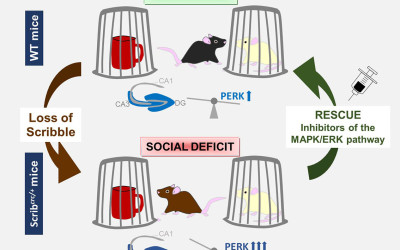
Scribble Controls Social Motivation Behavior through the Regulation of the ERK/Mnk1 Pathway.
Moreau MM, Pietropaolo S, Ezan J, Robert BJA, Miraux S, Maitre M, Cho Y, Crusio WE, Montcouquiol M, Sans N
doi: 10.3390/cells11101601

Abstract:
Social behavior is a basic domain affected by several neurodevelopmental disorders, including ASD and a heterogeneous set of neuropsychiatric disorders. The SCRIB gene that codes for the polarity protein SCRIBBLE has been identified as a risk gene for spina bifida, the most common type of neural tube defect, found at high frequencies in autistic patients, as well as other congenital anomalies. The deletions and mutations of the 8q24.3 region encompassing SCRIB are also associated with multisyndromic and rare disorders. Nonetheless, the potential link between SCRIB and relevant social phenotypes has not been fully investigated. Hence, we show that Scrib(crc/+) mice, carrying a mutated version of Scrib, displayed reduced social motivation behavior and social habituation, while other behavioral domains were unaltered. Social deficits were associated with the upregulation of ERK phosphorylation, together with increased c-Fos activity. Importantly, the social alterations were rescued by both direct and indirect pERK inhibition. These results support a link between polarity genes, social behaviors and hippocampal functionality and suggest a role for SCRIB in the etiopathology of neurodevelopmental disorders. Furthermore, our data demonstrate the crucial role of the MAPK/ERK signaling pathway in underlying social motivation behavior, thus supporting its relevance as a therapeutic target.


01/2022 | eur ann otorhinolaryngol head neck dis
Guidelines of the French Society of Otorhinolaryngology-Head and Neck Surgery (SFORL) and the French Society of Audiology (SFA) for Speech-in-Noise Testing in Adults.
Joly CA, Reynard P, Mezzi K, Bakhos D, Bergeron F, Bonnard D, Borel S, Bouccara D, Coez A, Dejean F, Del Rio M, Leclercq F, Henrion P, Marx M, Mom T, Mosnier I, Potier M, Renard C, Roy T, Sterkers-Artières F, Venail F, Verheyden P, Veuillet E, Vincent C, Thai-Van H
doi: 10.1016/j.anorl.2021.05.005

Abstract:
OBJECTIVES: This document presents the fundamentals of speech audiometry in noise, general requirements for implementation and criteria for choice among the tests available in French according to the health-professional's needs. MATERIAL AND METHODS: The recommendations are based on a systematic analysis of the literature carried out by a multidisciplinary group of doctors, audiologists and audioprosthetists from all over France. They are graded A, B, C or expert opinion according to decreasing level of scientific evidence. RESULTS: Eight tests of speech audiometry in noise can be used in France. CONCLUSION: To be complete, evaluation of hearing status requires testing understanding of speech in noise. The examination must begin with a minimum of two measurements familiarizing the subject with the test procedure. For initial diagnosis, adaptive procedures establishing the 50% speech reception threshold (SRT50) in noise are to be preferred in order to obtain a rapid and standardized measurement of perception of speech in noise. When the aim is to measure real-life speech comprehension, tests based on sentences, cocktail-party noise and free-field stimulation are to be preferred. Prosthetic gain is evaluated exclusively in free field. This is the only way to evaluate the contribution of binaurality and to measure perception in noise in an environment as close as possible to real life. In order to avoid acoustic interference in free field, at least five loudspeakers should be used, in particular for evaluating the effectiveness of directional microphones, CROS devices enabling sounds picked up in the damaged ear to be rerouted to the functional ear, or bimodal fitting (i.e., when hearing is enabled by two modalities: for example, hearing aid for one ear, cochlear implant for the other).


2022 | front genet
Neuron-Specific Deletion of Scrib in Mice Leads to Neuroanatomical and Locomotor Deficits.
Ezan J, Moreau MM, Mamo TM, Shimbo M, Decroo M, Sans N, Montcouquiol M

Abstract:
Scribble (Scrib) is a conserved polarity protein acting as a scaffold involved in multiple cellular and developmental processes. Recent evidence from our group indicates that Scrib is also essential for brain development as early global deletion of Scrib in the dorsal telencephalon induced cortical thickness reduction and alteration of interhemispheric connectivity. In addition, Scrib conditional knockout (cKO) mice have behavioral deficits such as locomotor activity impairment and memory alterations. Given Scrib broad expression in multiple cell types in the brain, we decided to determine the neuronal contribution of Scrib for these phenotypes. In the present study, we further investigate the function of Scrib specifically in excitatory neurons on the forebrain formation and the control of locomotor behavior. To do so, we generated a novel neuronal glutamatergic specific Scrib cKO mouse line called Nex-Scrib (-/-) cKO. Remarkably, cortical layering and commissures were impaired in these mice and reproduced to some extent the previously described phenotype in global Scrib cKO. In addition and in contrast to our previous results using Emx1-Scrib (-/-) cKO, the Nex-Scrib (-/-) cKO mutant mice exhibited significantly reduced locomotion. Altogether, the novel cKO model described in this study further highlights an essential role for Scrib in forebrain development and locomotor behavior.


Abstract:
Decline in episodic memory is one of the hallmarks of aging and represents one of the most important health problems facing Western societies. A key structure in episodic memory is the hippocampal formation and the dentate gyrus in particular, as the continuous production of new dentate granule neurons in this brain region was found to play a crucial role in memory and age-related decline in memory. As such, understanding the molecular processes that regulate the relationship between adult neurogenesis and aging of memory function holds great therapeutic potential. Recently, we found that Vang-Gogh like 2 (Vangl2), a core component of the Planar Cell Polarity (PCP) signaling pathway, is enriched in the dentate gyrus of adult mice. In this context, we sought to evaluate the involvement of this member of the Wnt/PCP pathway in both adult neurogenesis and memory abilities in adult and middle-aged mice. Using a heterozygous mouse model carrying a dominant-negative mutation in the Vangl2 gene, called Looptail (Vangl2(Lp)), we show that alteration in Vangl2 expression decreases the survival of adult-born granule cells and advances the onset of a decrease in cognitive flexibility. The inability of mutant mice to erase old irrelevant information to the benefit of new relevant ones highlights a key role of Vangl2 in interference-based forgetting. Taken together, our findings show that Vangl2 activity may constitute an interesting target to prevent age-related decline in hippocampal plasticity and memory.


12/2021 | eur ann otorhinolaryngol head neck dis
Quality and readability of French on-line information about otitis media with effusion.
Molher J, Duchene L, Bukhardt N, Bonnard D, Sagardoy T
doi: 10.1016/j.anorl.2021.03.003

Abstract:
INTRODUCTION: Childhood otitis media with effusion (OME) is a frequent disease often misunderstood by parents. Information on the Internet is of variable quality and readability. The aim of this study was to measure the quality and readability of French websites related to OME. MATERIAL AND METHODS: An advanced Google search was conducted using the terms 'Otite séro-muqueuse OR Otite séreuse'. Quality was assessed on DISCERN criteria. Readability was assessed using Flesch Reading Ease Scoring (FRES), Flesch-Kincaid Grade Level (FKGL), the Simple Measure of Gobbledygook (SMOG) and a Fry graph. Medians and standard deviations were calculated. Correlation between quality and readability was assessed on Spearman r coefficient. RESULTS: The first ten websites meeting inclusion and exclusion criteria were evaluated. One had been updated during the last 12 months. Median DISCERN score was 49±13.7/80. Median FRES score was 46±9.5/100. Median USA grade-level estimated by FKGL and SMOG respectively was 11±1.7 and 12±1.5. Six websites had Fry score>12. One website showed high quality. One had a readability score in the target range (below 9th grade reading level (age 14-15)) according to FRES and FKGL. A suggestive correlation was found between lower SMOG readability and higher quality: r=0.72 (P=0.024). Three websites followed the most recent scientific guidelines. CONCLUSION: Online information about OME was of variable quality and readability. Good quality information tended to be less easily understandable by parents.


05/2021 | eur ann otorhinolaryngol head neck dis
Musical Ear Syndrome: Prevalence and characteristics in cochlear implant bearers.
Duchêne J, Ribadeau Dumas A, Bonnard D, Sagardoy T, Franco-Vidal V
doi: 10.1016/j.anorl.2020.11.005

Abstract:
INTRODUCTION: Musical Ear Syndrome (MES) is an uncommon phenomenon described as the perception of auditory musical sensations not corresponding to any external stimulus. It seems to be more frequent in case of profound hearing loss. Our objective was to evaluate prevalence, characteristics and risk factors in a population of cochlear implant patients. METHODS: A retrospective study was conducted in cochlear implant patients, who were adult (>18 years) in 2020 and underwent cochlear implantation between 1993 and 2019. We analyzed the presence and characteristics of MES. RESULTS: 118 of the 358 patients (33%) perceived or had perceived auditory musical sensations: 71 (19.8%) before, 100 (28%) after, and 53 (14.8%) both before and after implantation. The musical auditory sensations were usually short and well-tolerated, resembling instrumental music, and occurring several times a day. Thirteen patients (11%) considered them intolerable. Fatigue was a triggering factor in 40 patients (33.9%). Personal and medical characteristics, type of implantation, make of implant, etiology and tinnitus did not emerge as risk factors. On the other hand, MES+ patients were significatively younger (56±17.4 years versus 61.9±17.9 years; P=0.0009). Despite the phenomenon, patients were satisfied with implant functioning and subjective auditory performance was not affected. CONCLUSION: Prevalence of Musical Ear Syndrome was high in cochlear implant patients, and especially in younger subjects. It is essential to improve knowledge of this phenomenon.


27/04/2021 | Sci Rep
Early loss of Scribble affects cortical development, interhemispheric connectivity and psychomotor activity.
Ezan J, Moreau MM, Mamo TM, Shimbo M, Decroo M, Richter M, Peyroutou R, Rachel R, Tissir F, de Anda FC, Sans N, Montcouquiol M
doi: 10.1038/s41598-021-88147-1

Abstract:
Neurodevelopmental disorders arise from combined defects in processes including cell proliferation, differentiation, migration and commissure formation. The evolutionarily conserved tumor-suppressor protein Scribble (Scrib) serves as a nexus to transduce signals for the establishment of apicobasal and planar cell polarity during these processes. Human SCRIB gene mutations are associated with neural tube defects and this gene is located in the minimal critical region deleted in the rare Verheij syndrome. In this study, we generated brain-specific conditional cKO mouse mutants and assessed the impact of the Scrib deletion on brain morphogenesis and behavior. We showed that embryonic deletion of Scrib in the telencephalon leads to cortical thickness reduction (microcephaly) and partial corpus callosum and hippocampal commissure agenesis. We correlated these phenotypes with a disruption in various developmental mechanisms of corticogenesis including neurogenesis, neuronal migration and axonal connectivity. Finally, we show that Scrib cKO mice have psychomotor deficits such as locomotor activity impairment and memory alterations. Altogether, our results show that Scrib is essential for early brain development due to its role in several developmental cellular mechanisms that could underlie some of the deficits observed in complex neurodevelopmental pathologies.


03/10/2020 | Aging Cell
Age-related impairment of declarative memory: linking memorization of temporal associations to GluN2B redistribution in dorsal CA1.
Al Abed AS, Sellami A, Potier M, Ducourneau EG, Gerbeaud-Lassau P, Brayda-Bruno L, Lamothe V, Sans N, Desmedt A, Vanhoutte P, Bennetau-Pelissero C, Trifilieff P, Marighetto A
doi: 10.1111/acel.13243

Abstract:
GluN2B subunits of NMDA receptors have been proposed as a target for treating age-related memory decline. They are indeed considered as crucial for hippocampal synaptic plasticity and hippocampus-dependent memory formation, which are both altered in aging. Because a synaptic enrichment in GluN2B is associated with hippocampal LTP in vitro, a similar mechanism is expected to occur during memory formation. We show instead that a reduction of GluN2B synaptic localization induced by a single-session learning in dorsal CA1 apical dendrites is predictive of efficient memorization of a temporal association. Furthermore, synaptic accumulation of GluN2B, rather than insufficient synaptic localization of these subunits, is causally involved in the age-related impairment of memory. These challenging data identify extra-synaptic redistribution of GluN2B-containing NMDAR induced by learning as a molecular signature of memory formation and indicate that modulating GluN2B synaptic localization might represent a useful therapeutic strategy in cognitive aging.


11/09/2020 | Development
Pinhead signaling regulates mesoderm heterogeneity via the FGF receptor-dependent pathway.
Ossipova O, Itoh K, Radu A, Ezan J, Sokol SY
doi: 10.1242/dev.188094

Abstract:
Among the three embryonic germ layers, the mesoderm plays a central role in the establishment of the vertebrate body plan. The mesoderm is specified by secreted signaling proteins from the FGF, Nodal, BMP and Wnt families. No new classes of extracellular mesoderm-inducing factors have been identified in more than two decades. Here, we show that the pinhead (pnhd) gene encodes a secreted protein that is essential for the activation of a subset of mesodermal markers in the Xenopus embryo. RNA sequencing revealed that many transcriptional targets of Pnhd are shared with those of the FGF pathway. Pnhd activity was accompanied by Erk phosphorylation and required FGF and Nodal but not Wnt signaling. We propose that during gastrulation Pnhd acts in the marginal zone to contribute to mesoderm heterogeneity via an FGF receptor-dependent positive feedback mechanism.


07/2020 | clin otolaryngol
Using virtual reality in audiological training: Our experience in 22 otolaryngology residents.
Aussedat C, Robier M, Aoustin JM, Parietti-Winkler C, Lescanne E, Bonnard D, Marx M, Teissier N, Van Den Abbeele T, François M, Galvin J, Bakhos D


09/06/2020 | Cell Rep
Vangl2 in the Dentate Network Modulates Pattern Separation and Pattern Completion.
Robert BJA, Moreau MM, Dos Santos Carvalho S, Barthet G, Racca C, Bhouri M, Quiedeville A, Garret M, Atchama B, Al Abed AS, Guette C, Henderson DJ, Desmedt A, Mulle C, Marighetto A, Montcouquiol M, Sans N
doi: 10.1016/j.celrep.2020.107743

Abstract:
The organization of spatial information, including pattern completion and pattern separation processes, relies on the hippocampal circuits, yet the molecular and cellular mechanisms underlying these two processes are elusive. Here, we find that loss of Vangl2, a core PCP gene, results in opposite effects on pattern completion and pattern separation processes. Mechanistically, we show that Vangl2 loss maintains young postmitotic granule cells in an immature state, providing increased cellular input for pattern separation. The genetic ablation of Vangl2 disrupts granule cell morpho-functional maturation and further prevents CaMKII and GluA1 phosphorylation, disrupting the stabilization of AMPA receptors. As a functional consequence, LTP at lateral perforant path-GC synapses is impaired, leading to defects in pattern completion behavior. In conclusion, we show that Vangl2 exerts a bimodal regulation on young and mature GCs, and its disruption leads to an imbalance in hippocampus-dependent pattern completion and separation processes.


07/01/2020 | eLife
Vangl2 acts at the interface between actin and N-cadherin to modulate mammalian neuronal outgrowth.
Dos-Santos Carvalho S, Moreau MM, Hien YE, Garcia M, Aubailly N, Henderson DJ, Studer V, Sans N, Thoumine O, Montcouquiol M
doi: 10.7554/eLife.51822

Abstract:
Dynamic mechanical interactions between adhesion complexes and the cytoskeleton are essential for axon outgrowth and guidance. Whether planar cell polarity (PCP) proteins, which regulate cytoskeleton dynamics and appear necessary for some axon guidance, also mediate interactions with membrane adhesion is still unclear. Here we show that Vangl2 controls growth cone velocity by regulating the internal retrograde actin flow in an N-cadherin-dependent fashion. Single molecule tracking experiments show that the loss of Vangl2 decreased fast-diffusing N-cadherin membrane molecules and increased confined N-cadherin trajectories. Using optically manipulated N-cadherin-coated microspheres, we correlated this behavior to a stronger mechanical coupling of N-cadherin with the actin cytoskeleton. Lastly, we show that the spatial distribution of Vangl2 within the growth cone is selectively affected by an N-cadherin-coated substrate. Altogether, our data show that Vangl2 acts as a negative regulator of axonal outgrowth by regulating the strength of the molecular clutch between N-cadherin and the actin cytoskeleton.


09/12/2019 | J Neurosci Methods
Alpha technology: A powerful tool to detect mouse brain intracellular signaling events.
Zanese M*, Tomaselli G*, Roullot-Lacarriere V, Moreau M, Bellocchio L, Grel A, Marsicano G, Sans N, Vallee M, Revest JM
doi: 10.1016/j.jneumeth.2019.108543

Abstract:
BACKGROUND: Phosphorylation by protein kinases is a fundamental molecular process involved in the regulation of signaling activities in living organisms. Understanding this complex network of phosphorylation, especially phosphoproteins, is a necessary step for grasping the basis of cellular pathophysiology. Studying brain intracellular signaling is a particularly complex task due to the heterogeneous complex nature of the brain tissue, which consists of many embedded structures. NEW METHOD: Overcoming this degree of complexity requires a technology with a high throughput and economical in the amount of biological material used, so that a large number of signaling pathways may be analyzed in a large number of samples. We have turned to Alpha (Amplified Luminescent Proximity Homogeneous Assay) technology. COMPARISON WITH EXISTING METHOD: Western blot is certainly the most commonly used method to measure the phosphorylation state of proteins. Even though Western blot is an accurate and reliable method for analyzing modifications of proteins, it is a time-consuming and large amounts of samples are required. Those two parameters are critical when the goal of the research is to comprehend multi-signaling proteic events so as to analyze several targets from small brain areas. RESULT: Here we demonstrate that Alpha technology is particularly suitable for studying brain signaling pathways by allowing rapid, sensitive, reproducible and semi-quantitative detection of phosphoproteins from individual mouse brain tissue homogenates and from cell fractionation and synaptosomal preparations of mouse hippocampus. CONCLUSION: Alpha technology represents a major experimental step forward in unraveling the brain phosphoprotein-related molecular mechanisms involved in brain-related disorders.


Abstract:
Within the mammalian cochlea, sensory hair cells and supporting cells are aligned in curvilinear rows that extend along the length of the tonotopic axis. In addition, all of the cells within the epithelium are uniformly polarized across the orthogonal neural-abneural axis. Finally, each hair cell is intrinsically polarized as revealed by the presence of an asymmetrically shaped and apically localized stereociliary bundle. It has been known for some time that many of the developmental processes that regulate these patterning events are mediated, to some extent, by the core planar cell polarity (PCP) pathway. This article will review more recent work demonstrating how components of the PCP pathway interact with cytoskeletal motor proteins to regulate cochlear outgrowth. Finally, a signaling pathway originally identified for its role in asymmetric cell divisions has recently been shown to mediate several aspects of intrinsic hair cell polarity, including kinocilia migration, bundle shape, and elongation.


12/2018 | j int adv otol
Middle Ear Osteoma Causing Mixed Hearing Loss: A Case Report.
Molher J, Pujol EMD, Zounon ADS, Darrouzet V, Bonnard D
doi: 10.5152/iao.2018.5265

Abstract:
Osteomas of the middle ear are rare benign tumors. Their consequences and symptoms are due to their specific location, such as the promontory or the epitympanum and their contact with the facial nerve, the semicircular canal, the ossicles, and the oval or round windows. We report a very unusual case of middle ear osteoma (MEO) in a 23-year-old male patient causing a right mixed hearing loss by contacting and overwhelming the incus and stapes. The lesion was also closely attached to the tympanic portion of the fallopian canal. Since the stapes was not clearly visible behind the lesion, careful observation was preferred to surgery owing to the high risk of inner ear damage and facial palsy with removal of the lesion. MEOs are rarely situated at this critical site. Regular clinical and computerized tomography monitoring is warranted to check their growth. This case also supports the etiological theory of chronic middle ear inflammation causing osteomas.


10/2018 | acta otorhinolaryngol ital
Cochlear implantation in far-advanced otosclerosis: hearing results and complications.
Dumas AR, Schwalje AT, Franco-Vidal V, Bébéar JP, Darrouzet V, Bonnard D

Abstract:
Severe forms of otosclerosis known as far-advanced otosclerosis (FAO) can lead to severe to profound sensorineural hearing loss and can justify cochlear implantation. Because of the pathophysiology of otosclerosis, patients implanted for FAO may experience an increased rate of complications, such as facial nerve stimulation or electrode dislocation, and may have poorer hearing outcomes than expected. This retrospective study aimed to compare cochlear implantation hearing outcomes, surgical difficulties and complications in FAO patients versus non-FAO patients. Moreover, we evaluated whether high resolution computed tomography (CT scan) findings were predictive of perioperative problems, complications and hearing outcomes. FAO patients were diagnosed based on medical history, examination and CT scan. Thirty-five ears from FAO patients were compared to 38 control ears. Audiometric results were assessed at least 12 months after implantation by pure tone average, speech reception threshold, monosyllabic and disyllabic word recognition score (WRS) and Central Institute for the Deaf (CID) sentences test. Complications and surgical difficulties were compiled. CT scan findings were categorised within 3 grades of otosclerotic extension. No significant difference was found between FAO and non-FAO hearing outcomes, except that monosyllabic WRS were lower for FAO patients, especially those who underwent previous stapedotomy. Facial nerve symptomatology occurred in 8.6% of FAO patients; among these, one required explantation-reimplantation surgery. 86% of FAO implanted patients had retrofenestral extension on CT. These were associated with poorer disyllabic WRS (51% vs 68%, p < 0.05) than those with only fenestral involvement. Although not significant, high grade of severity on CT tended to be associated with surgical difficulties and complications. Cochlear implantation in FAO patients is an effective treatment technique. Though the overall complication rate is low, it tends to be higher in cases of severe extension on CT. Patient counselling should be adjusted accordingly.


Abstract:
BACKGROUND: Pitch perception of complex tones relies on place or temporal fine structure-based mechanisms from resolved harmonics and the temporal envelope of unresolved harmonics. Combining this information is essential for speech-in-noise performance, as it allows segregation of a target speaker from background noise. In hybrid cochlear implant (H-CI) users, low frequency acoustic hearing should provide pitch from resolved harmonics while high frequency electric hearing should provide temporal envelope pitch from unresolved harmonics. How the acoustic and electric auditory inputs interact for H-CI users is largely unknown. Harmonicity and inharmonicity are emergent features of sound in which overtones are concordant or discordant with the fundamental frequency. We hypothesized that some H-CI users would be able to integrate acoustic and electric information for complex tone pitch perception, and that this ability would be correlated with speech-in-noise performance. In this study, we used perception of inharmonicity to demonstrate this integration. METHODS: Fifteen H-CI users with only acoustic hearing below 500 Hz, only electric hearing above 2 kHz, and more than 6 months CI experience, along with eighteen normal hearing (NH) controls, were presented with harmonic and inharmonic sounds. The stimulus was created with a low frequency component, corresponding with the H-CI user's acoustic hearing (fundamental frequency between 125 and 174 Hz), and a high frequency component, corresponding with electric hearing. Subjects were asked to identify the more inharmonic sound, which requires the perceptual integration of the low and high components. Speech-in-noise performance was tested in both groups using the California Consonant Test (CCT), and perception of Consonant-Nucleus-Consonant (CNC) words in quiet and AzBio sentences in noise were tested for the H-CI users. RESULTS: Eight of the H-CI subjects (53%), and all of the NH subjects, scored significantly above chance level for at least one subset of the inharmonicity detection task. Inharmonicity detection ability, but not age or pure tone average, predicted speech scores in a linear model. These results were significantly correlated with speech scores in both quiet and noise for H-CI users, but not with speech in noise performance for NH listeners. Musical experience predicted inharmonicity detection ability, but did not predict speech performance. CONCLUSIONS: We demonstrate integration of acoustic and electric information in H-CI users for complex pitch sensation. The correlation with speech scores in H-CI users might be associated with the ability to segregate a target speaker from background noise using the speaker's fundamental frequency.


08/2018 | j am geriatr soc
Long-Term Cognitive Prognosis of Profoundly Deaf Older Adults After Hearing Rehabilitation Using Cochlear Implants.
Mosnier I, Vanier A, Bonnard D, Lina-Granade G, Truy E, Bordure P, Godey B, Marx M, Lescanne E, Venail F, Poncet C, Sterkers O, Belmin J
doi: 10.1111/jgs.15445

Abstract:
OBJECTIVES: To analyze long-term cognitive status and function after cochlear implantation in profoundly deaf individuals. DESIGN: Prospective observational longitudinal study. SETTING: Ten academic medical centers referent for cochlear implantation. PARTICIPANTS: Individuals aged 65 and older who qualified for cochlear implantation (N=70). MEASUREMENTS: Cognitive tests were administered before cochlear implantation and 1 and 5 or more years after cochlear implantation. Evaluation consisted of 6 tests assessing attention, memory, orientation, executive function, mental flexibility, and fluency. Cognitive status was determined as normal, mild cognitive impairment (MCI), or dementia. Speech perception in quiet and noisy conditions was assessed using disyllabic words, and quality of life was assessed using the Nijmegen Cochlear Implant Questionnaire. RESULTS: Mean follow-up was 6.8 years (range 5.5-8.5 years). Speech perception scores and quality of life remained stable from 1 to 7 years after cochlear implantation. Of 31 participants (45%) with MCI before cochlear implantation, 2 (6%) developed dementia during follow-up, 19 (61%) remained stable, and 10 (32%) returned to normal cognition. None of the 38 with normal cognition developed dementia during follow-up, although 12 (32%) developed MCI. CONCLUSION: MCI is highly prevalent in older adults with profound hearing loss. Nevertheless, we observed a low rate of progression to dementia, and cognitive function improved in some individuals with MCI at baseline. These results highlight that cochlear implantation should be strongly considered in profoundly deaf individuals, even those with MCI, who may have a specific subtype of MCI, with a possible positive effect of hearing rehabilitation on neurocognitive functioning.


21/06/2018 | cell physiol biochem
Galphai Proteins are Indispensable for Hearing.
Beer-Hammer S, Lee SC, Mauriac SA, Leiss V, Groh IAM, Novakovic A, Piekorz RP, Bucher K, Chen C, Ni K, Singer W, Harasztosi C, Schimmang T, Zimmermann U, Pfeffer K, Birnbaumer L, Forge A, Montcouquiol M, Knipper M, Nurnberg B, Ruttiger L
doi: 10.1159/000490867

Abstract:
BACKGROUND/AIMS: From invertebrates to mammals, Galphai proteins act together with their common binding partner Gpsm2 to govern cell polarization and planar organization in virtually any polarized cell. Recently, we demonstrated that Galphai3-deficiency in pre-hearing murine cochleae pointed to a role of Galphai3 for asymmetric migration of the kinocilium as well as the orientation and shape of the stereociliary ('hair') bundle, a requirement for the progression of mature hearing. We found that the lack of Galphai3 impairs stereociliary elongation and hair bundle shape in high-frequency cochlear regions, linked to elevated hearing thresholds for high-frequency sound. How these morphological defects translate into hearing phenotypes is not clear. METHODS: Here, we studied global and conditional Gnai3 and Gnai2 mouse mutants deficient for either one or both Galphai proteins. Comparative analyses of global versus Foxg1-driven conditional mutants that mainly delete in the inner ear and telencephalon in combination with functional tests were applied to dissect essential and redundant functions of different Galphai isoforms and to assign specific defects to outer or inner hair cells, the auditory nerve, satellite cells or central auditory neurons. RESULTS: Here we report that lack of Galphai3 but not of the ubiquitously expressed Galphai2 elevates hearing threshold, accompanied by impaired hair bundle elongation and shape in high-frequency cochlear regions. During the crucial reprogramming of the immature inner hair cell (IHC) synapse into a functional sensory synapse of the mature IHC deficiency for Galphai2 or Galphai3 had no impact. In contrast, double-deficiency for Galphai2 and Galphai3 isoforms results in abnormalities along the entire tonotopic axis including profound deafness associated with stereocilia defects. In these mice, postnatal IHC synapse maturation is also impaired. In addition, the analysis of conditional versus global Galphai3-deficient mice revealed that the amplitude of ABR wave IV was disproportionally elevated in comparison to ABR wave I indicating that Galphai3 is selectively involved in generation of neural gain during auditory processing. CONCLUSION: We propose a so far unrecognized complexity of isoform-specific and overlapping Galphai protein functions particular during final differentiation processes.


25/05/2018 | Nat Commun
Author Correction: Defective Gpsm2/Galphai3 signalling disrupts stereocilia development and growth cone actin dynamics in Chudley-McCullough syndrome.
Mauriac SA, Hien YE, Bird JE, Carvalho SD, Peyroutou R, Lee SC, Moreau MM, Blanc JM, Gezer A, Medina C, Thoumine O, Beer-Hammer S, Friedman TB, Ruttiger L, Forge A, Nurnberg B, Sans N, Montcouquiol M
doi: 10.1038/ncomms16188

Abstract:
This corrects the article DOI: 10.1038/ncomms14907.


Abstract:
We report the first case of a transtympanic iatrogenic internal carotid artery (ICA) pseudoaneurysm diagnosed in a 4-year-old child following a myringotomy. An endovascular treatment with a covered-stent was decided; spontaneous thrombosis was found during the therapeutic arteriography, and the procedure was aborted. Otoscopy and computed tomography (CT) scan monitoring showed a prolonged thrombosis and the disappearance of the pseudoaneurysm 18months after the diagnostic arteriography. Based on literature review, endovascular techniques seem to be preferred to the surgical approach for treatment of intrapetrous ICA pseudoaneurysm, however clinical and CT scan monitoring may also be a valid option.


03/06/2017 | Neuroscience
The embryonic development of hindbrain respiratory networks is unaffected by mutation of the planar polarity protein Scribble.
Chevalier M, Cardoit L, Moreau M, Sans N, Montcouquiol M, Simmers J, Thoby-Brisson M
doi: 10.1016/j.neuroscience.2017.05.046

Abstract:
The central command for breathing arises mainly from two interconnected rhythmogenic hindbrain networks, the parafacial respiratory group (pFRG or epF at embryonic stages) and the preBotzinger complex (preBotC), which are comprised of a limited number of neurons located in confined regions of the ventral medulla. In rodents, both networks become active toward the end of gestation but little is known about the signaling pathways involved in their anatomical and functional establishment during embryogenesis. During embryonic development, epF and preBotC neurons migrate from their territories of origin to their final positions in ventral brainstem areas. Planar Cell Polarity (PCP) signaling, including the molecule Scrib, is known to control the developmental migration of several hindbrain neuronal groups. Accordingly, a homozygous mutation of Scrib leads to severe disruption of hindbrain anatomy and function. Here, we aimed to determine whether Scrib is also involved in the prenatal development of the hindbrain nuclei controlling breathing. We combined immunostaining, calcium imaging and electrophysiological recordings of neuronal activity in isolated in vitro preparations. In the Scrib mutant, despite severe neural tube defects, epF and preBotC neurons settled at their expected hindbrain positions. Furthermore, both networks remained capable of generating rhythmically organized, respiratory-related activities and exhibited normal sensitivity to pharmacological agents known to modify respiratory circuit function. Thus Scrib is not required for the proper migration of epF and preBotC neurons during mouse embryogenesis. Our findings thus further illustrate the robustness and specificity of the developmental processes involved in the establishment of hindbrain respiratory circuits.


06/2017 | clin otolaryngol
Iatrogenic facial nerve injuries during chronic otitis media surgery: a multicentre retrospective study.
Linder T, Mulazimoglu S, El Hadi T, Darrouzet V, Ayache D, Somers T, Schmerber S, Vincent C, Mondain M, Lescanne E, Bonnard D

Abstract:
OBJECTIVES: To give an insight into why, when and where iatrogenic facial nerve (FN) injuries may occur and to explain how to deal with them in an emergency setting. DESIGN AND SETTING: Multicentre retrospective study in eight tertiary referral hospitals over 17 years. PARTICIPANTS: Twenty patients with partial or total FN injury during surgery for chronic otitis media (COM) were revised. MAIN OUTCOME MEASURES: Indication and type of surgery, experience of the surgeon, intra- and postoperative findings, value of CT scanning, patient management and final FN outcome were recorded. RESULTS: In 12 cases, the nerve was completely transected, but the surgeon was unaware in 11 cases. A minority of cases occurred in academic teaching hospitals. Tympanic segment, second genu and proximal mastoid segments were the sites involved during injury. The FN was not deliberately identified in 18 patients at the time of injury, and nerve monitoring was only applied in one patient. Before revision surgery, CT scanning correctly identified the lesion site in 11 of 12 cases and depicted additional lesions such as damage to the lateral semicircular canal. A greater auricular nerve graft was interposed in 10 cases of total transection and in one partially lesioned nerve: seven of them resulted in an HB III functional outcome. In two of the transected nerves, rerouting and direct end-to-end anastomosis was applied. A simple FN decompression was used in four cases of superficially traumatised nerves. CONCLUSIONS: We suggest checklists for preoperative, intraoperative and postoperative management to prevent and treat iatrogenic FN injury during COM surgery.


01/05/2017 | Development
Wnt proteins contribute to neuromuscular junction formation through distinct signaling pathways.
Messéant J, Ezan J, Delers P, Glebov K, Marchiol C, Lager F, Renault G, Tissir F, Montcouquiol M, Sans N, Legay C, Strochlic L
doi: 10.1242/dev.146167

Abstract:
Understanding the developmental steps that shape formation of the neuromuscular junction (NMJ) connecting motoneurons to skeletal muscle fibers is crucial. Wnt morphogens are key players in the formation of this specialized peripheral synapse, but their individual and collaborative functions and downstream pathways remain poorly understood at the NMJ. Here, we demonstrate through Wnt4 and Wnt11 gain-of-function studies in cell culture or in mice that Wnts enhance acetylcholine receptor (AChR) clustering and motor axon outgrowth. By contrast, loss of Wnt11 or Wnt-dependent signaling in vivo decreases AChR clustering and motor nerve terminal branching. Both Wnt4 and Wnt11 stimulate AChR mRNA levels and AChR clustering downstream of activation of the β-catenin pathway. Strikingly, Wnt4 and Wnt11 co-immunoprecipitate with Vangl2, a core component of the planar cell polarity (PCP) pathway, which accumulates at embryonic NMJs. Moreover, mice bearing a Vangl2 loss-of-function mutation (loop-tail) exhibit fewer AChR clusters and overgrowth of motor axons bypassing AChR clusters. Together, our results provide genetic and biochemical evidence that Wnt4 and Wnt11 cooperatively contribute to mammalian NMJ formation through activation of both the canonical and Vangl2-dependent core PCP pathways.


07/04/2017 | Nat Commun
Defective Gpsm2/Galphai3 signalling disrupts stereocilia development and growth cone actin dynamics in Chudley-McCullough syndrome.
Mauriac SA, Hien YE, Bird JE, Carvalho SD, Peyroutou R, Lee SC, Moreau MM, Blanc JM, Geyser A, Medina C, Thoumine O, Beer-Hammer S, Friedman TB, Ruttiger L, Forge A, Nurnberg B*, Sans N*, Montcouquiol M*
doi: 10.1038/ncomms14907

Abstract:
Mutations in GPSM2 cause Chudley-McCullough syndrome (CMCS), an autosomal recessive neurological disorder characterized by early-onset sensorineural deafness and brain anomalies. Here, we show that mutation of the mouse orthologue of GPSM2 affects actin-rich stereocilia elongation in auditory and vestibular hair cells, causing deafness and balance defects. The G-protein subunit Galphai3, a well-documented partner of Gpsm2, participates in the elongation process, and its absence also causes hearing deficits. We show that Gpsm2 defines an approximately 200 nm nanodomain at the tips of stereocilia and this localization requires the presence of Galphai3, myosin 15 and whirlin. Using single-molecule tracking, we report that loss of Gpsm2 leads to decreased outgrowth and a disruption of actin dynamics in neuronal growth cones. Our results elucidate the aetiology of CMCS and highlight a new molecular role for Gpsm2/Galphai3 in the regulation of actin dynamics in epithelial and neuronal tissues.


04/2017 | clin otolaryngol
Arachnoid cyst of the fallopian canal and geniculate ganglion area: our experience of 9 cases.
Sagardoy T, de Mones E, Bonnard D, Darrouzet V, Franco-Vidal V


22/11/2016 | Cereb Cortex
Activity-Dependent Neuroplasticity Induced by an Enriched Environment Reverses Cognitive Deficits in Scribble Deficient Mouse.
Hilal ML, Moreau MM, Racca C, Pinheiro VL, Piguel NH, Santoni MJ, Dos Santos Carvalho S, Blanc JM, Abada YK, Peyroutou R, Medina C, Doat H, Papouin T, Vuillard L, Borg JP, Rachel R, Panatier A, Montcouquiol M, Oliet SHR, Sans N
doi: 10.1093/cercor/bhw333

Abstract:
Planar cell polarity (PCP) signaling is well known to play a critical role during prenatal brain development; whether it plays specific roles at postnatal stages remains rather unknown. Here, we investigated the role of a key PCP-associated gene scrib in CA1 hippocampal structure and function at postnatal stages. We found that Scrib is required for learning and memory consolidation in the Morris water maze as well as synaptic maturation and NMDAR-dependent bidirectional plasticity. Furthermore, we unveiled a direct molecular interaction between Scrib and PP1/PP2A phosphatases whose levels were decreased in postsynaptic density of conditional knock-out mice. Remarkably, exposure to enriched environment (EE) preserved memory formation in CaMK-Scrib-/- mice by recovering synaptic plasticity and maturation. Thus, Scrib is required for synaptic function involved in memory formation and EE has beneficiary therapeutic effects. Our results demonstrate a distinct new role for a PCP-associated protein, beyond embryonic development, in cognitive functions during adulthood.


09/2016 | otolaryngol head neck surg
The Role of Electrode Placement in Bilateral Simultaneously Cochlear-Implanted Adult Patients.
De Seta D, Nguyen Y, Bonnard D, Ferrary E, Godey B, Bakhos D, Mondain M, Deguine O, Sterkers O, Bernardeschi D, Mosnier I

Abstract:
OBJECTIVE: To evaluate the influence of the electrode placement on hearing performance in adult patients who were simultaneously and bilaterally cochlear implanted. STUDY DESIGN: Case series with planned data collection. SETTING: Tertiary referral university centers. SUBJECTS AND METHODS: The postoperative computed tomography scan was studied for 19 patients who were simultaneously and bilaterally implanted with a long straight electrode array. The size of the cochlea was measured in consideration of the major cochlear diameter and cochlear height. The electrode-to-modiolus distance for the electrodes positioned at 180 and 360 degrees and the angular depth of insertion of the array were also measured. Speech perception was assessed at 1 and 5 years postimplantation with disyllabic word lists in quiet and in noise, with the speech coming from the front and a background noise (cocktail party) coming from 5 loudspeakers. RESULTS: At 1 year postimplantation, the electrode-to-modiolus distance at 180 degrees was correlated with the speech perception scores in both quiet and noise. In patients with a full electrode insertion, no correlation was found between the angular depth of insertion and hearing performance. The speech perception scores in noise gradually declined as a function of the number of inserted and active electrodes. No relationship between electrode position and speech perception scores was found at 5 years postimplantation. CONCLUSION: In adult patients who were simultaneously and bilaterally implanted, the use of a long straight array, the full electrode array insertion, and the proximity to the modiolus might be determining factors to obtain the best speech performance at 1 year, without influence on the speech perception scores after long-term use.


Abstract:
The objective of this study is to report the surgical outcome after middle fossa approach (MFA) plugging in patients suffering from a superior semi-circular canal dehiscence (SCD) syndrome. This is a retrospective case review. Tertiary referral center. Sixteen ears in 13 patients with a SCD syndrome suffering from severe and disabling vestibular symptoms with a bony dehiscence on CT scan >3 mm and decreased threshold of cervical vestibular evoked potentials (cVEMPs). We assessed preoperatively: clinical symptoms, hearing, cVEMPs threshold, size of dehiscence and videonystagmography (VNG) with caloric and 100 Hz vibratory tests. Postoperatively, we noted occurrences of neurosurgical complication, evolution of audiological and vestibular symptoms, and evaluation of cVEMP data. Tullio's phenomenon was observed in 13 cases (81.3 %) and subjectively reported hearing loss in seven (43.7 %). All patients were so disabled that they had to stop working. No neurosurgical complications were observed in the postoperative course. In three cases (16.6 %), an ipsilateral and transitory immediate postoperative vestibular deficit associated with a sensorineural hearing loss (SNHL) was noted, which totally resolved with steroids and bed rest. All patients were relieved of audiological and vestibular symptoms and could return to normal activity with a mean follow-up of 31.1 months (range 3-95). No patient had residual SNHL. cVEMPs were performed in 14 ears postoperatively and were normalized in 12 (85.7 %). Two of the three patients operated on both sides kept some degree of unsteadiness and oscillopsia. MFA plugging of the superior semi-circular canal is an efficient and non-hearing deteriorating procedure.


03/2016 | hear res
Harmonic fusion and pitch affinity: Is there a direct link?
Bonnard D, Dauman R, Semal C, Demany L
doi: 10.1016/j.heares.2015.08.015

Abstract:
Simultaneous pure tones approximately one octave apart tend to be fused perceptually and to evoke a single pitch sensation. Besides, sequentially presented pure tones show a subjective 'affinity' or similarity in pitch when their frequency ratio is close to one octave. The aim of the study reported here was to determine if these two perceptual phenomena are directly related. Each stimulus was a triplet of simultaneous or successive pure tones forming frequency ratios varying across stimuli between 0.96 and 1.04 octaves. The tones were presented at a low sensation level (15 dB) within broadband threshold-equalizing noise, in order to prevent them from interacting in the cochlea when they were simultaneous. A large set of stimulus comparisons made by 18 listeners indicated that: (1) when the tones were simultaneous, maximal fusion was obtained for a mean frequency ratio deviating by less than 0.2% from one octave, and fusion decreased less rapidly above this frequency ratio than below it; (2) when the tones were presented successively, maximal pitch affinity was obtained for a mean frequency ratio significantly larger than one octave, and pitch affinity decreased more rapidly above this frequency ratio than below it. The differences between the results obtained for simultaneous and successive tones suggest that harmonic fusion and pitch affinity are unrelated phenomena.


Abstract:
Extensive evidence suggests that long term dietary n-3 polyunsaturated fatty acids (PUFAs) deficiency results in altered emotional behaviour. We have recently demonstrated that n-3 PUFAs deficiency induces emotional alterations through abnormal corticosterone secretion which leads to altered dendritic arborisation in the prefrontal cortex (PFC). Here we show that hypothalamic-pituitary-adrenal (HPA) axis feedback inhibition was not compromised in n-3 deficient mice. Rather, glucocorticoid receptor (GR) signaling pathway was inactivated in the PFC but not in the hippocampus of n-3 deficient mice. Consequently, only dendritic arborisation in PFC was affected by dietary n-3 PUFAs deficiency. In addition, occlusion experiment with GR blockade altered GR signaling in the PFC of control mice, with no further alterations in n-3 deficient mice. In conclusion, n-3 PUFAs deficiency compromised PFC, leading to dendritic atrophy, but did not change hippocampal GR function and dendritic arborisation. We argue that this GR sensitivity contributes to n-3 PUFAs deficiency-related emotional behaviour deficits.


Abstract:
OBJECTIVES: To evaluate short- and mid-term level of imbalance after vestibular schwannoma (VS) microsurgery by the transpetrosal approach, to search for factors predictive of vestibular compensation, and to determine which patient categories need a postoperative vestibular rehabilitation program. STUDY DESIGN: Prospective cohort study at a tertiary referral center. METHODS: Between 2010 and 2011, patients aged 18 to 75 operated on for VS by transpetrosal approaches were included. VS was characterized by its size (Koos classification) and the presence or not of a cystic component. Hearing was classified according to the Gardner Robertson grading. The preoperative workup included an audiogram, computerized video nystagmography (VNG) with caloric testing, gaze study, rotatory tests, click-evoked cervical vestibular evoked myogenic potential measurements (cVEMPs), and subjective visual vertical test. Patients were asked to complete a Dizziness Handicap Inventory (DHI). Postoperatively, patients were reevaluated on D7 (clinical status), D90 (VNG and DHI), and D180 (DHI). Timing and duration of vestibular rehabilitation were also recorded. RESULTS: Forty-eight patients were included. Preoperatively, 77% experienced mild instability problems with a mean DHI score of 14.1 (range 4-32). Postoperatively, 71% reported stable or even improved perceived stability. Mean DHI scores were 28.1 on D90 and 19.8 on D180. Serviceable hearing, cystic transformation, normal cVEMPs, diplopia, and vestibular syndrome on D7 were found to be predictive of worse equilibrium outcome than when absent. A preoperative caloric deficit greater than 75% seemed to be a good prognostic factor. Vestibular rehabilitation was conducted in 56% of patients. Starting it early (<1 mo) seemed to be beneficial for final equilibrium outcome. CONCLUSION: VS microsurgery provides good stability results. Some preoperative parameters may be predictive of worse or improved balance recovery, as is clinical status on D7.


04/2015 | otol neurotol
Effects of body tilt on multifrequency admittance tympanometry.
Franco-Vidal V, Bonnard D, Bellec O, Thomeer H, Darrouzet V

Abstract:
INTRODUCTION: Hydrops and abnormalities of inner fluid pressure are involved in some otologic diseases such as Ménière's disease (MD). However, demonstrating abnormal perilymphatic or endolymphatic pressure is challenging. Multifrequency tympanometry studies in MD patients demonstrated an increase of the width of conductance tympanograms (outside an attack) compared with controls. To confirm that the increase in conductance width is caused by hyperpressure and not hypopressure in these patients tested outside an attack, we assessed the effect of changes in inner ear fluid pressure caused by body tilt on the results of multifrequency admittancemetry tympanograms. MATERIALS AND METHODS: A multifrequency tympanometry including conductance (G) tympanogram at 2 kHz and resonance frequency measurements were performed in 20 volunteers (40 ears) free of otologic or neurologic disease. The measures were collected in three different positions: vertical, supine, and Trendelenburg positions. RESULTS: Changes in inner ear fluid pressure caused by body tilt induced an increase in the width of G tympanograms. In the vertical position, the mean value was 141.7 ± 56.5 daPa; in the supine position, it increased to 158 ± 58.3 daPa; and increased even more in the Trendelenburg position (20 degrees), with a mean of 184 ± 69.6 daPa (p < 0.01). Resonance frequency also increased in the Trendelenburg position.We conclude that the increased width of G tympanograms in MD patients outside an attack may be caused by an increase in inner ear fluid pressure.


18/02/2015 | J Neurosci
Microglial activation enhances associative taste memory through purinergic modulation of glutamatergic neurotransmission.
Delpech JC, Saucisse N, Parkes SL, Lacabanne C, Aubert A, Casenave F, Coutureau E, Sans N, Laye S, Ferreira G, Nadjar A
doi: 10.1523/JNEUROSCI.3028-14.2015

Abstract:
The cerebral innate immune system is able to modulate brain functioning and cognitive processes. During activation of the cerebral innate immune system, inflammatory factors produced by microglia, such as cytokines and adenosine triphosphate (ATP), have been directly linked to modulation of glutamatergic system on one hand and learning and memory functions on the other hand. However, the cellular mechanisms by which microglial activation modulates cognitive processes are still unclear. Here, we used taste memory tasks, highly dependent on glutamatergic transmission in the insular cortex, to investigate the behavioral and cellular impacts of an inflammation restricted to this cortical area in rats. We first show that intrainsular infusion of the endotoxin lipopolysaccharide induces a local inflammation and increases glutamatergic AMPA, but not NMDA, receptor expression at the synaptic level. This cortical inflammation also enhances associative, but not incidental, taste memory through increase of glutamatergic AMPA receptor trafficking. Moreover, we demonstrate that ATP, but not proinflammatory cytokines, is responsible for inflammation-induced enhancement of both associative taste memory and AMPA receptor expression in insular cortex. In conclusion, we propose that inflammation restricted to the insular cortex enhances associative taste memory through a purinergic-dependent increase of glutamatergic AMPA receptor expression at the synapse.


01/02/2015 | Development
Ciliary proteins Bbs8 and Ift20 promote planar cell polarity in the cochlea.
May-Simera HL, Petralia RS, Montcouquiol M, Wang YX, Szarama KB, Liu Y, Lin W, Deans MR, Pazour GJ, Kelley MW
doi: 10.1242/dev.113696

Abstract:
Primary cilia have been implicated in the generation of planar cell polarity (PCP). However, variations in the severity of polarity defects in different cilia mutants, coupled with recent demonstrations of non-cilia-related actions of some cilia genes, make it difficult to determine the basis of these polarity defects. To address this issue, we evaluated PCP defects in cochlea from a selection of mice with mutations in cilia-related genes. Results indicated notable PCP defects, including mis-oriented hair cell stereociliary bundles, in Bbs8 and Ift20 single mutants that are more severe than in other cilia gene knockouts. In addition, deletion of either Bbs8 or Ift20 results in disruptions in asymmetric accumulation of the core PCP molecule Vangl2 in cochlear cells, suggesting a role for Bbs8 and/or Ift20, possibly upstream of core PCP asymmetry. Consistent with this, co-immunoprecipitation experiments indicate direct interactions of Bbs8 and Ift20 with Vangl2. We observed localization of Bbs and Ift proteins to filamentous actin as well as microtubules. This could implicate these molecules in selective trafficking of membrane proteins upstream of cytoskeletal reorganization, and identifies new roles for cilia-related proteins in cochlear PCP.


10/11/2014 | Nat Neurosci
Dendritic channelopathies contribute to neocortical and sensory hyperexcitability in Fmr1 mice.
Zhang Y*, Bonnan A*, Bony G*, Ferezou I, Pietropaolo S, Ginger M, Sans N, Rossier J, Oostra B, Lemasson G, Frick A
doi: 10.1038/nn.3864

Abstract:
Hypersensitivity in response to sensory stimuli and neocortical hyperexcitability are prominent features of Fragile X Syndrome (FXS) and autism spectrum disorders, but little is known about the dendritic mechanisms underlying these phenomena. We found that the primary somatosensory neocortex (S1) was hyperexcited in response to tactile sensory stimulation in Fmr1-/y mice. This correlated with neuronal and dendritic hyperexcitability of S1 pyramidal neurons, which affect all major aspects of neuronal computation, from the integration of synaptic input to the generation of action potential output. Using dendritic electrophysiological recordings, calcium imaging, pharmacology, biochemistry and a computer model, we found that this defect was, at least in part, attributable to the reduction and dysfunction of dendritic h- and BKCa channels. We pharmacologically rescued several core hyperexcitability phenomena by targeting BKCa channels. Our results provide strong evidence pointing to the utility of BKCa channel openers for the treatment of the sensory hypersensitivity aspects of FXS.


Abstract:
Since our seminal study in 2003, much has been written about core planar cell polarity (core PCP) signaling and the inner ear. In just a few years, and using the inner ear as a model system, our understanding of the molecular basis of this signaling pathway and how it can influence the development of tissues in mammals has increased considerably. Recently, a number of studies using various animal models of development have uncovered original relationships between the cilia and PCP, and the study of the hair cells of the inner ear has helped elucidating one of these links. In this review, we highlight the differences of PCP signaling between mammals and invertebrates. In the light of recent results, we sum up our current knowledge about PCP signaling in the mammalian cochlear epithelium and we discuss the impact of recent data in the field. We focus our attention on the interrelationship between asymmetric polarity complexes and the position of the cilium, which is essential for the establishment of the overall tissue polarity.


23/10/2014 | Cell Rep
Scribble1/AP2 complex coordinates NMDA receptor endocytic recycling.
Piguel NH, Fievre S, Blanc JM, Carta M, Moreau MM, Moutin E, Pinheiro VL, Medina C, Ezan J, Lasvaux L, Loll F, Durand CM, Chang K, Petralia RS, Wenthold RJ, Stephenson FA, Vuillard L, Darbon H, Perroy J, Mulle C, Montcouquiol M, Racca C, Sans N
doi: 10.1016/j.celrep.2014.09.017

Abstract:
The appropriate trafficking of glutamate receptors to synapses is crucial for basic synaptic function and synaptic plasticity. It is now accepted that NMDA receptors (NMDARs) internalize and are recycled at the plasma membrane but also exchange between synaptic and extrasynaptic pools; these NMDAR properties are also key to governing synaptic plasticity. Scribble1 is a large PDZ protein required for synaptogenesis and synaptic plasticity. Herein, we show that the level of Scribble1 is regulated in an activity-dependent manner and that Scribble1 controls the number of NMDARs at the plasma membrane. Notably, Scribble1 prevents GluN2A subunits from undergoing lysosomal trafficking and degradation by increasing their recycling to the plasma membrane following NMDAR activation. Finally, we show that a specific YxxR motif on Scribble1 controls these mechanisms through a direct interaction with AP2. Altogether, our findings define a molecular mechanism to control the levels of synaptic NMDARs via Scribble1 complex signaling.


09/2014 | brain stimul
Effect of chronic cortical stimulation on chronic severe tinnitus: a prospective randomized double-blind cross-over trial and long-term follow up.
Engelhardt J, Dauman R, Arné P, Allard M, Dauman N, Branchard O, Perez P, Germain C, Caire F, Bonnard D, Cuny E

Abstract:
BACKGROUND: Chronic severe tinnitus can be greatly detrimental to quality of life. Some authors have reported benefit of repetitive transcranial magnetic stimulation, others of electrical cortical stimulation by stimulating the Heschl's gyrus or secondary auditory areas. OBJECTIVE: To evaluate the efficacy of chronic electrical epidural stimulation of the auditory cortex on severe and disabling tinnitus. METHOD: In this double-blind randomized cross-over, patients with chronic (at least 2 years), severe (Strukturierte Tinnitus-Interview, STI score > 19), unilateral or strongly lateralized tinnitus were included. After open-phase stimulation for 4 months, patients were randomized into 2 groups for double-blind stimulation with cross-over between significant and non-significant phases and wash-out in between. Each of the 3 phases was 2 weeks in duration. Patients were chronically stimulated and followed if not explanted. A decrease of STI score >35% was considered as clinically significant. RESULTS: None of the 9 patients included achieved significant improvement during the double-blind phase. Four were explanted, 2 owing to lack of effect, one for breast cancer under the stimulator, and another for psychiatric decompensation. Five are still stimulated. Three felt slight to great subjective effectiveness, the remaining 2 reported benefits and still requested stimulation. CONCLUSIONS: This study did not find an objective efficiency of chronic cortical stimulation for severe and resistant tinnitus. The discordance between the results in double-blind and open evaluations could be related to a placebo effect of surgery, but may also be explained by a poorly defined target, a too short randomized phase, or inappropriate outcome measures. Clinical trial reference: NCT00486577.


29/07/2014 | Proc Natl Acad Sci U S A
A dual role for planar cell polarity genes in ciliated cells.
Boutin C, Labedan P, Dimidschstein J, Richard F, Cremer H, Andre P, Yang Y, Montcouquiol M, Goffinet AM, Tissir F
doi: 10.1073/pnas.1404988111

Abstract:
In the nervous system, cilia dysfunction perturbs the circulation of the cerebrospinal fluid, thus affecting neurogenesis and brain homeostasis. A role for planar cell polarity (PCP) signaling in the orientation of cilia (rotational polarity) and ciliogenesis is established. However, whether and how PCP regulates cilia positioning in the apical domain (translational polarity) in radial progenitors and ependymal cells remain unclear. By analysis of a large panel of mutant mice, we show that two PCP signals are operating in ciliated cells. The first signal, controlled by cadherin, EGF-like, laminin G-like, seven-pass, G-type receptor (Celsr) 2, Celsr3, Frizzled3 (Fzd3) and Van Gogh like2 (Vangl2) organizes multicilia in individual cells (single-cell polarity), whereas the second signal, governed by Celsr1, Fzd3, and Vangl2, coordinates polarity between cells in both radial progenitors and ependymal cells (tissue polarity). Loss of either of these signals is associated with specific defects in the cytoskeleton. Our data reveal unreported functions of PCP and provide an integrated view of planar polarization of the brain ciliated cells.


2014 | Front Cell Neurosci
ER to synapse trafficking of NMDA receptors.
Horak M, Petralia RS, Kaniakova M, Sans N
doi: 10.3389/fncel.2014.00394

Abstract:
Glutamate is the major excitatory neurotransmitter in the mammalian central nervous system. There are three distinct subtypes of ionotropic glutamate receptors (GluRs) that have been identified including 2-amino-3-(5-methyl-3-oxo-1,2-oxazol-4-yl)propanoic acid receptors (AMPARs), N-methyl-D-aspartate receptors (NMDARs) and kainate receptors. The most common GluRs in mature synapses are AMPARs that mediate the fast excitatory neurotransmission and NMDARs that mediate the slow excitatory neurotransmission. There have been large numbers of recent reports studying how a single neuron regulates synaptic numbers and types of AMPARs and NMDARs. Our current research is centered primarily on NMDARs and, therefore, we will focus in this review on recent knowledge of molecular mechanisms occurring (1) early in the biosynthetic pathway of NMDARs, (2) in the transport of NMDARs after their release from the endoplasmic reticulum (ER); and (3) at the plasma membrane including excitatory synapses. Because a growing body of evidence also indicates that abnormalities in NMDAR functioning are associated with a number of human psychiatric and neurological diseases, this review together with other chapters in this issue may help to enhance research and to gain further knowledge of normal synaptic physiology as well as of the etiology of many human brain diseases.


Abstract:
Understanding how malnutrition contributes to depression is building momentum. In the present study we unravel molecular and cellular mechanisms by which nutritional disturbances lead to impaired emotional behaviour in mice. Here we report that nutritional n-3 polyunsaturated fatty acids (PUFA) deficiency induces a chronic stress state reflected by disrupted glucocorticoid receptor (GR)-mediated signalling pathway along with hypothalamic-pituitary-adrenal (HPA) axis hyperactivity. This hyperactivity in turn resulted in neuronal atrophy in the dorsolateral (dl)- and dorsomedial (dm)- prefrontal cortex (PFC) and subsequent mood-related behaviour alterations, similarly to chronic social defeat stress. Supplementation of n-3 PUFA prevented detrimental chronic social defeat stress-induced emotional and neuronal impairments by impeding HPA axis hyperactivity. These results indicate a role for dietary n-3 PUFA in the prevention of HPA axis dysfunction associated with the development of some neuropsychiatric disorders including depression.


09/2013 | Nat Cell Biol
Primary cilium migration depends on G-protein signalling control of subapical cytoskeleton.
Ezan J , Lasvaux L , Gezer A , Novakovic A , May-Simera H , Belotti E , Lhoumeau AC , Birnbaumer L , Beer-Hammer S , Borg JP , Le Bivic A , Nurnberg B , Sans N , Montcouquiol M
doi: 10.1038/ncb2819

Abstract:
In ciliated mammalian cells, the precise migration of the primary cilium at the apical surface of the cells, also referred to as translational polarity, defines planar cell polarity (PCP) in very early stages. Recent research has revealed a co-dependence between planar polarization of some cell types and cilium positioning at the surface of cells. This important role of the primary cilium in mammalian cells is in contrast with its absence from Drosophila melanogaster PCP establishment. Here, we show that deletion of GTP-binding protein alpha-i subunit 3 (Galphai3) and mammalian Partner of inscuteable (mPins) disrupts the migration of the kinocilium at the surface of cochlear hair cells and affects hair bundle orientation and shape. Inhibition of G-protein function in vitro leads to kinocilium migration defects, PCP phenotype and abnormal hair bundle morphology. We show that Galphai3/mPins are expressed in an apical and distal asymmetrical domain, which is opposite and complementary to an aPKC/Par-3/Par-6b expression domain, and non-overlapping with the core PCP protein Vangl2. Thus G-protein-dependent signalling controls the migration of the cilium cell autonomously, whereas core PCP signalling controls long-range tissue PCP.


09/2013 | Mol Cell Proteomics
The Human PDZome: A Gateway to PSD95-Disc Large-Zonula Occludens (PDZ)-mediated Functions.
Belotti E, Polanowska J , Daulat AM , Audebert S , Thome V , Lissitzky JC , Lembo F , Blibek K , Omi S , Lenfant N , Gangar A , Montcouquiol M , Santoni MJ , Sebbagh M , Aurrand-Lions M , Angers S , Kodjabachian L , Reboul J , Borg JP
doi: 10.1074/mcp.O112.021022

Abstract:
Protein-protein interactions organize the localization, clustering, signal transduction, and degradation of cellular proteins and are therefore implicated in numerous biological functions. These interactions are mediated by specialized domains able to bind to modified or unmodified peptides present in binding partners. Among the most broadly distributed protein interaction domains, PSD95-disc large-zonula occludens (PDZ) domains are usually able to bind carboxy-terminal sequences of their partners. In an effort to accelerate the discovery of PDZ domain interactions, we have constructed an array displaying 96% of the human PDZ domains that is amenable to rapid two-hybrid screens in yeast. We have demonstrated that this array can efficiently identify interactions using carboxy-terminal sequences of PDZ domain binders such as the E6 oncoviral protein and protein kinases (PDGFRbeta, BRSK2, PCTK1, ACVR2B, and HER4); this has been validated via mass spectrometry analysis. Taking advantage of this array, we show that PDZ domains of Scrib and SNX27 bind to the carboxy-terminal region of the planar cell polarity receptor Vangl2. We also have demonstrated the requirement of Scrib for the promigratory function of Vangl2 and described the morphogenetic function of SNX27 in the early Xenopus embryo. The resource presented here is thus adapted for the screen of PDZ interactors and, furthermore, should facilitate the understanding of PDZ-mediated functions.


06/2013 | j exp psychol hum percept perform
Auditory discrimination of frequency ratios: the octave singularity.
Bonnard D, Micheyl C, Semal C, Dauman R, Demany L
doi: 10.1037/a0030095

Abstract:
Sensitivity to frequency ratios is essential for the perceptual processing of complex sounds and the appreciation of music. This study assessed the effect of ratio simplicity on ratio discrimination for pure tones presented either simultaneously or sequentially. Each stimulus consisted of four 100-ms pure tones, equally spaced in terms of frequency ratio and presented at a low intensity to limit interactions in the auditory periphery. Listeners had to discriminate between a reference frequency ratio of 0.97 octave (about 1.96:1) and target frequency ratios, which were larger than the reference. In the simultaneous condition, the obtained psychometric functions were nonmonotonic: as the target frequency ratio increased from 0.98 octave to 1.04 octaves, discrimination performance initially increased, then decreased, and then increased again; performance was better when the target was exactly one octave (2:1) than when the target was slightly larger. In the sequential condition, by contrast, the psychometric functions were monotonic and there was no effect of frequency ratio simplicity. A control experiment verified that the non-monotonicity observed in the simultaneous condition did not originate from peripheral interactions between the tones. Our results indicate that simultaneous octaves are recognized as 'special' frequency intervals by a mechanism that is insensitive to the sign (positive or negative) of deviations from the octave, whereas this is apparently not the case for sequential octaves.


05/2013 | Semin Cell Dev Biol
Revisiting planar cell polarity in the inner ear.
Ezan J, Montcouquiol M
doi: 10.1016/j.semcdb.2013.03.012

Abstract:
Since the first implication of the core planar cell polarity (PCP) pathway in stereocilia orientation of sensory hair cells in the mammalian cochlea, much has been written about this subject, in terms of understanding how this pathway can shape the mammalian hair cells and using the inner ear as a model system to understand mammalian PCP signaling. However, many conflicting results have arisen, leading to puzzling questions regarding the actual mechanism and roles of core PCP signaling in mammals and invertebrates. In this review, we summarize our current knowledge on the establishment of PCP during inner ear development and revisit the contrast between wing epithelial cells in Drosophila melanogaster and sensory epithelia in the mammalian cochlea. Notably, we focus on similarities and differences in the asymmetric distribution of core PCP proteins in the context of cell autonomous versus non-autonomous role of PCP signaling in the two systems. Additionally, we address the relationship between the kinocilium position and PCP in cochlear hair cells and increasing results suggest an alternate cell autonomous pathway in regulating PCP in sensory hair cells.


01/2013 | surg radiol anat
Anatomo-radiological study of the superior semicircular canal dehiscence of 37 cadaver temporal bones.
Mondina M, Bonnard D, Barreau X, Darrouzet V, Franco-Vidal V
doi: 10.1007/s00276-012-0992-1

Abstract:
PURPOSE: To assess the presence of dehiscence of the superior semicircular canal (SSCC) on computed tomography (CT) scanning and to study the microscopic anatomo-radiological correlation. MATERIALS AND METHODS: Thirty-seven temporal bones preserved in formalin, regardless of the clinical history of cadavers, were studied. A microscopic anatomical study was conducted with an operative microscope (20×). The settings of the CT permitted to obtain 0.6 mm slices contiguous reconstruction in Pöschl plane and in Stenvers plane. Three-dimensional (3D) reconstructions were performed if a radiological dehiscence was observed. The apex thickness was measured in Pöschl plane. The radiological positive criterion of SSCC dehiscence was an absence of bone coverage of more than 1 mm long in Pöschl and Stenvers planes. RESULTS: We observed three dehiscences of the 37 temporal bones on CT in Pöschl and Stenvers planes. However, no dehiscence was found microscopically. The 3D reconstruction was also positive in these three cases. Reconstructions in the Pöschl plane offered good results up to a bone thickness of 0.6 mm. When it was lower than 0.6 mm, the interpretation of the images appeared to be subjective. CONCLUSION: This study emphasizes the limitations of CT imaging, with a risk of false positives to take into account when interpreting the images. The 3D reconstructions also give too many false positives to be used alone and make an accurate diagnosis. The diagnosis of SSCC dehiscence will therefore remain clinical. Complementary and instrumental radiological examinations should be performed only to confirm this clinical suspicion.


2013 | audiol neurootol
Comparison between bilateral cochlear implants and Neurelec Digisonic(®) SP Binaural cochlear implant: speech perception, sound localization and patient self-assessment.
Bonnard D, Lautissier S, Bosset-Audoit A, Coriat G, Beraha M, Maunoury A, Martel J, Darrouzet V, Bébéar JP, Dauman R
doi: 10.1159/000346933

Abstract:
An alternative to bilateral cochlear implantation is offered by the Neurelec Digisonic(®) SP Binaural cochlear implant, which allows stimulation of both cochleae within a single device. The purpose of this prospective study was to compare a group of Neurelec Digisonic(®) SP Binaural implant users (denoted BINAURAL group, n = 7) with a group of bilateral adult cochlear implant users (denoted BILATERAL group, n = 6) in terms of speech perception, sound localization, and self-assessment of health status and hearing disability. Speech perception was assessed using word recognition at 60 dB SPL in quiet and in a 'cocktail party' noise delivered through five loudspeakers in the hemi-sound field facing the patient (signal-to-noise ratio = +10 dB). The sound localization task was to determine the source of a sound stimulus among five speakers positioned between -90° and +90° from midline. Change in health status was assessed using the Glasgow Benefit Inventory and hearing disability was evaluated with the Abbreviated Profile of Hearing Aid Benefit. Speech perception was not statistically different between the two groups, even though there was a trend in favor of the BINAURAL group (mean percent word recognition in the BINAURAL and BILATERAL groups: 70 vs. 56.7% in quiet, 55.7 vs. 43.3% in noise). There was also no significant difference with regard to performance in sound localization and self-assessment of health status and hearing disability. On the basis of the BINAURAL group's performance in hearing tasks involving the detection of interaural differences, implantation with the Neurelec Digisonic(®) SP Binaural implant may be considered to restore effective binaural hearing. Based on these first comparative results, this device seems to provide benefits similar to those of traditional bilateral cochlear implantation, with a new approach to stimulate both auditory nerves.


10/2012 | Development
Gipc1 has a dual role in Vangl2 trafficking and hair bundle integrity in the inner ear.
Giese AP*, Ezan J*, Wang L, Lasvaux L, Lembo F, Mazzocco C, Richard E, Reboul J, Borg JP, Kelley MW, Sans N, Brigande J, Montcouquiol M

Abstract:
Vangl2 is one of the central proteins controlling the establishment of planar cell polarity in multiple tissues of different species. Previous studies suggest that the localization of the Vangl2 protein to specific intracellular microdomains is crucial for its function. However, the molecular mechanisms that control Vangl2 trafficking within a cell are largely unknown. Here, we identify Gipc1 (GAIP C-terminus interacting protein 1) as a new interactor for Vangl2, and we show that a myosin VI-Gipc1 protein complex can regulate Vangl2 traffic in heterologous cells. Furthermore, we show that in the cochlea of MyoVI mutant mice, Vangl2 presence at the membrane is increased, and that a disruption of Gipc1 function in hair cells leads to maturation defects, including defects in hair bundle orientation and integrity. Finally, stimulated emission depletion microscopy and overexpression of GFP-Vangl2 show an enrichment of Vangl2 on the supporting cell side, adjacent to the proximal membrane of hair cells. Altogether, these results indicate a broad role for Gipc1 in the development of both stereociliary bundles and cell polarization, and suggest that the strong asymmetry of Vangl2 observed in early postnatal cochlear epithelium is mostly a 'tissue' polarity readout.


03/09/2012 | J Cell Biol
Dishevelled stabilization by the ciliopathy protein Rpgrip1l is essential for planar cell polarity.
Mahuzier A , Gaude HM , Grampa V , Anselme I , Silbermann F , Leroux-Berger M , Delacour D , Ezan J , Montcouquiol M , Saunier S , Schneider-Maunoury S , Vesque C
doi: 10.1083/jcb.201111009

Abstract:
Cilia are at the core of planar polarity cellular events in many systems. However, the molecular mechanisms by which they influence the polarization process are unclear. Here, we identify the function of the ciliopathy protein Rpgrip1l in planar polarity. In the mouse cochlea and in the zebrafish floor plate, Rpgrip1l was required for positioning the basal body along the planar polarity axis. Rpgrip1l was also essential for stabilizing dishevelled at the cilium base in the zebrafish floor plate and in mammalian renal cells. In rescue experiments, we showed that in the zebrafish floor plate the function of Rpgrip1l in planar polarity was mediated by dishevelled stabilization. In cultured cells, Rpgrip1l participated in a complex with inversin and nephrocystin-4, two ciliopathy proteins known to target dishevelled to the proteasome, and, in this complex, Rpgrip1l prevented dishevelled degradation. We thus uncover a ciliopathy protein complex that finely tunes dishevelled levels, thereby modulating planar cell polarity processes.


04/2012 | eur ann otorhinolaryngol head neck dis
Stage II vestibular schwannoma: predictive factors for postoperative hearing loss and facial palsy.
Milhe de Saint Victor S, Bonnard D, Darrouzet V, Bellec O, Franco-Vidal V
doi: 10.1016/j.anorl.2011.09.001

Abstract:
OBJECTIVES: To assess predictive factors for deafness and facial palsy after vestibular schwannoma surgery on a translabyrinthine or retrolabyrinthine approach, and to compare sequela results to those for gamma knife radiosurgery. PATIENTS AND METHODS: A retrospective study included 70 patients operated on for stage II vestibular schwannoma (Koos classification). Postoperative hearing was assessed on pure-tone average and speech discrimination score, and facial palsy on the House and Brackmann classification, preoperatively and at 1 year postoperatively. Various predictive factors were assessed for both. Statistical analysis used the Fischer exact test, with a significance threshold of P<0.05. RESULTS: Hearing was conserved in 18.9% of patients operated on with a retrolabyrinthine approach, with 8.1% conserving useful hearing. Facial function was conserved in 91.4%. Predictive factors for hearing conservation did not achieve statistical significance, but showed trends for: preoperative pure-tone average threshold≤30dB and speech discrimination score≥ 70%, age less than 55 years, tinnitus, nearly normal auditory brainstem response (ABR) latency, and homogeneous tumor on MRI. Predictive factors for conserved facial function likewise did not achieve statistical significance, but showed trends for: age less than 55 years, deafness of progressive onset, absence of cardiovascular risk factors, nearly normal ABR latency and tumor size<13.5mm on MRI. CONCLUSION: Facial nerve risk is largely the same with surgery or gamma knife radiosurgery. Concerning hearing, gamma knife radiosurgery seems to provide better hearing conservation, but only over the short term.


02/2012 | J Cell Sci
Down’s-syndrome-related kinase Dyrk1A modulates the p120-catenin–Kaiso trajectory of the Wnt signaling pathway
Hong JY*, Park JI*, Lee M*, Munoz WA, Miller RK, Ji H, Gu D, Ezan J, Sokol SY*, McCrea PD*
doi: 10.1242/jcs.086173


01/2012 | Mol Psychiatry
SHANK3 mutations identified in autism lead to modification of dendritic spine morphology via an actin-dependent mechanism.
Durand CM, Perroy J, Loll F, Perrais D, Fagni L, Bourgeron T, Montcouquiol M, Sans N
doi: 10.1038/mp.2011.57

Abstract:
Genetic mutations of SHANK3 have been reported in patients with intellectual disability, autism spectrum disorder (ASD) and schizophrenia. At the synapse, Shank3/ProSAP2 is a scaffolding protein that connects glutamate receptors to the actin cytoskeleton via a chain of intermediary elements. Although genetic studies have repeatedly confirmed the association of SHANK3 mutations with susceptibility to psychiatric disorders, very little is known about the neuronal consequences of these mutations. Here, we report the functional effects of two de novo mutations (STOP and Q321R) and two inherited variations (R12C and R300C) identified in patients with ASD. We show that Shank3 is located at the tip of actin filaments and enhances its polymerization. Shank3 also participates in growth cone motility in developing neurons. The truncating mutation (STOP) strongly affects the development and morphology of dendritic spines, reduces synaptic transmission in mature neurons and also inhibits the effect of Shank3 on growth cone motility. The de novo mutation in the ankyrin domain (Q321R) modifies the roles of Shank3 in spine induction and morphology, and actin accumulation in spines and affects growth cone motility. Finally, the two inherited mutations (R12C and R300C) have intermediate effects on spine density and synaptic transmission. Therefore, although inherited by healthy parents, the functional effects of these mutations strongly suggest that they could represent risk factors for ASD. Altogether, these data provide new insights into the synaptic alterations caused by SHANK3 mutations in humans and provide a robust cellular readout for the development of knowledge-based therapies.


2012 | PLoS ONE
Molecular characterisation of endogenous Vangl2/Vangl1 heteromeric protein complexes.
Belotti E, Puvirajesinghe TM , Audebert S , Baudelet E , Camoin L , Pierres M , Lasvaux L , Ferracci G , Montcouquiol M , Borg JP
doi: 10.1371/journal.pone.0046213

Abstract:
BACKGROUND: Mutations in the Planar Cell Polarity (PCP) core gene Vangl2 cause the most severe neural tube defects (NTD) in mice and humans. Genetic studies show that the Vangl2 gene genetically interacts with a close homologue Vangl1. How precisely Vangl2 and Vangl1 proteins interact and crosstalk has remained a difficult issue to address, with the main obstacle being the accurate discrimination of the two proteins, which share close sequence homology. Experimental evidence previously presented has been sparse and addressed with ectopically expressed proteins or with antibodies unable to biochemically discriminate Vangl1 from Vangl2, therefore giving rise to unclear results. METHODOLOGY AND MAIN FINDINGS: A highly specific monoclonal anti-Vangl2 antibody was generated and rigorously tested on both recombinant and extracted Vangl2 using surface plasmon resonance (SPR) analysis, western blot, and immunoprecipitation experiments. This antibody efficiently affinity-purified Vangl2 from cell lysates and allowed the unambiguous identification of endogenous Vangl2 by proteomic analysis. Vangl1 was also present in Vangl2 immunoprecipitates, establishing the first biochemical evidence for the existence of Vangl2/Vangl1 heterodimers at an endogenous level. Epitope-tagged Vangl2 and Vangl1 confirmed that both proteins interact and colocalize at the plasma membrane. The Vangl2 antibody is able to acutely assess differential expression levels of Vangl2 protein in culture cell lines, as corroborated with gene expression analysis. We characterised Vangl2 expression in the cochlea of homozygous and heterozygous Lp mutant mice bearing a point mutation within the C-terminal Vangl2 region that leads to profound PCP defects. Our antibody could detect much lower levels of Vangl2(Lp) protein in mutant mice compared to the wild type mice. CONCLUSION: Our results provide an in-depth biochemical characterisation of the interaction observed between Vangl paralogues.


19/10/2010 | Dev Cell
Regulation of TCF3 by Wnt-dependent phosphorylation during vertebrate axis
Hikasa H , Ezan J , Itoh K , Li X , Klymkowsky MW , Sokol SY
doi: 10.1016/j.devcel.2010.09.005

Abstract:
A commonly accepted model of Wnt/beta-catenin signaling involves target gene


Abstract:
The avian inner ear possesses a remarkable ability to regenerate sensory hair cells after ototoxic injury. Regenerated hair cells possess phenotypes and innervation that are similar to those found in the undamaged ear, but little is known about the signaling pathways that guide hair cell differentiation during the regenerative process. The aim of the present study was to examine the factors that specify the orientation of hair cell stereocilia bundles during regeneration. Using organ cultures of the chick utricle, we show that hair cells are properly oriented after having regenerated entirely in vitro and that orientation is not affected by surgical removal of the striolar reversal zone. These results suggest that the orientation of regenerating stereocilia is not guided by the release of a diffusible morphogen from the striolar reversal zone but is specified locally within the regenerating sensory organ. In order to determine the nature of the reorientation cues, we examined the expression patterns of the core planar cell polarity molecule Vangl2 in the normal and regenerating utricle. We found that Vangl2 is asymmetrically expressed on cells within the sensory epithelium and that this expression pattern is maintained after ototoxic injury and throughout regeneration. Notably, treatment with a small molecule inhibitor of c-Jun-N-terminal kinase disrupted the orientation of regenerated hair cells. Both of these results are consistent with the hypothesis that noncanonical Wnt signaling guides hair cell orientation during regeneration.


21/07/2010 | J Neurosci
The planar polarity protein Scribble1 is essential for neuronal plasticity and brain function.
Moreau MM, Piguel N, Papouin T, Koehl M, Durand CM, Rubio ME, Loll F, Richard EM, Mazzocco C, Racca C, Oliet SH, Abrous DN, Montcouquiol M, Sans N
doi: 10.1523/JNEUROSCI.6007-09.2010

Abstract:
Scribble (Scrib) is a key regulator of apicobasal polarity, presynaptic architecture, and short-term synaptic plasticity in Drosophila. In mammals, its homolog Scrib1 has been implicated in cancer, neural tube closure, and planar cell polarity (PCP), but its specific role in the developing and adult nervous system is unclear. Here, we used the circletail mutant, a mouse model for PCP defects, to show that Scrib1 is located in spines where it influences actin cytoskeleton and spine morphing. In the hippocampus of these mutants, we observed an increased synapse pruning associated with an increased number of enlarged spines and postsynaptic density, and a decreased number of perforated synapses. This phenotype was associated with a mislocalization of the signaling pathway downstream of Scrib1, leading to an overall activation of Rac1 and defects in actin dynamic reorganization. Finally, Scrib1-deficient mice exhibit enhanced learning and memory abilities and impaired social behavior, two features relevant to autistic spectrum disorders. Our data identify Scrib1 as a crucial regulator of brain development and spine morphology, and suggest that Scrib1(crc/+) mice might be a model for studying synaptic dysfunction and human psychiatric disorders.


06/2010 | Nat Neurosci
Lack of cadherins Celsr2 and Celsr3 impairs ependymal ciliogenesis, leading to
Tissir F , Qu Y , Montcouquiol M , Zhou L , Komatsu K , Shi D , Fujimori T , Labeau J , Tyteca D , Courtoy P , Poumay Y , Uemura T , Goffinet AM
doi: 10.1038/nn.2555

Abstract:
Ependymal cells form the epithelial lining of cerebral ventricles. Their apical


04/2010 | Nat Cell Biol
Coupling between hydrodynamic forces and planar cell polarity orients mammalian motile cilia
Guirao B, Meunier A, Mortaud S, Aguilar A, Corsi JM, Strehl L, Hirota Y, Desoeuvre A, Boutin C, Han YG, Mirzadeh Z, Cremer H, Montcouquiol M*, Sawamoto K*, Spassky N*
doi: 10.1038/ncb2040


04/2010 | Development
Planar cell polarity defects and defective Vangl2 trafficking in mutants for the COPII gene Sec24b
Wansleeben C, Feitsma H, Montcouquiol M, Kroon C, Cuppen E, Meijlink F
doi: 10.1242/dev.041434


Abstract:
Generation of neurons in the vertebrate central nervous system requires a complex


15/11/2008 | Hum Mol Genet
Scrib regulates PAK activity during the cell migration process
Nola S, Sebbagh M, Marchetto S, Osmani N, Nourry C, Audebert S, Navarro C, Rachel R, Montcouquiol M, Sans N, Etienne-Manneville S, Borg J P, Santoni M J
doi: 10.1093/hmg/ddn248

Abstract:
Genetic studies have highlighted the key role of Scrib in the development of Metazoans. Deficiency in Scrib impairs many aspects of cell polarity and cell movement although the mechanisms involved remain unclear. In mammals, Scrib belongs to a protein complex containing betaPIX, an exchange factor for Rac/Cdc42, and GIT1, a GTPase activating protein for ARF6 implicated in receptor recycling and exocytosis. Here we show that the Scrib complex associates with PAK, a serine-threonine kinase family crucial for cell migration. PAK colocalizes with members of the Scrib complex at the leading edge of heregulin-treated T47D breast cancer cells. We demonstrate that the Scrib complex is required for epithelial cells and primary mouse embryonic fibroblasts to efficiently respond to chemoattractant cues. In Scrib-deficient cells, the pool of cortical PAK is decreased, thereby precluding its proper activation by Rac. Loss of Scrib also impairs the polarized distribution of active Rac at the leading edge and compromises the regulated activation of the GTPase in T47D cells and mouse embryonic fibroblasts. These data underscore the role of Scrib in cell migration and show the strong impact of Scrib in the function of PAK and Rac, two key molecules implicated in this process.


09/2008 | Biol Cell
TGFbeta1 regulates endothelial cell spreading and hypertrophy through a Rac-p38-mediated pathway.
Varon C, Rottiers P, Ezan J, Reuzeau E, Basoni C, Kramer I, Genot E
doi: 10.1042/BC20080021

Abstract:
BACKGROUND INFORMATION: TGFbeta (transforming growth factor beta) is a multifunctional cytokine and a potent regulator of cell growth, migration and differentiation in many cell types. In the vascular system, TGFbeta plays crucial roles in vascular remodelling, but the signalling pathways involved remain poorly characterized. RESULTS: Using the model of porcine aortic endothelial cells, we demonstrated that TGFbeta stimulates cellular spreading when cells are on collagen I. TGFbeta-stimulated Rac1-GTP accumulation, which was associated with increased MAPK (mitogen-activated protein kinase) p38 phosphorylation. Furthermore, ectopic expression of a dominant-negative Rac mutant, or treatment of the cells with the p38 pharmacological inhibitor SB203580, abrogated TGFbeta-induced cell spreading. Our results demonstrate for the first time that prolonged exposure to TGFbeta stimulates endothelial cell hypertrophy and flattening. Collectively, these data indicate that TGFbeta-induced cell spreading and increase in cell surface areas occurs via a Rac-p38-dependent pathway. CONCLUSIONS: The Rac-p38 pathway may have conceptual implications in pathophysiological endothelial cell responses to TGFbeta, such as wound healing or development of atherosclerotic lesions.


25/06/2008 | J Neurosci
Jxc1/Sobp, encoding a nuclear zinc finger protein, is critical for cochlear growth, cell fate, and patterning of the organ of corti
Chen Z, Montcouquiol M, Calderon R, Jenkins N A, Copeland N G, Kelley M W, Noben-Trauth K
doi: 10.1523/JNEUROSCI.1280-08.2008

Abstract:
The mouse cochlea emerges from the ventral pole of the otocyst to form a one and three-quarter coil. Little is known about the factors that control the growth of the cochlea. Jackson circler (jc) is a recessive mutation causing deafness resulting from a growth arrest of the cochlea duct at day 13.5 of embryonic development. Here, we identify the vertebrate homolog of the Drosophila Sobp (sine oculis-binding protein) gene (named Jxc1) in the jc locus. Jxc1 encodes a nuclear protein that has two FCS-type zinc finger domains (PS51024) and bears nuclear localization signals and highly conserved sequence motifs. Transiently expressed wild-type protein is targeted to the nucleus, but mutant isoforms were mislocalized in the cytoplasm. In jc mutants, the cellular patterning of the organ of Corti is severely disrupted, exhibiting supernumerary hair cells at the apex, showing mirror-image duplications of tunnel of Corti and inner hair cells, and expressing ectopic vestibular-like hair cells within Kolliker's organ. Jxc1 mRNA was detected in inner ear sensory hair cells, supporting cells, and the acoustic ganglia. Expression was also found in the developing retina, olfactory epithelium, trigeminal ganglion, and hair follicles. Collectively, our data support a role for Jxc1 in controlling a critical step in cochlear growth, cell fate, and patterning of the organ of Corti.


01/2008 | Am J Pathol
Regulation of endothelial cell cytoskeletal reorganization by a secreted frizzled-related protein-1 and frizzled 4- and frizzled 7-dependent pathway: role in neovessel formation.
Dufourcq P, Leroux L, Ezan J, Descamps B, Lamaziere JM, Costet P, Basoni C, Moreau C, Deutsch U, Couffinhal T, Duplaa C

Abstract:
Consistent with findings of Wnt pathway members involved in vascular cells, a role for Wnt/Frizzled signaling has recently emerged in vascular cell development. Among the few Wnt family members implicated in vessel formation in adult, Wnt7b and Frizzled 4 have been shown as involved in vessel formation in the lung and in the retina, respectively. Our previous work has shown a role for secreted Frizzled-related protein-1 (sFRP-1), a proposed Wnt signaling inhibitor, in neovascularization after an ischemic event and demonstrated its role as a potent angiogenic factor. However the mechanisms involved have not been investigated. Here, we show that sFRP-1 treatment increases endothelial cell spreading on extracellular matrix as revealed by actin stress fiber reorganization in an integrin-dependent manner. We demonstrate that sFRP-1 can interact with Wnt receptors Frizzled 4 and 7 on endothelial cells to transduce downstream to cellular machineries requiring Rac-1 activity in cooperation with GSK-3beta. sFRP-1 overexpression in endothelium specifically reversed the inactivation of GSK-3 beta and increased neovascularization in ischemia-induced angiogenesis in mouse hindlimb. This study illustrates a regulated pathway by sFRP-1 involving GSK-3beta and Rac-1 in endothelial cell cytoskeletal reorganization and in neovessel formation.


2008 | Methods Mol Biol
Detection of planar polarity proteins in mammalian cochlea.
Montcouquiol M, Jones JM, Sans N
doi: 10.1007/978-1-59745-249-6_16

Abstract:
The 'core genes' were identified as a group of genes believed to function as a conserved signaling cassette for the specification of planar polarity in Drosophila Melanogaster, and includes frizzled (fz), van gogh (vang) or strabismus (stbm), prickle (Pk), dishevelled (dsh), flamingo (fmi), and diego. The mutation of each of these genes not only causes the disruption of planar polarity within the wing or the eye of the animal, but also affects the localization of all the other protein members of the core group. These properties emphasize the importance of the interrelations between the proteins of this group. All of these core genes have homologs in vertebrates. Studies in Danio Rerio (zebrafish) and Xenopus laevis (frog) have uncovered other roles for some of these molecules in gastrulation and neurulation, during which the shape of a given tissue will undergo major transformation through cell movements. A disruption in these processes can lead to severe neural tube defects in diverse organisms, including humans. In fact, a large body of evidence suggests that planar polarity proteins are not involved in one specific cascade but in many different ones and many different mechanisms such as, but not limited to, hair or cilia orientation, asymmetric division, cellular movements, or neuronal migration. In mice cochleae, mutations in planar polarity genes lead to defects in the orientation of the stereociliary bundles at the apex of each hair cell. This phenotype established the cochlea as one of the clearest examples of planar polarity in mammals. Although significant progress has been made toward understanding the molecular basis required for the development of planar polarity in invertebrates, similar advances in vertebrates are more recent and rely mainly on the identification of a group of mammalian mutants that affect hair cell stereociliary bundle orientation. These include mutation of vangl2, scrb1, celsr1, PTK-7, dvl1-2, and more recently fz3 and fz6. In this chapter, we describe how to use the mammalian cochlea, which represents one of the best systems to study planar polarity in mammals, to identify planar polarity mutants, study protein distribution, do in vitro analysis, and perform Western blots to analyze putative planar polarity proteins.


24/10/2007 | J Neurosci
The role of the PDZ protein GIPC in regulating NMDA receptor trafficking
Yi Z, Petralia R S, Fu Z, Swanwick C C, Wang Y X, Prybylowski K, Sans N, Vicini S, Wenthold R J

Abstract:
The NMDA receptor is an important component of excitatory synapses in the CNS. In addition to its synaptic localization, the NMDA receptor is also present at extrasynaptic sites where it may have functions distinct from those at the synapse. Little is known about how the number, composition, and localization of extrasynaptic receptors are regulated. We identified a novel NMDA receptor-interacting protein, GIPC (GAIP-interacting protein, C terminus), that associates with surface as well as internalized NMDA receptors when expressed in heterologous cells. In neurons, GIPC colocalizes with a population of NMDA receptors on the cell surface, and changes in GIPC expression alter the number of surface receptors. GIPC is mainly excluded from the synapse, and changes in GIPC expression do not change the total number of synaptic receptors. Our results suggest that GIPC may be preferentially associated with extrasynaptic NMDA receptors and may play a role in the organization and trafficking of this population of receptors.


08/2007 | Development
Fgf8 induces pillar cell fate and regulates cellular patterning in the mammalian cochlea.
Jacques BE, Montcouquiol ME, Layman EM, Lewandoski M, Kelley MW

Abstract:
The mammalian auditory sensory epithelium (the organ of Corti) contains a number of unique cell types that are arranged in ordered rows. Two of these cell types, inner and outer pillar cells (PCs), are arranged in adjacent rows that form a boundary between a single row of inner hair cells and three rows of outer hair cells (OHCs). PCs are required for auditory function, as mice lacking PCs owing to a mutation in Fgfr3 are deaf. Here, using in vitro and in vivo techniques, we demonstrate that an Fgf8 signal arising from the inner hair cells is the key component in an inductive pathway that regulates the number, position and rate of development of PCs. Deletion of Fgf8 or inhibition of binding between Fgf8 and Fgfr3 leads to defects in PC development, whereas overexpression of Fgf8 or exogenous Fgfr3 activation induces ectopic PC formation and inhibits OHC development. These results suggest that Fgf8-Fgfr3 interactions regulate cellular patterning within the organ of Corti through the induction of one cell fate (PC) and simultaneous inhibition of an alternate fate (OHC) in separate progenitor cells. Some of the effects of both inhibition and overactivation of the Fgf8-Fgfr3 signaling pathway are reversible, suggesting that PC differentiation is dependent upon constant activation of Fgfr3 by Fgf8. These results suggest that PCs might exist in a transient state of differentiation that makes them potential targets for regenerative therapies.


Abstract:
Millions of lives are affected by hearing and balance deficits that arise as a consequence of sensory hair cell loss. Those deficits affect mammals permanently, but hearing and balance recover in nonmammals after epithelial supporting cells divide and produce replacement hair cells. Hair cells are not effectively replaced in mammals, but balance epithelia cultured from the ears of rodents and adult humans can respond to hair cell loss with low levels of supporting cell proliferation. We have sought to stimulate vestibular proliferation; and we report here that treatment with glial growth factor 2 (rhGGF2) yields a 20-fold increase in cell proliferation within sheets of pure utricular hair cell epithelium explanted from adult rats into long-term culture. In epithelia from neonates, substantially greater proliferation responses are evoked by rhGGF2 alone, insulin alone and to a lesser degree by serum even during short-term cultures, but all these responses progressively decline during the first 2 weeks of postnatal maturation. Thus, sheets of utricular epithelium from newborn rats average > 40% labelling when cultured for 72 h with bromo-deoxyuridine (BrdU) and either rhGGF2 or insulin. Those from 5- and 6-day-olds average 8-15%, 12-day-olds average < 1% and after 72 h there is little or no labelling in epithelia from 27- and 35-day-olds. These cells are the mammalian counterparts of the progenitors that produce replacement hair cells in nonmammals, so the postnatal quiescence described here is likely to be responsible for at least part of the mammalian ear's unique vulnerability to permanent sensory deficits.


02/2007 | Eur J Neurosci
Lhx3, a LIM domain transcription factor, is regulated by Pou4f3 in the auditory but not in the vestibular system
Hertzano R, Dror A A, Montcouquiol M, Ahmed Z M, Ellsworth B, Camper S, Friedman T B, Kelley M W, Avraham K B

Abstract:
A dominant mutation of the gene encoding the POU4F3 transcription factor underlies human non-syndromic progressive hearing loss DFNA15. Using oligonucleotide microarrays to generate expression profiles of inner ears of Pou4f3(ddl/ddl) mutant and wild-type mice, we have identified and validated Lhx3, a LIM domain transcription factor, as an in vivo target gene regulated by Pou4f3. Lhx3 is a hair cell-specific gene expressed in all hair cells of the auditory and vestibular system as early as embryonic day 16. The level of Lhx3 mRNA is greatly reduced in the inner ears of embryonic Pou4f3 mutant mice. Our data also show that the expression of Lhx3 is regulated differently in auditory and vestibular hair cells. This is the first example of a hair cell-specific gene expressed both in auditory and in vestibular hair cells, with differential regulation of expression in these two closely related systems.


Abstract:
Planar cell polarity (PCP) genes were originally identified in invertebrates


10/05/2006 | J Neurosci
Asymmetric localization of Vangl2 and Fz3 indicate novel mechanisms for planar cell polarity in mammals.
Montcouquiol M , Sans N , Huss D , Kach J , Dickman JD , Forge A , Rachel RA , Copeland NG , Jenkins NA , Bogani D , Murdoch J , Warchol ME , Wenthold RJ , Kelley MW

Abstract:
Planar cell polarity (PCP) is a process in which cells develop with uniform orientation within the plane of an epithelium. To begin to elucidate the mechanisms of PCP in vertebrates, the localization of the protein Vangl2 (Van Gogh-like) was determined during the development of the mammalian cochlea. Results indicate that Vangl2 becomes asymmetrically localized to specific cell-cell boundaries along the axis of polarization and that this asymmetry is lost in PCP mutants. In addition, PDZ2 (postsynaptic density/Discs large/zona occludens 1), PDZ3, and PDZ4 of the PCP protein Scrb1 (Scribble) are shown to bind to the C-terminal PDZ binding domain of Vangl2, suggesting that Scrb1 plays a direct role in asymmetric targeting of Vangl2. Finally, Fz3 (Frizzled), a newly demonstrated mediator of PCP, is also asymmetrically localized in a pattern that matches that of Vangl2. The presence and asymmetry of Fz3 at the membrane is shown to be dependent on Vangl2. This result suggests a role for Vangl2 in the targeting or anchoring of Fz3, a hypothesis strengthened by the existence of a physical interaction between the two proteins. Together, our data support the idea that protein asymmetry plays an important role in the development of PCP, but the colocalization and interaction of Fz3 and Vangl2 suggests that novel PCP mechanisms exist in vertebrates.


Abstract:
The basic helix-loop-helix (bHLH) transcription factor Math1 (also called Atoh1) is both necessary and sufficient for hair cell development in the mammalian cochlea (Bermingham et al., 1999; Zheng and Gao, 2000). Previous studies have demonstrated that a dynamic pattern of Math1 expression plays a key role in regulating the number and position of mechanosensory hair cells. However, the factors that regulate the temporal and spatial expression of Math1 within the cochlea are unknown. The bHLH-related inhibitors of differentiation and DNA binding (Id) proteins are known to negatively regulate many bHLH transcription factors, including Math1, in a number of different systems. Therefore, Id proteins are good candidates for regulating Math1 in the cochlea. Results from PCR and in situ hybridization indicate that Id1, Id2, and Id3 are expressed within the cochlear duct in a pattern that is consistent with a role in regulation of hair cell development. In particular, expression of Ids and Math1 overlapped in cochlear progenitor cells before cellular differentiation, but a specific downregulation of Id expression was observed in individual cells that differentiated as hair cells. In addition, progenitor cells in which the expression of Ids was maintained during the time period for hair cell differentiation were inhibited from developing as hair cells. These results indicate a key role for Ids in the regulation of expression of Math1 and hair cell differentiation in the developing cochlea.


2006 | Annu Rev Neurosci
Noncanonical Wnt signaling and neural polarity.
Montcouquiol M, Crenshaw EB 3rd, Kelley MW

Abstract:
The Wnt signaling pathway regulates multiple events in development and disease in both vertebrates and invertebrates. Recently, the noncanonical Wnt signaling cascades, those that do not signal through beta-catenin, have gained prominence for their role in the regulation of cellular polarity. It is not surprising that cellular polarization influences a number of different developmental events within the nervous system, including neurulation and neural tube closure, cellular migration, and uniform orientation of cells within an epithelial plane (planar cell polarity). In this review, we describe the differences between the canonical and noncanonical pathways, summarize recent data illustrating the roles of the noncanonical Wnt pathway in different polarizing events during neural development, and discuss the potential molecular mechanisms that underlie the generation of cellular asymmetry and polarity.


12/2005 | Nat Cell Biol
mPins modulates PSD-95 and SAP102 trafficking and influences NMDA receptor surface expression
Sans N, Wang P Y, Du Q, Petralia R S, Wang Y X, Nakka S, Blumer J B, Macara I G, Wenthold R J


15/09/2005 | Neuron
The synaptic localization of NR2B-containing NMDA receptors is controlled by interactions with PDZ proteins and AP-2
Prybylowski K, Chang K, Sans N, Kan L, Vicini S, Wenthold R J


Abstract:
Neurone glial-related cell adhesion molecule (NrCAM) is a member of the L1 family of transmembrane cell adhesion receptors which are involved in the development and function of the mammalian nervous system. How these receptors interact with intracellular signalling pathways is not understood. To date the only identified binding partner to the cytoplasmic terminus of NrCAM is ankyrin G. We screened a developing rat brain cDNA yeast two-hybrid library with the cytoplasmic domain of NrCAM to identify further intracellular binding partners. We identified synapse associated protein 102 (SAP102) as a new binding partner for NrCAM. The interaction was confirmed biochemically using glutathione S-transferase (GST)-pull-down and tandem affinity purification, and also immunocytochemically as NrCAM and SAP102 co-localized in COS-7 and cerebellar granule cells. Binding was specific to NrCAM as neither neurofascin nor L1 bound SAP102, and this interaction was reliant on the last three amino acids of NrCAM. Additionally, NrCAM constructs whose last three amino acids had been deleted appeared to have a dominant negative effect on neurite extension of cerebellar granule cells. This is the first interaction reported for NrCAM, and its association with SAP102 suggests that it is part of a larger complex which can interact with many different signalling pathways.


07/2005 | Mol Cell Neurosci
Ontogeny of postsynaptic density proteins at glutamatergic synapses
Petralia R S, Sans N, Wang Y X, Wenthold R J

Abstract:
In glutamatergic synapses, glutamate receptors (GluRs) associate with many other proteins involved in scaffolding and signal transduction. The ontogeny of these postsynaptic density (PSD) proteins involves changes in their composition during development, paralleling changes in GluR type and function. In the CA1 region of the hippocampus, at postnatal day 2 (P2), many synapses already have a distinct PSD. We used immunoblot analysis, subcellular fractionation, and quantitative immunogold electron microscopy to examine the distribution of PSD proteins during development of the hippocampus. Synapses at P2 contained substantial levels of NR1 and NR2B and most GluR-associated proteins, including SAP102, SynGAP, the chain of proteins from GluRs/SAP102 through GKAP/Shank/Homer and metabotropic glutamate receptors, and the adhesion factors, cadherin, catenin, neuroligin, and Nr-CAM. Development was marked by substantial decreases in NR2B and SAP102 and increases in NR2A, PSD-95, AMPA receptors, and CaMKII. Other components showed more moderate changes.


01/09/2004 | Cardiovasc Res
FrzA/sFRP-1, a secreted antagonist of the Wnt-Frizzled pathway, controls vascular cell proliferation in vitro and in vivo.
Ezan J , Leroux L , Barandon L , Dufourcq P , Jaspard B , Moreau C , Allieres C , Daret D , Couffinhal T , Duplaa C

Abstract:
OBJECTIVE: FrzA, a member of the group of secreted frizzled related proteins (sFRP) that is expressed in the cardiovascular system, has been shown to antagonize the Wnt/frizzled signaling pathway. We have recently demonstrated its role in vascular cell growth control in vitro. In this study, we aimed to examine the mechanisms by which FrzA exerts its antiproliferative effect on vascular cells in vitro and its potential effect in vivo. METHODS AND RESULTS: On synchronized, growth-arrested endothelial cells (EC) and smooth muscle cells (SMC) treated with the recombinant purified FrzA protein, flow cytometry analysis showed that the recombinant FrzA protein delayed G1 phase and entry into S-phase. Western blot experiments demonstrated that the treatment of EC or SMC with FrzA was associated with a decrease in the level of the cyclins and cyclin-dependent kinases and an increase in cytosolic phospho-beta-catenin levels. The FrzA-induced cell cycle delay was resolved by 24 h. C57BL/6J mice underwent surgery to produce unilateral hindlimb ischemia and empty adenoviruses (AdE) or adenoviruses coding for FrzA (AdFrzA) were injected at the time of the surgery. In AdFrzA-treated mice in the 7 days following surgery, we showed a decrease in cell proliferation, capillary density, and blood flow recovery and a reduced expression of cyclin and cdk activity in the ischemic muscle compared to that in the AdE-treated ischemic muscle. To gain insight into the pathway activated by FrzA overexpression, we showed an increase in the level of cytosolic phospho-beta-catenin, a marker of beta-catenin degradation, in AdFrzA-treated ischemic muscle compared to that in control AdE-treated ischemic muscle. CONCLUSION: We provided the first evidence that an impairment of the Wnt-Frizzled pathway, via FrzA overexpression, controlled proliferation and neovascularization after muscle ischemia.


Abstract:
The alpha-amino-3-hydroxy-5-methyl-4-isoxazoleproprionic acid (AMPA) type of ionotropic glutamate receptor is the major mediator of fast neurotransmission in the brain and spinal cord. Most AMPA receptors are impermeable to calcium because they contain the GluR2 subunit. However, some AMPA receptors lack GluR2 and pass calcium which can mediate synaptic plasticity and, in excess, neurotoxicity. Previously, we showed a decrease in the density of synaptic AMPA receptors in the hippocampus of mice lacking GluR2. In this study, using these GluR2-lacking mice, we examined other areas of the brain that differ in the amount of GluR2 normally present. Like hippocampal spines, cerebellar Purkinje spines normally express AMPA receptors with high GluR2 and showed a decrease in synaptic AMPA receptors in mutant mice. In contrast, neurons that normally express AMPA receptors with little or no GluR2, such as in the anteroventral cochlear nucleus, showed no decrease in AMPA receptors and even showed an increase in one AMPA receptor subunit. These two different patterns may relate to preadaptations to prevent calcium neurotoxicity; such mechanisms might be absent in Purkinje and hippocampal spines so that these neurons must decrease their total expression of synaptic AMPA receptors (calcium permeable in mutant mice) to prevent calcium neurotoxicity. In addition, we found that another glutamate receptor, GluRdelta2, which is abundant only in parallel fibre synapses on Purkinje cells and in the dorsal cochlear nucleus, is up-regulated at these synapses in mutant mice; this probably reflects some change in GluRdelta2 targeting to these synapses.


01/2004 | Eur J Cardiothorac Surg
Frizzled A, a novel angiogenic factor: promises for cardiac repair.
Barandon L , Couffinhal T , Dufourcq P , Ezan J , Costet P , Daret D , Deville C , Duplaa C

Abstract:
OBJECTIVE: Frizzled A is a very recent protein expressed in the cardiovascular hood by cardiomyocytes and by endothelial cells. This protein plays key roles in vitro in vascular cell proliferation and is able to induce an in vivo angiogenic response. Regarding these properties, we assess the hypothesis that Frizzled A could act in the healing process after myocardial infarction. METHODS: To investigate the role of Frizzled A, we established a transgenic mouse line overexpressing the protein and developed a model of myocardial infarction by coronary artery ligation. RESULTS: The incidence of cardiac rupture after myocardial infarction was reduced in transgenic mice (6.5 versus 26.4% in controls, n=165; P<0.01). Infarct sizes were smaller in transgenic mice (18% of left ventricle circumference versus 28.1% in control at day 30; P<0.001; n=6) and the cardiac function was improved (3800 +/- 370 versus 2800 +/- 840 mmHg/s dp/dtmax in controls, -2800 +/- 440 versus -1800 +/- 211 dp/dtmin in controls at day 15; P<0.001; n=6). Early leukocyte infiltration had decreased in transgenic mice during the first week (103 +/- 59 versus 730 +/- 463 cells/mm2 in controls at day 7; P<0.001; n=6) and the apoptotic index was decreased by 50% at day 7. Capillary density in the scar was higher in transgenic mice (290 +/- 103 versus 104 +/- 43 vessels/mm2 in control at day 15; P<0.001) and vessels were more muscularized and mean lumen area was 3-fold higher (952 +/- 902 versus 313 +/- 350 microm2 in control; P<0.001). CONCLUSION: Overexpression of Frizzled A reduced the infarct size, improved cardiac recovery, modified inflammatory response and amplified angiogenesis. For these reasons, this protein would be of interest for cardiac surgeons using angiogenic therapy (as gene or protein injection) in ischemic heart diseases in non-revascularizable patients.


2004 | Hum Mol Genet
Transcription profiling of inner ears from Pou4f3(ddl/ddl) identifies Gfi1 as a target of the Pou4f3 deafness gene.
Hertzano R, Montcouquiol M, Rashi-Elkeles S, Elkon R, Yücel R, Frankel WN, Rechavi G, Möröy T, Friedman TB, Kelley MW, Avraham KB


2004 | Nat Neurosci
Math1 regulates development of the sensory epithelium in the mammalian cochlea
Woods C*, Montcouquiol M*, Kelley MW

Abstract:
The transcription factor Math1 (encoded by the gene Atoh1, also called Math1) is required for the formation of mechanosensory hair cells in the inner ear; however, its specific molecular role is unknown. Here we show that absence of Math1 in mice results in a complete disruption of formation of the sensory epithelium of the cochlea, including the development of both hair cells and associated supporting cells. In addition, ectopic expression of Math1 in nonsensory regions of the cochlea is sufficient to induce the formation of sensory clusters that contain both hair cells and supporting cells. The formation of these clusters is dependent on inhibitory interactions mediated, most probably, through the Notch pathway, and on inductive interactions that recruit cells to develop as supporting cells through a pathway independent of Math1. These results show that Math1 functions in the developing cochlea to initiate both inductive and inhibitory signals that regulate the overall formation of the sensory epithelia.


04/11/2003 | Circulation
Reduction of infarct size and prevention of cardiac rupture in transgenic mice overexpressing FrzA.
Barandon L , Couffinhal T , Ezan J , Dufourcq P , Costet P , Alzieu P , Leroux L , Moreau C , Dare D , Duplaa C

Abstract:
BACKGROUND: FrzA/sFRP-1, a secreted, frizzled-related protein and antagonist for the wnt/frizzled pathway, is expressed in the heart and vessels during mouse embryogenesis and adulthood. FrzA is involved in cell cycle control of vascular cells and angiogenesis. We assessed the hypothesis that FrzA could control the healing process after myocardial infarction (MI). METHODS AND RESULTS: We demonstrated an upregulation of sFRP-1 and distinct wnt and fz member expression after MI. We established transgenic (Tg) mice that overexpress FrzA under a cytomegalovirus promoter and developed a model of MI by coronary artery ligation. FrzA reduced cardiac rupture after MI in Tg (6.5% versus 26.4% in controls; n=165, P<0.01). MI was smaller in Tg at each time point (18+/-10.8% of left ventricular circumference versus 30+/-14.2% in controls at day 30; P<0.001). Similar results were found in cryolesion-induced MI. Cardiac function was improved in Tg mice (3800+/-370 mm Hg/s dP/dtmax versus 2800+/-840 in controls; -2800+/-440 dP/dtmin versus -1800+/-211 in controls at day 15; P<0.001). Early leukocyte infiltration had decreased in Tg mice during the first week. Apoptotic index was decreased by 50% in Tg mice at day 7. Matrix metalloproteinase-2 and -9 activity was reduced in Tg mice at day 4, and collagen deposition in the scar was increased in Tg mice. Capillary density in the scar was higher in Tg mice (290+/-103 vessels/mm2 versus 104+/-43 in controls at day 15; P<0.001). Vessels were more muscularized, and mean lumen area was 3-fold higher in Tg animals. CONCLUSIONS: Overexpression of FrzA, through direct or indirect interaction with different phases of infarct healing, reduced infarct size and improved cardiac function.


08/2003 | biochem soc trans
Early events in the trafficking of N-methyl-D-aspartate (NMDA) receptors.
Wenthold RJ, Sans N, Standley S, Prybylowski K, Petralia RS

Abstract:
The N-methyl-D-aspartate (NMDA) receptor plays a central role at excitatory synapses where it has been implicated in multiple functions associated with synaptic plasticity. While this receptor has been intensely studied with respect to its physiology and pharmacology, its cell-biological properties, such as subunit assembly, post-translational processing and trafficking in neurons, are only beginning to be addressed. Critical to many of the functions of the NMDA receptor are the multiple proteins with which it interacts. While these interactions have been most thoroughly studied with respect to the receptor at the synapse, the same proteins may also interact with the receptor much earlier in its biosynthetic pathway and play important roles in receptor trafficking from the endoplasmic reticulum to the synapse.


06/2003 | Development
Wnt signaling mediates reorientation of outer hair cell stereociliary bundles in the mammalian cochlea.
Dabdoub A , Donohue MJ , Brennan A , Wolf V , Montcouquiol M , Sassoon DA , Hseih JC , Rubin JS , Salinas PC , Kelley MW

Abstract:
In the mammalian cochlea, stereociliary bundles located on mechanosensory hair cells within the sensory epithelium are unidirectionally oriented. Development of this planar polarity is necessary for normal hearing as stereociliary bundles are only sensitive to vibrations in a single plane; however, the mechanisms governing their orientation are unknown. We report that Wnt signaling regulates the development of unidirectional stereociliary bundle orientation. In vitro application of Wnt7a protein or inhibitors of Wnt signaling, secreted Frizzled-related protein 1 or Wnt inhibitory factor 1, disrupts bundle orientation. Moreover, Wnt7a is expressed in a pattern consistent with a role in the polarization of the developing stereociliary bundles. We propose that Wnt signaling across the region of developing outer hair cells gives rise to planar polarity in the mammalian cochlea.


2003 | Nature
Identification of Vangl2 and Scrb1 as planar polarity genes in mammals.
Montcouquiol M*, Rachel RA*, Lanford PJ, Copeland NG, Jenkins NA, Kelley MW


2003 | Annu. Rev. Pharmacol. Toxicol.
Trafficking of NMDA receptors
Wenthold RW, Prybylowski K, Standley S, Sans N, Petralia RS