IF du Neurocentre
IF1234567891011121314151617181920253035404550
Nombre00419291313871002321161403231101
%00268443230111321201111101

373 publications


Abstract:
We report the consequences of a 4-day treatment (b.i.d) with the 5-HT2A,2B,2C receptor agonist 1-(2,5-dimethoxy-4-iodophenyl)-2-aminopropane (DOI, 1.5 mg/kg) or the selective 5-HT2A receptor antagonist trans-4-[(3Z)3-(2-dimethylaminoethyl)oxyimino-3-(2-fluorophe nyl)propen-1-yl]phenol hemifumarate (SR 46349B, 7.5 mg/kg) on (i) anxiety-related behaviour in an elevated plus-maze, and (ii) specific [3H]ketanserin binding at central 5-HT2A receptors, in Roman rats. Neither DOI nor SR 46349B pretreatment affected the behaviour in the open arms of the elevated plus-maze; however, DOI pretreatment promoted discrete changes in the closed arm entries. The Bmax value of [3H]ketanserin binding at cortical 5-HT2A receptors was decreased by repeated DOI pretreatment. Conversely, Bmax, but also KD, values were increased by SR 46349B pretreatment. Thus, changes at central 5-HT2A receptors may occur without there being changes in anxiety-related behaviour in the elevated plus-maze.


Abstract:
The spontaneously hypertensive (SHR) and Lewis (LEW) strains differ in numerous behavioral tests, including the elevated plus-maze. In keeping with the crucial role of central serotonin (5-HT) in anxiety, we checked for strain differences regarding several determinants of 5-HT activity. In addition to confirming that LEW rats displayed anxious behaviors in the plus-maze compared with SHR, we found that in vitro, central tryptophan hydroxylase activity was higher in LEW rats than in SHR. However, ex vivo studies in midbrains and hippocampi revealed that neither 5-HT synthesis nor 5-HT and 5-hydroxyindoleacetic acid levels differed between strains. [3H]8-Hydroxy-2-(di-n-pro-pylamino)tetralin binding at midbrain 5-HT1A autoreceptors and hippocampal 5-HT1A postsynaptic receptors, [3H]ketanserin binding at cortical and striatal 5-HT2A receptors and [3H]citalopram binding at midbrain and hippocampal 5-HT transporters did not vary between strains. The inhibition of 5-HT synthesis by 5-HT1A autoreceptor stimulation was similar in both strains. Forepaw treading and flat body posture after 5-HT1A postsynaptic receptor stimulation were higher and lower, respectively, in SHR than in LEW rats. Last, 1-(4-iodo-2,5-dimethoxy-phenyl)-2-aminopropane- and quipazine-elicited head shakes, a 5-HT2A receptor-mediated response, were increased in the SHR strain compared with the LEW strain; on the other hand, 1-(3-chlorophenyl)piperazine triggered similar 5-HT2B/2C receptor-mediated decreases in motor activity in the two strains. This study shows that although the low-anxiety (SHR) and high-anxiety (LEW) strains vary in some aspects of 5-HT function, key components such as the 5-HT1A autoreceptors are not different.


04/1997 | Neuropharmacology
Effects of food deprivation on midbrain 5-HT1A autoreceptors in Lewis and SHR rats.
Chaouloff F, Berton O, Aquerre S, Hay M, Mormede P

Abstract:
Food deprivation stimulates the activity of the hypothalamo-pituitary-adrenal axis and brain serotonin (5-hydroxytryptamine, 5-HT) synthesis. Because midbrain somato-dendritic 5-HT1A autoreceptors may obey homologous and heterologous (e.g. by glucocorticoids) down-regulation, we have analyzed whether 24 hr of fasting affects midbrain 5-HT1A receptor binding and sensitivity in Lewis and SHR rats (i.e. strains that differ in behavioral/neuroendocrine responses to stressors). Fasting affected neither [3H]8-hydroxy-2-(di-N-propylamino)tetralin ([3H]8-OH-DPAT) binding at 5-HT1A autoreceptors nor 8-OH-DPAT-induced inhibition of midbrain 5-HT synthesis (an index of 5-HT1A autoreceptor sensitivity). Because fasting increased 5-HT precursor (tryptophan) levels to similar extents in the midbrains of saline- and 8-OH-DPAT-treated rats, we conclude that food deprivation does not affect 5-HT1A autoreceptors. In turn, our results suggest that the differential effects of 5-HT1A receptor agonists on food intake, in fed and fasted rats may be independent from 5-HT1A autoreceptors.


04/1997 | Behav Brain Res
A multiple-test study of anxiety-related behaviours in six inbred rat strains.
Ramos A, Berton O, Mormede P, Chaouloff F

Abstract:
Recent studies have underlined the impact of genetic factors in anxiety profiles. In this context, we have initiated a series of experiments aiming to select, among six inbred strains of rats, a pair of strains that contrasts the most in fear-related behaviours measured in the open field, the elevated plus-maze, the black and white box and the social interaction test. Significant interstrain differences were found for all behavioural measures. A factor analysis of all variables produced three independent factors explaining 85.1% of the total variance. Factor 1 had high loadings from variables related to the approach/avoidance towards aversive stimuli (e.g., center of the open field, open arms of the plus-maze and white compartment of the black/white box). Variables related to general activity in novel environments (e.g., total locomotion in the open field and closed-arm entries in the plus-maze) loaded highly on Factor 2. Defecation and time of social interaction loaded positively on Factor 3. To verify whether elevated plus-maze variables loading on Factor 1 were associated to anxiety, the effects of single doses of diazepam and pentylenetetrazole were examined in Lewis and SHR rats, i.e., the most contrasting strains regarding Factor 1. Variables with high loadings on this factor changed in opposite ways in response to diazepam and pentylenetetrazole treatments. This study suggests, thus, that Lewis and SHR strains may constitute a useful model for studying the neurobiological mechanisms underlying the interindividual differences in baseline levels of anxiety.


Abstract:
We have investigated, through factor analysis, anxiety- and activity-related variables in rats placed in the light/dark box. Thus, vehicle-, diazepam (DZ)-, and chlordiazepoxide (CDP)-treated rats were submitted 30 min later to 5-min light/dark or dark/light tests (initial placements in light or dark, respectively). Following this test, the animals were tested for 5 min in an automated activity monitor. Doses of DZ (0.75-3.0 mg/kg) and CDP (2.5-10.0 mg/kg) were based on preliminary evidence for 1.5 mg/kg of DZ and 5 mg/kg of CDP being anxiolytic in the elevated plus-maze. In the light/dark test, DZ increased the number of visits to and duration in the light compartment, and locomotor activity in the dark compartment; moreover, DZ decreased the latency to enter the light compartment. These effects were, however, significant for the highest dose only. Although CDP yielded similar behavioural effects, only the highest dose had a significant effect, namely, on latency to enter the light side. Conversely, none of the other variables were benzodiazepine-sensitive. Locomotion in the activity cages was decreased by DZ and CDP, an effect significant for the highest doses of benzodiazepines (dark/light test condition only). In both tests, factor analyses revealed an anxiety-related factor (to which all variables related to the visits in the light and part of the locomotion in the dark contributed), and an activity-related factor (upon which the latency to enter the dark and part of the locomotion in the dark loaded) in the light/dark test only. It is suggested that although the light/dark and dark/light tests capture an approach/avoidance dimension, DZ and CDP are more effective in the former test. Compared to the light/dark test, however, the plus-maze may be more sensitive to the anxiolytic effects of DZ and CDP.


Abstract:
Male rats from six inbred rat strains (Spontaneously Hypertensive Rat, Wistar Kyoto, Brown Norway, Wistar Furth, Fischer 344, and Lewis) have been compared for their behavioral reactivity when placed in several nonsocial (elevated plus-maze, open field) and social (social interaction in aversive and neutral environment, resident-intruder test, chronic social stress) settings. In addition, a factorial analysis was performed to assess how the variables measured in these different tests related to each other. Besides significant strain-related differences in all tests, the factorial analysis showed that, in nonsocial environments, the strains contrasted essentially along two independent behavioral traits, the propensity to approach or avoid an aversive stimulus and general motor activity in novel environments (two indices of emotionality). In the social settings, marked interstrain differences were observed regarding the expression of aggressive behaviors but these differences were not related to the respective levels on the two nonsocial components of reactivity. Furthermore, large genetic differences were observed in variations of body weight induced by a chronic social stressor paradigm. The factorial analysis suggested a lack of relationship between the effect of social stressors on body weight and the measures of emotionality and general activity obtained in the nonsocial tests. Conversely, these variations were influenced by the levels of aggressiveness and sociability. Taken together, these results show (i) that the behavioral variability observed in rats in social and nonsocial environments, is influenced by genetic factors and (ii) that the behavioral reactivity to social stimulations is a specific feature, dissociable from the levels of the different components of emotionality (approach/avoidance and general activity) as evaluated by the behavioral responses to nonsocial settings.


03/1997 | vet immunol immunopathol
Factors controlling haemopoiesis in ovine long-term bone marrow cultures.
Marsicano G, Shehu D, Galli C

Abstract:
We describe an adaptation of the Dexter technique for obtaining ovine long-term bone marrow cultures able to sustain haemopoiesis in vitro for long periods. Two inocula of bone marrow cells collected at three-five weeks interval, in IMDM supplemented with fetal calf serum (10%), horse serum (10%) and hydrocortisone (5 x 10(-7) M), gave rise to the growth of an adherent cell layer which supported, in most cases, active haemopoiesis for up to 15 weeks. The cell layer was composed of macrophages, fibroblasts and adipocytes. Haemopoietic cells formed large foci of 'cobblestone' areas. Haemopoietic progenitors were also released into the supernatant medium and were detectable by clonogenic assay. Granulocytes and monocyte-macrophages differentiated in the cultures in constant proportion until week five, when the monocytic lineage superseded the myelocytic one. These cultures, between weeks five and twelve, produced colony forming cells in a constant pattern, indicating the presence and self renewing of early haemopoietic progenitor cells.


Abstract:
Corticosteroids modulate the expression and/or functions of several serotonin (5-hydroxytryptamine; 5-HT) receptors. Conversely, analyses of the effects of corticosteroids upon 5-HT reuptake systems have been scarce and contradictory. Herein, the diurnal rhythm of midbrain [3H]citalopram binding to 5-HT transporters was analysed in sham and 11 day adrenalectomised rats. In addition, adrenalectomised rats were either complemented or not with corticosterone pellets (12.5-200 mg). Analyses of body weight increases and plasma adrenocorticotropic and corticosterone levels indicated that the protocol allowed the stimulation of mineralocorticoid receptors (MRs; 12.5 mg pellets) or the stimulation of both MRs and glucocorticoid receptors (GRs; 50-200 mg pellets). However, besides the observation of a slight, but significant diurnal (corticosteroid-independent) rhythm in 5-HT transporter binding (morning > evening), it was found that neither adrenalectomy nor corticosteroid receptor stimulation affected midbrain [3H]citalopram binding.


Abstract:
This paper reviews data concerning the effects of acute physical exercise (treadmill running) in trained rats. Works from the 1980's have established that acute running increases brain serotonin (5-hydroxytryptamine: 5-HT) synthesis in two ways. Lipolysis-elicited release of free fatty acids in the blood compartment displaces the binding of the essential amino acid tryptophan to albumin, thereby increasing the concentration of the so-called 'free tryptophan' portion, and because exercise increases the ratio of circulating free tryptophan to the sum of the concentrations of the amino acids that compete with tryptophan for uptake at the blood-brain barrier level, tryptophan enters markedly in the brain compartment. However, this marked increase in central tryptophan levels increases only to a low extent brain 5-HT synthesis, as assessed by the analysis of 5-hydroxyindoleacetic acid levels, thereby suggesting that exercise promotes feedback regulatory mechanisms. Indirect indices of 5-HT functions open the possibility that acute exercise-induced increases in 5-HT biosynthesis are associated with (or lead to) increases in 5-HT release. Lastly, the hypothesis that training and/or acute exercise triggers changes in 5-HT receptors has been examined in several studies; actually, both positive and negative results have been reached. Taken together, all these data support the need for future studies on the functional effects of exercise on 5-HT, including those related to the hypothesis that the positive mood effects of exercise rely (partly or totally) on central serotonergic systems.


18/11/1996 | Brain Res
Effects of tryptophan and/or acute running on extracellular 5-HT and 5-HIAA levels in the hippocampus of food-deprived rats.
Meeusen R, Thorre K, Chaouloff F, Sarre S, De Meirleir K, Ebinger G, Michotte Y

Abstract:
The present microdialysis study has examined whether exercise-elicited increases in brain tryptophan availability (and in turn 5-HT synthesis) alter 5-HT release in the hippocampus of food-deprived rats. To this end, we compared the respective effects of acute exercise, administration of tryptophan, and the combination of both treatments, upon extracellular 5-HT and 5-hydroxyindoleacetic acid (5-HIAA) levels. All rats were trained to run on a treadmill before implantation of the microdialysis probe and 24 h of food deprivation. Acute exercise (12 m/min for 1 h) increased in a time-dependent manner extracellular 5-HT levels (maximal increase: 47%), these levels returning to their baseline levels within the first hour of the recovery period. Besides, exercise-induced increases in extracellular 5-HIAA levels did not reach significance. Acute administration of a tryptophan dose (50 mg/kg i.p.) that increased extracellular 5-HIAA (but not 5-HT) levels in fed rats, increased within 60 min extracellular 5-HT levels (maximal increase: 55%) in food-deprived rats. Whereas 5-HT levels returned toward their baseline levels within the 160 min that followed tryptophan administration, extracellular 5-HIAA levels rose throughout the experiment (maximal increase: 75%). Lastly, treatment with tryptophan (60 min beforehand) before acute exercise led to marked increases in extracellular 5-HT and 5-HIAA levels (maximal increases: 100% and 83%, respectively) throughout the 240 min that followed tryptophan administration. This study indicates that exercise stimulates 5-HT release in the hippocampus of fasted rats, and that a pretreatment with tryptophan (at a dose increasing extracellular 5-HT levels) amplifies exercise-induced 5-HT release.


Abstract:
Expression of various developmentally regulated markers was screened throughout the preimplantation stages of in vitro-derived bovine embryos. This was done by investigating the distribution of several nuclear, cytoplasmic and extracellular proteins by means of immunofluorescence microscopy. While lamin B appeared as a constitutive component of nuclei of all preimplantation stages, lamins A/C had a stage-related distribution. The early cleavage stage nuclei contained lamins A/C which generally disappeared in the following stages, with the possible exception of a few positive nuclei in the morula and early blastocyst stage. In the expanded blastocyst stage the nuclei of trophectoderm cells became positive while no positivity was observed in the inner cell mass cells. Starting from day 6, the appearance and/or polarised distribution of various cytoskeletal and cytoskeleton-related components such as F-actin, alpha-catenin and E-cadherin gave an insight into the timing of events related to compaction of bovine embryos. Compaction was correlated with the first differentiation event, i.e. the formation of trophectoderm; this is the first embryonic epithelium, characterised by cytokeratins and desmoplakin. Extracellular fibronectin was first detected in the early blastocyst stage shortly before the morphological differentiation of primitive endoderm, and in the later stages it was localised at the interface between trophectoderm and extraembryonic endoderm. Laminin and collagen IV were expressed by the endoderm cells and contributed to the extracellular matrix underlying the trophectoderm. This study is a first attempt to characterise the cells of in vitro-derived bovine embryos valid for cell line derivation.


Abstract:
Male Roman low-(RLA) and high-avoidance (RHA) rats differ when tested in the elevated plus-maze and the black/white box, but not when (isolated and) tested for their social interaction. Herein, we have analysed the impact of prior isolation on male Roman rats tested in the first two models of anxiety; moreover, because central serotonin (5-HT) systems in Roman rats have been scarcely studied, we have also analysed several anxiety-related indices of central serotonergic activity in grouped/isolated Roman rats. Group-housed RLA rats tested in the elevated plus-maze and the black/white box were less anxious than their RHA counterparts, thereby confirming our previous study. Isolation had anxiogenic (and hypolocomotor) effects, these being significant in RLA rats only. Tryptophan hydroxylase activity in midbrain (but not in cortex, hippocampus or hypothalamus) was lower in group-housed (but not in isolated) RLA rats than in RHA rats, a difference independent from changes in the regulatory properties of the enzyme. Neither midbrain and hippocampal [3H]8-hydroxy-2-(di-n-propylamino)-tetrlin binding at 5-HT1A receptors, nor midbrain [3H] citalopram binding at the 5-HT transporter was different between grouped/isolated RHA/RLA rats. Alternatively, a trend toward a lower hypothalamic [3H]citalopram binding in (group-housed) RLA rats than in RHA rats could be noted, whereas cortical [3H]ketanserin binding at 5-HT2A receptors was lower in RLA rats than in RHA rats, a difference prevented by prior isolation. This study opens the possibility that inter-line differences in 5-HT2A receptors partly (or totally) underlie the respective behaviours of RHA and RLA rats in the elevated plus-maze and the black/white box.


Abstract:
Recent studies have shown that arthritis-susceptible Lewis female rats display a marked hypoactivity of the hypothalamo-pituitary-adrenal (HPA) axis and decreased concentrations of hippocampal serotonin receptors (5-HT1A), when compared with arthritis-resistant Fischer 344 female rats. Although previous studies have suggested that these inter-strain differences may extend to several behaviours, the hypothesis that Fischer 344 and Lewis differ in their anxiety and locomotor scores when placed in novel environments has been only scarcely tested. The present study has thus analysed the behaviours of male Fischer 344 and Lewis rats placed successively in activity cages, in an open field (low and high aversive conditions), and in two animal models of anxiety (the elevated plus-maze, the black/white box). Moreover, because the present study was conducted with male rats, we have also checked whether the HPA axis- and 5-HT1A receptor-related differences previously described between female Fischer 344 and Lewis rats extended to males. Under basal conditions: (i) activity of the HPA axis; and (ii) hippocampal 5-HT1A receptor binding and activity of tryptophan hydroxylase (the rate-limiting enzyme in 5-HT biosynthesis) were decreased in Lewis rats, compared with Fischer 344 rats. In addition, the response of the HPA axis to a mild stress (10 min in a novel environment) was lower in Lewis rats than in Fischer 344. When placed in activity cages, Lewis rats displayed a lower locomotor activity, compared with Fischer 344 rats. In the open-field, Lewis rats cross a lower number of inner squares and groomed less than Fischer 344 rats. In the elevated plus-maze and in the black/white box, Fischer 344 and Lewis rats exhibited similar 'anxious' profiles as none of the rats visited the open arms (elevated plus-maze) and the white compartment (black/white box). This study, which extends earlier neurochemical and neuroendocrine findings in females, suggests that both strains display high levels of anxiety but markedly differ in their locomotor activities. Whether the latter strain difference is due to alterations in the HPA axis and/or the central serotonergic systems is an issue that remains to be explored.


Abstract:
Past studies have indicated that genetically obese Zucker (fa/fa) rats are hypercorticoid, and that this neuroendocrine alteration plays a key role in the syndrome. In keeping with the proposal that glucocorticoids may upregulate central 5-HT2A receptors, we have studied the effects of acute and repeated 5-HT2A receptor stimulation by 1-(4-iodo-2,5-dimethoxyphenyl)-2-aminopropane (DOI) in lean and obese Zucker rats. Acute injection of DOI (2 mg/kg, SC) elicited a lower number of head shakes in obese rats compared to that measured in lean rats. Conversely, neither DOI-elicited decreases in food intakes and body weights nor cortical [3H]ketanserin binding were affected by obesity. In rats repeatedly pretreated with DOI, biochemical and functional indices of 5-HT2A receptor downregulation failed to reveal an effect of obesity. It is suggested that 5-HT2A receptor-mediated functions, but not their downregulation, may be differentially affected in the hypercorticoid obese Zucker rat.


Abstract:
Twenty five years ago, experimental procedures such as adrenalectomy and corticosteroid administration (to intact rats) allowed the recognition of direct and indirect controls of central 5-HT synthesis rate by corticosteroids. These effects indicated that the activity of the hypothalamo-pituitary-adrenal (HPA) axis, whether under basal conditions or during stress, is endowed with a modulatory action upon serotonergic neurons. Nowadays, in situ hybridisation, in vitro autoradiography, and radioligand binding on the one hand, and electrophysiological, behavioural, and neuroendocrinological responses on the other hand, are tools that allow the analysis of direct corticosteroid effects upon 5-HT receptors. Among the dozen of 5-HT receptors identified so far, four receptors (namely the 5-HT1A, 5-HT1B, 5-HT2A, and 5-HT2C receptors)--and the 5-HT uptake system--have been the focus of studies aimed at detecting corticosteroid modulatory effects. The results that are reviewed herein indicate that hippocampal 5-HT1A receptors are under the tonic inhibitory control of corticosterone. This control is directly exerted at the level of the 5-HT1A receptor gene, essentially through mineralocorticoid receptors; as well, electrophysiological findings bring support for an additional modulation of hippocampal 5-HT1A receptor-mediated functions by indirect (ie 5-HT1A receptor gene-independent) genomic actions of corticosteroids. In keeping with the respective effects of stressful stimuli and psychotropic drugs upon the HPA axis and central serotonergic systems, it is likely that these corticosteroid-5-HT1A receptor interactions in the hippocampus have consequences in the pathophysiology of mood disorders. However, because the data regarding a corticosteroid control of other 5-HT receptors are either scarce and contradictory (eg 5-HT1B, 5-HT2A, 5-HT2C receptors and 5-HT uptake systems) or lacking, it is at the present time unknown whether corticosteroids exert other effects on 5-HT receptor-mediated functions, including those related to homeostasis.


05/12/1994 | Neurosci Lett
Paradoxical differences in animal models of anxiety among the Roman rat lines.
Chaouloff F, Castanon N, Mormede P

Abstract:
The Roman high-avoidance (RHA) and low-avoidance (RLA) rat lines have been selected upon their divergent active avoidance behaviours. On the basis of open-field behavioural analyses, it has been suggested that RLA rats display more emotionality than RHA rats. Herein, we have analysed the behaviours of male RHA and RLA rats in three tests putatively related to anxiety, namely the elevated plus-maze, the black/white box, and the social interaction test. In the elevated plus-maze, neither the number of total arm entries nor the percent number of open arm entries were different between the Roman lines. Alternatively, RLA rats spent more time on the open arms, compared to RHA rats. In the black/white box, both the latency to enter the black compartment, the number of shuttles, the time spent in the white compartment, and the general activity in the white compartment were higher in RLA rats, compared to their RHA counterparts. Lastly, socially isolated RHA and RLA behaved similarly when exposed to a social interaction test. It is suggested that under particular experimental conditions male RLA rats display less anxiety than male RHA rats, and that the open-field test may provide indices of activity rather than indices of anxiety.


12/1994 | Trends Pharmacol Sci
Complex interactions in 5-HT motor programmes.
Chaouloff F


11/1994 | Am J Physiol
Effects of chronic lard feeding on sympathetic nervous system activity in the rat.
Young JB, Daly PA, Uemura K, Chaouloff F

Abstract:
The level of sympathetic nervous system (SNS) activity in obesity is controversial, with reports claiming either increased or decreased SNS activity. The following studies examined SNS activity in a dietary form of obesity, ingestion of a lard-enriched diet for 4 wk. Plasma norepinephrine (NE) levels were 61% higher in rats fed the lard-enriched diet than in chow-fed controls at 20 degrees C (200 +/- 24 pg/ml vs. 124 +/- 6, P < 0.005) and remained elevated after 1 h of cold exposure (4 degrees C). [3H]NE turnover was markedly increased in heart, but not in interscapular brown adipose tissue (IBAT), kidney, liver, skeletal muscle, or spleen of rats fed the high-fat diet. By contrast, ingestion of a diet similarly enriched with sucrose raised rates of [3H]NE turnover in IBAT as well as in heart. Thus chronic ingestion of a lard-enriched diet induces region-specific stimulation of SNS activity that is greater in heart than in IBAT. Whereas the absence of an SNS response to lard in IBAT may contribute to weight gain in these animals, activation of cardiac sympathetic nerves may promote development of hypertension in this model of obesity.


Abstract:
Past studies have evidenced a key role for hypercorticism in the obesity syndrome of the Zucker (fa/fa) rat. Here, the hypothesis that obesity-related hypercorticism is associated with increased anxiety/emotionality was tested in the elevated plus-maze, the black/white box, and the open field. In the elevated plus-maze, none of the parameters examined (open arm entries, time in open arms, total number of entries) differed between lean (Fa/?) and obese (fa/fa) rats. In addition, neither the behaviours measured in the black/white box (latency to enter the black compartment, number of transitions, time spent in the white compartment, locomotion, rearing) nor those measured in the open field (locomotion, rearing, grooming, defecation) were affected by obesity. This study suggests that obesity-related hypercorticism in fa/fa rats is not associated with indices of emotionality and anxiety, at least those analysed by means of the tests used here.


Abstract:
Treadmill exercise (1 h at 20 m/min) has been shown to increase brain serotonin (5-HT) synthesis/metabolism in 4-day trained rats. This work has analysed whether these changes are associated with (5-HT-dependent or -independent) alterations in pre- and postsynaptic 5-HT1A receptor-mediated behaviours; in addition, the controversial hypothesis that exercised rats are less anxious than sedentary rats was tested in the elevated plus-maze and the social interaction models. Acute administration of the 5-HT1A receptor agonist 8-hydroxy-2-(di-n-propylamino)tetralin (8-OH-DPAT; 0.125-0.5 mg/kg) triggered hyperphagia, forepaw treading, and flat body posture, the amplitude of which were not affected by training or acute exercise. In the elevated plus-maze, training, but not acute exercise, reduced the number of total arm entries. In the social interaction test, trained and acutely exercised rats displayed increased locomotion and decreased defecation, compared to resting rats, but social interaction and rearings were not affected. It is suggested that the aforementioned effects of acute exercise upon 5-HT synthesis/metabolism in short-term trained rats are not associated with changes in 5-HT1A receptor- and anxiety-related behaviours.


08/1994 | Physiol Behav
Glucose, insulin, and open field responses to immobilization in nonobese diabetic (NOD) mice.
Amrani A, Chaouloff F, Mormede P, Dardenne M, Homo-Delarche F

Abstract:
Numerous studies have suggested that stress precipitates type I diabetes. Because stress-elicited hyperglycemia may play a role in this effect, we measured the influence of acute immobilization (90 min) upon plasma glucose and insulin levels in nonobese diabetic (NOD) mice, a spontaneous model of type I diabetes. To this end, prediabetic 8-week-old mice of both sexes were compared to age- and sex-matched C57BL/6 control mice. Baseline plasma glucose levels and immobilization-elicited hyperglycemia were both lower in male and female NOD mice compared to their C57BL/6 counterparts. However, the maximal effects of immobilization upon plasma insulin (and corticosterone) levels were not different between NOD and C57BL/6 mice. When subjected to a metabolic stressor, such as 2-deoxyglucose-induced neuroglucopenia, both strains responded with similar increases in plasma glucose levels. This change was associated with hyperinsulinemia, whose amplitude was lower in NOD than in C57BL/6 females. Lastly, administration of the alpha 2-adrenergic agonist, clonidine, elicited a marked increase in plasma glucose levels, whose amplitude was independent of the strain. The results from this study indicate that the two strains differed in their glycemic response to a psychological, but not to a metabolic, stressor. Because NOD mice were found to exhibit increased locomotion when placed for the first time in an open field, it is suggested that behavioral differences contribute to this differential effect of immobilization upon circulating glucose levels in NOD and C57BL/6 mice.


Abstract:
The effects of repeated treatment with the metabolic stressor 2-deoxy-D-glucose (2-DG: 500 mg/kg/day, 7 days) upon some ingestive and psychological behaviours were investigated, and compared with those elicited by repeated immobilization or cold exposure (2 hr/day, 7 days). Because all these stressors affect central serotonergic systems, 5-HT1A and 5-HT2A receptor-mediated behaviours were also analysed. Both 2-DG administration and immobilization decreased daily food intakes and increased the weight of the adrenals, while all stressors reduced body weight gain. In addition, 2-DG triggered hyperphagia (and reduced body weight loss) throughout the 7 light phases, and hypophagia (and reduced body weight gain) throughout the 7 dark phases. However, the other stressors had only temporary effects during the light phases. These results suggested that immobilized and cold exposed rats, but not 2-DG-treated rats had progressively adapted to their stressors. Furthermore, 2-DG-treated rats exhibited decreased ambulation when placed in the open field, but no change in social interaction. Forepaw treading and flat body posture responses to the 5-HT1A agonist 8-hydroxy-2-(di-n-propylamino)tetralin (8-OH-DPAT) were not altered by the stressors, but both of them slightly amplified 8-OH-DPAT-induced hypothermia. This change was associated with a decreased head shake response to the 5-HT2A agonist 1-(4-iodo-2,5-dimethoxy-phenyl)-2-aminopropane (DOI) in 2-DG-treated rats, compared with that measured in the other groups. This study opens the possibility that alterations in feeding rhythms has functional consequences on 5-HT2A receptors.


Abstract:
A recent study has indicated that ganglionic transmission mediates acute restraint-elicited increases in brain tryptophan (5-HT precursor) levels, 5-HT synthesis and (possibly) release. Because restraint-induced release of 5-HT has been shown to be associated with a paradoxical increase in cortical 5-HT2A receptor binding, we have examined the influence of 5-HT synthesis/release upon cortical 5-HT2A receptor binding and 5-HT2A receptor-mediated head shakes in 3-hr restrained rats pretreated with the ganglionic blocker chlorisondamine. In keeping with past reports regarding the effects of restraint and ganglionic blockade upon anxiety, we have also measured the behavioural effects of restraint and/or chlorisondamine in two animal models of anxiety, the elevated plus-maze and the social interaction test. Chlorisondamine pretreatment (2.5 mg/kg, 20 min beforehand) prevented restraint-elicited defaecation and body weight decreases. Although stress amplified the head shake response to the injection of the 5-HT2A/5-HT2C receptor agonist 1-(4-iodo-2,5-dimethoxyphenyl)-2-aminopropane (DOI, 1 or 2 mg/kg 2 hr after the end of restraint), cortical [3H]ketanserin binding remained unaltered. Chlorisondamine treatment was inactive, except for the amplification of the head shake response to DOI (2 mg/kg) in restrained rats. When exposed to the social interaction test, neither restraint nor chlorisondamine affected social interaction, locomotion, or rearings. In the elevated plus-maze, the percent number of open arms entered and the total number of arms entered were decreased by acute restraint, whilst chlorisondamine pretreatment was inactive.


Abstract:
Numerous studies have brought evidence for reciprocal relationships between glucocorticoids and 5-HT2 receptors; however, whether glucocorticoids affect 5-HT2 receptor regulation is still unknown. Herein, we have analyzed whether 5-HT2 receptor down-regulation following repeated administration of the 5-HT2/5-HT1C receptor agonist 1-(4-iodo-2,5-dimethoxyphenyl)-2-aminopropane (DOI) is affected by glucocorticoid removal. Compared with sham surgery, adrenalectomy (11-15 days beforehand) did not affect either frontal cortex [3H]ketanserin binding nor the number of head shakes elicited by a single administration of DOI (2.5 mg/kg s.c.). Pretreatment with DOI (2.5 mg/kg s.c. x 4 in 48 h) decreased to similar extents the head shake response to DOI injection in sham (-88%) and adrenalectomised (-95%) rats. Confirmingly, this paradigm was found to diminish the Bmax for [3H]ketanserin binding in sham and adrenalectomised rats by 64% and 46%, respectively. From these data, it is concluded that glucocorticoid removal does not alter 5-HT2 receptor binding and function nor does it affect 5-HT2 receptor down-regulation.


10/1993 | Physiol Behav
Psychoneuroendocrine outcomes of short-term crowding stress.
Chaouloff F, Zamfir O

Abstract:
One-week exposure to crowding stress has been reported to affect body weight and pituitary-adrenal axis activity. This study has first evaluated whether the aforementioned changes are associated with altered exploratory activity. One-week crowding (16 rats/cage) diminished body weight gains, compared to the control situation (four rats/cage): actually, this difference was mainly due to a marked loss in food intake and body weight following the first day of crowding. On the other hand, 1-week crowded rats were not different from their controls when placed for the first time in an open field, as shown by the analysis of their exploratory activities, their number of grooming episodes, and their defecation. Psychoneuroendocrine effects of 1-day crowding were then investigated: actually, open field behaviors were not modified but basal plasma glucose levels were decreased. Moreover, neither plasma ACTH and corticosterone levels nor 2-min cold swim-induced increases in corticosterone levels were affected. Besides, cold swim-induced increases in plasma ACTH levels were amplified in crowded rats, and these increases were associated with hyperglycemia in crowded, but not in control rats. It is suggested that 1-day exposure to crowding has differential consequences upon feeding and exploratory behaviors while potentiating the responsiveness of stress hormones.


Abstract:
This study was designed to assess the involvement of corticotropin-releasing factor (CRF) in the corticosterone response to the acute administration of the serotonergic indirect agonist D-fenfluramine in the rat. In addition to plasma corticosterone, D-fenfluramine-induced hyperglycemia (which is independent from the hypothalamo-pituitary-adrenal axis) was also analyzed. Acute i.v. injection of sheep anti-CRF antiserum (15 min beforehand) markedly diminished either stress-induced corticosterone release (but not ether stress-induced increases in plasma glucose levels), thereby indicating that passive immunization was efficient. Acute administration of D-fenfluramine (3 mg/kg i.v.) increased plasma corticosterone and glucose levels to similar extents in control rats (i.e. injected with normal sheep serum) and in anti-CRF antiserum-injected rats. These results indicate that, under our experimental conditions, D-fenfluramine-induced corticosterone elevation is of peripheral origin (through pituitary and/or adrenocortical pathways).


Abstract:
The aim of this work was to analyze whether tianeptine, a 5-hydroxytryptamine (5-HT) reuptake enhancer, opposes the loss in food intake elicited by 5-HT release. Rats were food deprived for 20 h, pretreated either with saline or 7-[3-chloro-6-methyl-5, 5-dioxo-6,11-dihydro- (c,f)-dibenzo-(1,2-thiazepine)-11-yl-amino]-heptanoic acid (tianeptine, 10 mg/kg, IP), and injected 1 h afterwards either with saline, with the 5-HT precursor L-5-hydroxytryptophan (5-HTP, 20 or 40 mg/kg, IP), or with the 5-HT reuptake inhibitor/5-HT releaser dextrofenfluramine (d-FEN, 1.5 or 3 mg/kg, IP). Diets were then presented 30 min later, and individual food intakes were measured 1, 2, 3, and 4 h after food presentation. Saline- and tianeptine-pretreated saline-injected rats ate the most, and to a similar extent, during the first hour of food presentation; however, in these animals tianeptine pretreatment tended to diminish rates of eating throughout the last 3 h of analysis. Administration of 5-HTP or d-FEN triggered immediate dose-dependent decreases in food intake that were not affected by tianeptine pretreatment. In addition, tianeptine pretreatment did not alter either brain d-FEN or d-norfenfluramine levels, thereby suggesting that the lack of effect of tianeptine against d-FEN-elicited hypophagia could not be accounted for by changes in d-FEN metabolism. This study opens the possibility that tianeptine counteracts the effects of 5-HT release in some paradigms but not in others.


04/1993 | Neuroendocrinology
Are 5-HT1A autoreceptors involved in the inhibitory effect of ipsapirone on cold-elicited thyrotropin secretion?
Broqua P, Laude D, Bluet-Pajot MT, Schmidt B, Baudrie V, Chaouloff F

Abstract:
Administration of the serotonin (5-HT)1A receptor agonist ipsapirone has been shown to decrease cold-elicited thyrotropin (TSH) secretion. We have analyzed (1) the influence of 5-HT1A receptors and ipsapirone metabolism into 1-(2-pyrimidinyl)-piperazine (1-PP, an alpha 2-adrenoceptor antagonist) on the effect of ipsapirone on TSH release, and (2) the interaction between the corticosterone-releasing effect of ipsapirone and its inhibitory influence on TSH release. Pretreatment with proadifen (50 mg/kg, 5 h before ipsapirone), i.e. an inhibitor of ipsapirone metabolism into 1-PP, did not affect ipsapirone-induced inhibition of cold-elicited TSH secretion. Pretreatment (15 min before ipsapirone) with the 5-HT1/5-HT2 receptor antagonist metergoline 2 mg/kg) or with the 5-HT1A receptor blocker (-)-pindolol (5 mg/kg) increased baseline and cold-elicited TSH release but the inhibitory influence of ipsapirone on cold-elicited TSH release was alleviated by (-)-pindolol pretreatment only. Cold exposure increased corticosterone release, an effect which was insensitive to (-)-pindolol pretreatment. Lastly, pretreatment with the 5-HT synthesis inhibitor p-chlorophenylalanine prevented the immediate inhibitory effect of the selective 5-HT1A receptor agonist 8-hydroxy-2-(di-n-propylamino)tetralin (8-OH-DPAT) upon cold-induced TSH release, but it amplified the late release of TSH in cold-exposed 8-OH-DPAT-injected rats. These results suggest that presynaptic 5-HT1A receptors mediate ipsapirone-induced inhibition of cold-elicited TSH release, an effect which may be partially opposed by postsynaptic 5-HT1A receptor stimulation.


Abstract:
Acute stimulation of 5-HT1A receptors has been reported to diminish some 5-HT2 receptor-mediated responses in the rat, but there is controversy as to whether repeated stimulation of 5-HT1A receptors leads to identical changes. In this study, we tested the influence of repeated treatment with the 5-HT1A receptor agonist ipsapirone (0.5 g/l in drinking water for 21 days) on some 5-HT2 receptor-mediated responses elicited by the acute injection of the 5-HT1C/5-HT2 receptor agonist 1-(2,5-dimethoxy-4-iodophenyl)-2-aminopropane (DOI). These responses included hyperglycemia, corticosterone release, and head shakes; cortical 5-HT2 receptor number and DOI-induced prolactin release (a 5-HT1C/5-HT2 receptor-mediated event) were also analyzed. In a first series of experiments, ipsapirone administration for 1, 8, 15, and 20 days reduced the duration fo shock-induced ultrasonic vocalization. Ipsapirone administration for 21 days reduced fluid intake and decreased body weight, but did not affect baseline plasma glucose, corticosterone, and prolactin levels or cortical 5-HT2 receptor number. The increases in plasma glucose levels elicited by acute injection of either DOI (0.1-1 mg/kg i.v.) or clonidine (an alpha 2-adrenoceptor agonist; 0.05 mg/kg i.v.) were reduced in ipsapirone-pretreated rats. The maximal effects of DOI and clonidine on plasma corticosterone or prolactin levels were not affected by ipsapirone pretreatment. Ipsapirone decreased the area under the corticosterone curve in both DOI- and clonidine-treated rats. Lastly, the head-shake response to DOI (0.5-2 mg/kg s.c.) was similar in vehicle- and ipsapirone-pretreated rats. These data indicate that a 3-week treatment with anxiolytic doses of the 5-HT1A receptor agonist ipsapirone does not desensitize 5-HT2 receptors.


Abstract:
We have previously shown that acute administration of the 5-HT1C/5-HT2 receptor agonist, 1-(2,5-dimethoxy-4-iodophenyl)2-aminopropane (DOI), elevates brain tryptophan levels. The present work aimed to investigate the mechanisms responsible for this elevation. Acute s.c. administration of a 2-mg/kg dose of DOI increased brain tryptophan levels but did not affect either plasma free tryptophan, plasma total tryptophan, brain 5-HT, or brain 5-hydroxyindoleacetic acid. Pretreatment with the 5-HT1C/5-HT2 receptor antagonist, LY 53857, prevented the DOI-induced increase in brain tryptophan levels, whilst the increase was reduced by the 5-HT2 receptor/alpha 1-adrenoceptor antagonist, ketanserin, and to a lesser extent, by the ganglionic blocker, chlorisondamine. On the other hand, pretreatment with either the peripherally acting 5-HT1C/5-HT2 receptor blocker, BW 501C67, the 5-HT uptake enhancer, tianeptine, the 5-HT uptake blocker, paroxetine, or the beta 2-adrenoceptor antagonist, ICI 118.551, proved ineffective. Lastly, pretreatment with LY 53857 did not affect the immobilization-induced elevation in brain tryptophan levels. It is concluded that the elevation in brain tryptophan levels induced by DOI but not that induced by stress is due to central 5-HT1C and 5-HT2 receptor stimulation.


Abstract:
The present review tries to delineate some mechanisms through which the sympathetic nervous system (SNS) and the hypothalamo-pituitary-adrenal (HPA) interact with central serotonergic systems. The recent progress in 5-hydroxytryptamine (5-HT) receptor pharmacology has helped to define the means by which central serotonergic activity may alter the respective activities of the SNS (sympathetic nerves and adrenomedulla) and of the HPA axis. These pharmacological findings have also helped to characterize the differential effects of central 5-HT upon different branches of the SNS and the numerous sites at which 5-HT exerts stimulatory influences upon the HPA axis. Although relevant to stress-related neuroendocrinology, the extent to which these interactions are involved in the antidepressant/anxiolytic properties of some serotonergic agents still remains to be clarified. Beside these findings, there is also abundant evidence for a tight control of central serotonergic systems by stress hormones. Activation of the SNS increases, by numerous means, central availability of tryptophan, whereas glucocorticoids exert differential actions upon the intra- and the extraneuronal regulation of 5-HT function. Actually, a significant number of these mechanisms is involved in the maintenance of homeostasis during stressful events, thereby conferring to these mechanisms a key role in adaptation processes.


Abstract:
We recently reported that chronic administration of the 5-HT1A receptor agonist, ipsapirone (0.5 milligrams in drinking water for 3 weeks), has anxiolytic activity in the rat. Herein, we investigated whether this treatment promotes tachyphylaxis to the acute neuroendocrine effects of ipsapirone. Rats chronically treated with ipsapirone displayed a 7% decrease in body weights, compared to vehicle-pretreated rats, thereby confirming previous observations. On the other hand, ipsapirone pretreatment did not affect basal plasma levels of adrenocorticotropin (ACTH), corticosterone, prolactin, aldosterone, and renin activity, nor did it affect their respective rises following an acute ipsapirone (50 mg/kg PO) challenge. Moreover, ipsapirone pretreatment did not affect the increase in plasma prolactin levels elicited by the dopaminergic receptor antagonist haloperidol. These results suggest that neither the 5-HT1A receptors nor the catecholamine receptors that mediate ipsapirone acute neuroendocrine effects develop tolerance to stimulation upon sustained ipsapirone treatment.


25/08/1992 | Eur J Pharmacol
Effects of cold stress on some 5-HT1A, 5-HT1C and 5-HT2 receptor-mediated responses.
Zamfir O, Broqua P, Baudrie V, Chaouloff F

Abstract:
The purpose of the present study was to analyze the influence of stress (24-h cold exposure) on presynaptic 5-HT1A receptors, and on postsynaptic 5-HT1A, 5-HT1C and 5-HT2 receptors. Cold exposure for 24 h affected neither pargyline-induced decreases in 5-hydroxyindoleacetic acid (5-HIAA) levels in midbrain and rest of brain, nor plasma glucose and corticosterone levels. Treatment with the 5-HT1A receptor agonist, 8-hydroxy-2-(di-n-propylamino)tetralin (8-OH-DPAT; 0.5-1 mg/kg), 3-5 h after the end of cold exposure triggered less intense flat body posture and forepaw treading in cold-exposed rats than in controls. On the other hand, 15- and 30-min plasma glucose responses to 8-OH-DPAT (0.25-0.5 mg/kg, 3-5 h after cold) or to the alpha 2-adrenoceptor agonist, clonidine (0.025 mg/kg), were not affected by cold, while the 15-min, but not the 30 min, plasma corticosterone response to 8-OH-DPAT was slightly amplified in cold-exposed rats. Cold exposure affected neither the inhibitory effect of 8-OH-DPAT (0.25-0.5 mg/kg, 3-5 h after cold) on midbrain 5-HIAA levels, nor the hypothermic effect of 8-OH-DPAT (0.5-1 mg/kg, 3-5 h after cold). Lastly, the hypoactivity elicited by the 5-HT1C receptor agonist, m-chlorophenyl-piperazine (1.5-3 mg/kg, 3-5 h after cold), or head shakes elicited by the 5-HT2 receptor agonist, 1-(2,5-dimethoxy-4-iodophenyl)-2-aminopropane (1-2 mg/kg, 3-5 h after cold), were of similar intensities in control and in cold-exposed rats.


Abstract:
Biochemical and behavioural experiments have indicated that the novel antidepressant tianeptine stimulates 5-hydroxytryptamine (5-HT) reuptake. The present study has explored the influence of acute tianeptine pretreatment upon corticosterone release and body weight loss following L-5-hydroxytryptophan (5-HTP) administration in conscious rats. Administration of 5-HTP (20 mg/kg i.v.) increased plasma corticosterone levels to a similar extent in rats pretreated either with saline or tianeptine (10 mg/kg i.p., 60 min beforehand). Besides, prior administration of benserazide (50 mg/kg i.p., 30 min beforehand), an inhibitor of peripheral aromatic L-amino acid decarboxylase, prevented 5-HTP-induced corticosterone release in both saline- and tianeptine-pretreated rats. However, combined administration of benserazide and 5-HTP decreased overnight body weight in saline-, but not in tianeptine-pretreated rats. These results suggest that tianeptine preferentially activates 5-HT reuptake in central serotonergic neurones.


Abstract:
The activity of central serotonin (5-hydroxytryptamine, 5-HT) systems has been reported to be affected by repeated, and to a lesser extent by acute, lithium chloride (LiCl) treatment. Because (1) acute LiCl administration increases sympathoadrenal function, and in turn plasma glucose levels, and (2) stimulation of either the 5-HT1A, the 5-HT1C or the 5-HT2 receptor subtype has adrenal catecholamine-releasing and hyperglycemic effects, we have investigated the influence of prior blockade of either of these receptor subtypes on plasma catecholamine and glucose responses to acute LiCl administration in conscious, catheterized rats. Acute administration of LiCl (1-8 mEq/kg IV) triggered dose-dependent increases in plasma epinephrine (Epi), norepinephrine (NE), and glucose levels throughout the 60-min analysis. In contrast, administration of NaCl (8 mEq/kg IV) did not alter plasma Epi or NE levels, nor did it affect plasma glucose levels. Prior blockade of 5-HT1A receptor and beta-adrenoceptors by means of (-)-propranolol (5 mg/kg IV), 10 min beforehand) did not affect plasma Epi and NE responses to LiCl (4 mEq/kg), but it did prevent the hyperglycemic effect of LiCl. Plasma Epi, NE and glucose responses to LiCl remained intact in rats pretreated with the 5-HT1C/5-HT2 receptor antagonist LY 53857 (1 mg/kg IV), 10 min beforehand). These results strongly suggest that LiCl-induced adrenal catecholamine release (and hyperglycemia) is not mediated by increased 5-HT release.


Abstract:
Earlier studies have indicated that the sympathoadrenal system and the corticotropic axis control brain levels of tryptophan (Trp), the precursor of 5-hydroxytryptamine (5-HT). We investigated the effects of 5-HT receptor agonists known to activate the sympathoadrenal system and/or the corticotropic axis on plasma and brain Trp levels. Neither the 5-HT1A receptor agonist 8-hydroxy-2-(di-n-propylamino)tetralin (8-OH-DPAT, 0.5 mg/kg s.c.), nor the 5-HT1C receptor agonist 1-(3-chlorophenyl)piperazine (mCPP, 2.5 mg/kg s.c.) affected plasma and brain Trp levels. The 5-HT2 receptor agonist 1-(2,5-dimethoxy-4-iodophenyl)2-aminopropane (DOI, 0.5-2 mg/kg s.c.) increased brain Trp levels, an effect which was significant for the two highest doses used (1.5-2 mg/kg s.c.).


Abstract:
Previous experiments have indicated that 5-HT2 receptors and catecholaminergic systems mediate the rise in plasma glucose levels elicited by acute administration of the 5-HT1c/5-HT2 receptor agonist, 1-(2,5-dimethoxy-4-iodophenyl)-2-aminopropane (DOI). On this basis, we investigated the location of these serotonin receptors and the nature of this catecholaminergic involvement. Administration of DOI (0.4 mg/kg i.v.) to conscious rats (bearing jugular catheters) elicited a rapid rise in plasma glucose which was associated with a decreased insulin response to a glucose bolus (300 mg/kg i.v.). Pretreatment with the peripherally acting 5-HT1c/5-HT2 receptor antagonist, BW 501C67 (0.5 mg/kg i.v. 10 min beforehand) prevented the rise in plasma glucose triggered by the peripherally acting 5-HT1c/5-HT2 receptor agonist, alpha-methyl-5-HT (0.75 mg/kg i.v.), but amplified the rise elicited by DOI. Pretreatment with chlorisondamine (1 mg/kg i.v. 10 min beforehand) or adrenalectomy 20 h beforehand prevented the DOI-induced hyperglycemia. On the other hand, pretreatment with dexamethasone (0.35 mg/kg s.c. 2 h and 20 min beforehand) did not affect the DOI-induced hyperglycemia. It is concluded that the hyperglycemic effect of DOI administration is mediated by centrally located 5-HT2 receptors and, in turn, adrenal epinephrine release.


Abstract:
Stimulation of either the 5-hydroxytryptamine (5-HT)1A, the 5-HT1C or the 5-HT2 receptor subtype triggers adrenal catecholamine release and hyperglycemia. Nonetheless, the identity of the serotonergic receptors that mediate the effects of 5-HT release upon the sympathoadrenal system (and on plasma glucose) is still unknown. Thus, we have examined the effects of the 5-HT uptake inhibitor and releaser d-fenfluramine (d-Fen) on plasma epinephrine (EPI), norepinephrine (NE) and glucose levels in conscious rats. Acute administration of d-Fen (1-8 mg/kg i.v.) promoted early increases in plasma EPI and glucose levels, whereas increases in plasma NE levels were less marked. The effects of a 4-mg/kg dose of d-Fen were then evaluated. Prior adrenalectomy prevented d-Fen-induced hyperglycemia but not d-Fen-induced increases in plasma NE levels. Pretreatment (15 min beforehand) with either the 5-HT1C/5-HT2 receptor antagonist LY 53857 (0.3 mg/kg i.v.) or the 5-HT2 receptor/alpha-1 adrenoceptor antagonist ketanserin (0.3 mg/kg i.v.) markedly diminished the EPI-releasing effect of d-Fen. Pretreatment with the 5-HT1C receptor agonist/5-HT2 receptor antagonist m-chlorophenylpiperazine (1 mg/kg i.v.) tended to decrease the EPI-releasing effect of d-Fen, whereas that with the peripheral 5-HT1C/5-HT2 receptor antagonist BW 501C67 (0.5 mg/kg i.v.) did not alter the EPI-releasing effect of d-Fen. In addition, pretreatment with either LY 53857 or ketanserin prevented the hyperglycemic effect of d-Fen.(ABSTRACT TRUNCATED AT 250 WORDS)


Abstract:
Tianeptine is a novel tricyclic agent that activates the neuronal uptake of serotonin (5-hydroxytryptamine, 5-HT). Taking into account the antidepressant effect of tianeptine in animals and humans, we have measured the influence of a pretreatment with tianeptine (10 mg/kg IP 1 hr beforehand) on some consequences of a single 2-hr restraint stress session in male rats. Thus, we have analyzed (1) 5-HT metabolism in various brain regions and plasma glucose (an index of sympathoadrenal activity) and corticosterone levels at the end of stress, and (2) open field scores 18-19 hr after immobilization in saline- or tianeptine-pretreated rats. Tianeptine was found to leave unaltered stress-induced increases in cortical, hippocampal, hypothalamic, midbrain, and striatal serotonergic metabolism. Similarly, stress-elicited elevations in plasma glucose and corticosterone levels were not affected by tianeptine pretreatment. On the other hand, tianeptine pretreatment reversed stress-induced deficit in exploratory activity. To test whether the latter positive effect of tianeptine was associated with changes in plasma glucose and corticosterone levels during the early phase of stress, we have measured plasma glucose and corticosterone levels (at 0, 5, 15, 30, and 60 min) in resting and stressed (catheterized) rats. The results indicated that tianeptine pretreatment did not alter plasma glucose and corticosterone early responses to stress. Although this study confirmed the antidepressant effect of tianeptine, the neurochemical and neuroendocrinological mechanisms underlying this positive effect remain to be determined.


Abstract:
Previous works have indicated that insulin stress activates the serotonin (5-HT) and sympathoadrenal systems in the fasted rat. In addition, recent studies have shown that activation of either the 5-HT1A, the 5-HT1C or the 5-HT2 receptor triggers adrenal catecholamine release. Then, the aim of this study was to investigate whether brain 5-HT, by means of these receptors, mediates insulin-induced adrenal catecholamine release. For that purpose, both plasma epinephrine (Epi), norepinephrine (NE) and glucose levels were measured in conscious rats bearing intracardiac catheters. The intravenous administration of insulin (1 IU/kg) triggered hypoglycemia throughout the following 120 min in both fed and overnight fasted rats. Insulin stress elicited within 30 min a 5- and 38-fold increase in plasma Epi levels in fed and fasted rats, respectively. This change was associated with significant elevations in plasma NE levels in the fasted rats only. The intravenous administration of the mixed 5-HT1A receptor/beta-adrenoceptor blocker (-)-propranolol (5 mg/kg) to fasted rats did not modify plasma glucose and catecholamine peak responses to insulin; however, at later times, insulin triggered hypoglycemic convulsions in (-)-propranolol- but not in saline-pretreated rats. Besides, pretreatments with the 5-HT1C/5-HT2 receptor blocker LY 53857 (0.5 mg/kg), or the 5-HT1/5-HT2 receptor antagonist metergoline (3 mg/kg), did not diminish plasma catecholamine responses to insulin stress. Similarly, none of these antagonists affected plasma glucose recovery. These results seem to indicate that the sympathoadrenal response to insulin administration is not mediated by 5-HT.


Abstract:
The aim of this study was to analyse the behaviour effects of tianeptine, an activator of the serotonin neural recapture, in three animal models of depression: immobilization stress, acquired resignation and obligatory swimming. Acute or chronic administration of tianeptine provoked effects comparable to those of the classic antidepressants (tricyclic or atypic). Tianeptine decreased or prevented exploration inhibition induced by immobilization stress, the number of escape failures occurring in a session of adverse and uncontrollable shocks and immobility time following obligatory swimming in a confined space. The relationship between these positive effects of tianeptine and the serotonin system are discussed.


05/11/1991 | Eur J Pharmacol
Buspirone, ipsapirone and 1-(2-pyrimidinyl)-piperazine decrease cold-induced thyrotropin secretion in rats.
Broqua P, Baudrie V, Bluet-Pajot MT, Chaouloff F

Abstract:
The aim of this study was to analyse the effects of the 5-HT1A receptor-related antidepressants/anxiolytics, buspirone and ipsapirone (1-10 mg/kg i.v.), and those of their common metabolite, the alpha 2-adrenoceptor antagonist, 1-(2-pyrimidinyl)-piperazine (1-PP, 1-10 mg/kg i.v.), on cold-induced thyrotropin (TSH) secretion in conscious catheterised rats. The effects of the centrally acting 5-HT1A receptor agonist, 8-hydroxy-2-(d-n-propylamino)tetralin (8-OH-DPAT, 0.1-1 mg/kg i.v.), and of the peripherally acting 5-HT1A receptor agonist, N,N-dipropyl-5-carboxamidotryptamine (DP-5-CT, 0.1-1 mg/kg i.v.), were also included in this study. Buspirone, ipsapirone, and 1-PP dose dependently decreased cold-induced TSH secretion throughout the 90 min of analysis. However, the preventive effect of 1-PP was reached with a lower dose (3 mg/kg) than that needed for the parent compound (10 mg/kg). 8-OH-DPAT administration diminished but did not prevent cold-induced TSH secretion, while only the highest dose of DP-5-CT diminished secretion (1 mg/kg). Lastly, the TSH-releasing hormone (TRH)-induced TSH secretion was left unaffected by either buspirone or ipsapirone pretreatment (10 mg/kg), but was diminished by 1-PP pretreatment (3 mg/kg). These data suggest that both central 5-HT1A receptors and alpha 2-adrenoceptors mediate the effects of azapirones on cold-induced TSH secretion.


Abstract:
The aim of this study was to investigate whether 5-HT1A receptor-mediated adrenal catecholamine release undergoes rapid desensitisation. Thus, we measured plasma adrenaline either following the acute administration of the 5-HT1A receptor agonist, 8-hydroxy-2-(di-n-propylamino)tetralin (8-OH-DPAT, 0.3 mg/kg i.v.), or during immobilisation stress, in rats pretreated repeatedly with saline or with the 5-HT1A receptor agonist, ipsapirone (10 mg/kg i.p., t.i.d. for 7 days). Plasma corticosterone and glucose were measured concomitantly. Neither body weight nor basal plasma adrenaline and corticosterone levels were significantly affected by ipsapirone treatment. Conversely, the latter diminished basal plasma glucose levels. While the 8-OH-DPAT-induced elevations in plasma adrenaline remained unaffected by ipsapirone, the 8-OH-DPAT-induced elevations in plasma corticosterone and glucose tended to be diminished by ipsapirone. Ipsapirone treatment modified the kinetics, but not the amount of adrenaline released by stress. On the other hand, stress-induced activation of the corticotropic axis was amplified by ipsapirone. Lastly, ipsapirone treatment again tended to diminish the hyperglycemic response to stress. These results indicate that (i) 5-HT1A receptor-mediated activation of adrenaline release is not desensitised by short-term ipsapirone treatment, (ii) the anxiolytic/antidepressant effect of ipsapirone may not be explainable in terms of tolerance to some neuroendorinological consequences of stress.


Abstract:
The intravenous administration of 2-deoxy-D-glucose (2-DG) to conscious catheterised rats dose-dependently increased the levels of glucose in plasma throughout the analysis (60 min); the levels of insulin in plasma remained unchanged, except for an early significant decrease in rats treated with the largest dose (1 g/kg). Pretreatment (10 min beforehand) with the beta 2-adrenoceptor antagonist, ICI 118,551 (3 mg/kg) or the alpha 2-adrenoceptor antagonist, idazoxan (1 mg/kg) decreased the rise in levels of glucose in plasma elicited by 2-DG (250 mg/kg). Conversely, the alpha 1-adrenoceptor antagonist, prazosin (1 mg/kg) or the dopaminergic receptor blocker, haloperidol (0.5 mg/kg) amplified the hyperglycaemic response to 2-DG. Previous administration of either the 5-HT1A/5-HT2 receptor antagonist, spiperone (3 mg/kg), the 5-HT1/5-HT2 receptor antagonist, methysergide (1 mg/kg), the 5-HT1C/5-HT2 receptor antagonist, ritanserin (1 mg/kg) or the 5-HT3 receptor antagonist, ICS 205.930 (0.1 mg/kg) did not affect 2-DG-induced hyperglycaemia. On the other hand, the mixed 5-HT1A/5-HT1B/beta-adrenoceptor antagonist, (-)-propranolol (5 mg/kg) and the 5-HT1/5-HT2 receptor antagonist, methiotepin (1 mg/kg), respectively, diminished and amplified the hyperglycaemia elicited by 2-DG. Lastly, in rats pretreated with prazosin (1 mg/kg, 30 min beforehand), an additional pretreatment (10 min beforehand) with prazosin or methiotepin (both at 1 mg/kg) did not further amplify the hyperglycaemic response to 2-DG. These results indicate that 2-DG-induced hyperglycaemia is mediated by alpha 2- and beta 2-adrenoceptors and amplified by alpha 1-adrenoceptor blockade. Conversely, neither 5-HT1, 5-HT2 nor 5-HT3 receptors played a role in the hyperglycaemic response to 2-DG.


Abstract:
The 5-hydroxytryptamine1A (5-HT1A) receptor agonist 8-hydroxy-2-(di-n-propylamino)tetralin (8-OH-DPAT) has been reported to trigger sympathoinhibition, as evidenced by its cardiovascular effects, and adrenal catecholamine secretion. The purpose of this study was to analyze the cardiovascular and adrenaline-releasing effects of 8-OH-DPAT in 1 week streptozotocin diabetic rats. 8-OH-DPAT-induced changes in mean arterial pressure (MAP) and heart rate (HR) were determined directly in anesthetized rats, whilst changes in plasma adrenaline (and plasma corticosterone and glucose) levels were analyzed in conscious rats. Resting blood pressure and heart rate were diminished in diabetics, when compared with controls. These changes were associated with a decrease in body weight and a marked increase in resting plasma glucose levels. Diabetes did not affect MAP response to 8-OH-DPAT, except for a decrease in the amplitude of MAP maximal fall, which was associated with a diminished bradycardic response to 8-OH-DPAT. Blood pressure response to prazosin (0.5 mg/kg) in 8-OH-DPAT-pretreated rats was also diminished in diabetics. Lastly, diabetes prevented the adrenaline-releasing and hyperglycemic effects of 8-OH-DPAT (250 ug/kg).


Abstract:
Administration of the 5-HT1C/5-HT2 receptor agonist 1-(2,5-dimethoxy-4- iodophenyl)-2-aminopropane (DOI, 0.125-2.0 mg/kg i.v.) triggered dose-dependent increases in plasma glucose; plasma insulin levels remained unchanged. Pretreatment with the 5-HT1C/5-HT2 receptor antagonists LY 53857, ritanserin, or the mixed 5-HT2/alpha 1-adrenoceptor antagonist ketanserin either diminished or prevented the hyperglycemic effect of DOI (0.5 mg/kg). Administration of the mixed 5-HT1C receptor agonists/5-HT2 receptor antagonists 1-(3-chlorophenyl)-piperazine (mCPP) or 1-(3-trifluoromethyl)phenyl)piperazine level (TFMPP) did not affect plasma glucose levels. However, pretreatment with mCPP or TFMPP decreased DOI-induced hyperglycemia in a dose-dependent manner. The alpha 2-adrenoceptor antagonist idazoxan and the ganglionic blocker hexamethonium both decreased DOI-induced hyperglycemia, Whilst the alpha 1-adrenoceptor antagonist prazosin amplified the rise in plasma glucose elicited by DOI. The peripherally acting 5-HT1C/5-HT2 receptor agonist alpha-methyl-5-HT (0.5-1.0 mg/kg i.v.) triggered a rise in plasma glucose levels that was associated with an increase in plasma insulin levels. Pretreatment with LY 53857 diminished alpha-methyl-5-HT-induced hyperglycemia. These data indicate that 5-HT2 receptors, but not 5-HT1C receptors, and catecholaminergic systems, mediate DOI-induced hyperglycemia. Moreover, it is suggested that the inhibition of insulin release by DOI is centrally mediated, and that activation of peripheral 5-HT2 receptors may affect glycemia.


10/1990 | naunyn schmiedebergs arch pharmacol
Effects of the 5-HT1 receptor agonists DP-5-CT, CGS 12066B, and RU 24969 on plasma adrenaline and glucose levels in the rat.
Laude D, Baudrie V, Martin GR, Chaouloff F

Abstract:
Recent results have indicated that the 5-HT1A receptor subtype mediates the adrenaline-releasing and hyperglycemic effects of 8-hydroxy-2-(di-n-propylamino)tetralin in the rat. The aim of this study was to analyse, by means of the peripherally acting 5-HT1A receptor agonist, N,N-dipropyl-5-carboxamidotryptamine (DP-5-CT), whether these 5-HT1A receptors are peripherally or centrally localised. In view of the appreciable affinity of DP-5-CT for the 5-HT1D receptor subtype, the effects of the mixed 5-HT1B/5-HT1D receptor agonist 7-trifluoromethyl-4-(4-methyl-1-piperazinyl)-pyrrolo(1,2-a)quinoxaline (CGS 12066B), and the mixed 5-HT1A/5-HT1B/5-HT1D receptor agonist 5-methoxy-3(1,2,3,6-tetrahydropyridine-4-yl)1H-indole (RU 24969) were also investigated. Administration of DP-5-CT (0.3 and 1 mg/kg i.v.) increased plasma glucose levels dose-dependently, whereas only the 1 mg/kg dose of DP-5-CT elicited a rise in plasma adrenaline levels. In contrast, CGS 12066B (1.5 and 4.5 mg/kg i.v.) did not affect either plasma adrenaline or plasma glucose levels. Administration of RU 24969 (0.5-4.5 mg/kg i.v.) increased dose-dependently both plasma adrenaline and glucose levels. The data suggest that central 5-HT1A receptors, but neither 5-HT1B nor 5-HT1D receptors, regulate plasma adrenaline and glucose levels.


Abstract:
The present study concerned the influence of ganglionic nicotinic blockade (by hexamethonium, 5 mg/kg and 10 mg/kg) of the 8-OH-DPAT-induced elevations in plasma adrenaline, corticosterone and glucose levels in conscious rats. Prior treatment with hexamethonium dose dependently decreased the basal glucose levels and increased the basal corticosterone levels but did not significantly affect the basal adrenaline levels. Hexamethonium decreased in a dose-dependent manner the elevations in plasma adrenaline, corticosterone and glucose levels that were elicited by the 5-HT1A receptor agonist, 8-OH-DPAT (0.25 mg/kg). These results indicate that acetylcholine release is a prerequisite for both the adrenaline-releasing and hyperglycemic effects of 8-OH-DPAT. The data also point to the possibility that adrenaline release participates in the elevation in plasma corticosterone levels that is elicited by 5-HT1A receptor activation.


15/08/1990 | biochem pharmacol
In vivo evidence that insulin does not inhibit hepatic tryptophan pyrrolase activity in rats.
Broqua P, Baudrie V, Laude D, Guezennec Y, Chaouloff F

Abstract:
Previous reports have indicated that insulin administration triggers an early increase in plasma tryptophan (TRP) levels in fasted rats. Then, the present study was undertaken to investigate the putative role of liver tryptophan pyrrolase (TPO) in this short-term effect of insulin. In 24 hr fasted rats, doses of insulin that triggered an increase in plasma TRP levels (i.e., 2-3 I.U./kg, 1 hr) did not alter either holoenzyme or total enzyme activity. In another series of experiments, the administration of insulin (2 I.U./kg) to 24 hr fasted rats promoted biphasic time effects on plasma TRP levels and liver TPO activity. Thus, insulin initially triggered a rise in plasma TRP (without any change in liver TPO activity) and then increased liver TPO activity whilst plasma TRP returned toward control levels. In addition, hypercorticosteronemia was evidenced throughout the first phasis. Lastly, the influence of insulin administration (2 I.U./kg) on fasting-induced TPO induction was analysed. Whereas fasting increased liver TPO activity in a time-dependent manner, insulin administration (2 I.U./kg, 30 min) did not modify either plasma TRP or liver TPO activity. The data reported herein bring evidence that the effect of insulin administration on circulating TRP is not mediated by an inhibition of hepatic TPO.


07/1990 | arch int pharmacodyn ther
Evidence that 5-HT2 receptors mediate the pressor effect of 8-OH-DPAT in the spinally pithed rat.
Deckert V, Chaouloff F, Richer C, Elghozi JL

Abstract:
The aim of the present experiments was to investigate whether 8-OH-DPAT, a selective 5-HT1A agonist, could induce vasoconstriction in vivo and, if so, the type of receptors functionally involved. Dose-response curves to bolus intravenous doses of 8-OH-DPAT were established in anesthetized spinally pithed rats. The peak increase in the mean arterial pressure-log dose (microgram/kg) relationship was fitted to a sigmoidal logistic equation. In the control group, the dose-response curve was steep. The half maximal dose was 743 micrograms/kg. The maximal response was 43 mmHg. Ketanserin, a potent 5-HT2 and alpha 1-adrenoceptor antagonist (0.25 mg/kg), essentially abolished the effect of 8-OH-DPAT (maximal rise = 6 mmHg). Ritanserin (0.25 mg/kg) and LY 53857 (100 micrograms/kg), which have relatively weak affinity for alpha 1-adrenoceptors, also markedly reduced the pressor action of 8-OH-DPAT (maximal rise 17 and 9 mmHg). Prazosin, an alpha 1-adrenoceptor antagonist, slightly reduced the maximal response to 8-OH-DPAT (22% reduction). Adrenalectomy did not affect the pressor response (42 mmHg). This excluded a contribution of an acute release of adrenaline in the blood pressure elevation. (-)Propranolol (5 mg/kg), a beta-blocker with a 5-HT1A antagonistic action, affected the 8-OH-DPAT-induced blood pressure elevation (37% reduction). However, two other beta-blockers with a similar 5-HT1A antagonistic property, (-)pindolol (5 mg/kg) and (+/-)cyanopindolol (10 mg/kg), did not (maximal rise 44 and 39 mmHg). Finally, 8-OH-DPAT dose-dependently increased local vascular resistances, with a regional profile similar to that of 5-HT, with the hindquarter being the most sensitive vascular bed. Ketanserin also prevented the vascular effects of 8-OH-DPAT. Our pharmacological analyses of the vascular action of 8-OH-DPAT in the spinally pithed rat indicated that this drug caused dose-related increases in blood pressure. This effect depended on a rise in peripheral vascular resistance, particularly in the hindquarter and kidney beds. Our data suggest that the 5-HT1A agonistic property of 8-OH-DPAT cannot account for this pressor effect which seems to depend on the activation of the vascular 5-HT2 receptor.


Abstract:
Administration of the 5-HT1A receptor agonist, 8-hydroxy-2-(di-n-propylamino)tetralin (8-OH-DPAT; 0.25 mg/kg i.v.), to conscious rats increased plasma adrenaline and glucose levels for 30 and 60 min, respectively. Both 8-OH-DPAT-induced changes in plasma adrenaline and glucose levels were totally abolished in pentobarbital-anaesthetized rats. The present data indicate that pentobarbital anaesthesia, a procedure that is commonly used in pharmacological studies, prevents the release of adrenaline evoked by 5-HT1A receptor activation.


Abstract:
8-Hydroxy-2-(di-n-propylamino)tetralin (8-OH-DPAT) is a 5-HT1A receptor-selective agonist that has recently been reported to trigger adrenal catecholamine release and hyperglycemia. The aim of this study was to analyze in the conscious rat whether the 5-HT1A receptor subtype is involved in these effects. 8-OH-DPAT (0.1-1 mg/kg, i.v.) evoked dose-dependent increases in plasma adrenaline and glucose concentrations. Increases in plasma adrenaline levels peaked 5 min after administration of 8-OH-DPAT; in contrast, plasma glucose levels rose throughout the 20 min period of analysis. Prior administration of (-)pindolol, a beta-adrenoceptor antagonist that blocks 5-HT1A receptors, markedly diminished the rise in plasma adrenaline levels and abolished the hyperglycemia triggered by 8-OH-DPAT. On the other hand, neither the selective beta 1-adrenoceptor antagonist, betaxolol, the selective beta 2-adrenoceptor antagonist, ICI 118.551, nor the 5-HT2 receptor antagonist, ketanserin, affected 8-OH-DPAT-induced increases in plasma adrenaline levels. In addition, except for ICI 118.551 pretreatment, which delayed the hyperglycemic effect of 8-OH-DPAT, none of these antagonists affected the rise in glycaemia evoked by 8-OH-DPAT. The data suggest that the adrenaline-releasing and a major part of the hyperglycemic effects of 8-OH-DPAT are mediated by activation of 5-HT1A receptors.


Abstract:
The aim of this study was to investigate the effects of the 5-HT1A receptor agonists buspirone and ipsapirone (1-10 mg/kg) on plasma adrenaline (A) levels and on glycemia in the conscious rat. The results indicate that buspirone was able, within 5 min, to increase plasma A and glucose levels in a dose-dependent manner. Ipsapirone administration triggered similar patterns, except that the highest dose used (10 mg/kg) promoted a time-dependent increase in plasma A and glucose levels that was maximal at the end of analysis.


1990 | fundam clin pharmacol
Determination of cerebrospinal fluid production rate using a push-pull perfusion procedure in the conscious rat.
Baudrie V, Roullet JB, Goureau Y, Chaouloff F, Elghozi JL

Abstract:
The inulin dilution technique was used to determine the cerebrospinal fluid (CSF) production rate by means of a push-pull cannula implanted into a lateral ventricle. Artificial CSF containing trace amount of 3H-inulin was perfused for 2 h in conscious rats. 3H-inulin in the effluent reached a plateau level depending on the CSF production rate. The control lateroventricular CSF production was 0.98 microliters/min. Production was reduced to 0.34 microliters/min during a perfusion with acetazolamide (1 mM), a carbonic anhydrase inhibitor.


09/1989 | acta physiol scand
Physical exercise and brain monoamines: a review.
Chaouloff F

Abstract:
A review of the literature on the relationship of exercise to mental health strongly suggests that the two are closely linked. Thus, physical activity has been reported to reduce depression symptoms and anxiety, and to improve coping with stress. Logically, many investigators have then tried to determine the physiological mechanisms that are responsible for this mood-elevating effect of exercise. Among the current hypotheses, those regarding the endorphin and the monoamine systems have received a great deal of attention. On that basis, the respective effects of physical exercise on brain dopamine, noradrenaline and serotonin transmission are reviewed herein. In addition, suggestions are advanced for future research in this field.


09/1989 | Neuroendocrinology
Duration of streptozotocin diabetes influences the response of hypothalamic serotonin metabolism to immobilization stress.
Chaouloff F, Laude D, Merino D, Serrurier B, Baudrie V, Elghozi JL

Abstract:
Neurochemical and metabolic effects of acute (immobilization for 2 h) and chronic (immobilization for 2 h/day for 4 consecutive days) stress were investigated in diabetic female rats either pretreated 1 week or 5 weeks earlier with streptozotocin (STZ). Hypothalamic serotonin (5-hydroxytryptamine, 5-HT) metabolism was estimated by measuring the respective levels of 5-HT precursor, the amino acid tryptophan (TRP), 5-HT and the 5-HT metabolite, namely 5-hydroxyindoleacetic acid (5-HIAA). To assess the respective metabolic effects of stress and diabetes, plasma total TRP, insulin, glucose and corticosterone levels were measured. Short- and long-term STZ treatment triggered marked decreases in plasma total TRP and hypothalamus TRP levels but the diabetogenic agent diminished 5-HT metabolism in the 1-week ST-treated rats only. Acute stress promoted a marked decrease in plasma total TRP in the vehicle-treated rats and in the 1-week-diabetic rats, which was associated with significant increases in hypothalamic TRP and 5-HIAA levels. In the 5-week-diabetic rats, a single restraint affected neither peripheral and central TRP levels nor hypothalamus 5-HT metabolism. Acute stress triggered hypercorticosteronemia in all groups of rats but it promoted hyperglycemia and hypoinsulinemia in the vehicle-injected rats only. Twenty-four hours after the fourth immobilization, plasma total TRP was reduced in the vehicle-injected rats only with no effect on hypothalamic levels of TRP. On the other hand, chronic restraint was found to reduce exclusively hypothalamus 5-HT and 5-HIAA levels in the 5-week-diabetic rats.(ABSTRACT TRUNCATED AT 250 WORDS)


Abstract:
The effects of physical exercise (1 hr of treadmill running) on nocturnal food consumption were investigated in trained rats. On the basis of previous reports which indicated that exercise increases central 5-HT synthesis, we also measured the consequences of 5-HT (indirect or direct) agonist administration. Noncumulative food intake data revealed that exercise diminished food consumption during the late postexercise periods whereas that of the first 4 hr of analysis remained unaltered. Treatment with dextrofenfluramine (d-FEN) at the end of the exercise session promoted hypophagia in both groups of rats; however, the anorexigenic effect of the 5-HT releaser and 5-HT uptake inhibitor d-FEN was found to be more pronounced in the runners. Lastly, an attempt was made to modify the feeding consequences of exercise by administering at the end of running an orexigenic compound, namely the 5-HT1A receptor agonist 8-hydroxy-2-(di-n-propylamino)tetralin (8-OH-DPAT). At the two doses used, 8-OH-DPAT proved to be inactive on the respective amounts of food consumed by the controls and the runners. The data obtained herein suggest that (a) moderate exercise promotes late hypophagia, (b) 8-OH-DPAT is devoid of hyperphagic property when administered at the onset of the dark cycle, i.e., when the rats normally begin their gross daily food intake. The data obtained from the d-FEN study suggest that exercise-induced alterations in central serotonergic system could participate in the consequences of exercise on feeding behavior.


02/1989 | Am J Physiol
Peripheral and central consequences of immobilization stress in genetically obese Zucker rats.
Chaouloff F, Laude D, Merino D, Serrurier B, Elghozi JL

Abstract:
Peripheral and central effects of acute and chronic immobilization stress were measured in lean and obese Zucker female rats. Thus hypothalamic serotonergic metabolism was analyzed by measuring the concentrations of serotonin (5-hydroxytryptamine, 5-HT), tryptophan (TRP; the precursor of 5-HT), and 5-hydroxyindoleacetic acid (5-HIAA; 5-HT metabolite). In addition, plasma total TRP, free fatty acid (FFA), insulin, and corticosterone concentrations were measured. Analysis of stress-induced changes in food consumption were also included. A single 2-h restraint stress was found to increase TRP availability in the hypothalamus of both rats; this promoted an increase in 5-HIAA in the lean rats and increases in 5-HT and 5-HIAA in the obese (fa/fa) rats. These modifications were associated with marked decreases in plasma total TRP and insulinemia in the lean and obese rats. Whereas stress triggered similar hypercorticosteronemia and hyperglycemia, FFA was increased in the lean rats only. Consecutive hypophagia was noted in all the rats. Twenty-four hours after the last of the four 2-h stress sessions, hypothalamic 5-HIAA was increased in the obese rats and plasma TRP and FFA levels decreased in both rats. Although both groups of rats were normoglycemic, stress-induced hyperinsulinemia was evidenced in the lean rats, thus suggesting that chronic stress promotes insulin resistance. These metabolic variations were associated with normal food consumption and increased body weight gains in the lean and obese Zucker rats.


1989 | C R Seances Soc Biol Fil
[Effect of transcranial electrical stimulation on sleep in rats].
Lendais I, Chaouloff F, Laude D, Limoge A, Elghozi JL

Abstract:
Transcranial electrical stimulation with high frequency intermittent current (Limoge's current) was delivered to normal rats and to PCPA-treated rats with impaired sleep. Electrocorticogram was continuously recorded for quantifying the stage of the sleep-waking cycle. The current did not affect the sleep pattern of normal rats whereas the number of paradoxical sleep episodes increased in insomniac animals. The increased duration of paradoxical sleep in PCPA-treated rats favored the recovery of sleep in this group. The stimulation increased the brain serotonin turnover, which could possibly contribute to its hypnogenic action.


Abstract:
The aim of the present study was to investigate the effects of physical exercise (running) on serotonin (5-hydroxytryptamine, 5-HT) synthesis and metabolism in midbrain on the one hand, and in striatum and hippocampus on the other hand. To address such a question, tryptophan (TRP) and 5-hydroxytryptophan (5-HTP) were measured in running rats pretreated with an inhibitor of aromatic amino acid decarboxylase, namely NSD 1015. In another series of experiments, the consequences of a TRP load on TRP, 5-HT and 5-hydroxyindoleacetic acid (5-HIAA) levels were compared in resting and running rats. Although running triggered a 30% increase in TRP levels in the three brain regions examined, inhibition of 5-HT synthesis by NSD 1015 was found to promote increased (midbrain), unchanged (striatum) or decreased (hippocampus) 5-HTP accumulation in the running situation, respectively compared to that measured in the resting situation. Inasmuch as running-induced elevation in TRP was not associated with an increased 5-HTP accumulation in the striatum and the hippocampus, the consequences of running on regional TRP, 5-HT and 5-HIAA levels were analyzed in saline- and TRP-injected rats. Indeed, running, per se, was found to increase central TRP, 5-HT and 5-HIAA levels. On the other hand, a TRP load that promoted identical increases in central TRP levels in running and resting rats revealed that running, according to the region examined, differentially affected TRP utilization in the 5-HT synthesis pathway. Thus, in the midbrains of the resting and running rats, respective 210-250% increases in TRP led to identical 25% increases in 5-HT and 90% increases in 5-HIAA levels. Conversely, in hippocampus, TRP loads triggered marked increases in TRP levels that were similar in the controls and the runners, but the rise in 5-HIAA promoted by such a precursor load was found to be significantly minored in the runners, compared to the resting rats. Moreover, such a running-induced impairment in 5-HT synthesis and metabolism was even more observable in the striatum; thus, TRP loads which promoted identical increases in striatal TRP levels in the resting and the running rats respectively triggered a 50% and a 32% increase in 5-HT levels and a 76% and a 47% increase in 5-HIAA levels. The results presented herein indicate that under certain pharmacological conditions, TRP utilization into the 5-HT synthesis pathway is altered in serotonergic nerve terminals, but not in the cell bodies of the running rat.
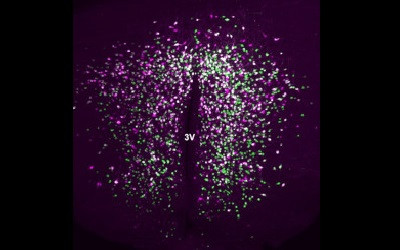
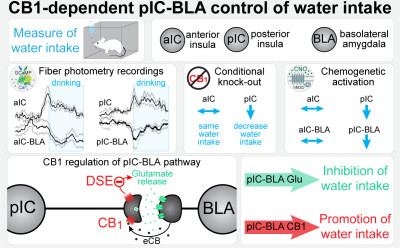
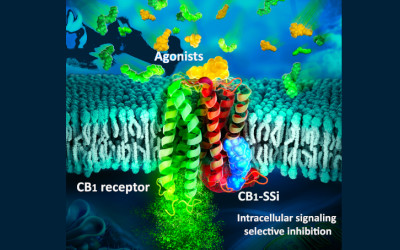
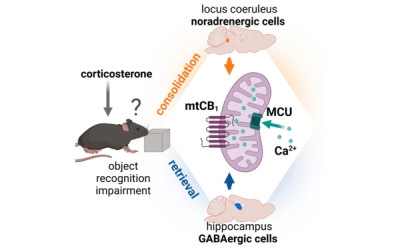

07/07/1988 | Eur J Pharmacol
Feeding responses to a high dose of 8-OH-DPAT in young and adult rats: influence of food texture.
Chaouloff F, Serrurrier B, Merino D, Laude D, Elghozi JL

Abstract:
The present study was undertaken to investigate the hyperphagic responses to the 5-HT1A receptor agonist, 8-hydroxy-2-(di-n-propylamino)tetralin (8-OH-DPAT), in young and adult rats fed either a powder diet or pellets. In the young rats, 8-OH-DPAT (500 micrograms/kg s.c.) increased the consumption of pellets--but not powder--during the 2 h following drug administration. On the other hand, 8-OH-DPAT did not promote hyperphagia in adult rats presented with either pellets or a powdered diet. The influence of the 5-HT1A agonist on midbrain serotonin (5-hydroxytryptamine, 5-HT) turnover was examined. Administration of 8-OH-DPAT (500 micrograms/kg s.c.) induced similar decreases in 5-HT turnover, as reflected by the ratio of 5-hydroxyindoleacetic acid (5-HIAA) to 5-HT, in young and adult rats 1 h after administration. Nevertheless, some metabolic responses to 8-OH-DPAT were found to be influenced by age. Young and adult rats were injected with a low dose of 8-OH-DPAT (50 micrograms/kg s.c.) to specifically test the presynaptic regulation of 5-HT turnover. Again, midbrain 5-HIAA to 5-HT ratios were decreased to the same extent in both young and adult rats. The results suggest that (i) gnawing may be an important parameter in the food consumption that is triggered by a high dose of 8-OH-DPAT, (ii) analysis of the presynaptic effects of 8-OH-DPAT on 5-HT turnover cannot solely explain the influence of the agonist on feeding behavior.


Abstract:
Changes in glycemia and insulinemia were determined in conscious lean (FA/?) and obese (fa/fa) rats after acute administration of the 5-HT1A receptor agonist 8-hydroxy-2-(di-n-propylamino)tetralin (8-OH-DPAT). The intravenous injection of a low dose of 8-OH-DPAT (150 micrograms/kg) to lean rats rapidly promoted hyperglycemia. This modification was associated with a slight increase in insulinemia. The injection of 8-OH-DPAT markedly decreased basal hyperinsulinemia in obese rats while inducing hyperglycemia. Further evidence of the strong inhibitory effect of 8-OH-DPAT on insulin release was obtained in lean and obese rats during glucose tolerance tests. Intracerebroventricular injection of 8-OH-DPAT (45 micrograms/animal) triggered hyperglycemia and markedly decreased insulinemia in both lean and obese rats. This hypoinsulinemic effect of 8-OH-DPAT was more pronounced in the obese than in the lean animals. Measurement of the food intake elicited by 8-OH-DPAT (500 micrograms/kg s.c.) showed that the hyperphagic action of the 5-HT1A agonist was the same in FA/? and fa/fa rats. It is suggested that: (i) hyperinsulinemia of the genetically obese rat may be diminished by a low dose of 8-OH-DPAT; (ii) 5-HT1A autoreceptor-mediated regulation of serotonergic activity is not different in lean (FA/?) and obese (fa/fa) rats; (iii) 8-OH-DPAT could be of potential therapeutic use for some aspects of the pathology of type II diabetes.


1988 | fundam clin pharmacol
Comparative pharmacokinetics of D- and L-alphamethyldopa in plasma, aqueous humor, and cerebrospinal fluid in rabbits.
Auclair E, Laude D, Wainer IW, Chaouloff F, Elghozi JL

Abstract:
The 2 stereoisomers of alphamethyldopa (alpha MD) were separately injected IV at 3 different doses (3, 10, 30 mg/kg) in anesthetized rabbits. Samples of plasma, aqueous humor (AH), and cerebrospinal fluid (CSF) were collected over a 300-min period. The concentration of the aminoacid (AA) was determined by liquid chromatography and electrochemical detection. Parameters obtained from kinetic analyses of the plasma concentrations were close to the values reported in other species. Linear elimination kinetics were observed in the dose range studied. A marked dose-dependent entry of alpha MD was observed in AH. A stereospecific active transport of alpha MD was evidenced in the AH since the concentration of the L-isomer reached values above the plasma levels. CSF entry of the AA was small when compared to AH kinetics. A limited passive diffusion of the AA in the brain could account for this phenomenon. However, greater availability of the L-stereoisomer was still observed in CSF. These alpha MD kinetic analyses illustrate the adaptation of AH and CSF removal procedures to the pharmacokinetic studies of the brain and ocular entry of AA isomers.


Abstract:
The ability of the 5-hydroxytryptamine (5-HT)1A agonist 8-hydroxy-2-(di-n-propylamino)tetralin (8-OH-DPAT) to affect plasma glucose levels and insulin release was assessed in rats bearing chronic jugular catheters. The i.v. administration of 8-OH-DPAT (150 micrograms/kg) rapidly promoted a transient hyperglycemia. Despite high glucose levels, insulinemia remained constant. Dose-response curves revealed that maximal hyperglycemia was associated with hypoinsulinemia. Increased glycemia, which was also found to be induced by other 5-HT direct and indirect agonists, lasted longer in food-deprived rats. Evidence for a strong inhibitory effect of 8-OH-DPAT on insulin release was reported in rats submitted to i.v. glucose tolerance tests. Pretreatments with the dopaminergic blocker haloperidol, the alpha-1 adrenoceptor antagonist prazosin or the 5-HT2 blocker ketanserin were ineffective. In contrast, the alpha-2 adrenoceptor antagonist idazoxan and the unspecific 5-HT antagonist methiotepin prevented the hyperglycemic and the hypoinsulinemic effects of 8-OH-DPAT. Blockade of these changes by (-)-propranolol (a 5-HT1 blocker), but not by (+)-propranolol, indicated that 5-HT1 and alpha-2 adrenergic receptors mediated 8-OH-DPAT-induced hyperglycemia. Reserpine pretreatment did not prevent the effects of 8-OH-DPAT. Central injection of 8-OH-DPAT induced hyperglycemia, the amplitude of which was equivalent to that measured after i.v. administration. Selective degeneration of serotonergic nerve cells by 5,7-dihydroxytryptamine did not prevent 8-OH-DPAT-induced alterations, thus rendering a key role for presynaptic mechanisms unlikely.(ABSTRACT TRUNCATED AT 250 WORDS)


Abstract:
This study was performed to investigate the effects of exercise on the synthesis of dopamine (DA) and 5-hydroxytryptamine (5-HT) in the brain of the trained rat. The consequences on the relationships between these two systems were also examined. The sum of the levels of free 3,4-dihydroxyphenyl acetic acid (DOPAC) plus homovanillic acid (HVA) was increased by running and remained elevated throughout the first hour of recovery. Regional studies indicated that the levels of DA were increased in the midbrain, hypothalamus and hippocampus. In these areas, DOPAC showed little variation whereas HVA was largely increased. Administration of pargyline confirmed this increase in the metabolism of DA in hypothalamus and midbrain during running. Food deprivation and administration of tryptophan clearly revealed that running, despite increasing levels of tryptophan and 5-hydroxyindoleacetic acid in brain, reduced the central control of synthesis of 5-HT by tryptophan, probably by inhibiting tryptophan hydroxylase. To examine if such an alteration was caused by the running-induced activation of metabolism of DA in brain, compounds known to affect the activity of DA were used. Administration of amphetamine potentiated the relative inhibition of synthesis of 5-HT induced by running, while alpha-methyl-p-tyrosine prevented this effect of exercise. Haloperidol did not produce any significant change. It is concluded that the control of the synthesis of 5-HT in brain by the availability of tryptophan is altered during exercise and that the increased central catecholaminergic activity participates in such an alteration.


Abstract:
A single 2-h restraint stress reduces locomotion and increases defaecation of male rats placed in an open field 24 h later. After daily 2-h restraints for 5 days these effects were no longer observed. This adaptation was associated with enhanced sensitivity to the serotonin agonist 5-methoxy-N,N-dimethyltryptamine. Female rats were less affected by a single restraint but failed to adapt to the repeated stress procedure and did not exhibit enhanced sensitivity to 5-methoxy-N,N-dimethyltryptamine. Furthermore, females but not males killed 24 h after the final restraint period had decreased brain regional 5-hydroxyindoleacetic acid concentrations particularly in the frontal cortex. No sex differences in hypothalamic and striatal dopamine metabolism were observed. The above differences between male and female rats were unaffected by adult gonadectomy. Similar differences could be involved in the higher incidence of depressive illness in women.


Abstract:
Rats were trained to run on a horizontal treadmill for 2 h at 20 m/min. This activity considerably increased plasma free tryptophan (TRP) (+70%) but did not alter plasma total TRP levels and had little or no effect on plasma concentrations of the other large neutral amino acids (LNAAs) that compete with TRP for entry into the brain. Brain TRP levels increased by 80%. The only other brain LNAA to be affected by exercise was threonine, which rose moderately. The results indicate that increased plasma free TRP was specifically responsible for the increase of brain TRP after 2 h of exercise. Brain lysine was also increased whereas glycine, alanine, and gamma-aminobutyric acid were decreased. The differences between the present findings and those previously obtained following 2 h immobilization stress are discussed.


Abstract:
An investigation was made into the effects of running (1 h at 20 m/min) on central serotonergic and dopaminergic metabolism in trained rats. Methodology involved continuous withdrawal of cerebrospinal fluid (CSF) from the third ventricle of conscious rats and measurements of tryptophan (TRP), 5-hydroxyindoleacetic acid (5-HIAA), and homovanillic acid (HVA) levels during a 2 h post-exercise period. All three compounds were increased during the hour following exercise and returned to their basal values within an hour later. CSF flow rate was stable when metabolite levels were elevated. Brain determinations indicated that CSF metabolite variations only qualitatively paralleled brain changes. Indeed, post-exercise TRP, 5-HIAA, and HVA levels were increased to a greater extent in brain when compared to CSF. It is suggested that increased serotonergic and dopaminergic metabolism, caused by motor activity, may be involved in the behavioral effects of exercise.


Abstract:
Fusaric acid (FA) administration to the rats promoted one hour later a large decrease in plasma total tryptophan (TRP), without affecting either plasma free TRP or lipolysis, as measured by plasma non esterified fatty acid concentration. The previous change was associated with hypoinsulinemia, hyperglycemia and increased plasma corticosterone level. Regression analysis revealed a significant correlation between brain TRP and the percentage of plasma TRP which was free (i.e. unbound to albumin), both increased by FA injection. The increase in brain TRP promoted an increased brain serotonin synthesis, as measured by the enhanced brain and CSF 5-HIAA levels. Valine pretreatment, which blocks TRP entry into the brain, completely prevented FA-induced brain TRP and brain 5-HIAA increases. These results suggest that the increased brain serotonergic turnover following FA treatment was due to a peripheral action of the drug upon TRP disposition. The latter effect may be caused (i) by in vivo peripheral alterations in catecholaminergic metabolism and (ii) by FA chemical structure since in vitro experiments revealed that FA was able to displace TRP binding to albumin, thus increasing the plasma free TRP pool.


Abstract:
The effect of the dopamine-beta-hydroxylase inhibitor, fusaric acid (FA), on cerebrospinal fluid (CSF) homovanillic acid (HVA) was studied in pentobarbitone-anesthetized rats. Idazoxan, a selective alpha 2-antagonist, accentuated the FA-induced HVA elevation in CSF while alpha-methyldopa pretreatment prevented this effect of FA on the HVA level in CSF. These results could indicate that the rate of dopamine synthesis in noradrenaline neurons could be the main determinant of the FA-induced HVA elevation.


Abstract:
An investigation was made into the effects of conditioned running (1 h and 2 h at 20 m min-1), which accelerates lipolysis, on the concentrations of tryptophan (Trp) in plasma, liver and brain and on 5-hydroxytrptamine (5-HT) and 5-hydroxyindoleacetic acid (5-HIAA) levels in brain. Running caused time-dependent increases in plasma free Trp and brain Trp of the rat, leading to increased brain 5-HT turnover as revealed by higher amounts of its metabolite, 5-HIAA. The ratio of brain Trp to plasma free Trp was decreased after 2 h of running. Liver Trp content rose only after 3 h of running, while liver unesterified fatty acid (UFA) concentrations remained unmodified. A comparison between food deprivation and running (both of which promote lipolysis) was performed. Running for 2 h affected to the same extent plasma Trp disposition when compared with 24 h food deprivation. Nevertheless, the ratio of brain Trp to plasma free Trp was decreased in the food-deprived rats, when compared to the runners. Nicotinic acid, which inhibits fat catabolism, completely abolished the plasma UFA increase induced by 1 h of running. The drug did not affect plasma free Trp, brain Trp, 5-HT or 5-HIAA but enhanced plasma total Trp level. Naloxone, an opiate antagonist, which decreased running-induced lipolysis, did not alter plasma Trp disposition. Desipramine, an antidepressant compound, affected only peripheral Trp concentrations of the runners. Plasma free and total Trp concentrations were increased in desipramine-treated runners, compared with saline-treated runners. In addition, desipramine increased the ratio of brain Trp to plasma free Trp of the runners. Brain 5-HT and 5-HIAA were increased in both desipramine-treated controls and runners. 9 The results suggest that running, which like food deprivatiQn accelerates lipolysis, increases brain Trp content and then 5-HT turnover. Comparison of these two physiological situations suggests that effectiveness of brain Trp entry is much more altered by fasting.


1985 | neurochem int
Tryptophan and serotonin turnover rate in the brain of genetically hyperammonemic mice.
Chaouloff F, Laude D, Mignot E, Kamoun P, Elghozi JL

Abstract:
An investigation was made into the effects of hyperammonemia on the metabolism of brain serotonin (5-HT). The animal model used was the sparse fur (spf) mouse, which possesses an inborn error of the urea cycle, i.e. an abnormal form of ornithine transcarbamylase. Several indoles were measured in brain and plasma using liquid chromatography with electrochemical detection coupled to an u.v. detection (LCEC-u.v.). In the mutant mice, plasma total tryptophan (TRP) was higher when compared with the controls, while plasma free-TRP portion was unchanged. In these animals, brain TRP was increased whilst the 5-HT and 5-hydroxyindoleacetic acid (5-HIAA) levels were significantly higher in the hypothalamus and midbrain. Experiments with NSD-1015 (100 mg/kg i.p.) indicated that the 5-hydroxytryptophan (5-HTP) synthesis rate was increased in the hyperammonemic mice. Pargyline experiments (100 mg/kg i.p.) confirmed the enhanced brain 5-HT turnover rate in the spf mice. In addition, these experiments led to the conclusion that hyperammonemia does not affect the various rate constants. After administration of NSD-1015, TRP level slightly increased in the spf mouse brains, while it was stationary in those of the controls. This result could indicate an increased activity of hepatic TRP-pyrrolase in the hyperammonemic mice. Valine (VAL) administration (200 mg/kg i.p.) reduced brain TRP content in the two kinds of mice, but its effect was of shorter duration in the spf when compared with the control. Comparison of brain tryptamine level indicated a slight but not significant increase in the mutant mice. The data reported here indicate that hyperammonemia may affect peripheral TRP metabolism with consequences upon brain 5-HT synthesis, which could promote certain neurologic disorders.