Publications


IF du Neurocentre
IF1234567891011121314151617181920253035404550
Nombre1217571601251078156373217171812312271211811116719
%11386543221111211111111111


2221 publications


11/10/2022 | Cell Rep
Astroglial ER-mitochondria calcium transfer mediates endocannabinoid-dependent synaptic integration.
Serrat R, Covelo A, Kouskoff V, Delcasso S, Ruiz-Calvo A, Chenouard N, Stella C, Blancard C, Salin B, Julio-Kalajzić F, Cannich A, Massa F, Varilh M, Deforges S, Robin LM, De Stefani D, Busquets-Garcia A, Gambino F, Beyeler A, Pouvreau S, Marsicano G
doi: 10.1016/j.celrep.2022.111499


Abstract:
Over the last few decades, there has been a progressive transition from a categorical to a dimensional approach to psychiatric disorders. Especially in the case of substance use disorders, interest in the individual vulnerability to transition from controlled to compulsive drug taking warrants the development of novel dimension-based objective stratification tools. Here we drew on a multidimensional preclinical model of addiction, namely the 3-criteria model, previously developed to identify the neurobehavioural basis of the individual's vulnerability to switch from controlled to compulsive drug taking, to test a machine-learning assisted classifier objectively to identify individual subjects as vulnerable/resistant to addiction. Datasets from our previous studies on addiction-like behaviour for cocaine or alcohol were fed into a variety of machine-learning algorithms to develop a classifier that identifies resilient and vulnerable rats with high precision and reproducibility irrespective of the cohort to which they belong. A classifier based on K-median or K-mean-clustering (for cocaine or alcohol, respectively) followed by artificial neural networks emerged as a highly reliable and accurate tool to predict if a single rat is vulnerable/resilient to addiction. Thus, each rat previously characterized as displaying 0-criterion (i.e., resilient) or 3-criteria (i.e., vulnerable) in individual cohorts was correctly labelled by this classifier. The present machine-learning-based classifier objectively labels single individuals as resilient or vulnerable to developing addiction-like behaviour in a multisymptomatic preclinical model of addiction-like behaviour in rats. This novel dimension-based classifier increases the heuristic value of these preclinical models while providing proof of principle to deploy similar tools for the future of diagnosis of psychiatric disorders.


07/10/2022 | Mol Psychiatry
Insulin modulates emotional behavior through a serotonin-dependent mechanism.
Martin H, Bullich S, Martinat M, Chataigner M, Di Miceli M, Simon V, Clark S, Butler J, Schell M, Chopra S, Chaouloff F, Kleinridders A, Cota D, De Deurwaerdere P, Pénicaud L, Layé S, Guiard BP, Fioramonti X
doi: 10.1038/s41380-022-01812-3

Abstract:
Type-2 Diabetes (T2D) is characterized by insulin resistance and accompanied by psychiatric comorbidities including major depressive disorders (MDD). Patients with T2D are twice more likely to suffer from MDD and clinical studies have shown that insulin resistance is positively correlated with the severity of depressive symptoms. However, the potential contribution of central insulin signaling in MDD in patients with T2D remains elusive. Here we hypothesized that insulin modulates the serotonergic (5-HT) system to control emotional behavior and that insulin resistance in 5-HT neurons contributes to the development of mood disorders in T2D. Our results show that insulin directly modulates the activity of dorsal raphe (DR) 5-HT neurons to dampen 5-HT neurotransmission through a 5-HT(1A) receptor-mediated inhibitory feedback. In addition, insulin-induced 5-HT neuromodulation is necessary to promote anxiolytic-like effect in response to intranasal insulin delivery. Interestingly, such an anxiolytic effect of intranasal insulin as well as the response of DR 5-HT neurons to insulin are both blunted in high-fat diet-fed T2D animals. Altogether, these findings point to a novel mechanism by which insulin directly modulates the activity of DR 5-HT neurons to dampen 5-HT neurotransmission and control emotional behaviors, and emphasize the idea that impaired insulin-sensitivity in these neurons is critical for the development of T2D-associated mood disorders.


10/2022 | surg radiol anat
Skin landmarks as ideal entry points for ventricular drainage, a radiological study.
Roblot P, Lefevre E, David R, Pardo PL, Mongardi L, Denat L, Tourdias T, Liguoro D, Jecko V, Vignes JR
doi: 10.1007/s00276-022-03019-1

Abstract:
PURPOSE: Ventricular drainage remains a usual but challenging procedure for neurosurgical trainees. The objective of the study was to describe reliable skin landmarks for ideal entry points (IEPs) to catheterize brain ventricles via frontal and parieto-occipital approaches. METHODS: We included 30 subjects who underwent brain MRI and simulated the ideal catheterization trajectories of lateral ventricles using anterior and posterior approaches and localized skin surface IEPs. The optimal frontal target was the interventricular foramen and that for the parieto-occipital approach was the atrium. We measured the distances between these IEPs and easily identifiable skin landmarks. RESULTS: The frontal IEP was localized to 116.8 +/- 9.3 mm behind the nasion on the sagittal plane and to 39.7 +/- 4.9 mm lateral to the midline on the coronal plane. The ideal catheter length was estimated to be 68.4 +/- 6.4 mm from the skin surface to the interventricular foramen. The parieto-occipital point was localized to 62.9 +/- 7.4 mm above the ipsilateral tragus on the coronal plane and to 53.1 +/- 9.1 mm behind the tragus on the axial plane. The ideal catheter length was estimated to be 48.3 +/- 9.6 mm. CONCLUSION: The IEP for the frontal approach was localized to 11 cm above the nasion and 4 cm lateral to the midline. The IEP for the parieto-occipital approach was 5.5 cm behind and 6 cm above the tragus. These measurements lightly differ from the classical descriptions of Kocher's point and Keen's point and seem relevant to neurosurgical practice while using an orthogonal insertion.


10/2022 | Mult Scler
Altered functional brain states predict cognitive decline 5 years after a clinically isolated syndrome.
Koubiyr I, Broeders TA, Deloire M, Brochet B, Tourdias T, Geurts JJ, Schoonheim MM, Ruet A
doi: 10.1177/13524585221101470

Abstract:
BACKGROUND: Cognitive impairment occurs in the earliest stages of multiple sclerosis (MS) together with altered functional connectivity (FC). OBJECTIVE: The aim of this study was to investigate the evolution of dynamic FC states in early MS and their role in shaping cognitive decline. METHODS: Overall, 32 patients were enrolled after their first neurological episode suggestive of MS and underwent cognitive evaluation and resting-state functional MRI (fMRI) over 5 years. In addition, 28 healthy controls were included at baseline. RESULTS: Cognitive performance was stable during the first year and declined after 5 years.At baseline, the number of transitions between states was lower in MS compared to controls (p = 0.01). Over time, frequency of high FC states decreased in patients (p = 0.047) and increased in state with low FC (p = 0.035). Cognitive performance at Year 5 was best predicted by the mean connectivity of high FC state at Year 1. CONCLUSION: Patients with early MS showed reduced functional network dynamics at baseline. Longitudinal changes showed longer time spent in a state of low FC but less time spent and more connectivity disturbance in more integrative states with high within- and between-network FC. Disturbed FC within this more integrative state was predictive of future cognitive decline.


10/2022 | transl stroke res
Normal-Appearing White Matter Deteriorates over the Year After an Ischemic Stroke and Is Associated with Global Cognition.
Sagnier S, Catheline G, Dilharreguy B, Linck PA, Coupe P, Munsch F, Bigourdan A, Poli M, Debruxelles S, Renou P, Olindo S, Rouanet F, Dousset V, Tourdias T, Sibon I
doi: 10.1007/s12975-022-00988-8

Abstract:
Normal-appearing white matter (NAWM) is a hub of plasticity, but data relating to its influence on post-ischemic stroke (IS) outcome remain scarce. The aim of this study was to evaluate the relationship between NAWM integrity and cognitive outcome after an IS. A longitudinal study was conducted including supra-tentorial IS patients. A 3-Tesla brain MRI was performed at baseline and 1 year, allowing the analyses of mean fractional anisotropy (FA) and mean diffusivity (MD) in NAWM masks, along with the volume of white matter hyperintensities (WMH) and IS. A Montreal Cognitive Assessment (MoCA), an Isaacs set test, and a Zazzo's cancellation task were performed at baseline, 3 months and 1 year. Mixed models were built, followed by Tract-based Spatial Statistics (TBSS) analyses. Ninety-five patients were included in the analyses (38% women, median age 69 +/- 20). FA significantly decreased, and MD significantly increased between baseline and 1 year, while cognitive scores improved. Patients who decreased their NAWM FA more over the year had a slower cognitive improvement on MoCA (beta = - 0.11, p = 0.05). The TBSS analyses showed that patients who presented the highest decrease of FA in various tracts of white matter less improved their MoCA performances, regardless of WMH and IS volumes, demographic confounders, and clinical severity. NAWM integrity deteriorates over the year after an IS, and is associated with a cognitive recovery slowdown. The diffusion changes recorded here in patients starting with an early preserved white matter structure could have long term impact on cognition.


09/09/2022 | sci adv
The core PCP protein Prickle2 regulates axon number and AIS maturation by binding to AnkG and modulating microtubule bundling.
Dorrego-Rivas A, Ezan J, Moreau MM, Poirault-Chassac S, Aubailly N, De Neve J, Blanchard C, Castets F, Fréal A, Battefeld A, Sans N, Montcouquiol M
doi: 10.1126/sciadv.abo6333

Abstract:
Core planar cell polarity (PCP) genes, which are involved in various neurodevelopmental disorders such as neural tube closure, epilepsy, and autism spectrum disorder, have poorly defined molecular signatures in neurons, mostly synapse-centric. Here, we show that the core PCP protein Prickle-like protein 2 (Prickle2) controls neuronal polarity and is a previously unidentified member of the axonal initial segment (AIS) proteome. We found that Prickle2 is present and colocalizes with AnkG480, the AIS master organizer, in the earliest stages of axonal specification and AIS formation. Furthermore, by binding to and regulating AnkG480, Prickle2 modulates its ability to bundle microtubules, a crucial mechanism for establishing neuronal polarity and AIS formation. Prickle2 depletion alters cytoskeleton organization, and Prickle2 levels determine both axon number and AIS maturation. Last, early Prickle2 depletion produces impaired action potential firing.


02/09/2022 | Science
GnRH replacement rescues cognition in Down syndrome.
Manfredi-Lozano M, Leysen V, Adamo M, Paiva I, Rovera R, Pignat JM, Timzoura FE, Candlish M, Eddarkaoui S, Malone SA, Silva MSB, Trova S, Imbernon M, Decoster L, Cotellessa L, Tena-Sempere M, Claret M, Paoloni-Giacobino A, Plassard D, Paccou E, Vionnet N, Acierno J, Maceski AM, Lutti A, Pfrieger F, Rasika S, Santoni F, Boehm U, Ciofi P, Buée L, Haddjeri N, Boutillier AL, Kuhle J, Messina A, Draganski B, Giacobini P, Pitteloud N, Prevot V
doi: 10.1126/science.abq4515

Abstract:
At the present time, no viable treatment exists for cognitive and olfactory deficits in Down syndrome (DS). We show in a DS model (Ts65Dn mice) that these progressive nonreproductive neurological symptoms closely parallel a postpubertal decrease in hypothalamic as well as extrahypothalamic expression of a master molecule that controls reproduction-gonadotropin-releasing hormone (GnRH)-and appear related to an imbalance in a microRNA-gene network known to regulate GnRH neuron maturation together with altered hippocampal synaptic transmission. Epigenetic, cellular, chemogenetic, and pharmacological interventions that restore physiological GnRH levels abolish olfactory and cognitive defects in Ts65Dn mice, whereas pulsatile GnRH therapy improves cognition and brain connectivity in adult DS patients. GnRH thus plays a crucial role in olfaction and cognition, and pulsatile GnRH therapy holds promise to improve cognitive deficits in DS.


23/08/2022 | Cell Rep
Visual-area-specific tonic modulation of GABA release by endocannabinoids sets the activity and coordination of neocortical principal neurons.
Koukouli F, Montmerle M, Aguirre A, De Brito Van Velze M, Peixoto J, Choudhary V, Varilh M, Julio-Kalajzic F, Allene C, Mendez P, Zerlaut Y, Marsicano G, Schluter OM, Rebola N, Bacci A, Lourenco J
doi: 10.1016/j.celrep.2022.111202

Abstract:
Perisomatic inhibition of pyramidal neurons (PNs) coordinates cortical network activity during sensory processing, and this role is mainly attributed to parvalbumin-expressing basket cells (BCs). However, cannabinoid receptor type 1 (CB1)-expressing interneurons are also BCs, but the connectivity and function of these elusive but prominent neocortical inhibitory neurons are unclear. We find that their connectivity pattern is visual area specific. Persistently active CB1 signaling suppresses GABA release from CB1 BCs in the medial secondary visual cortex (V2M), but not in the primary visual cortex (V1). Accordingly, in vivo, tonic CB1 signaling is responsible for higher but less coordinated PN activity in the V2M than in the V1. These differential firing dynamics in the V1 and V2M can be captured by a computational network model that incorporates visual-area-specific properties. Our results indicate a differential CB1-mediated mechanism controlling PN activity, suggesting an alternative connectivity scheme of a specific GABAergic circuit in different cortical areas.


22/08/2022 | nat metab
GLP-1-mediated delivery of tesaglitazar improves obesity and glucose metabolism in male mice.
Quarta C, Stemmer K, Novikoff A, Yang B, Klingelhuber F, Harger A, Bakhti M, Bastidas-Ponce A, Baugé E, Campbell JE, Capozzi M, Clemmensen C, Collden G, Cota P, Douros J, Drucker DJ, DuBois B, Feuchtinger A, Garcia-Caceres C, Grandl G, Hennuyer N, Herzig S, Hofmann SM, Knerr PJ, Kulaj K, Lalloyer F, Lickert H, Liskiewicz A, Liskiewicz D, Maity G, Perez-Tilve D, Prakash S, Sanchez-Garrido MA, Zhang Q, Staels B, Krahmer N, DiMarchi RD, Tschöp MH, Finan B, Müller TD
doi: 10.1038/s42255-022-00617-6

Abstract:
Dual agonists activating the peroxisome proliferator-activated receptors alpha and gamma (PPARɑ/ɣ) have beneficial effects on glucose and lipid metabolism in patients with type 2 diabetes, but their development was discontinued due to potential adverse effects. Here we report the design and preclinical evaluation of a molecule that covalently links the PPARɑ/ɣ dual-agonist tesaglitazar to a GLP-1 receptor agonist (GLP-1RA) to allow for GLP-1R-dependent cellular delivery of tesaglitazar. GLP-1RA/tesaglitazar does not differ from the pharmacokinetically matched GLP-1RA in GLP-1R signalling, but shows GLP-1R-dependent PPARɣ-retinoic acid receptor heterodimerization and enhanced improvements of body weight, food intake and glucose metabolism relative to the GLP-1RA or tesaglitazar alone in obese male mice. The conjugate fails to affect body weight and glucose metabolism in GLP-1R knockout mice and shows preserved effects in obese mice at subthreshold doses for the GLP-1RA and tesaglitazar. Liquid chromatography-mass spectrometry-based proteomics identified PPAR regulated proteins in the hypothalamus that are acutely upregulated by GLP-1RA/tesaglitazar. Our data show that GLP-1RA/tesaglitazar improves glucose control with superior efficacy to the GLP-1RA or tesaglitazar alone and suggest that this conjugate might hold therapeutic value to acutely treat hyperglycaemia and insulin resistance.


19/08/2022 | cells
Expression of Functional Cannabinoid Type-1 (CB1) Receptor in Mitochondria of White Adipocytes.
Pagano Zottola AC, Severi I, Cannich A, Ciofi P, Cota D, Marsicano G, Giordano A, Bellocchio L
doi: 10.3390/cells11162582

Abstract:
Via activation of the cannabinoid type-1 (CB1) receptor, endogenous and exogenous cannabinoids modulate important biochemical and cellular processes in adipocytes. Several pieces of evidence suggest that alterations of mitochondrial physiology might be a possible mechanism underlying cannabinoids' effects on adipocyte biology. Many reports suggest the presence of CB1 receptor mRNA in both white and brown adipose tissue, but the detailed subcellular localization of CB1 protein in adipose cells has so far been scarcely addressed. In this study, we show the presence of the functional CB1 receptor at different subcellular locations of adipocytes from epididymal white adipose tissue (eWAT) depots. We observed that CB1 is located at different subcellular levels, including the plasma membrane and in close association with mitochondria (mtCB1). Functional analysis in tissue homogenates and isolated mitochondria allowed us to reveal that cannabinoids negatively regulate complex-I-dependent oxygen consumption in eWAT. This effect requires mtCB1 activation and consequent regulation of the intramitochondrial cAMP-PKA pathway. Thus, CB1 receptors are functionally present at the mitochondrial level in eWAT adipocytes, adding another possible mechanism for peripheral regulation of energy metabolism.


09/08/2022 | Psychopharmacology (Berl)
Adolescent self-administration of the synthetic cannabinoid receptor agonist JWH-018 induces neurobiological and behavioral alterations in adult male mice.
Margiani G, Castelli MP, Pintori N, Frau R, Ennas MG, Orrù V, Serra V, Fiorillo E, Fadda P, Marsicano G, De Luca MA
doi: 10.1007/s00213-022-06191-9

Abstract:
RATIONALE: The use of synthetic cannabinoid receptor agonists (SCRAs) is growing among adolescents, posing major medical and psychiatric risks. JWH-018 represents the reference compound of SCRA-containing products. OBJECTIVES: This study was performed to evaluate the enduring consequences of adolescent voluntary consumption of JWH-018. METHODS: The reinforcing properties of JWH-018 were characterized in male CD1 adolescent mice by intravenous self-administration (IVSA). Afterwards, behavioral, neurochemical, and molecular evaluations were performed at adulthood. RESULTS: Adolescent mice acquired operant behavior (lever pressing, Fixed Ratio 1-3; 7.5 µg/kg/inf); this behavior was specifically directed at obtaining JWH-018 since it increased under Progressive Ratio schedule of reinforcement, and was absent in vehicle mice. JWH-018 IVSA was reduced by pretreatment of the CB1-antagonist/inverse agonist AM251. Adolescent exposure to JWH-018 by IVSA increased, at adulthood, both nestlet shredding and marble burying phenotypes, suggesting long-lasting repetitive/compulsive-like behavioral effects. JWH-018 did not affect risk proclivity in the wire-beam bridge task. In adult brains, there was an increase of ionized calcium binding adaptor molecule 1 (IBA-1) positive cells in the caudate-putamen (CPu) and nucleus accumbens (NAc), along with a decrease of glial fibrillary acidic protein (GFAP) immunoreactivity in the CPu. These glial alterations in adult brains were coupled with an increase of the chemokine RANTES and a decrease of the cytokines IL2 and IL13 in the cortex, and an increase of the chemokine MPC1 in the striatum. CONCLUSIONS: This study suggests for the first time that male mice self-administer the prototypical SCRA JWH-018 during adolescence. The adolescent voluntary consumption of JWH-018 leads to long-lasting behavioral and neurochemical aberrations along with glia-mediated inflammatory responses in adult brains.


08/2022 | Nature
Neurotensin orchestrates valence assignment in the amygdala.
Li H, Namburi P, Olson JM, Borio M, Lemieux ME, Beyeler A, Calhoon GG, Hitora-Imamura N, Coley AA, Libster A, Bal A, Jin X, Wang H, Jia C, Choudhury SR, Shi X, Felix-Ortiz AC, de la Fuente V, Barth VP, King HO, Izadmehr EM, Revanna JS, Batra K, Fischer KB, Keyes LR, Padilla-Coreano N, Siciliano CA, McCullough KM, Wichmann R, Ressler KJ, Fiete IR, Zhang F, Li Y, Tye KM
doi: 10.1038/s41586-022-04964-y

Abstract:
The ability to associate temporally segregated information and assign positive or negative valence to environmental cues is paramount for survival. Studies have shown that different projections from the basolateral amygdala (BLA) are potentiated following reward or punishment learning(1-7). However, we do not yet understand how valence-specific information is routed to the BLA neurons with the appropriate downstream projections, nor do we understand how to reconcile the sub-second timescales of synaptic plasticity(8-11) with the longer timescales separating the predictive cues from their outcomes. Here we demonstrate that neurotensin (NT)-expressing neurons in the paraventricular nucleus of the thalamus (PVT) projecting to the BLA (PVT-BLA:NT) mediate valence assignment by exerting NT concentration-dependent modulation in BLA during associative learning. We found that optogenetic activation of the PVT-BLA:NT projection promotes reward learning, whereas PVT-BLA projection-specific knockout of the NT gene (Nts) augments punishment learning. Using genetically encoded calcium and NT sensors, we further revealed that both calcium dynamics within the PVT-BLA:NT projection and NT concentrations in the BLA are enhanced after reward learning and reduced after punishment learning. Finally, we showed that CRISPR-mediated knockout of the Nts gene in the PVT-BLA pathway blunts BLA neural dynamics and attenuates the preference for active behavioural strategies to reward and punishment predictive cues. In sum, we have identified NT as a neuropeptide that signals valence in the BLA, and showed that NT is a critical neuromodulator that orchestrates positive and negative valence assignment in amygdala neurons by extending valence-specific plasticity to behaviourally relevant timescales.


08/2022 | AJNR Am J Neuroradiol
Validation of a Denoising Method Using Deep Learning-Based Reconstruction to Quantify Multiple Sclerosis Lesion Load on Fast FLAIR Imaging.
Yamamoto T, Lacheret C, Fukutomi H, Kamraoui RA, Denat L, Zhang B, Prevost V, Zhang L, Ruet A, Triaire B, Dousset V, Coupe P, Tourdias T
doi: 10.3174/ajnr.A7589

Abstract:
BACKGROUND AND PURPOSE: Accurate quantification of WM lesion load is essential for the care of patients with multiple sclerosis. We tested whether the combination of accelerated 3D-FLAIR and denoising using deep learning-based reconstruction could provide a relevant strategy while shortening the imaging examination. MATERIALS AND METHODS: Twenty-eight patients with multiple sclerosis were prospectively examined using 4 implementations of 3D-FLAIR with decreasing scan times (4 minutes 54 seconds, 2 minutes 35 seconds, 1 minute 40 seconds, and 1 minute 15 seconds). Each FLAIR sequence was reconstructed without and with denoising using deep learning-based reconstruction, resulting in 8 FLAIR sequences per patient. Image quality was assessed with the Likert scale, apparent SNR, and contrast-to-noise ratio. Manual and automatic lesion segmentations, performed randomly and blindly, were quantitatively evaluated against ground truth using the absolute volume difference, true-positive rate, positive predictive value, Dice similarity coefficient, Hausdorff distance, and F1 score based on the lesion count. The Wilcoxon signed-rank test and 2-way ANOVA were performed. RESULTS: Both image-quality evaluation and the various metrics showed deterioration when the FLAIR scan time was accelerated. However, denoising using deep learning-based reconstruction significantly improved subjective image quality and quantitative performance metrics, particularly for manual segmentation. Overall, denoising using deep learning-based reconstruction helped to recover contours closer to those from the criterion standard and to capture individual lesions otherwise overlooked. The Dice similarity coefficient was equivalent between the 2-minutes-35-seconds-long FLAIR with denoising using deep learning-based reconstruction and the 4-minutes-54-seconds-long reference FLAIR sequence. CONCLUSIONS: Denoising using deep learning-based reconstruction helps to recognize multiple sclerosis lesions buried in the noise of accelerated FLAIR acquisitions, a possibly useful strategy to efficiently shorten the scan time in clinical practice.


08/2022 | J Neurol
Endovascular treatment of ischemic stroke due to isolated internal carotid artery occlusion: ETIS registry data analysis.
Ter Schiphorst A, Peres R, Dargazanli C, Blanc R, Gory B, Richard S, Marnat G, Sibon I, Guillon B, Bourcier R, Denier C, Spelle L, Labreuche J, Consoli A, Lapergue B, Costalat V, Obadia M, Arquizan C
doi: 10.1007/s00415-022-11078-y

Abstract:
BACKGROUND: The best treatment for acute ischemic stroke (AIS) due to isolated cervical internal carotid artery occlusion (CICAO) (i.e., without associated occlusion of the circle of Willis) is still unknown. In this study, we aimed to describe EVT safety and clinical outcome in patients with CICAO. METHODS: We analyzed data of all consecutive patients, included in the Endovascular Treatment in Ischemic Stroke (ETIS) Registry between 2013 and 2020, who presented AIS and proven CICAO on angiogram and underwent EVT. We assessed carotid recanalization, procedural complications, National Institutes of Health Stroke Scale (NIHSS) at 24 h post-EVT, and 3-month favorable outcome (modified Rankin Scale, mRS </= 2 or equal to the pre-stroke value). RESULTS: Forty-five patients were included (median age: 70 years; range: 62-82 years). The median NIHSS before EVT was 14 (9-21). Carotid stenting was performed in 23 (51%) patients. Carotid recanalization at procedure end and on control imaging was observed in 37 (82%) and 29 (70%) patients, respectively. At day 1 post-EVT, the NIHSS remained stable or decreased in 25 (60%) patients; 12 (29%) patients had early neurologic deterioration (NIHSS >/= 4 points). The rate of procedural complications was 36%, including stent thrombosis (n = 7), intracranial embolism (n = 7), and symptomatic intracranial hemorrhage (n = 1). At 3 months, 18 (40%) patients had a favorable outcome, and 10 (22%) were dead. CONCLUSION: Our study suggests that EVT in AIS patients with moderate/severe initial deficit due to CICAO led to high rate of recanalization at day 1, and a 40% rate of favorable outcome at 3 months. There was a high rate of procedural complication which is of concern. Randomized controlled trials assessing the superiority of EVT in patients with CICAO and severe deficits are needed.


Abstract:
INTRODUCTION: The HHIE-S (Hearing Handicap Inventory for the Elderly - Screening) is widely used for hearing-loss disorder in the elderly. The main objective of the present study was to validate a French version. The secondary objective was to determinate a cut-off score as indication for hearing rehabilitation. METHODS: We translated the HHIE-S into French, respecting the cross-cultural adaptation process for medical questionnaires. An observational study assessed the translation (10 questions, scored from 0 to 40) used for screening purposes in a prospective cohort, aged ≥60 years, with comparison to pure tone, speech-in-silence and speech-in-noise audiometry. Subjects were considered hearing-impaired if the pure-tone average at 500, 1,000, 2,000 and 4,000 Hz was >20 dB HL in one or both ears. RESULTS: We tested 294 subjects (mean age =67±6 years). Hearing loss prevalence was 34.7 %. Cronbach's alpha (test reliability) was high (0.84). Taking HHIE-S score >8/40 as cut-off defining hearing loss, sensitivity was 80.4%, specificity 85.4 %, positive predictive value 74.5 % and negative predictive value 89.1 %. Seventy-three subjects (24.8 %) had theoretic indications for hearing aids, optimally detected by HHIE-S score >16/40 (88,4 %). CONCLUSION: Our study validated the French version of the HHIE-S. This tool could be useful in screening for age-induced hearing loss in the elderly French population.


29/07/2022 | sci adv
Switch of serotonergic descending inhibition into facilitation by a spinal chloride imbalance in neuropathic pain.
Aby F, Lorenzo LE, Grivet Z, Bouali-Benazzouz R, Martin H, Valerio S, Whitestone S, Isabel D, Idi W, Bouchatta O, De Deurwaerdere P, Godin AG, Herry C, Fioramonti X, Landry M, De Koninck Y, Fossat P
doi: 10.1126/sciadv.abo0689

Abstract:
Descending control from the brain to the spinal cord shapes our pain experience, ranging from powerful analgesia to extreme sensitivity. Increasing evidence from both preclinical and clinical studies points to an imbalance toward descending facilitation as a substrate of pathological pain, but the underlying mechanisms remain unknown. We used an optogenetic approach to manipulate serotonin (5-HT) neurons of the nucleus raphe magnus that project to the dorsal horn of the spinal cord. We found that 5-HT neurons exert an analgesic action in naïve mice that becomes proalgesic in an experimental model of neuropathic pain. We show that spinal KCC2 hypofunction turns this descending inhibitory control into paradoxical facilitation; KCC2 enhancers restored 5-HT-mediated descending inhibition and analgesia. Last, combining selective serotonin reuptake inhibitors (SSRIs) with a KCC2 enhancer yields effective analgesia against nerve injury-induced pain hypersensitivity. This uncovers a previously unidentified therapeutic path for SSRIs against neuropathic pain.


Abstract:
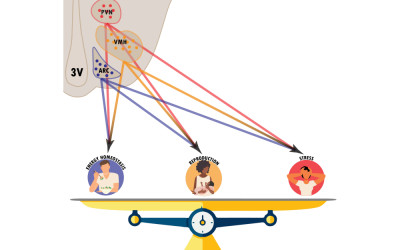
Obesity is a chronic and debilitating disorder that originates from alterations in energy-sensing brain circuits controlling body weight gain and food intake. The dysregulated syntheses and actions of lipid mediators in the hypothalamus induce weight gain and overfeeding, but the molecular and cellular underpinnings of these alterations remain elusive. In response to changes in the nutritional status, different lipid sensing pathways in the hypothalamus direct body energy needs in a Yin-Yang model. Endocannabinoids orchestrate the crosstalk between hypothalamic circuits and the sympathetic nervous system to promote food intake and energy accumulation during fasting, whereas bile acids act on the same top-down axis to reduce energy intake and possibly storage after the meal. In obesity, the bioavailability and downstream cellular actions of endocannabinoids and bile acids are altered in hypothalamic neurons involved in body weight and metabolic control. Thus, the onset and progression of this disease might result from an imbalance in hypothalamic sensing of multiple lipid signals, which are possibly integrated by common molecular nodes. In this viewpoint, we discuss a possible model that explains how bile acids and endocannabinoids may exert their effects on energy balance regulation via interconnected mechanisms at the level of the hypothalamic neuronal circuits. Therefore, we propose a new conceptual framework for understanding and treating central mechanisms of maladaptive lipid action in obesity.


Abstract:
Several studies have highlighted the value of diffusion tensor imaging (DTI) with strong diffusion weighting to reveal white matter microstructural lesions, but data in gray matter (GM) remains scarce. Herein, the effects of b-values combined with different numbers of diffusion-encoding directions (NDIRs) on DTI metrics to capture the normal hippocampal microstructure and its early alterations were investigated in a mouse model of multiple sclerosis (experimental autoimmune encephalomyelitis [EAE]). Two initial DTI datasets (B2700-43Dir acquired with b = 2700 s.mm(-2) and NDIR = 43; B1000-22Dir acquired with b = 1000 s.mm(-2) and NDIR = 22) were collected from 18 normal and 18 EAE mice at 4.7 T. Three additional datasets (B2700-22Dir, B2700-12Dir and B1000-12Dir) were extracted from the initial datasets. In healthy mice, we found a significant influence of b-values and NDIR on all DTI metrics. Confronting unsupervised hippocampal layers classification to the true anatomical classification highlighted the remarkable discrimination of the molecular layer with B2700-43Dir compared with the other datasets. Only DTI from the B2700 datasets captured the dendritic loss occurring in the molecular layer of EAE mice. Our findings stress the needs for both high b-values and sufficient NDIR to achieve a GM DTI with more biologically meaningful correlations, though DTI-metrics should be interpreted with caution in these settings.


13/07/2022 | Glia
Endocannabinoid signaling in astrocytes.
Eraso-Pichot A, Pouvreau S, Olivera-Pinto A, Gomez-Sotres P, Skupio U, Marsicano G
doi: 10.1002/glia.24246

Abstract:
The study of the astrocytic contribution to brain functions has been growing in popularity in the neuroscience field. In the last years, and especially since the demonstration of the involvement of astrocytes in synaptic functions, the astrocyte field has revealed multiple functions of these cells that seemed inconceivable not long ago. In parallel, cannabinoid investigation has also identified different ways by which cannabinoids are able to interact with these cells, modify their functions, alter their communication with neurons and impact behavior. In this review, we will describe the expression of different endocannabinoid system members in astrocytes. Moreover, we will relate the latest findings regarding cannabinoid modulation of some of the most relevant astroglial functions, namely calcium (Ca(2+) ) dynamics, gliotransmission, metabolism, and inflammation.


11/07/2022 | nat metab
Metabolic Messengers: endocannabinoids.
Busquets-García A, Bolaños JP, Marsicano G
doi: 10.1038/s42255-022-00600-1


06/07/2022 | Curr Opin Neurobiol
Decoding defensive systems.
Herry C, Jercog D
doi: 10.1016/j.conb.2022.102600

Abstract:
Our understanding of the neuronal circuits and mechanisms of defensive systems has been primarily dominated by studies focusing on the contribution of individual cells in the processing of threat-predictive cues, defensive responses, the extinction of such responses and the contextual modulation of threat-related behavior. These studies have been key in establishing threat-related circuits and mechanisms. Yet, they fall short in answering long-standing questions related to the integrative processing of distinct threatening cues, behavioral states induced by threat-related events, or the bridging from sensory processing of threat-related cues to specific defensive responses. Recent conceptual and technical developments has allowed the monitoring of large populations of neurons, which in addition to advanced analytic tools, have improved our understanding of how collective neuronal activity supports threat-related behaviors. In this review, we discuss the current knowledge of neuronal population codes within threat-related networks, in the context of aversive motivated behavior and the study of defensive systems.


07/2022 | Hum Brain Mapp
Hippocampal-amygdalo-ventricular atrophy score: Alzheimer disease detection using normative and pathological lifespan models.
Coupe P, Manjon JV, Mansencal B, Tourdias T, Catheline G, Planche V
doi: 10.1002/hbm.25850

Abstract:
In this article, we present an innovative MRI-based method for Alzheimer disease (AD) detection and mild cognitive impairment (MCI) prognostic, using lifespan trajectories of brain structures. After a full screening of the most discriminant structures between AD and normal aging based on MRI volumetric analysis of 3,032 subjects, we propose a novel Hippocampal-Amygdalo-Ventricular Atrophy score (HAVAs) based on normative lifespan models and AD lifespan models. During a validation on three external datasets on 1,039 subjects, our approach showed very accurate detection (AUC >/= 94%) of patients with AD compared to control subjects and accurate discrimination (AUC = 78%) between progressive MCI and stable MCI (during a 3-year follow-up). Compared to normative modeling, classical machine learning methods and recent state-of-the-art deep learning methods, our method demonstrated better classification performance. Moreover, HAVAs simplicity makes it fully understandable and thus well-suited for clinical practice or future pharmaceutical trials.


15/06/2022 | Biol Psychiatry
Addicted to Habits or to Sense of Control?
Deroche-Gamonet V
doi: 10.1016/j.biopsych.2022.04.009


10/06/2022 | Mol Cell Neurosci
Differential expression of serotonin(2B) receptors in GABAergic and serotoninergic neurons of the rat and mouse dorsal raphe nucleus.
Cathala A, Lucas G, López-Terrones E, Revest JM, Artigas F, Spampinato U
doi: 10.1016/j.mcn.2022.103750

Abstract:
The central serotonin(2B) receptor (5-HT(2B)R) modulates 5-HT and dopamine (DA) neuronal function in the mammalian brain and has been suggested as a potential target for the treatment of neuropsychiatric disorders involving derangements of these monoamine systems, such as schizophrenia, cocaine abuse and dependence and major depressive disorder. Studies in rats and mice yielded contrasting results on the control of 5-HT/DA networks by 5-HT(2B)Rs, thereby leading to opposite views on the therapeutic potential of 5-HT(2B)R agents for treating the above disorders. These discrepancies may result from anatomo-functional differences related to a different cellular location of 5-HT(2B)Rs in rat and mouse brain. Using immunohistochemistry, we assessed this hypothesis by examining the expression of 5-HT(2B)Rs in 5-HT and GABAergic neurons of rats and mice within different subregions of the dorsal raphe nucleus (DRN), currently considered as the main site of action of 5-HT(2B) agents. Likewise, using in vivo microdialysis, we examined their functional relevance in the control of DRN 5-HT outflow, a surrogate index of 5-HT neuronal activity. In the DRN of both species, 5-HT(2B)Rs are expressed in 5-HT cells expressing tryptophan hydroxylase 2 (TPH(2)), in GABAergic cells expressing glutamic acid decarboxylase 67 (GAD67), and in cells expressing both markers (GAD67 & TPH(2); i.e., GABA-expressing 5-HT neurons). The proportion of 5-HT(2B)R-positive cells expressing only TPH(2) was significantly larger in mouse than in rat DRN, whereas the opposite holds true for the expression in cells expressing GAD67 & TPH(2). No major species differences were found in the dorsal and ventral subregions. In contrast, the lateral subregion exhibited large differences, with a predominant expression of 5-HT(2B)Rs in TPH(2)-positive cells in mice (67.2 vs 19.9 % in rats), associated with a lower expression in GAD67 & TPH(2) cells (7.9 % in mice vs 41.5 % in rats). Intra-DRN (0.1 μM) administration of the preferential 5-HT(2B)R agonist BW 723C86 decreased and increased DRN 5-HT outflow in rats and mice respectively, both effects being prevented by the intra-DRN perfusion of the selective 5-HT(2B)R antagonist RS 127445 (0.1 μM). Altogether, these results show the existence of anatomical differences in the cellular expression of 5-HT(2B)Rs in the rat and mouse DRN, which translate into an opposite control of 5-HT outflow. Also, they highlight the relevance of the subset of GAD67-positive 5-HT neurons as a key factor responsible for the functional differences between rats and mice in terms of 5-HT neuronal activity modulation.


06/2022 | biomed pharmacother
Dietary administration of D-chiro-inositol attenuates sex-specific metabolic imbalances in the 5xFAD mouse model of Alzheimer's disease.
López-Gambero AJ, Pacheco-Sánchez B, Rosell-Valle C, Medina-Vera D, Navarro JA, Fernández-Arjona MDM, de Ceglia M, Sanjuan C, Simon V, Cota D, Rivera P, Rodríguez de Fonseca F, Suárez J
doi: 10.1016/j.biopha.2022.112994

Abstract:
Increasing evidence shows that hypothalamic dysfunction, insulin resistance, and weight loss precede and progress along with the cognitive decline in sporadic Alzheimer's Disease (AD) with sex differences. This study aimed to determine the effect of oral dietary administration of D-Chiro-inositol (DCI), an inositol used against insulin resistance associated with polycystic ovary, on the occurrence of metabolic disorders in the transgenic 5xFAD mouse model of AD (FAD: Family Alzheimer's Disease). DCI was administered from 6 to 10 months of age to male and female 5xFAD mice and control (non-Tg) littermates. Energy balance and multiple metabolic and inflammatory parameters in the hypothalamus, liver and plasma were evaluated to assess the central and peripheral effects of DCI. Results indicated that weight loss and reduced food intake in 5xFAD mice were associated with decreased neuropeptides controlling food intake and the appearance of a pro-inflammatory state in the hypothalamus. Oral administration of DCI partially restored energy balance and hypothalamic parameters, highlighting an increased expression of Npy and Agrp and female-specific downregulation of Gfap and Igf1. DCI also partially normalized impaired insulin signaling and circulating insulin, GLP-1, and GIP deficiencies in 5xFAD mice. Principal component analysis of metabolic parameters indicated the presence of a female-specific fatty liver in 5xFAD mice: DCI administration reversed hepatic fat accumulation, β-oxidation, inflammation and increased GOT and GPT levels. Our study depicts that metabolic impairment along with the cognitive decline in a mouse model of AD, which is exacerbated in females, can be ameliorated by oral supplementation with insulin-sensitizing DCI.


06/2022 | surg radiol anat
Skin landmarks to main cerebral structures: how to identify the main cerebral sulci? A radiological study about lateral, central, and parietooccipital sulci.
Roblot P, Lefevre E, David R, Le Quilliec J, Mongardi L, Denat L, Tourdias T, Liguoro D, Vignes JR, Jecko V
doi: 10.1007/s00276-022-02952-5

Abstract:
PURPOSE: In a previous cadaveric work, we identified and described useful and reproducible surface skin landmarks to lateral sulcus, central sulcus and preoccipital notch. Potential limitations of this cadaveric study have been raised. Thus, the objective of this study was to confirm radiologically the accuracy of these previously described surface skin landmarks on brain magnetic resonance imaging (MRI) of healthy subjects. METHODS: Healthy adult volunteers underwent a high-resolution brain MRI and measurements of the orthogonal skin projection (OSP) of the anterior sylvian point (AsyP), the superior Rolandic point (SroP) and the parietooccipital sulcus were made from nasion, zygomatic bone and inion, respectively. These measures were compared to our previous cadaveric findings. RESULTS: Thirty-one healthy volunteers were included. ASyP was 33 +/- 2 mm above the zygomatic arch, and 32.3 +/- 3 mm behind the orbital rim. The lateral sulcus was 63.5 +/- 4 mm above the tragus. The SRoP was 196.9 +/- 6 mm behind the nasion. The superior point of the parietooccipital sulcus was 76.0 +/- 4 mm above the inion. These measurements are comparable to our previously described cadaveric findings. CONCLUSION: We here described three useful, simple and reproducible surface skin landmarks to lateral, central and parietooccipital sulci. Knowledge of these major landmarks is mandatory for Neurosurgical practice, especially in an emergency setting.


06/2022 | neurol sci
Brain imaging determinants of functional prognosis after severe endocarditis: a multicenter observational study.
Guettard YO, Gros A, Fukutomi H, Pillois X, Preau S, Lavie-Badie Y, Marest D, Martins RP, Coupez E, Coudroy R, Seguy B, Boyer A, Tourdias T

Abstract:
OBJECTIVE: We developed a detailed imaging phenotype of the cerebral complications in critically ill patients with infective endocarditis (IE) and determine whether any specific imaging pattern could impact prognostic information. METHODS: One hundred ninety-two patients admitted to the intensive care units of seven tertiary centers with severe, definite left IE and neurological complications were included. All underwent cerebral imaging few days after admission to define the types of lesions, their volumes, and their locations using voxel-based lesion-symptom mapping (VLSM). We employed uni- and multi-variate logistic regression analyses to explore the associations among imaging features and other prognostic variables and the 6-month modified Rankin Scale (mRS) score. RESULTS: Ischemic lesions were the most common lesions (75%; mean volume, 15.3 +/- 33 mL) followed by microbleeds (50%; mean number, 4 +/- 7.5), subarachnoidal hemorrhages (20%), hemorrhagic strokes (16%; mean volume, 14.6 +/- 21 mL), and hemorrhagic transformations (10%; mean volume, 5.6 +/- 11 mL). The volume of hemorrhagic transformations, the severity of leukopathy, and the compromises of certain locations on the motor pathway from the VLSM were associated with a poor 6-month mRS score on univariate analyses. However, upon multivariate analyses, no such specific imaging pattern independently predicted the mRS; this was instead influenced principally by age (OR = 1.03 [1.004-1.06]) and cardiac surgery status (OR = 0.06 [0.02-0.16]) in the entire cohort, and by age (OR = 1.04 [1.01-1.08]) and Staphylococcus aureus status (OR = 2.86 [1.19-6.89]) in operated patients. CONCLUSIONS: In a cohort of severely ill IE patients with neurological complications, no specific imaging pattern could be highlighted as a reliable predictor of prognosis.


06/2022 | j neurointerv surg
Collateral status reperfusion and outcomes after endovascular therapy: insight from the Endovascular Treatment in Ischemic Stroke (ETIS) Registry.
Anadani M, Finitsis S, Clarencon F, Richard S, Marnat G, Bourcier R, Sibon I, Dargazanli C, Arquizan C, Blanc R, Lapergue B, Consoli A, Eugene F, Vannier S, Spelle L, Denier C, Boulanger M, Gauberti M, Liebeskind DS, de Havenon A, Saleme S, Macian F, Rosso C, Naggara O, Turc G, Ozkul-Wermester O, Papagiannaki C, Viguier A, Cognard C, Le Bras A, Evain S, Wolff V, Pop R, Timsit S, Gentric JC, Bourdain F, Veunac L, Maier B, Gory B
doi: 10.1136/neurintsurg-2021-017553

Abstract:
BACKGROUND: Studies have suggested that collateral status modifies the effect of successful reperfusion on functional outcome after endovascular therapy (EVT). We aimed to assess the association between collateral status and EVT outcomes and to investigate whether collateral status modified the effect of successful reperfusion on EVT outcomes. METHODS: We used data from the ongoing, prospective, multicenter Endovascular Treatment in Ischemic Stroke (ETIS) Registry. Collaterals were graded according to the American Society of Interventional and Therapeutic Neuroradiology/Society of Interventional Radiology (ASITN/SIR) guidelines. Patients were divided into two groups based on angiographic collateral status: poor (grade 0-2) versus good (grade 3-4) collaterals. RESULTS: Among 2020 patients included in the study, 959 (47%) had good collaterals. Good collaterals were associated with favorable outcome (90-day modified Rankin Scale (mRS) 0-2) (OR 1.5, 95% CI 1.19 to 1.88). Probability of good outcome decreased with increased time from onset to reperfusion in both good and poor collateral groups. Successful reperfusion was associated with higher odds of favorable outcome in good collaterals (OR 6.01, 95% CI 3.27 to 11.04) and poor collaterals (OR 5.65, 95% CI 3.32 to 9.63) with no significant interaction. Similarly, successful reperfusion was associated with higher odds of excellent outcome (90-day mRS 0-1) and lower odds of mortality in both groups with no significant interaction. The benefit of successful reperfusion decreased with time from onset in both groups, but the curve was steeper in the poor collateral group. CONCLUSIONS: Collateral status predicted functional outcome after EVT. However, collateral status on the pretreatment angiogram did not decrease the clinical benefit of successful reperfusion.


17/05/2022 | sci signal
The cell polarity protein Vangl2 in the muscle shapes the neuromuscular synapse by binding to and regulating the tyrosine kinase MuSK.
Boëx M, Cottin S, Halliez M, Bauché S, Buon C, Sans N, Montcouquiol M, Molgó J, Amar M, Ferry A, Lemaitre M, Rouche A, Langui D, Baskaran A, Fontaine B, Messéant J, Strochlic L
doi: 10.1126/scisignal.abg4982

Abstract:
The development of the neuromuscular junction (NMJ) requires dynamic trans-synaptic coordination orchestrated by secreted factors, including Wnt family morphogens. To investigate how these synaptic cues in NMJ development are transduced, particularly in the regulation of acetylcholine receptor (AChR) accumulation in the postsynaptic membrane, we explored the function of Van Gogh-like protein 2 (Vangl2), a core component of Wnt planar cell polarity signaling. We found that conditional, muscle-specific ablation of Vangl2 in mice reproduced the NMJ differentiation defects seen in mice with global Vangl2 deletion. These alterations persisted into adulthood and led to NMJ disassembly, impaired neurotransmission, and deficits in motor function. Vangl2 and the muscle-specific receptor tyrosine kinase MuSK were functionally associated in Wnt signaling in the muscle. Vangl2 bound to and promoted the signaling activity of MuSK in response to Wnt11. The loss of Vangl2 impaired RhoA activation in cultured mouse myotubes and caused dispersed, rather than clustered, organization of AChRs at the postsynaptic or muscle cell side of NMJs in vivo. Our results identify Vangl2 as a key player of the core complex of molecules shaping neuromuscular synapses and thus shed light on the molecular mechanisms underlying NMJ assembly.


10/05/2022 | cells
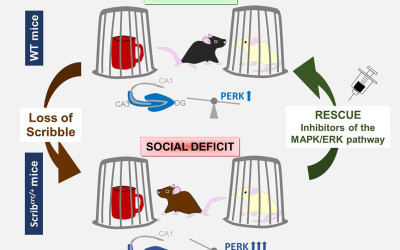
Scribble Controls Social Motivation Behavior through the Regulation of the ERK/Mnk1 Pathway.
Moreau MM, Pietropaolo S, Ezan J, Robert BJA, Miraux S, Maitre M, Cho Y, Crusio WE, Montcouquiol M, Sans N
doi: 10.3390/cells11101601

Abstract:
Social behavior is a basic domain affected by several neurodevelopmental disorders, including ASD and a heterogeneous set of neuropsychiatric disorders. The SCRIB gene that codes for the polarity protein SCRIBBLE has been identified as a risk gene for spina bifida, the most common type of neural tube defect, found at high frequencies in autistic patients, as well as other congenital anomalies. The deletions and mutations of the 8q24.3 region encompassing SCRIB are also associated with multisyndromic and rare disorders. Nonetheless, the potential link between SCRIB and relevant social phenotypes has not been fully investigated. Hence, we show that Scrib(crc/+) mice, carrying a mutated version of Scrib, displayed reduced social motivation behavior and social habituation, while other behavioral domains were unaltered. Social deficits were associated with the upregulation of ERK phosphorylation, together with increased c-Fos activity. Importantly, the social alterations were rescued by both direct and indirect pERK inhibition. These results support a link between polarity genes, social behaviors and hippocampal functionality and suggest a role for SCRIB in the etiopathology of neurodevelopmental disorders. Furthermore, our data demonstrate the crucial role of the MAPK/ERK signaling pathway in underlying social motivation behavior, thus supporting its relevance as a therapeutic target.


Abstract:
Recent work from Bonvento and colleagues indicated that synaptic and memory deficits in early Alzheimer's disease (AD) are related to a shortage in L-serine production in astrocytes. Here, the authors, responding to correspondence from Chen and colleagues, discuss how this deficiency does not necessarily require a decrease in PHGDH expression and conclude that the primary event leading to lower serine production is more likely related to altered glycolytic flux in early AD than to PHGDH expression.


01/05/2022 | J Neurosci Methods
Imaging mitochondrial calcium dynamics in the central nervous system.
Serrat R, Oliveira-Pinto A, Marsicano G, Pouvreau S
doi: 10.1016/j.jneumeth.2022.109560

Abstract:
Mitochondrial calcium handling is a particularly active research area in the neuroscience field, as it plays key roles in the regulation of several functions of the central nervous system, such as synaptic transmission and plasticity, astrocyte calcium signaling, neuronal activity... In the last few decades, a panel of techniques have been developed to measure mitochondrial calcium dynamics, relying mostly on photonic microscopy, and including synthetic sensors, hybrid sensors and genetically encoded calcium sensors. The goal of this review is to endow the reader with a deep knowledge of the historical and latest tools to monitor mitochondrial calcium events in the brain, as well as a comprehensive overview of the current state of the art in brain mitochondrial calcium signaling. We will discuss the main calcium probes used in the field, their mitochondrial targeting strategies, their key properties and major drawbacks. In addition, we will detail the main roles of mitochondrial calcium handling in neuronal tissues through an extended report of the recent studies using mitochondrial targeted calcium sensors in neuronal and astroglial cells, in vitro and in vivo.


05/2022 | Eur Radiol
Visualization of the saccule and utricle with non-contrast-enhanced FLAIR sequences.
Fukutomi H, Hamitouche L, Yamamoto T, Denat L, Zhang L, Zhang B, Prevost V, Triaire B, Dousset V, Barreau X, Tourdias T
doi: 10.1007/s00330-021-08403-w

Abstract:
OBJECTIVES: 3D-fluid attenuation inversion recovery (FLAIR) collected 4 h after intravenous gadolinium injection can delineate the perilymphatic space (PLS) from the endolymphatic space (ELS) to capture endolymphatic hydrops, the pathological counterpart of Meniere's disease. We aimed to optimize visualization of such inner ear internal anatomy using 3D-FLAIR without injection. METHODS: 3D-FLAIR signal from different fluid compartments such as PLS and ELS was first simulated. Then, twenty-two healthy subjects were scanned at 3.0-T MRI with non-injected 3D-FLAIR using variable T2 preparations (T2Preps) (OFF, 200, 400, and 600 ms) and variable inversion times (TIs) (from 224 to 5000 ms) and different resolutions (1.0 x 1.0 x 1.5, 0.6 x 0.6 x 0.8, and 0.6 x 0.6 x 0.6 mm(3)). The relative contrast between PLS and ELS and the visibility of the saccule and utricle were assessed. Additionally, non-injected 3D-FLAIR with the optimal setting was tested in a Meniere patient and compared with gadolinium-injected 3D-FLAIR. RESULTS: The PLS and ELS were differentiated when T2Prep was used but not without. The relative contrast was larger with T2Prep at 400 ms than at 200 or 600 ms (0.72 +/- 0.22 vs. 0.44 +/- 0.11, p = 0.019; and 0.72 +/- 0.22 vs. 0.46 +/- 0.28, p = 0.034, respectively). The saccule and utricle were best delineated in 87. % cases with T2Prep = 400 and TI = 2100 ms at the highest resolution. Visualization of the saccule and utricle in the optimized non-injected 3D-FLAIR was similar to conventional injected 3D-FLAIR in a patient. CONCLUSIONS: Combining a specific T2Prep and TI in non-injected 3D-FLAIR could separate PLS and ELS and even the saccule and utricle, paving the way toward future application to diagnose Meniere's disease. KEY POINTS: * MRI can capture the internal anatomy of inner ear without injection of contrast media. * Specific parameters consisting of a T2 preparation of 400 ms and an inversion time of 2100 ms must be used to visualize the saccule and utricle on non-injected 3D-FLAIR.


05/2022 | j neurointerv surg
Endovascular reperfusion of M2 occlusions in acute ischemic stroke reduced disability and mortality: ETIS Registry results.
Muszynski P, Anadani M, Richard S, Marnat G, Bourcier R, Sibon I, Dargazanli C, Arquizan C, Maier B, Blanc R, Lapergue B, Consoli A, Eugene F, Vannier S, Spelle L, Denier C, Boulanger M, Gauberti M, Saleme S, Macian F, Clarencon F, Rosso C, Naggara O, Turc G, Ozkul-Wermester O, Papagiannaki C, Viguier A, Cognard C, Le Bras A, Evain S, Wolff V, Pop R, Timsit S, Gentric JC, Bourdain F, Veunac L, Gory B, Finitsis SN
doi: 10.1136/neurintsurg-2021-017380

Abstract:
BACKGROUND: The predictors of successful reperfusion and the effect of reperfusion after endovascular treatment (EVT) for M2 occlusions have not been well studied. We aimed to identify predictors of successful reperfusion and the effect of reperfusion on outcomes of EVT for M2 occlusions in current practice. METHODS: Patients with acute ischemic stroke due to isolated M2 occlusions who were enrolled in the prospective multicenter Endovascular Treatment in Ischemic Stroke (ETIS) Registry in France between January 2015 and March 2020 were included. The primary outcome was a favorable outcome, defined as modified Rankin Scale (mRS) score of 0-2 at 90 days. Successful reperfusion was defined as an improvement of >/=1 points in the modified Thrombolysis In Cerebral Infarction score between the first and the last intracranial angiogram. RESULTS: A total of 458 patients were included (median National Institutes of Health Stroke Scale (NIHSS) score 14; 61.4% received prior intravenous thrombolysis). Compared with the non-reperfused patients, reperfused patients had an increased rate of excellent outcome (OR 2.3, 95% CI 0.98 to 5.36; p=0.053), favorable outcome (OR 2.79, 95% CI 1.31 to 5.93; p=0.007), and reduced 90-day mortality (OR 0.39, 95% CI 0.19 to 0.79; p<0.01). Admission NIHSS score was the only predictor of successful reperfusion. First-line strategy was not a predictor of successful reperfusion or favorable outcome, but the use of a stent retriever, alone or with an aspiration catheter, was associated with higher rates of procedural complications and 90-day mortality. CONCLUSIONS: Successful reperfusion of M2 occlusions reduced disability and mortality. However, safety is a concern, especially if the procedure failed.


05/2022 | j neurointerv surg
First-line thrombectomy strategy for anterior large vessel occlusions: results of the prospective ETIS egistry.
Maier B, Finitsis S, Bourcier R, Papanagiotou P, Richard S, Marnat G, Sibon I, Dargazanli C, Arquizan C, Blanc R, Piotin M, Lapergue B, Consoli A, Eugene F, Vannier S, Saleme S, Macian F, Clarencon F, Rosso C, Naggara O, Turc G, Viguier A, Cognard C, Wolff V, Pop R, Mazighi M, Gory B
doi: 10.1136/neurintsurg-2021-017505

Abstract:
BACKGROUND: The best recanalization strategy for mechanical thrombectomy (MT) remains unknown as no randomized controlled trial has simultaneously evaluated first-line stent retriever (SR) versus contact aspiration (CA) versus the combined approach (SR+CA). OBJECTIVE: To compare the efficacy and safety profiles of SR, CA, and SR+CA in patients with acute ischemic stroke (AIS) treated by MT. METHODS: We analyzed data of the Endovascular Treatment in Ischemic Stroke (ETIS) Registry, a prospective, multicenter, observational study of patients with AIS treated by MT. Patients with M1 and intracranial internal carotid artery (ICA) occlusions between January 2015 and March 2020 in 15 comprehensive stroke centers were included. We assessed the association of first-line strategy with favorable outcomes at 3 months (modified Rankin Scale score 0-2), successful recanalization rates (modified Thrombolysis In Cerebral Infarction (mTICI) 2b/3), and safety outcomes. RESULTS: We included 2643 patients, 406 treated with SR, 1126 with CA, and 1111 with SR+CA. CA or SR+CA achieved more successful recanalization than SR for M1 occlusions (aOR=2.09, (95% CI 1.39 to 3.13) and aOR=1.69 (95% CI 1.12 to 2.53), respectively). For intracranial ICA, SR+CA achieved more recanalization than SR (aOR=2.52 (95% CI 1.32 to 4.81)), no differences were observed between CA and SR+CA. SR+CA was associated with lower odds of favorable outcomes compared with SR (aOR=0.63 (95% CI 0.44 to 0.90)) and CA (aOR=0.71 (95% CI 0.55 to 0.92)), higher odds of mortality at 3 months (aOR=1.56 (95% CI 1.22 to 2.0)) compared with CA, and higher odds of symptomatic intracranial hemorrhage (aOR=1.59 (95% CI 1.1 to 2.3)) compared with CA. CONCLUSIONS: Despite high recanalization rates, our results question the safety of the combined approach, which was associated with disability and mortality. Randomized controlled trials are needed to evaluate the efficacy and safety of these techniques.


29/04/2022 | cannabis cannabinoid res
The Relationship Between Circulating Endogenous Cannabinoids and the Effects of Smoked Cannabis.
Kearney-Ramos T, Herrmann ES, Belluomo I, Matias I, Vallee M, Monlezun S, Piazza PV, Haney M
doi: 10.1089/can.2021.0185

Abstract:
Background: The endogenous cannabinoid system (ECS), including the endocannabinoids (eCBs), anandamide (AEA), and 2-arachidonoylglycerol (2-AG), plays an integral role in psychophysiological functions. Although frequent cannabis use is associated with adaptations in the ECS, the impact of acute smoked cannabis administration on circulating eCBs, and the relationship between cannabis effects and circulating eCBs are poorly understood. Methods: This study measured the plasma levels of AEA, 2-AG, and Delta-9-tetrahydrocannabinol (THC), subjective drug-effects ratings, and cardiovascular measures at baseline and 15-180 min after cannabis users (n=26) smoked 70% of a cannabis cigarette (5.6% THC). Results: Cannabis administration increased the ratings of intoxication, heart rate, and plasma THC levels relative to baseline. Although cannabis administration did not affect eCB levels relative to baseline, there was a significant positive correlation between baseline AEA levels and peak ratings of 'High' and 'Good Drug Effect.' Further, baseline 2-AG levels negatively correlated with frequency of cannabis use (mean days/week) and with baseline THC metabolite levels. Conclusions: In a subset of heavy cannabis smokers: (1) more frequent cannabis use was associated with lower baseline 2-AG, and (2) those with lower AEA got less intoxicated after smoking cannabis. These findings contribute to a sparse literature on the interaction between endo- and phyto-cannabinoids. Future studies in participants with varied cannabis use patterns are needed to clarify the association between circulating eCBs and the abuse-related effects of cannabis, and to test whether baseline eCBs predict the intoxicating effects of cannabis and are a potential biomarker of cannabis tolerance.


19/04/2022 | cell rep med
Efficacy of glucagon-like peptide-1 and estrogen dual agonist in pancreatic islets protection and pre-clinical models of insulin-deficient diabetes.
Fuselier T, Mota de Sa P, Qadir MMF, Xu B, Allard C, Meyers MM, Tiano JP, Yang BS, Gelfanov V, Lindsey SH, Dimarchi RD, Mauvais-Jarvis F

Abstract:
We study the efficacy of a glucagon-like peptide-1 (GLP-1) and estrogen dual agonist (GLP1-E2) in pancreatic islet protection. GLP1-E2 provides superior protection from insulin-deficient diabetes induced by multiple low-dose streptozotocin (MLD-STZ-diabetes) and by the Akita mutation in mice than a GLP-1 monoagonist. GLP1-E2 does not protect from MLD-STZ-diabetes in estrogen receptor-α (ERα)-deficient mice and fails to prevent diabetes in Akita mice following GLP-1 receptor (GLP-1R) antagonism, demonstrating the requirement of GLP-1R and ERα for GLP1-E2 antidiabetic actions. In the MIN6 β cell model, GLP1-E2 activates estrogen action following clathrin-dependent, GLP-1R-mediated internalization and lysosomal acidification. In cultured human islet, proteomic bioinformatic analysis reveals that GLP1-E2 amplifies the antiapoptotic pathways activated by monoagonists. However, in cultured mouse islets, GLP1-E2 provides antiapoptotic protection similar to monoagonists. Thus, GLP1-E2 promotes GLP-1 and E2 antiapoptotic signals in cultured islets, but in vivo, additional GLP1-E2 actions in non-islet cells expressing GLP-1R are instrumental to prevent diabetes.


12/04/2022 | Cell Rep
Dynamic interplay between thalamic activity and Cajal-Retzius cells regulates the wiring of cortical layer 1.
Genescu I, Anibal-Martinez M, Kouskoff V, Chenouard N, Mailhes-Hamon C, Cartonnet H, Lokmane L, Rijli FM, Lopez-Bendito G, Gambino F, Garel S
doi: 10.1016/j.celrep.2022.110667

Abstract:
Cortical wiring relies on guidepost cells and activity-dependent processes that are thought to act sequentially. Here, we show that the construction of layer 1 (L1), a main site of top-down integration, is regulated by crosstalk between transient Cajal-Retzius cells (CRc) and spontaneous activity of the thalamus, a main driver of bottom-up information. While activity was known to regulate CRc migration and elimination, we found that prenatal spontaneous thalamic activity and NMDA receptors selectively control CRc early density, without affecting their demise. CRc density, in turn, regulates the distribution of upper layer interneurons and excitatory synapses, thereby drastically impairing the apical dendrite activity of output pyramidal neurons. In contrast, postnatal sensory-evoked activity had a limited impact on L1 and selectively perturbed basal dendrites synaptogenesis. Collectively, our study highlights a remarkable interplay between thalamic activity and CRc in L1 functional wiring, with major implications for our understanding of cortical development.


29/03/2022 | Cell Rep
Asthmatic bronchial smooth muscle increases rhinovirus replication within the bronchial epithelium.
Esteves P, Allard B, Celle A, Dupin I, Maurat E, Ousova O, Thumerel M, Dupuy JW, Leste-Lasserre T, Marthan R, Girodet PO, Trian T, Berger P
doi: 10.1016/j.celrep.2022.110571

Abstract:
Rhinovirus (RV) infection of the bronchial epithelium is implicated in the vast majority of severe asthma exacerbations. Interestingly, the susceptibility of bronchial epithelium to RV infection is increased in persons with asthma. Bronchial smooth muscle (BSM) remodeling is an important feature of severe asthma pathophysiology, and its reduction using bronchial thermoplasty has been associated with a significant decrease in the exacerbation rate. We hypothesized that asthmatic BSM can play a role in RV infection of the bronchial epithelium. Using an original co-culture model between bronchial epithelium and BSM cells, we show that asthmatic BSM cells increase RV replication in bronchial epithelium following RV infection. These findings are related to the increased production of CCL20 by asthmatic BSM cells. Moreover, we demonstrate an original downregulation of the activity of the epithelial protein kinase RNA-activated (PKR) antiviral pathway. Finally, we identify a direct bottom-up effect of asthmatic BSM cells on bronchial epithelium susceptibility to RV infection.


25/03/2022 | sci adv
Nuclear HMGB1 protects from nonalcoholic fatty liver disease through negative regulation of liver X receptor.
Personnaz J, Piccolo E, Dortignac A, Iacovoni JS, Mariette J, Rocher V, Polizzi A, Batut A, Deleruyelle S, Bourdens L, Delos O, Combes-Soia L, Paccoud R, Moreau E, Martins F, Clouaire T, Benhamed F, Montagner A, Wahli W, Schwabe RF, Yart A, Castan-Laurell I, Bertrand-Michel J, Burlet-Schiltz O, Postic C, Denechaud PD, Moro C, Legube G, Lee CH, Guillou H, Valet P, Dray C, Pradere JP
doi: 10.1126/sciadv.abg9055

Abstract:
Dysregulations of lipid metabolism in the liver may trigger steatosis progression, leading to potentially severe clinical consequences such as nonalcoholic fatty liver diseases (NAFLDs). Molecular mechanisms underlying liver lipogenesis are very complex and fine-tuned by chromatin dynamics and multiple key transcription factors. Here, we demonstrate that the nuclear factor HMGB1 acts as a strong repressor of liver lipogenesis. Mice with liver-specific Hmgb1 deficiency display exacerbated liver steatosis, while Hmgb1-overexpressing mice exhibited a protection from fatty liver progression when subjected to nutritional stress. Global transcriptome and functional analysis revealed that the deletion of Hmgb1 gene enhances LXRalpha and PPARgamma activity. HMGB1 repression is not mediated through nucleosome landscape reorganization but rather via a preferential DNA occupation in a region carrying genes regulated by LXRalpha and PPARgamma. Together, these findings suggest that hepatocellular HMGB1 protects from liver steatosis development. HMGB1 may constitute a new attractive option to therapeutically target the LXRalpha-PPARgamma axis during NAFLD.


14/03/2022 | cancer cell
Tumor-associated high endothelial venules mediate lymphocyte entry into tumors and predict response to PD-1 plus CTLA-4 combination immunotherapy.
Asrir A, Tardiveau C, Coudert J, Laffont R, Blanchard L, Bellard E, Veerman K, Bettini S, Lafouresse F, Vina E, Tarroux D, Roy S, Girault I, Molinaro I, Martins F, Scoazec JY, Ortega N, Robert C, Girard JP

Abstract:
Recruitment of lymphocytes into tumors is critical for anti-tumor immunity and efficacious immunotherapy. We show in murine models that tumor-associated high endothelial venules (TA-HEVs) are major sites of lymphocyte entry into tumors at baseline and upon treatment with anti-PD-1/anti-CTLA-4 immune checkpoint blockade (ICB). TA-HEV endothelial cells (TA-HECs) derive from post-capillary venules, co-express MECA-79(+) HEV sialomucins and E/P-selectins, and are associated with homing and infiltration into tumors of various T cell subsets. Intravital microscopy further shows that TA-HEVs are the main sites of lymphocyte arrest and extravasation into ICB-treated tumors. Increasing TA-HEC frequency and maturation increases the proportion of tumor-infiltrating stem-like CD8(+) T cells, and ameliorates ICB efficacy. Analysis of tumor biopsies from 93 patients with metastatic melanoma reveals that TA-HEVs are predictive of better response and survival upon treatment with anti-PD-1/anti-CTLA-4 combination. These studies provide critical insights into the mechanisms governing lymphocyte trafficking in cancer immunity and immunotherapy.


11/02/2022 | Mol Cell Neurosci
Differential expression of the neuronal CB1 cannabinoid receptor in the hippocampus of male Ts65Dn Down syndrome mouse model.
Di Franco N, Drutel G, Roullot-Lacarriere V, Julio-Kalajzic F, Lalanne V, Grel A, Leste-Lasserre T, Matias I, Cannich A, Gonzales D, Simon V, Cota D, Marsicano G, Piazza PV, Vallee M, Revest JM
doi: 10.1016/j.mcn.2022.103705

Abstract:
Down syndrome (DS) or Trisomy 21 is the most common genetic cause of mental retardation with severe learning and memory deficits. DS is due to the complete or partial triplication of human chromosome 21 (HSA21) triggering gene overexpression and protein synthesis alterations responsible for a plethora of mental and physical phenotypes. Among the diverse brain target systems that affect hippocampal-dependent learning and memory deficit impairments in DS, the upregulation of the endocannabinoid system (ECS), and notably the overexpression of the cannabinoid type-1 receptor (CB1), seems to play a major role. Combining various protein and gene expression targeted approaches using western blot, qRT-PCR and FISH techniques, we investigated the expression pattern of ECS components in the hippocampus (HPC) of male Ts65Dn mice. Among all the molecules that constitute the ECS, we found that the expression of the CB1 is altered in the HPC of Ts65Dn mice. CB1 distribution is differentially segregated between the dorsal and ventral part of the HPC and within the different cell populations that compose the HPC. CB1 expression is upregulated in GABAergic neurons of Ts65Dn mice whereas it is downregulated in glutamatergic neurons. These results highlight a complex regulation of the CB1 encoding gene (Cnr1) in Ts65Dn mice that could open new therapeutic solutions for this syndrome.


03/02/2022 | Eur J Neurosci
Cannabinoid Signalling in the Brain: New Vistas.
Busquets-Garcia A, Melis M, Bellocchio L, Marsicano G
doi: 10.1111/ejn.15618


01/02/2022 | Cell Metab
Forgetting in obesity: The pregnenolone link.
Bellocchio L, Marsicano G
doi: 10.1016/j.cmet.2022.01.006

Abstract:
Cognitive dysfunction is often diagnosed in people with obesity and associated metabolic disorders. In the latest issue of Cell Metabolism, Ramirez et al. highlight an impaired production of the neurosteroid pregnenolone in the hypothalamus as a mechanism for obesity-induced cognitive impairment in both rodent models and patients with obesity.


02/2022 | med image anal
DeepLesionBrain: Towards a broader deep-learning generalization for multiple sclerosis lesion segmentation.
Kamraoui RA, Ta VT, Tourdias T, Mansencal B, Manjon JV, Coup P

Abstract:
Recently, segmentation methods based on Convolutional Neural Networks (CNNs) showed promising performance in automatic Multiple Sclerosis (MS) lesions segmentation. These techniques have even outperformed human experts in controlled evaluation conditions such as Longitudinal MS Lesion Segmentation Challenge (ISBI Challenge). However, state-of-the-art approaches trained to perform well on highly-controlled datasets fail to generalize on clinical data from unseen datasets. Instead of proposing another improvement of the segmentation accuracy, we propose a novel method robust to domain shift and performing well on unseen datasets, called DeepLesionBrain (DLB). This generalization property results from three main contributions. First, DLB is based on a large group of compact 3D CNNs. This spatially distributed strategy aims to produce a robust prediction despite the risk of generalization failure of some individual networks. Second, we propose a hierarchical specialization learning (HSL) by pre-training a generic network over the whole brain, before using its weights as initialization to locally specialized networks. By this end, DLB learns both generic features extracted at global image level and specific features extracted at local image level. Finally, DLB includes a new image quality data augmentation to reduce dependency to training data specificity (e.g., acquisition protocol). DLB generalization was validated in cross-dataset experiments on MSSEG'16, ISBI challenge, and in-house datasets. During experiments, DLB showed higher segmentation accuracy, better segmentation consistency and greater generalization performance compared to state-of-the-art methods. Therefore, DLB offers a robust framework well-suited for clinical practice.