Publications


IF du Neurocentre
IF1234567891011121314151617181920253035404550
Nombre1217571601251078156373217171812312271211811116719
%11386543221111211111111111


2221 publications


02/10/2023 | Sci Rep
Integrating operant behavior and fiber photometry with the open-source python library Pyfiber.
Conlisk D, Ceau M, Fiancette JF, Winke N, Darmagnac E, Herry C, Deroche-Gamonet V
doi: 10.1038/s41598-023-43565-1

Abstract:
Despite the popularity of fiber photometry (FP), its integration with operant behavior paradigms is progressing slowly. This can be attributed to the complex protocols in operant behavior - resulting in a combination of diverse non-predictable behavioral responses and scheduled events, thereby complicating data analysis. To overcome this, we developed Pyfiber, an open-source python library which facilitates the merge of FP with operant behavior by relating changes in fluorescent signals within a neuronal population to behavioral responses and events. Pyfiber helps to 1. Extract events and responses that occur in operant behavior, 2. Extract and process the FP signals, 3. Select events of interest and align them to the corresponding FP signals, 4. Apply appropriate signal normalization and analysis according to the type of events, 5. Run analysis on multiple individuals and sessions, 6. Collect results in an easily readable format. Pyfiber is suitable for use with many different fluorescent sensors and operant behavior protocols. It was developed using Doric lenses FP systems and Imetronic behavioral systems, but it possesses the capability to process data from alternative systems. This work sets a solid foundation for analyzing the relationship between different dimensions of complex behavioral paradigms with fluorescent signals from brain regions of interest.


10/2023 | world neurosurg
Successful Thrombectomy Improves Functional Outcome in Tandem Occlusions with a Large Ischemic Core.
Gory B, Finitsis S, Desilles JP, Consoli A, Mazighi M, Marnat G, Sibon I, Pop R, Raposo N, Wolff V, Cognard C, Richard S, Moulin S, Soize S, Lapergue B, Olivot JM
doi: 10.1016/j.wneu.2023.07.043

Abstract:
BACKGROUND: Emergent stenting in tandem occlusions and mechanical thrombectomy (MT) of acute ischemic stroke related to large vessel occlusion (LVO-AIS) with a large core are tested independently. We aim to assess the impact of reperfusion with MT in patients with LVO-AIS with a large core and a tandem occlusion and to compare the safety of reperfusion between large core with tandem and nontandem occlusions in current practice. METHODS: We analyzed data of all consecutive patients included in the prospective Endovascular Treatment in Ischemic Stroke Registry in France between January 2015 and March 2023 who presented with a pretreatment ASPECTS (Alberta Stroke Program Early CT Score) of 0-5 and angiographically proven tandem occlusion. The primary end point was a favorable outcome defined by a modified Rankin Scale (mRS) score of 0-3 at 90 days. RESULTS: Among 262 included patients with a tandem occlusion and ASPECTS 0-5, 203 patients (77.5%) had a successful reperfusion (modified Thrombolysis in Cerebral Infarction grade 2b-3). Reperfused patients had a favorable shift in the overall mRS score distribution (adjusted odds ratio [aOR], 1.57 [1.22-2.03]; P < 0.001), higher rates of mRS score 0-3 (aOR, 7.03 [2.60-19.01]; P < 0.001) and mRS score 0-2 at 90 days (aOR, 3.85 [1.39-10.68]; P = 0.009) compared with nonreperfused. There was a trend between the occurrence of successful reperfusion and a decreased rate of symptomatic intracranial hemorrhage (aOR, 0.5 [0.22-1.13]; P = 0.096). Similar safety outcomes were observed after large core reperfusion in tandem and nontandem occlusions. CONCLUSIONS: Successful reperfusion was associated with a higher rate of favorable outcome in large core LVO-AIS with a tandem occlusion, with a safety profile similar to nontandem occlusion.


10/2023 | hear res
Proof of concept of intracochlear drug administration by laser-assisted bioprinting in mice.
Jaffredo M, Duchamp O, Touya N, Bouleau Y, Dulon D, Devillard R, Bonnard D

Abstract:
Transtympanic administration is used clinically for the injection of gentamicin and/or corticosteroids. This atraumatic route is based on passive diffusion through the round window membrane (RWM). The main limitation of this method is related to the clearance through the Eustachian tube, making the concentration of the therapeutic agent at the intracochlear level uncertain and limited. Moreover, this technique remains unsuitable for molecules of high molecular weight or in the case of gene therapies. The purpose was to study a new technique of intracochlear administration in an atraumatic, direct and controlled manner by laser-assisted bioprinting (LAB). LAB was used to deliver dexamethasone phosphate with thermosensitive hydrogel on the mouse RWM. After validation of the regularity and homogeneity of the pattern, the diffusion in vivo of the dexamethasone into the perilymph after LAB has been confirmed by ELISA. Auditory function measurements showed no hearing impairment suggesting that bioprinting does not induce significant cochlear damage. Hence, the present proof of concept study introduces a promising approach for inner ear drug delivery.


11/09/2023 | Nephrol Dial Transplant
Single-cell RNA sequencing identifies senescence as therapeutic target in rhabdomyolysis-induced acute kidney injury.
Rao SN, Zahm M, Casemayou A, Buleon M, Faguer S, Feuillet G, Iacovoni JS, Joffre OP, Gonzalez-Fuentes I, Lhuillier E, Martins F, Riant E, Zakaroff-Girard A, Schanstra JP, Blache JSS, Belliere J

Abstract:
BACKGROUND: The role of macrophages in the development of rhabdomyolysis induced acute kidney injury (RM-AKI) has been established, but an in-depth understanding of the changes in the immune landscape could help to improve targeted strategies. Whereas senescence is usually associated with chronic kidney processes, we also wished to explore whether senescence could also occur in AKI and whether senolytics could act on immune cells. METHODS: Single-cell RNA sequencing was used in the murine glycerol-induced RM-AKI model to dissect the transcriptomic characteristics of CD45+ live cells sorted from kidneys 2 days after injury. Public datasets from murine AKI models were reanalyzed to explore cellular senescence signature in tubular epithelial cells (TECs). A combination of senolytics (dasatinib and quercetin, DQ) was administered to mice exposed or not to RM-AKI. RESULTS: Unsupervised clustering of nearly 17,000 single-cell transcriptomes identified 7 known immune cell clusters. Sub-clustering of the mononuclear phagocyte cells (MPC), revealed 9 distinct cell sub-populations differently modified with RM. One macrophage cluster was particularly interesting since it behaved as a critical node in a trajectory connecting one MCHIIhigh cluster only present in control to 2 MCHIIlow clusters only present in RM-AKI. This critical cluster expressed a senescence gene signature, that was very different from that of the TECs. Senolytic DQ treatment blocked the switch from a F4/80highCD11blow to F4/80lowCD11bhigh phenotype, which correlated with prolonged nephroprotection in RM-AKI. CONCLUSIONS: scRNASeq unmasked novel transitional macrophage subpopulation associated with RM-AKI characterized by the activation of cellular senescence processes. This work provides a proof-of-concept that senolytics nephroprotective effects may rely, at least in part, on subtle immune modulation.


21/08/2023 | Nat Commun
Linking emotional valence and anxiety in a mouse insula-amygdala circuit.
Nicolas C, Ju A, Wu Y, Eldirdiri H, Delcasso S, Couderc Y, Fornari C, Mitra A, Supiot L, Verite A, Masson M, Rodriguez-Rozada S, Jacky D, Wiegert JS, Beyeler A

Abstract:
Responses of the insular cortex (IC) and amygdala to stimuli of positive and negative valence are altered in patients with anxiety disorders. However, neural coding of both anxiety and valence by IC neurons remains unknown. Using fiber photometry recordings in mice, we uncover a selective increase of activity in IC projection neurons of the anterior (aIC), but not posterior (pIC) section, when animals are exploring anxiogenic spaces, and this activity is proportional to the level of anxiety of mice. Neurons in aIC also respond to stimuli of positive and negative valence, and the strength of response to strong negative stimuli is proportional to mice levels of anxiety. Using ex vivo electrophysiology, we characterized the IC connection to the basolateral amygdala (BLA), and employed projection-specific optogenetics to reveal anxiogenic properties of aIC-BLA neurons. Finally, we identified that aIC-BLA neurons are activated in anxiogenic spaces, as well as in response to aversive stimuli, and that both activities are positively correlated. Altogether, we identified a common neurobiological substrate linking negative valence with anxiety-related information and behaviors, which provides a starting point to understand how alterations of these neural populations contribute to psychiatric disorders.


17/08/2023 | cell chem biol
Mitochondria-targeted melatonin photorelease supports the presence of melatonin MT1 receptors in mitochondria inhibiting respiration.
Somalo-Barranco G, Pagano Zottola AC, Abdulrahman AO, El Zein RM, Cannich A, Munoz L, Serra C, Oishi A, Marsicano G, Masri B, Bellocchio L, Llebaria A, Jockers R
doi: 10.1016/j.chembiol.2023.07.009

Abstract:
The presence of signaling-competent G protein-coupled receptors in intracellular compartments is increasingly recognized. Recently, the presence of G(i/o) protein-coupled melatonin MT(1) receptors in mitochondria has been revealed, in addition to the plasma membrane. Melatonin is highly cell permeant, activating plasma membrane and mitochondrial receptors equally. Here, we present MCS-1145, a melatonin derivative bearing a triphenylphosphonium cation for specific mitochondrial targeting and a photocleavable o-nitrobenzyl group releasing melatonin upon illumination. MCS-1145 displayed low affinity for MT(1) and MT(2) but spontaneously accumulated in mitochondria, where it was resistant to washout. Uncaged MCS-1145 and exogenous melatonin recruited beta-arrestin 2 to MT(1) in mitochondria and inhibited oxygen consumption in mitochondria isolated from HEK293 cells only when expressing MT(1) and from mouse cerebellum of WT mice but not from MT(1)-knockout mice. Overall, we developed the first mitochondria-targeted photoactivatable melatonin ligand and demonstrate that melatonin inhibits mitochondrial respiration through mitochondrial MT(1) receptors.


08/2023 | Neurobiol Dis
An enquiry to the role of CB1 receptors in neurodegeneration.
Fernandez-Moncada I, Eraso-Pichot A, Dalla Tor T, Fortunato-Marsol B, Marsicano G

Abstract:
Neurodegenerative disorders are debilitating conditions that impair patient quality of life and that represent heavy social-economic burdens to society. Whereas the root of some of these brain illnesses lies in autosomal inheritance, the origin of most of these neuropathologies is scantly understood. Similarly, the cellular and molecular substrates explaining the progressive loss of brain functions remains to be fully described too. Indeed, the study of brain neurodegeneration has resulted in a complex picture, composed of a myriad of altered processes that include broken brain bioenergetics, widespread neuroinflammation and aberrant activity of signaling pathways. In this context, several lines of research have shown that the endocannabinoid system (ECS) and its main signaling hub, the type-1 cannabinoid (CB1) receptor are altered in diverse neurodegenerative disorders. However, some of these data are conflictive or poorly described. In this review, we summarize the findings about the alterations in ECS and CB1 receptors signaling in three representative brain illnesses, the Alzheimer's, Parkinson's and Huntington's diseases, and we discuss the relevance of these studies in understanding neurodegeneration development and progression, with a special focus on astrocyte function. Noteworthy, the analysis of ECS defects in neurodegeneration warrant much more studies, as our conceptual understanding of ECS function has evolved quickly in the last years, which now include glia cells and the subcellular-specific CB1 receptors signaling as critical players of brain functions.


08/2023 | alzheimers dement
Anatomical MRI staging of frontotemporal dementia variants.
Planche V, Mansencal B, Manjon JV, Tourdias T, Catheline G, Coupe P
doi: 10.1002/alz.12975

Abstract:
INTRODUCTION: The three clinical variants of frontotemporal dementia (behavioral variant [bvFTD], semantic dementia, and progressive non-fluent aphasia [PNFA]) are likely to develop over decades, from the preclinical stage to death. METHODS: To describe the long-term chronological anatomical progression of FTD variants, we built lifespan brain charts of normal aging and FTD variants by combining 8022 quality-controlled MRIs from multiple large-scale data-bases, including 107 bvFTD, 44 semantic dementia, and 38 PNFA. RESULTS: We report in this manuscript the anatomical MRI staging schemes of the three FTD variants by describing the sequential divergence of volumetric trajectories between normal aging and FTD variants. Subcortical atrophy precedes focal cortical atrophy in specific behavioral and/or language networks, with a 'radiological' prodromal phase lasting 8-10 years (time elapsed between the first structural alteration and canonical cortical atrophy). DISCUSSION: Amygdalar and striatal atrophy can be candidate biomarkers for future preclinical/prodromal FTD variants definitions. HIGHLIGHTS: We describe the chronological MRI staging of the most affected structures in the three frontotemporal dementia (FTD) syndromic variants. In behavioral variant of FTD (bvFTD): bilateral amygdalar, striatal, and insular atrophy precedes fronto-temporal atrophy. In semantic dementia: bilateral amygdalar atrophy precedes left temporal and hippocampal atrophy. In progressive non-fluent aphasia (PNFA): left striatal, insular, and thalamic atrophy precedes opercular atrophy.


28/07/2023 | J Neurochem
Type-1 cannabinoid receptors and their ever-expanding roles in brain energy processes.
Fernandez-Moncada I, Rodrigues RS, Fundazuri UB, Bellocchio L, Marsicano G
doi: 10.1111/jnc.15922

Abstract:
The brain requires large quantities of energy to sustain its functions. At the same time, the brain is isolated from the rest of the body, forcing this organ to develop strategies to control and fulfill its own energy needs. Likely based on these constraints, several brain-specific mechanisms emerged during evolution. For example, metabolically specialized cells are present in the brain, where intercellular metabolic cycles are organized to separate workload and optimize the use of energy. To orchestrate these strategies across time and space, several signaling pathways control the metabolism of brain cells. One of such controlling systems is the endocannabinoid system, whose main signaling hub in the brain is the type-1 cannabinoid (CB(1) ) receptor. CB(1) receptors govern a plethora of different processes in the brain, including cognitive function, emotional responses, or feeding behaviors. Classically, the mechanisms of action of CB(1) receptors on brain function had been explained by its direct targeting of neuronal synaptic function. However, new discoveries have challenged this view. In this review, we will present and discuss recent data about how a small fraction of CB(1) receptors associated to mitochondrial membranes (mtCB(1) ), are able to exert a powerful control on brain functions and behavior. mtCB(1) receptors impair mitochondrial functions both in neurons and astrocytes. In the latter cells, this effect is linked to an impairment of astrocyte glycolytic function, resulting in specific behavioral outputs. Finally, we will discuss the potential implications of (mt)CB(1) expression on oligodendrocytes and microglia metabolic functions, with the aim to encourage interdisciplinary approaches to better understand the role of (mt)CB(1) receptors in brain function and behavior.


Abstract:
Phytocannabinoids, including the non-addictive cannabis component cannabidivarin (CBDV), have been reported to hold therapeutic potential in several neurodevelopmental disorders (NDDs). Nonetheless, the therapeutic value of phytocannabinoids for treating Fragile X syndrome (FXS), a major NDD, remains unexplored. Here, we characterized the neurobehavioral effects of CBDV at doses of 20 or 100 mg/kg in the Fmr1-knockout (Fmr1-KO) mouse model of FXS using two temporally different intraperitoneal regimens: subchronic 10-day delivery during adulthood (Study 1: rescue treatment) or chronic 5-week delivery at adolescence (Study 2: preventive treatment). Behavioral tests assessing FXS-like abnormalities included anxiety, locomotor, cognitive, social and sensory alterations. Expression of inflammatory and plasticity markers was investigated in the hippocampus and prefrontal cortex. When administered during adulthood (Study 1), the effects of CBDV were marginal, rescuing at the lower dose only the acoustic hyper-responsiveness of Fmr1-KO mice and at both doses their altered hippocampal expression of neurotrophins. When administered during adolescence (Study 2), CBDV at both doses prevented the cognitive, social and acoustic alterations of adult Fmr1-KO mice and modified the expression of several inflammatory brain markers in both wild-type littermates and mutants. These findings warrant the therapeutic potential of CBDV for preventing neurobehavioral alterations associated with FXS, highlighting the relevance of its early administration.


08/06/2023 | Nat Med
Signaling-specific inhibition of the CB(1) receptor for cannabis use disorder: phase 1 and phase 2a randomized trials.
Haney M, Vallee M, Fabre S, Collins Reed S, Zanese M, Campistron G, Arout CA, Foltin RW, Cooper ZD, Kearney-Ramos T, Metna M, Justinova Z, Schindler C, Hebert-Chatelain E, Bellocchio L, Cathala A, Bari A, Serrat R, Finlay DB, Caraci F, Redon B, Martin-Garcia E, Busquets-Garcia A, Matias I, Levin FR, Felpin FX, Simon N, Cota D, Spampinato U, Maldonado R, Shaham Y, Glass M, Thomsen LL, Mengel H, Marsicano G, Monlezun S, Revest JM, Piazza PV
doi: 10.1038/s41591-023-02381-w

Abstract:
Cannabis use disorder (CUD) is widespread, and there is no pharmacotherapy to facilitate its treatment. AEF0117, the first of a new pharmacological class, is a signaling-specific inhibitor of the cannabinoid receptor 1 (CB(1)-SSi). AEF0117 selectively inhibits a subset of intracellular effects resulting from Delta(9)-tetrahydrocannabinol (THC) binding without modifying behavior per se. In mice and non-human primates, AEF0117 decreased cannabinoid self-administration and THC-related behavioral impairment without producing significant adverse effects. In single-ascending-dose (0.2 mg, 0.6 mg, 2 mg and 6 mg; n = 40) and multiple-ascending-dose (0.6 mg, 2 mg and 6 mg; n = 24) phase 1 trials, healthy volunteers were randomized to ascending-dose cohorts (n = 8 per cohort; 6:2 AEF0117 to placebo randomization). In both studies, AEF0117 was safe and well tolerated (primary outcome measurements). In a double-blind, placebo-controlled, crossover phase 2a trial, volunteers with CUD were randomized to two ascending-dose cohorts (0.06 mg, n = 14; 1 mg, n = 15). AEF0117 significantly reduced cannabis' positive subjective effects (primary outcome measurement, assessed by visual analog scales) by 19% (0.06 mg) and 38% (1 mg) compared to placebo (P < 0.04). AEF0117 (1 mg) also reduced cannabis self-administration (P < 0.05). In volunteers with CUD, AEF0117 was well tolerated and did not precipitate cannabis withdrawal. These data suggest that AEF0117 is a safe and potentially efficacious treatment for CUD.ClinicalTrials.gov identifiers: NCT03325595 , NCT03443895 and NCT03717272 .


02/06/2023 | Int J Mol Sci
Cannabidiol for Oral Health: A New Promising Therapeutical Tool in Dentistry.
Bellocchio L, Patano A, Inchingolo AD, Inchingolo F, Dipalma G, Isacco CG, de Ruvo E, Rapone B, Mancini A, Lorusso F, Scarano A, Malcangi G, Inchingolo AM
doi: 10.3390/ijms24119693

Abstract:
The medical use of cannabis has a very long history. Although many substances called cannabinoids are present in cannabis, Delta9tetrahydrocannabinol (Delta9-THC), cannabidiol (CBD) and cannabinol (CBN) are the three main cannabinoids that are most present and described. CBD itself is not responsible for the psychotropic effects of cannabis, since it does not produce the typical behavioral effects associated with the consumption of this drug. CBD has recently gained growing attention in modern society and seems to be increasingly explored in dentistry. Several subjective findings suggest some therapeutic effects of CBD that are strongly supported by research evidence. However, there is a plethora of data regarding CBD's mechanism of action and therapeutic potential, which are in many cases contradictory. We will first provide an overview of the scientific evidence on the molecular mechanism of CBD's action. Furthermore, we will map the recent developments regarding the possible oral benefits of CBD. In summary, we will highlight CBD's promising biological features for its application in dentistry, despite exiting patents that suggest the current compositions for oral care as the main interest of the industry.


06/2023 | Encephale
[Exercise for the promotion of mental health : Putative mechanisms, recommendations, and scientific challenges].
Legrand FD, Chaouloff F, Ginoux C, Ninot G, Polidori G, Beaumont F, Murer S, Jeandet P, Pelissolo A
doi: 10.1016/j.encep.2023.03.004

Abstract:
The idea of applying various forms of physical activity for the betterment of physical health and the reduction of chronic medical conditions is ubiquitous. Despite evidence of successful applications of physical activity for improvement of mental health dating back to antiquity, it has until recent years remained unconventional to consider exercise as an intervention strategy for various mental health conditions. The past two decades, however, have seen a relative explosion of interest in understanding and applying various programs and forms of exercise to improve mental health. Here, our purpose is to provide a comprehensive and updated overview of the application of exercise as a strategy for improving mental health. In the present paper we first summarize contemporary research regarding short- and long-term impacts of exercise on mental health. Then an overview of the putative mechanisms and neurobiological bases underpinning the beneficial effects of exercise is provided. Finally, we suggest directions for future research as well as a series of concrete recommendations for clinicians who wish to prescribe physical activity as part of patient mental health management.


01/05/2023 | geriatr psychol neuropsychiatr vieil
Early management of presbycusis: recommendations from the French Society of Otorhinolaryngology and Head and Neck Surgery, the French Society of Audiology, and the French Society of Geriatrics and Gerontology.
Thai-Van H, Mosnier I, Dejean F, Ambert-Dahan E, Bakhos D, Belmin J, Bonnard D, Borel S, Ceccato JC, Coez A, Damien M, Del Rio M, El Yagoubi M, Genin A, Gros A, Harichaux M, Idriss S, Ionescu E, Joly CA, Salmon PK, Marianowski R, Marx M, Mom T, Parietti-Winkler C, Potier M, Renard C, Roman S, Roy T, Tronche S, Venail F, Vincent C, Reynard P
doi: 10.1684/pnv.2023.1094

Abstract:
INTRODUCTION: Presbycusis is the physiological decrease in hearing due to advancing age and begins well before the sixth decade. These recommendations recall the principles of early diagnosis of presbycusis and the means of optimal rehabilitation as soon as the first symptoms appear. MATERIAL AND METHODS: The recommendations are based on a systematic analysis of the literature carried out by a multidisciplinary group of ENT physicians, audiologists, geriatricians and hearing specialists from all over France. They are classified as grade A, B, C or professional agreement according to a decreasing level of scientific evidence. RESULTS: The diagnosis of presbycusis is more difficult at the beginning of its evolution but a certain number of tools are available for its early diagnosis and its face-to-face or remote management. CONCLUSION: In the case of a clinical profile suggestive of presbycusis in a young subject, especially if there are several family cases, it is recommended to propose a genetic investigation. Free-field speech audiometry in noise is recommended to measure intelligibility in a realistic environment. Questionnaires in addition to audiometric tests would allow the best assessment of the patient's disability. Hearing rehabilitation with a hearing aid or cochlear implant may slow or prevent cognitive decline. Combined auditory and cognitive rehabilitation should be offered regardless of the time since the hearing was fitting. It is recommended to integrate programs accessible via smartphones, tablets or the Internet, that include different training domains to complement face-to-face sessions.


05/2023 | Cell Tissue Res
LRP2 contributes to planar cell polarity-dependent coordination of motile cilia function.
Bunatyan L, Margineanu A, Boutin C, Montcouquiol M, Bachmann S, Ilsø Christensen E, Willnow TE, Christ A
doi: 10.1007/s00441-023-03757-7

Abstract:
Motile cilia are protruding organelles on specialized epithelia that beat in a synchronous fashion to propel extracellular fluids. Coordination and orientation of cilia beating on individual cells and across tissues is a complex process dependent on planar cell polarity (PCP) signaling. Asymmetric sorting of PCP pathway components, essential to establish planar polarity, involves trafficking along the endocytic path, but the underlying regulatory processes remain incompletely understood. Here, we identified the endocytic receptor LRP2 as regulator of PCP component trafficking in ependyma, a multi-ciliated cell type that is involved in facilitating flow of the cerebrospinal fluid in the brain ventricular system. Lack of receptor expression in gene-targeted mice results in a failure to sort PCP core proteins to the anterior or posterior cell side and, consequently, in the inability to coordinate cilia arrangement and to aligned beating (loss of rotational and translational polarity). LRP2 deficiency coincides with a failure to sort NHERF1, a cytoplasmic LRP2 adaptor to the anterior cell side. As NHERF1 is essential to translocate PCP core protein Vangl2 to the plasma membrane, these data suggest a molecular mechanism whereby LRP2 interacts with PCP components through NHERF1 to control their asymmetric sorting along the endocytic path. Taken together, our findings identified the endocytic receptor LRP2 as a novel regulator of endosomal trafficking of PCP proteins, ensuring their asymmetric partition and establishment of translational and rotational planar cell polarity in the ependyma.


05/2023 | j neurointerv surg
Thrombectomy in basilar artery occlusions: impact of number of passes and futile reperfusion.
de Havenon A, Elhorany M, Boulouis G, Naggara O, Darcourt J, Clarencon F, Richard S, Marnat G, Bourcier R, Sibon I, Arquizan C, Dargazanli C, Maier B, Seners P, Lapergue B, Consoli A, Eugene F, Vannier S, Caroff J, Denier C, Boulanger M, Gauberti M, Rouchaud A, Macian F, Rosso C, Turc G, Ozkul-Wermester O, Papagiannaki C, Albucher JF, Le Bras A, Evain S, Wolff V, Pop R, Timsit S, Gentric JC, Bourdain F, Veunac L, Fahed R, Finitsis SN, Gory B
doi: 10.1136/neurintsurg-2022-018715

Abstract:
BACKGROUND: The number of mechanical thrombectomy (MT) passes is strongly associated with angiographic reperfusion as well as clinical outcomes in patients with anterior circulation ischemic stroke. However, these associations have not been analyzed in patients with basilar artery occlusion (BAO). We investigated the influence of the number of MT passes on the degree of reperfusion and clinical outcomes, and compared outcome after </=3 passes versus >3 passes. METHODS: We used data from the prospective multicentric Endovascular Treatment in Ischemic Stroke (ETIS) Registry at 18 sites in France. Patients with BAO treated with MT were included. The primary outcome was a favorable outcome, defined as a modified Rankin Scale score of 0-3 at 90 days. We fit mixed multiple regression models, with center as a random effect. RESULTS: We included 275 patients. Successful recanalization (modified Thrombolysis In Cerebral Infarction (mTICI) 2b-3) was achieved in 88.4%, and 41.8% had a favorable outcome. The odds ratio for favorable outcome with each pass above 1 was 0.41 (95% CI 0.23 to 0.73) and for recanalization (mTICI 2b-3) it was 0.70 (95% CI 0.57 to 0.87). In patients with </=3 passes, the rate of favorable outcome in recanalized versus non-recanalized patients was 50.5% versus 10.0% (p=0.001), while in those with >3 passes it was 16.7% versus 15.2% (p=0.901). CONCLUSIONS: We found that BAO patients had a significant relationship between the number of MT passes and both recanalization and favorable functional outcome. We further found that the benefit of recanalization in BAO patients was significant only when recanalization was achieved within three passes, encouraging at least three passes before stopping the procedure.


24/04/2023 | Neuron
Mitochondrial cannabinoid receptors gate corticosterone impact on novel object recognition.
Skupio U, Welte J, Serrat R, Eraso-Pichot A, Julio-Kalajzić F, Gisquet D, Cannich A, Delcasso S, Matias I, Fundazuri UB, Pouvreau S, Pagano Zottola AC, Lavanco G, Drago F, Ruiz de Azua I, Lutz B, Bellocchio L, Busquets-Garcia A, Chaouloff F, Marsicano G
doi: 10.1016/j.neuron.2023.04.001

Abstract:
Corticosteroid-mediated stress responses require the activation of complex brain circuits involving mitochondrial activity, but the underlying cellular and molecular mechanisms are scantly known. The endocannabinoid system is implicated in stress coping, and it can directly regulate brain mitochondrial functions via type 1 cannabinoid (CB(1)) receptors associated with mitochondrial membranes (mtCB(1)). In this study, we show that the impairing effect of corticosterone in the novel object recognition (NOR) task in mice requires mtCB(1) receptors and the regulation of mitochondrial calcium levels in neurons. Different brain circuits are modulated by this mechanism to mediate the impact of corticosterone during specific phases of the task. Thus, whereas corticosterone recruits mtCB(1) receptors in noradrenergic neurons to impair NOR consolidation, mtCB(1) receptors in local hippocampal GABAergic interneurons are required to inhibit NOR retrieval. These data reveal unforeseen mechanisms mediating the effects of corticosteroids during different phases of NOR, involving mitochondrial calcium alterations in different brain circuits.


24/04/2023 | mov disord
GRK2-Targeted Knockdown as Therapy for Multiple System Atrophy.
Lopez-Cuina M, Guérin P, Dutheil N, Martin C, Lasserre TL, Fernagut PO, Meissner WG, Bezard E
doi: 10.1002/mds.29422

Abstract:
BACKGROUND: Multiple system atrophy (MSA) is a sporadic adult-onset rare neurodegenerative synucleinopathy for which counteracting central nervous system insulin resistance bears the potential of being neuroprotective. G-protein-(heterotrimeric guanine nucleotide-binding protein)-coupled receptor kinase 2 (GRK2) is emerging as a physiologically relevant inhibitor of insulin signaling. OBJECTIVES: We tested whether lowering brain GRK2 abundance may reverse insulin-resistance. METHODS: We lowered brain GRK2 abundance through viral-mediated delivery of a GRK2-specific miRNA and quantified the reversion of a developing or an established insulin-resistant phenotype using the transgenic PLP-SYN mouse model of MSA. RESULTS: Viral vector delivery of a GRK2 miRNA demonstrated a neuroprotective capacity when administered (1) in utero intracerebroventricularly in developing PLP-SYN mice and (2) intrastriatally in adult PLP-SYN mice. Decreased striatal GRK2 levels correlated in both designs with neuroprotection of the substantia nigra dopamine neurons, reduction in high-molecular-weight species of α-synuclein, and reduced insulin resistance. CONCLUSIONS: These data support GRK2 as a potential therapeutic target in MSA. © 2023 The Authors. Movement Disorders published by Wiley Periodicals LLC on behalf of International Parkinson and Movement Disorder Society.


21/04/2023 | Nat Commun
Control of a hippocampal recurrent excitatory circuit by cannabinoid receptor-interacting protein Gap43.
Maroto IB, Costas-Insua C, Berthoux C, Moreno E, Ruiz-Calvo A, Montero-Fernandez C, Macias-Camero A, Martin R, Garcia-Font N, Sanchez-Prieto J, Marsicano G, Bellocchio L, Canela EI, Casado V, Galve-Roperh I, Nunez A, Fernandez de Sevilla D, Rodriguez-Crespo I, Castillo PE, Guzman M
doi: 10.1038/s41467-023-38026-2

Abstract:
The type-1 cannabinoid receptor (CB(1)R) is widely expressed in excitatory and inhibitory nerve terminals, and by suppressing neurotransmitter release, its activation modulates neural circuits and brain function. While the interaction of CB(1)R with various intracellular proteins is thought to alter receptor signaling, the identity and role of these proteins are poorly understood. Using a high-throughput proteomic analysis complemented with an array of in vitro and in vivo approaches in the mouse brain, we report that the C-terminal, intracellular domain of CB(1)R interacts specifically with growth-associated protein of 43 kDa (GAP43). The CB(1)R-GAP43 interaction occurs selectively at mossy cell axon boutons, which establish excitatory synapses with dentate granule cells in the hippocampus. This interaction impairs CB(1)R-mediated suppression of mossy cell to granule cell transmission, thereby inhibiting cannabinoid-mediated anti-convulsant activity in mice. Thus, GAP43 acts as a synapse type-specific regulatory partner of CB(1)R that hampers CB(1)R-mediated effects on hippocampal circuit function.


19/04/2023 | Neuron
Cannabidiol modulates excitatory-inhibitory ratio to counter hippocampal hyperactivity.
Rosenberg EC, Chamberland S, Bazelot M, Nebet ER, Wang X, McKenzie S, Jain S, Greenhill S, Wilson M, Marley N, Salah A, Bailey S, Patra PH, Rose R, Chenouard N, Sun SED, Jones D, Buzsaki G, Devinsky O, Woodhall G, Scharfman HE, Whalley BJ, Tsien RW

Abstract:
Cannabidiol (CBD), a non-euphoric component of cannabis, reduces seizures in multiple forms of pediatric epilepsies, but the mechanism(s) of anti-seizure action remain unclear. In one leading model, CBD acts at glutamatergic axon terminals, blocking the pro-excitatory actions of an endogenous membrane phospholipid, lysophosphatidylinositol (LPI), at the G-protein-coupled receptor GPR55. However, the impact of LPI-GPR55 signaling at inhibitory synapses and in epileptogenesis remains underexplored. We found that LPI transiently increased hippocampal CA3-CA1 excitatory presynaptic release probability and evoked synaptic strength in WT mice, while attenuating inhibitory postsynaptic strength by decreasing GABA(A)Rgamma(2) and gephyrin puncta. LPI effects at excitatory and inhibitory synapses were eliminated by CBD pre-treatment and absent after GPR55 deletion. Acute pentylenetrazole-induced seizures elevated GPR55 and LPI levels, and chronic lithium-pilocarpine-induced epileptogenesis potentiated LPI's pro-excitatory effects. We propose that CBD exerts potential anti-seizure effects by blocking LPI's synaptic effects and dampening hyperexcitability.


04/2023 | transl stroke res
Microstructural Gray Matter Integrity Deteriorates After an Ischemic Stroke and Is Associated with Processing Speed.
Sagnier S, Catheline G, Dilharreguy B, Linck PA, Coupe P, Munsch F, Bigourdan A, Poli M, Debruxelles S, Renou P, Olindo S, Rouanet F, Dousset V, Tourdias T, Sibon I
doi: 10.1007/s12975-022-01020-9

Abstract:
Microstructural changes after an ischemic stroke (IS) have mainly been described in white matter. Data evaluating microstructural changes in gray matter (GM) remain scarce. The aim of the present study was to evaluate the integrity of GM on longitudinal data using mean diffusivity (MD), and its influence on post-IS cognitive performances. A prospective study was conducted, including supra-tentorial IS patients without pre-stroke disability. A cognitive assessment was performed at baseline and 1 year, including a Montreal Cognitive Assessment, an Isaacs set test, and a Zazzo cancelation task (ZCT): completion time and number of errors. A 3-T brain MRI was performed at the same two time-points, including diffusion tensor imaging for the assessment of GM MD. GM volume was also computed, and changes in GM volume and GM MD were evaluated, followed by the assessment of the relationship between these structural changes and changes in cognitive performances. One hundred and four patients were included (age 68.5 +/- 21.5, 38.5% female). While no GM volume loss was observed, GM MD increased between baseline and 1 year. The increase of GM MD in left fronto-temporal regions (dorsolateral prefrontal cortex, superior and medial temporal gyrus, p < 0.05, Threshold-Free Cluster Enhancement, 5000 permutations) was associated with an increase time to complete ZCT, regardless of demographic confounders, IS volume and location, GM, and white matter hyperintensity volume. GM integrity deterioration was thus associated with processing speed slowdown, and appears to be a biomarker of cognitive frailty. This broadens the knowledge of post-IS cognitive impairment mechanisms.


25/03/2023 | biol res
The CB1 cannabinoid receptor regulates autophagy in the tibialis anterior skeletal muscle in mice.
Sepulveda C, Rodriguez JM, Monsalves-Alvarez M, Donoso-Barraza C, Pino-de la Fuente F, Matias I, Leste-Lasserre T, Zizzari P, Morselli E, Cota D, Llanos M, Troncoso R
doi: 10.1186/s40659-023-00426-5

Abstract:
The endocannabinoid system (ECS) regulates energy metabolism, has been implicated in the pathogenesis of metabolic diseases and exerts its actions mainly through the type 1 cannabinoid receptor (CB1). Likewise, autophagy is involved in several cellular processes. It is required for the normal development of muscle mass and metabolism, and its deregulation is associated with diseases. It is known that the CB1 regulates signaling pathways that control autophagy, however, it is currently unknown whether the ECS could regulate autophagy in the skeletal muscle of obese mice. This study aimed to investigate the role of the CB1 in regulating autophagy in skeletal muscle. We found concomitant deregulation in the ECS and autophagy markers in high-fat diet-induced obesity. In obese CB1-KO mice, the autophagy-associated protein LC3 II does not accumulate when mTOR and AMPK phosphorylation levels do not change. Acute inhibition of the CB1 with JD-5037 decreased LC3 II protein accumulation and autophagic flux. Our results suggest that the CB1 regulates autophagy in the tibialis anterior skeletal muscle in both lean and obese mice.


07/03/2023 | Antioxid Redox Signal
Hypothalamic Glucose Hypersensitivity-Induced Insulin Secretion in the Obese Zücker Rat Is Reversed by Central Ghrelin Treatment.
Carneiro L, Fenech C, Liénard F, Grall S, Abed B, Haydar J, Allard C, Desmoulins L, Paccoud R, Brindisi MC, Mouillot T, Brondel L, Fioramonti X, Pénicaud L, Jacquin-Piques A, Leloup C
doi: 10.1089/ars.2022.0031

Abstract:
Aims: Part of hypothalamic (mediobasal hypothalamus [MBH]) neurons detect changes in blood glucose levels that in turn coordinate the vagal control of insulin secretion. This control cascade requires the production of mitochondrial reactive oxygen species (mROS), which is altered in models of obesity and insulin resistance. Obese, insulin-resistant Zücker rats are characterized by hypothalamic hypersensitivity to glucose. This initiates an abnormal vagus-induced insulin secretion, associated with an overproduction of mROS in response to a low glucose dose. Here, we hypothesized that ghrelin, known to buffer reactive oxygen species (ROS) via mitochondrial function, may be a major component of the hypothalamic glucose hypersensitivity in the hypoghrelinemic obese Zücker rat. Results: Hypothalamic glucose hypersensitivity-induced insulin secretion of Zücker obese rats was reversed by ghrelin pretreatment. The overproduction of MBH mROS in response to a low glucose load no longer occurred in obese rats that had previously received the cerebral ghrelin infusion. This decrease in mROS production was accompanied by a normalization of oxidative phosphorylation (OXPHOS). Conversely, blocking the action of ghrelin with a growth hormone secretagogue receptor antagonist in a model of hyperghrelinemia (fasted rats) completely restored hypothalamic glucose sensing-induced insulin secretion that was almost absent in this physiological situation. Accordingly, ROS signaling and mitochondrial activity were increased by the ghrelin receptor antagonist. Innovation: These results demonstrate for the first time that ghrelin addressed only to the brain could have a protective effect on the defective control of insulin secretion in the insulin-resistant, hypoghrelinemic obese subject. Conclusions: Ghrelin, through its action on OXPHOS, modulates mROS signaling in response to cerebral hyperglycemia and the consequent vagal control of insulin secretion. In insulin-resistant obese states, brain hypoghrelinemia could be responsible for the nervous defect in insulin secretion.


03/2023 | Rev Neurol (Paris)
TICI-RANKIN mismatch: Poor clinical outcome despite complete endovascular reperfusion in the ETIS Registry.
Dong A, Maier B, Guillon B, Preterre C, De Gaalon S, Gory B, Richard S, Kaminsky AL, Tracol C, Eugene F, Sibon I, Tourdias T, Smajda S, Marnat G, Bourcier R, Gaillard N, Consoli A, Kyheng M, Labreuche J, Lapergue B, Pico F
doi: 10.1016/j.neurol.2022.10.003

Abstract:
INTRODUCTION: Endovascular treatment (EVT) is a well-established technic for acute ischemic stroke, but despite a high recanalization rate of near 80%, at 3 months roughly 50% of patients have a poor functional outcome with a modified Rankin score (mRS) >/=3. The aim of this study was to determine predictive factors of poor functional outcomes in patients with complete recanalization after EVT, defined as modified thrombolysis in cerebral infarction (mTICI) 3. PATIENTS AND METHODS: This retrospective analysis based on the prospective multicenter ETIS registry (endovascular treatment in ischemic stroke) in France included 795 patients from January 2015 and November 2019 with acute ischemic stroke due to anterior circulation occlusion and prestroke mRS 0-1, treated with EVT and who achieved complete recanalization. Univariate and multivariate logistic regression models were used to identify predictive factors of poor functional outcome. RESULTS: 365 patients (46%) showed a poor functional outcome (mRS>2). In backward-stepwise logistic regression analysis, poor functional outcome was independently associated with older age (OR per 10-year increase, 1.51; 95%CI, 1.30 to 1.75), higher admission NIHSS (OR per 1 point increase, 1.28; 95%CI, 1.21 to 1.34), absence of prior intravenous thrombolysis (OR, 0.59; 95%CI, 0.39 to 0.90), and an unfavorable 24-hour NIHSS change (24h-baseline) (OR, 0.82; 95%CI, 0.79 to 0.87). We calculated that patients whose 24h NIHSS decreased by less than 5 points are more at risk of a poor outcome, with a sensitivity and a specificity of 65.0%. CONCLUSION: Despite complete reperfusion after EVT, half of patients had a poor clinical outcome. These patients, who were mainly older with a high initial NIHSS and an unfavorable post-EVT 24h NIHSS change, could represent a target population for early neurorepair and neurorestorative strategies.


Abstract:
Stressful events trigger a set of complex biological responses which follow a bell-shaped pattern. Low-stress conditions have been shown to elicit beneficial effects, notably on synaptic plasticity together with an increase in cognitive processes. In contrast, overly intense stress can have deleterious behavioral effects leading to several stress-related pathologies such as anxiety, depression, substance use, obsessive-compulsive and stressor- and trauma-related disorders (e.g., post-traumatic stress disorder or PTSD in the case of traumatic events). Over a number of years, we have demonstrated that in response to stress, glucocorticoid hormones (GCs) in the hippocampus mediate a molecular shift in the balance between the expression of the tissue plasminogen activator (tPA) and its own inhibitor plasminogen activator inhibitor-1 (PAI-1) proteins. Interestingly, a shift in favor of PAI-1 was responsible for PTSD-like memory induction. In this review, after describing the biological system involving GCs, we highlight the key role of tPA/PAI-1 imbalance observed in preclinical and clinical studies associated with the emergence of stress-related pathological conditions. Thus, tPA/PAI-1 protein levels could be predictive biomarkers of the subsequent onset of stress-related disorders, and pharmacological modulation of their activity could be a potential new therapeutic approach for these debilitating conditions.


Abstract:
The emergence of metabolomics and quantification approaches is revealing new biomarkers applied to drug discovery. In this context, tandem mass spectrometry is the method of choice, requiring a specific validation process for preclinical and clinical applications. Research on the two classes of lipid mediators, steroids and cannabinoids, has revealed a potential interaction in cannabis addiction and metabolism-related disorders. Here we present the development of GC-MS/MS and LC-MS/MS methods for routine quantification of targeted steroids and cannabinoids, respectively. The methods were developed using an isotopic approach, including validation for linearity, selectivity, LLOQ determination, matrix effect, carryover, between- and within-run accuracy and precision, and stability tests to measure 11 steroids and seven cannabinoids in human plasma. These methods were satisfactory for most validity conditions, although not all met the acceptance criteria for all analytes. A comparison of calibration curves in biological and surrogate matrices and in methanol showed that the latter condition was more applicable for our quantification of endogenous compounds. In conclusion, the validation of our methods met the criteria for GLP-qualified rather than GLP-validated methods, which can be used for routine analytical studies for dedicated preclinical and clinical purposes, by combining appropriate system suitability testing, including quality controls in the biological matrix.


02/2023 | Eur J Neurol
Etiologic and prognostic value of external carotid artery thrombus detection during endovascular therapy for anterior circulation proximal occlusions.
Courret T, Tourdias T, Papaxanthos J, Labreuche J, Gariel F, Liegey JS, Olindo S, Renou P, Berge J, Barreau X, Sagnier S, Menegon P, Lucas L, Briau P, Poli M, Debruxelles S, Rouanet F, Dousset V, Sibon I, Marnat G

Abstract:
BACKGROUND AND PURPOSE: An early understanding of stroke mechanism may improve treatment and outcome in patients presenting with large vessel occlusion stroke (LVOS) treated with mechanical thrombectomy (MT). We aimed to investigate whether spontaneous external carotid artery (ECA) embolism detection during MT is associated with stroke etiology and clinical outcome. METHODS: We retrospectively reviewed our prospectively maintained institutional database including consecutive patients with anterior circulation LVOS treated with MT between January 2015 and August 2020. RESULTS: An ECA embolus was detected in 68 of 1298 patients (5.2%). The kappa coefficient for interobserver agreement was 0.89 (95% confidence interval [CI] 0.82-0.95). ECA embolism was significantly associated with intracranial internal carotid artery (ICA) occlusion (p < 0.001), cardioembolic etiology (p < 0.001) and a lower clot burden score (p < 0.001). Day-1 variation of National Institutes of Health Stroke Scale score (adjusted odds ratio [OR] -2.7, 95% CI -4.9 to 0.3; p = 0.021) and delta Alberta Stroke Program Early Computed Tomography Score (adjusted OR 0.9, 95% CI 0.2 to 1.5; p = 0.004) were worse among patients with ECA emboli. There was no significant difference in 90-day functional outcome between groups (adjusted OR 0.8, 95% CI 0.42 to 1.52; p = 0.50). CONCLUSION: In patients with anterior circulation LVOS treated with MT, ECA embolism was significantly associated with cardioembolic etiology, high thrombus burden and proximal intracranial ICA occlusions. This underexplored angiographic pattern might provide a valuable etiologic clue to the underlying cause of anterior circulation LVOS and may also help determine the appropriate revascularization strategy.


02/2023 | Radiology
Location-weighted versus Volume-weighted Mismatch at MRI for Response to Mechanical Thrombectomy in Acute Stroke.
Fukutomi H, Yamamoto T, Sibon I, Christensen S, Raposo N, Marnat G, Albucher JF, Olindo S, Calviere L, Sagnier S, Viguier A, Renou P, Guenego A, Poli M, Darcourt J, Debruxelles S, Drif A, Thalamas C, Sommet A, Rousseau V, Mazighi M, Bonneville F, Albers GW, Cognard C, Dousset V, Olivot JM, Tourdias T

Abstract:
Background A target mismatch profile can identify good clinical response to recanalization after acute ischemic stroke, but does not consider region specificities. Purpose To test whether location-weighted infarction core and mismatch, determined from diffusion and perfusion MRI performed in patients with acute stroke, could improve prediction of good clinical response to mechanical thrombectomy compared with a target mismatch profile. Materials and Methods In this secondary analysis, two prospectively collected independent stroke data sets (2012-2015 and 2017-2019) were analyzed. From the brain before stroke (BBS) study data (data set 1), an eloquent map was computed through voxel-wise associations between the infarction core (based on diffusion MRI on days 1-3 following stroke) and National Institutes of Health Stroke Scale (NIHSS) score. The French acute multimodal imaging to select patients for mechanical thrombectomy (FRAME) data (data set 2) consisted of large vessel occlusion-related acute ischemic stroke successfully recanalized. From acute MRI studies (performed on arrival, prior to thrombectomy) in data set 2, target mismatch and eloquent (vs noneloquent) infarction core and mismatch were computed from the intersection of diffusion- and perfusion-detected lesions with the coregistered eloquent map. Associations of these imaging metrics with early neurologic improvement were tested in multivariable regression models, and areas under the receiver operating characteristic curve (AUCs) were compared. Results Data sets 1 and 2 included 321 (median age, 69 years [IQR, 58-80 years]; 207 men) and 173 (median age, 74 years [IQR, 65-82 years]; 90 women) patients, respectively. Eloquent mismatch was positively and independently associated with good clinical response (odds ratio [OR], 1.14; 95% CI: 1.02, 1.27; P = .02) and eloquent infarction core was negatively associated with good response (OR, 0.85; 95% CI: 0.77, 0.95; P = .004), while noneloquent mismatch was not associated with good response (OR, 1.03; 95% CI: 0.98, 1.07; P = .20). Moreover, adding eloquent metrics improved the prediction accuracy (AUC, 0.73; 95% CI: 0.65, 0.81) compared with clinical variables alone (AUC, 0.65; 95% CI: 0.56, 0.73; P = .01) or a target mismatch profile (AUC, 0.67; 95% CI: 0.59, 0.76; P = .03). Conclusion Location-weighted infarction core and mismatch on diffusion and perfusion MRI scans improved the identification of patients with acute stroke who would benefit from mechanical thrombectomy compared with the volume-based target mismatch profile. Clinical trial registration no. NCT03045146 (c) RSNA, 2022 Online supplemental material is available for this article. See also the editorial by Nael in this issue.


02/2023 | Mult Scler
Differential vulnerability of thalamic nuclei in multiple sclerosis.
Blyau S, Koubiyr I, Saranathan M, Coupe P, Deloire M, Charre-Morin J, Saubusse A, Zhang B, Rutt B, Dousset V, Brochet B, Ruet A, Tourdias T
doi: 10.1177/13524585221114247

Abstract:
OBJECTIVES: Investigating differential vulnerability of thalamic nuclei in multiple sclerosis (MS). METHODS: In a secondary analysis of prospectively collected datasets, we pooled 136 patients with MS or clinically isolated syndrome and 71 healthy controls all scanned with conventional 3D-T1 and white-matter-nulled magnetization-prepared rapid gradient echo (WMn-MPRAGE) and tested for cognitive performance. T1-based thalamic segmentation was compared with the reference WMn-MPRAGE method. Volumes of thalamic nuclei were compared according to clinical phenotypes and cognitive profile. RESULTS: T1- and WMn-MPRAGE provided comparable segmentations (0.84 +/- 0.13 < volume-similarity-index < 0.95 +/- 0.03). Medial and posterior thalamic groups were significantly more affected than anterior and lateral groups. Cognitive impairment related to volume loss of the anterior group. CONCLUSION: Thalamic nuclei closest to the third ventricle are more affected, with cognitive consequences.


02/2023 | j Neuroradiol
Successful thrombectomy is beneficial in patients with pre-stroke disability: Results from an international multicenter cohort study.
Ducroux C, Derex L, Nourredine M, Haesebaert J, Buisson M, Alesefir W, Boisseau W, Daneault N, Deschaintre Y, Diestro JDB, Eker O, Eneling J, Gioia LC, Iancu D, Jacquin G, Odier C, Stapf C, Raymond J, Roy D, Weill A, Lapergue B, Poppe AY
doi: 10.1016/j.neurad.2022.03.006

Abstract:
BACKGROUND: Patients with pre-stroke disability, defined as a modified Rankin Scale (mRS) >/=3, were excluded from most trials of endovascular thrombectomy (EVT) for acute stroke. We sought to evaluate the prognostic factors associated with favorable outcome in stroke patients with known disability undergoing EVT, and the impact of successful reperfusion. METHODS: Consecutive acute stroke patients with pre-stroke disability, undergoing EVT, were retrospectively collected between 2016 to 2019 from a Canadian cohort and a multicenter French cohort (Endovascular Treatment in Ischemic Stroke registry-ETIS). Favorable outcome was defined as an mRS equal to pre-stroke mRS. Patients achieving successful reperfusion (defined as a modified Thrombolysis in Cerebral Infarction score of 2b/3) were compared with patients without successful reperfusion to determine if successful EVT was associated with better functional outcomes. RESULTS: Among 6220 patients treated with EVT, 280 (4.5%) patients with a pre-stroke mRS >/=3 were included. Sixty-one patients (21.8%) had a favorable outcome and 146 (52.1%) died at 3 months. Patients with successful reperfusion had a higher proportion of favorable 90-day mRS (27.6% versus 19.6%, p = 0.025) and a lower mortality (48.3% versus 69.6%, p = 0.008) than patients without successful reperfusion. After adjusting for baseline prognostic factors, successful reperfusion defined by TICI >/=2b was associated with favorable functional outcome (OR 3.16 CI95% [1.11-11.5]; p 0.048). CONCLUSION: In patients with pre-stroke disability, successful reperfusion is associated with a greater proportion of favorable outcome and lower mortality.


Abstract:
INTRODUCTION: Chronic Subdural Hematoma (CSDH) is a rare but classical evolutive complication of arachnoid cysts (AC). Its management has rarely been evaluated to date. Several approaches have been proposed including conservative and surgical treatments. Endovascular treatment in such CSDH subtype remains poorly reported. CASE PRESENTATION: We present here an original case of a 16 years-old-boy suffering from ruptured AC responsible for CSDH successfully treated with embolization. CONCLUSION: Endovascular approach may be considered in the treatment of CSDH related to arachnoid cyst rupture.


18/01/2023 | sci adv
Disynaptic specificity of serial information flow for conditioned fear.
Massi L, Hagihara KM, Courtin J, Hinz J, Muller C, Fustinana MS, Xu C, Karalis N, Luthi A
doi: 10.1126/sciadv.abq1637

Abstract:
Memory encoding and retrieval rely on specific interactions across multiple brain areas. Although connections between individual brain areas have been extensively studied, the anatomical and functional specificity of neuronal circuit organization underlying information transfer across multiple brain areas remains unclear. Here, we combine transsynaptic viral tracing, optogenetic manipulations, and calcium dynamics recordings to dissect the multisynaptic functional connectivity of the amygdala. We identify a distinct basolateral amygdala (BLA) subpopulation that connects disynaptically to the periaqueductal gray (PAG) via the central amygdala (CeA). This disynaptic pathway serves as a core circuit element necessary for the learning and expression of conditioned fear and exhibits learning-related plasticity. Together, our findings demonstrate the utility of multisynaptic approaches for functional circuit analysis and indicate that disynaptic specificity may be a general feature of neuronal circuit organization.


Abstract:
Astrocytes are key players in brain homeostasis and function. During the last years, several studies have cemented this notion by showing that these cells respond to neuronal signals and, via the release of molecules that modulate and support synaptic activity (gliotransmission) participates in the functions of the so-called tripartite synapse. Thus, besides their established control of brain metabolism, astrocytes can also actively control synaptic activity and behavior. Among the signaling pathways that shape the functions of astrocyte, the cannabinoid type-1 (CB1) receptor is emerging as a critical player in the control of both gliotransmission and the metabolic cooperation between astrocytes and neurons. In the present short review, we describe known and newly discovered properties of the astroglial CB1 receptors and their role in modulating brain function and behavior. Based on this evidence, we finally discuss how the functions and mode of actions of astrocyte CB1 receptors might represent a clear example of the inextricable relationship between energy metabolism and gliotransmission. These tight interactions will need to be taken into account for future research in astrocyte functions and call for a reinforcement of the theoretical and experimental bridges between studies on metabolic and synaptic functions of astrocytes.


01/2023 | Stroke
24-Hour Carotid Stent Patency and Outcomes After Endovascular Therapy: A Multicenter Study.
Allard J, Delvoye F, Pop R, Labreuche J, Maier B, Marnat G, Sibon I, Zhu F, Lapergue B, Consoli A, Spelle L, Denier C, Richard S, Piotin M, Gory B, Mazighi M
doi: 10.1161/STROKEAHA.122.039797

Abstract:
BACKGROUND: Management of extracranial internal carotid artery steno-occlusive lesion during endovascular therapy remains debated. Stent occlusion within 24 hours of endovascular therapy is a frequent event after acute carotid artery stenting, and we currently lack large population results. We investigated the incidence, predictors, and clinical impact of stent occlusion after acute carotid artery stenting in current clinical practice. METHODS: Patients treated by endovascular therapy with acute carotid artery stenting between 2015 and 2019 in 5 large-volume endovascular-capable centers were retrospectively analyzed. Patients were separated in 2 groups according to the stent patency at 24 hours after carotid artery stenting. We compared baseline characteristics, treatment modalities, and clinical outcome depending on 24-hour stent patency. Primary end point was favorable outcome, defined as a modified Rankin Scale score 0-2 at 3 months. RESULTS: A stent occlusion was observed in 47/225 patients (20.9%). Patients with stent patency had a lower baseline National Institutes of Health Stroke Scale (median [interquartile range]: 13 [7-17] versus 18 [12-21]) and had more often stroke of atherothrombotic origin (77.0% versus 53.2%). A higher stent patency rate was found for patients treated with P2Y(12) antagonists at the acute phase (odds ratio [OR]' 2.95 [95% CI' 1.10-7.91]; P=0.026) and treated with angioplasty (OR' 2.42 [95% CI' 1.24-4.67]; P=0.008). A better intracranial angiographic reperfusion was observed in patients with 24-hour stent patency compared with patients without stent patency (OR' 8.38 [95% CI' 3.07-22.78]; P<0.001). Patients with a stent patency at 24 hours had a higher chance of favorable outcome (OR' 3.29 [95% CI, 1.66-6.52]; P<0.001) and a lower risk of death (OR' 0.32 [95% CI, 0.13-0.76]; P=0.009). CONCLUSIONS: One out of 5 patients treated with carotid artery stenting during endovascular therapy presented a stent occlusion within 24 hours. This event was associated with worse functional outcome. Stroke etiology, P2Y(12) antagonist administration, quality of intracranial reperfusion, and angioplasty were associated with 24-hour stent patency.


01/2023 | Eur Radiol
Quantitative susceptibility mapping demonstrates different patterns of iron overload in subtypes of early-onset Alzheimer's disease.
Kuchcinski G, Patin L, Lopes R, Leroy M, Delbeuck X, Rollin-Sillaire A, Lebouvier T, Wang Y, Spincemaille P, Tourdias T, Hacein-Bey L, Devos D, Pasquier F, Leclerc X, Pruvo JP, Verclytte S
doi: 10.1007/s00330-022-09014-9

Abstract:
OBJECTIVES: We aimed to define brain iron distribution patterns in subtypes of early-onset Alzheimer's disease (EOAD) by the use of quantitative susceptibility mapping (QSM). METHODS: EOAD patients prospectively underwent MRI on a 3-T scanner and concomitant clinical and neuropsychological evaluation, between 2016 and 2019. An age-matched control group was constituted of cognitively healthy participants at risk of developing AD. Volumetry of the hippocampus and cerebral cortex was performed on 3DT1 images. EOAD subtypes were defined according to the hippocampal to cortical volume ratio (HV:CTV). Limbic-predominant atrophy (LP(MRI)) is referred to HV:CTV ratios below the 25(th) percentile, hippocampal-sparing (HpSp(MRI)) above the 75(th) percentile, and typical-AD between the 25(th) and 75(th) percentile. Brain iron was estimated using QSM. QSM analyses were made voxel-wise and in 7 regions of interest within deep gray nuclei and limbic structures. Iron distribution in EOAD subtypes and controls was compared using an ANOVA. RESULTS: Sixty-eight EOAD patients and 43 controls were evaluated. QSM values were significantly higher in deep gray nuclei (p < 0.001) and limbic structures (p = 0.04) of EOAD patients compared to controls. Among EOAD subtypes, HpSp(MRI) had the highest QSM values in deep gray nuclei (p < 0.001) whereas the highest QSM values in limbic structures were observed in LP(MRI) (p = 0.005). QSM in deep gray nuclei had an AUC = 0.92 in discriminating HpSp(MRI) and controls. CONCLUSIONS: In early-onset Alzheimer's disease patients, we observed significant variations of iron distribution reflecting the pattern of brain atrophy. Iron overload in deep gray nuclei could help to identify patients with atypical presentation of Alzheimer's disease. KEY POINTS: * In early-onset AD patients, QSM indicated a significant brain iron overload in comparison with age-matched controls. * Iron load in limbic structures was higher in participants with limbic-predominant subtype. * Iron load in deep nuclei was more important in participants with hippocampal-sparing subtype.


01/2023 | j neurointerv surg
Effect of intravenous thrombolysis before endovascular therapy on outcome according to collateral status: insight from the ETIS Registry.
Anadani M, Januel AC, Finitsis S, Clarencon F, Richard S, Marnat G, Bourcier R, Sibon I, Dargazanli C, Arquizan C, Blanc R, Lapergue B, Consoli A, Eugene F, Vannier S, Caroff J, Denier C, Boulanger M, Gauberti M, Rouchaud A, Macian Montoro F, Rosso C, Ben Hassen W, Turc G, Ozkul-Wermester O, Papagiannaki C, Albucher JF, Le Bras A, Evain S, Wolff V, Pop R, Timsit S, Gentric JC, Bourdain F, Veunac L, de Havenon A, Liebeskind DS, Maier B, Gory B
doi: 10.1136/neurintsurg-2021-018170

Abstract:
BACKGROUND: It is unknown whether collateral status modifies the effect of pretreatment intravenous thrombolysis (IVT) on the outcomes of patients with large vessel occlusions treated with endovascular therapy (EVT). We aimed to assess whether collateral status modifies the effect of IVT on the outcomes of EVT in clinical practice. METHODS: We used data from the ongoing prospective multicentric Endovascular Treatment in Ischemic Stroke (ETIS) Registry in France. Patients with anterior circulation proximal large vessel occlusions treated with EVT within 6 hours of symptom onset were enrolled. Patients were divided into two groups based on pretreatment with IVT. The two groups were matched based on baseline characteristics. We tested the interaction between collateral status and IVT in unadjusted and adjusted models. RESULTS: A total of 1589 patients were enrolled in the study, of whom 55% received IVT. Using a propensity score matching method, 724 no IVT patients were matched to 549 IVT patients. In propensity score weighted analysis, IVT was associated with higher odds of early neurological improvement (OR 1.74; 95% CI 1.33 to 2.26), favorable functional outcome (OR 1.66; 95% CI 1.23 to 2.24), excellent functional outcome (OR 2.04; 95% CI 1.47 to 2.83), and successful reperfusion (OR 2.18; 95% CI 1.51 to 3.16). IVT was not associated with mortality or hemorrhagic complications. There was no interaction between collateral status and IVT association with any of the outcomes. CONCLUSIONS: Collateral status does not modify the effect of pretreatment IVT on the efficacy and safety outcomes of EVT.


2023 | Front Cell Neurosci
Axo-axonic cells in neuropsychiatric disorders: a systematic review.
Vivien J, El Azraoui A, Lheraux C, Lanore F, Aouizerate B, Herry C, Humeau Y, Bienvenu TCM

Abstract:
Imbalance between excitation and inhibition in the cerebral cortex is one of the main theories in neuropsychiatric disorder pathophysiology. Cortical inhibition is finely regulated by a variety of highly specialized GABAergic interneuron types, which are thought to organize neural network activities. Among interneurons, axo-axonic cells are unique in making synapses with the axon initial segment of pyramidal neurons. Alterations of axo-axonic cells have been proposed to be implicated in disorders including epilepsy, schizophrenia and autism spectrum disorder. However, evidence for the alteration of axo-axonic cells in disease has only been examined in narrative reviews. By performing a systematic review of studies investigating axo-axonic cells and axo-axonic communication in epilepsy, schizophrenia and autism spectrum disorder, we outline convergent findings and discrepancies in the literature. Overall, the implication of axo-axonic cells in neuropsychiatric disorders might have been overstated. Additional work is needed to assess initial, mostly indirect findings, and to unravel how defects in axo-axonic cells translates to cortical dysregulation and, in turn, to pathological states.


26/12/2022 | Sci Rep
Effect of learning on slow gamma propagation between hippocampus and cortex in the wild-type and AD mice.
Blinowska KJ, Kamiński M, Macrez N, Marighetto A, Meyrand P, Bem T
doi: 10.1038/s41598-022-26754-2

Abstract:
Slow gamma oscillations (20-50 Hz) have been suggested to coordinate information transfer between brain structures involved in memory formation. Whereas the involvement of slow gamma in memory processing was studied by means of correlation between the gamma power and the occurrence of a given event (sharp wave ripples (SWRs), cortical transients), our approach consists of the analysis of the transmission of slow gamma itself. We use the method based on Granger causality principle-direct Directed Transfer Function, which allows to determine directed propagation of brain activity, including bidirectional flows. Four cortical sites along with CA1 ipsi- and contralateral were recorded in behaving wild-type and APP/PS1 mice before and after learning session of a spatial memory task. During slow wave sleep propagation of slow gamma was bidirectional, forming multiple loops of interaction which involved both CA1 and some of cortical sites. In episodes coincident with SWRs the number and strength of connectivity pathways increased in both groups compared to episodes without SWRs. The effect of learning was expressed only in APP/PS1 mice and consisted in strengthening of the slow gamma transmission from hippocampus to cortex as well as between both CA1 which may serve more efficient transmission of information from impaired CA1.


16/12/2022 | Psychopharmacology (Berl)
Thalamus sends information about arousal but not valence to the amygdala.
Leppla CA, Keyes LR, Glober G, Matthews GA, Batra K, Jay M, Feng Y, Chen HS, Mills F, Delahanty J, Olson JM, Nieh EH, Namburi P, Wildes C, Wichmann R, Beyeler A, Kimchi EY, Tye KM
doi: 10.1007/s00213-022-06284-5

Abstract:
RATIONALE: The basolateral amygdala (BLA) and medial geniculate nucleus of the thalamus (MGN) have both been shown to be necessary for the formation of associative learning. While the role that the BLA plays in this process has long been emphasized, the MGN has been less well-studied and surrounded by debate regarding whether the relay of sensory information is active or passive. OBJECTIVES: We seek to understand the role the MGN has within the thalamoamgydala circuit in the formation of associative learning. METHODS: Here, we use optogenetics and in vivo electrophysiological recordings to dissect the MGN-BLA circuit and explore the specific subpopulations for evidence of learning and synthesis of information that could impact downstream BLA encoding. We employ various machine learning techniques to investigate function within neural subpopulations. We introduce a novel method to investigate tonic changes across trial-by-trial structure, which offers an alternative approach to traditional trial-averaging techniques. RESULTS: We find that the MGN appears to encode arousal but not valence, unlike the BLA which encodes for both. We find that the MGN and the BLA appear to react differently to expected and unexpected outcomes; the BLA biased responses toward reward prediction error and the MGN focused on anticipated punishment. We uncover evidence of tonic changes by visualizing changes across trials during inter-trial intervals (baseline epochs) for a subset of cells. CONCLUSION: We conclude that the MGN-BLA projector population acts as both filter and transferer of information by relaying information about the salience of cues to the amygdala, but these signals are not valence-specified.


10/12/2022 | Psychoneuroendocrinology
Age-dependent effects of estradiol on temporal memory: A role for the type 1 cannabinoid receptor?
Potier M, Maitre M, Leste-Lasserre T, Marsicano G, Chaouloff F, Marighetto A
doi: 10.1016/j.psyneuen.2022.106002

Abstract:
This study investigated in male mice how age modulates the effects of acute 17beta-estradiol (E2) on dorsal CA1 (dCA1)-dependent retention of temporal associations, which are critical for declarative memory. E2 was systemically injected to young (3-4 months old) and aged (22-24 months old) adult mice either (i) 1 h before the acquisition of an auditory trace fear conditioning (TFC) procedure allowing the assessment of temporal memory retention 24 h later or (ii) during in vivo electrophysiological recordings of CA3 to dCA1 synaptic efficacy under anesthesia. In young mice, E2 induced parallel dose-dependent reductions in memory and synaptic efficacy, i.e. an impairment in TFC retention and a long-term (NMDA receptor-dependent) depression of dCA1 synaptic efficacy as assessed by field excitatory postsynaptic potentials. In contrast, E2 tended to improved TFC retention whilst failing to change synaptic efficacy in aged mice. Age-dependent effects of E2 treatment were confirmed by immunohistochemical analyses of TFC acquisition-elicited dCA1 Fos activation. Thus, such an activation was respectively reduced and enhanced in young and aged E2-treated mice, compared to vehicle treatments. Hippocampal mRNA expression of estrogen receptors by RT-PCR analyses revealed an age-related increase in each receptor mRNA expression. In keeping with the key role of the endocannabinoid system in memory processes and CA3 to dCA1 synaptic plasticity, we next examined the role of cannabinoid type 1 receptors (CB(1)-R) in the aforementioned age-dependent effects of E2. Having confirmed that mRNA expression of CB(1)-R diminishes with age, we then observed that the deleterious effects of E2 on both memory and synaptic efficacy were both prevented by the CB(1)-R antagonist Rimonabant whilst being absent in CB(1)-R knock out mice. This study (i) reveals age-dependent effects of acute E2 on temporal memory and CA3 to dCA1 synaptic efficacy and (ii) suggests a key role of CB(1)-R in mediating E2 deleterious effects in young adulthood. Aging-related reductions in CB(1)-R might thus underlie E2 paradoxical effects across age.


12/2022 | clin neuroradiol
Clinical Impact and Predictors of Diffusion Weighted Imaging (DWI) Reversal in Stroke Patients with Diffusion Weighted Imaging Alberta Stroke Program Early CT Score 0-5 Treated by Thrombectomy : Diffusion Weighted Imaging Reversal in Large Volume Stroke.
Panni P, Lapergue B, Maier B, Finitsis S, Clarencon F, Richard S, Marnat G, Bourcier R, Sibon I, Dargazanli C, Blanc R, Consoli A, Eugene F, Vannier S, Spelle L, Denier C, Boulanger M, Gauberti M, Saleme S, Macian F, Rosso C, Naggara O, Turc G, Ozkul-Wermester O, Papagiannaki C, Albucher JF, Darcourt J, Le Bras A, Evain S, Wolff V, Pop R, Timsit S, Gentric JC, Bourdain F, Veunac L, Arquizan C, Gory B
doi: 10.1007/s00062-022-01156-z

Abstract:
PURPOSE: To determine whether reversal of DWI lesions (DWIr) on the DWI-ASPECTS (diffusion weighted imaging Alberta Stroke Program CT Score) template should serve as a predictor of 90-day clinical outcome in acute ischemic stroke (AIS) patients with pretreatment diffusion-weighted imaging (DWI)-ASPECTS 0-5 treated with thrombectomy, and to determine its predictors in current practice. METHODS: We analyzed data of all consecutive patients included in the prospective multicenter national Endovascular Treatment in Ischemic Stroke Registry between 1 January 2015 and 31 December 2020 with a premorbid mRS </= 2, who presented with a pretreatment DWI-ASPECTS 0-5 score, underwent thrombectomy and had an available 24 h post-interventional MRI follow-up. Multivariable analyses were performed to evaluate the clinical impact of DWIr on early neurological improvement (ENI), 3‑month modified Rankin scale (mRS) score distribution (shift analysis) and to define independent predictors of DWIr. RESULTS: Early neurological improvement was detected in 82/211 (41.7%) of patients while 3‑month functional independence was achieved by 75 (35.5%) patients. The DWI reversal (39/211, 18.9%) resulted an independent predictor of both ENI (aOR 3.6, 95% CI 1.2-7.7; p 0.018) and 3‑month clinical outcome (aOR for mRS shift: 2.2, 95% CI 1-4.6; p 0.030). Only successful recanalization (mTICI 2c-3) independently predicted DWIr in the studied population (aOR 3.3, 95% CI 1.3-7.9; p 0.009). CONCLUSION: The DWI reversal occurs in a non-negligible proportion of DWI-ASPECTS 0-5 patients subjected to thrombectomy and significantly influences clinical outcome. The mTICI 2c-3 recanalization emerged as an independent DWIr predictor.


17/11/2022 | Nat Neurosci
Astrocytes mediate long-lasting synaptic regulation of ventral tegmental area dopamine neurons.
Requie LM, Gómez-Gonzalo M, Speggiorin M, Managò F, Melone M, Congiu M, Chiavegato A, Lia A, Zonta M, Losi G, Henriques VJ, Pugliese A, Pacinelli G, Marsicano G, Papaleo F, Muntoni AL, Conti F, Carmignoto G
doi: 10.1038/s41593-022-01193-4

Abstract:
The plasticity of glutamatergic transmission in the ventral tegmental area (VTA) represents a fundamental mechanism in the modulation of dopamine neuron burst firing and phasic dopamine release at target regions. These processes encode basic behavioral responses, including locomotor activity, learning and motivated behaviors. Here we describe a hitherto unidentified mechanism of long-term synaptic plasticity in mouse VTA. We found that the burst firing in individual dopamine neurons induces a long-lasting potentiation of excitatory synapses on adjacent dopamine neurons that crucially depends on Ca(2+) elevations in astrocytes, mediated by endocannabinoid CB1 and dopamine D2 receptors co-localized at the same astrocytic process, and activation of pre-synaptic metabotropic glutamate receptors. Consistent with these findings, selective in vivo activation of astrocytes increases the burst firing of dopamine neurons in the VTA and induces locomotor hyperactivity. Astrocytes play, therefore, a key role in the modulation of VTA dopamine neuron functional activity.


15/11/2022 | Neuroimage
Thalamic nuclei atrophy at high and heterogenous rates during cognitively unimpaired human aging.
Choi EY, Tian L, Su JH, Radovan MT, Tourdias T, Tran TT, Trelle AN, Mormino E, Wagner AD, Rutt BK
doi: 10.1016/j.neuroimage.2022.119584

Abstract:
The thalamus is a central integration structure in the brain, receiving and distributing information among the cerebral cortex, subcortical structures, and the peripheral nervous system. Prior studies clearly show that the thalamus atrophies in cognitively unimpaired aging. However, the thalamus is comprised of multiple nuclei involved in a wide range of functions, and the age-related atrophy of individual thalamic nuclei remains unknown. Using a recently developed automated method of identifying thalamic nuclei (3T or 7T MRI with white-matter-nulled MPRAGE contrast and THOMAS segmentation) and a cross-sectional design, we evaluated the age-related atrophy rate for 10 thalamic nuclei (AV, CM, VA, VLA, VLP, VPL, pulvinar, LGN, MGN, MD) and an epithalamic nucleus (habenula). We also used T1-weighted images with the FreeSurfer SAMSEG segmentation method to identify and measure age-related atrophy for 11 extra-thalamic structures (cerebral cortex, cerebral white matter, cerebellar cortex, cerebellar white matter, amygdala, hippocampus, caudate, putamen, nucleus accumbens, pallidum, and lateral ventricle). In 198 cognitively unimpaired participants with ages spanning 20-88 years, we found that the whole thalamus atrophied at a rate of 0.45% per year, and that thalamic nuclei had widely varying age-related atrophy rates, ranging from 0.06% to 1.18% per year. A functional grouping analysis revealed that the thalamic nuclei involved in cognitive (AV, MD; 0.53% atrophy per year), visual (LGN, pulvinar; 0.62% atrophy per year), and auditory/vestibular (MGN; 0.64% atrophy per year) functions atrophied at significantly higher rates than those involved in motor (VA, VLA, VLP, and CM; 0.37% atrophy per year) and somatosensory (VPL; 0.32% atrophy per year) functions. A proximity-to-CSF analysis showed that the group of thalamic nuclei situated immediately adjacent to CSF atrophied at a significantly greater atrophy rate (0.59% atrophy per year) than that of the group of nuclei located farther from CSF (0.36% atrophy per year), supporting a growing hypothesis that CSF-mediated factors contribute to neurodegeneration. We did not find any significant hemispheric differences in these rates of change for thalamic nuclei. Only the CM thalamic nucleus showed a sex-specific difference in atrophy rates, atrophying at a greater rate in male versus female participants. Roughly half of the thalamic nuclei showed greater atrophy than all extra-thalamic structures examined (0% to 0.54% per year). These results show the value of white-matter-nulled MPRAGE imaging and THOMAS segmentation for measuring distinct thalamic nuclei and for characterizing the high and heterogeneous atrophy rates of the thalamus and its nuclei across the adult lifespan. Collectively, these methods and results advance our understanding of the role of thalamic substructures in neurocognitive and disease-related changes that occur with aging.
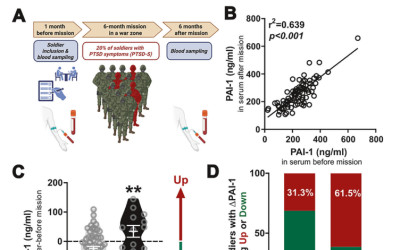
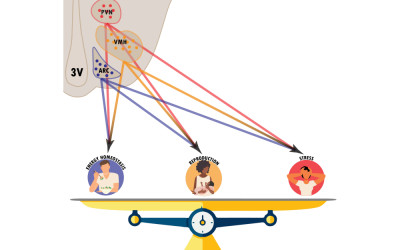

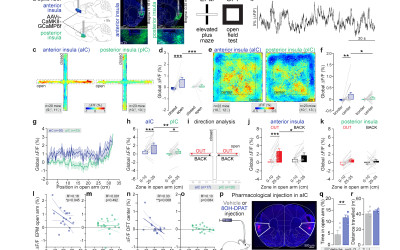
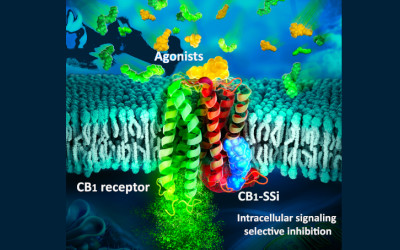
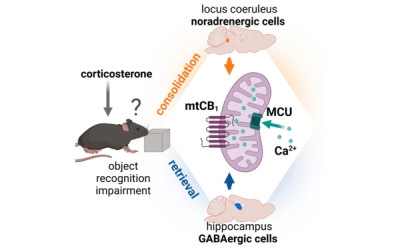

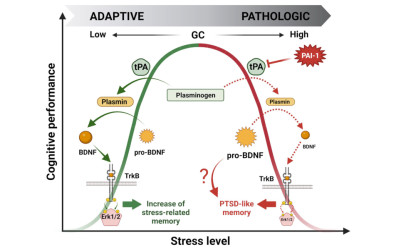

11/2022 | j neurointerv surg
What predicts poor outcome after successful thrombectomy in early time window?
Olivot JM, Heit JJ, Mazighi M, Raposo N, Albucher JF, Rousseau V, Guenego A, Thalamas C, Mlynash M, Drif A, Christensen S, Sommet A, Viguier A, Darcourt J, Januel AC, Calviere L, Menegon P, Caparros F, Bonneville F, Tourdias T, Sibon I, Albers GW, Cognard C

Abstract:
BACKGROUND: Half of the patients with large vessel occlusion (LVO)-related acute ischemic stroke (AIS) who undergo endovascular reperfusion are dead or dependent at 3 months. We hypothesize that in addition to established prognostic factors, baseline imaging profile predicts outcome among reperfusers. METHODS: Consecutive patients receiving endovascular treatment (EVT) within 6 hours after onset with Thrombolysis In Cerebral Infarction (TICI) 2b, 2c and 3 revascularization were included. Poor outcome was defined by a modified Rankin scale (mRS) 3-6 at 90 days. No mismatch (NoMM) profile was defined as a mismatch (MM) ratio </=1.2 and/or a volume <10 mL on pretreatment imaging. RESULTS: 187 patients were included, and 81 (43%) had a poor outcome. Median delay from stroke onset to the end of EVT was 259 min (IQR 209-340). After multivariable logistic regression analysis, older age (OR 1.26, 95% CI 1.06 to 1.5; p=0.01), higher National Institutes of Health Stroke Scale (NIHSS) (OR 1.15, 95% CI 1.06 to 1.25; p<0.0001), internal carotid artery (ICA) occlusion (OR 3.02, 95% CI 1.2 to 8.0; p=0.021), and NoMM (OR 4.87, 95% CI 1.09 to 22.8; p=0.004) were associated with poor outcome. In addition, post-EVT hemorrhage (OR 3.64, 95% CI 1.5 to 9.1; p=0.04) was also associated with poor outcome. CONCLUSIONS: The absence of a penumbra defined by a NoMM profile on baseline imaging appears to be an independent predictor of poor outcome after reperfusion. Strategies aiming to preserve the penumbra may be encouraged to improve these patients' outcomes.


24/10/2022 | embo mol med
Lactate dehydrogenases promote glioblastoma growth and invasion via a metabolic symbiosis.
Guyon J, Fernandez-Moncada I, Larrieu CM, Bouchez CL, Pagano Zottola AC, Galvis J, Chouleur T, Burban A, Joseph K, Ravi VM, Espedal H, Rosland GV, Daher B, Barre A, Dartigues B, Karkar S, Rudewicz J, Romero-Garmendia I, Klink B, Grutzmann K, Derieppe MA, Molinie T, Obad N, Leon C, Seano G, Miletic H, Heiland DH, Marsicano G, Nikolski M, Bjerkvig R, Bikfalvi A, Daubon T
doi: 10.15252/emmm.202115343

Abstract:
Lactate is a central metabolite in brain physiology but also contributes to tumor development. Glioblastoma (GB) is the most common and malignant primary brain tumor in adults, recognized by angiogenic and invasive growth, in addition to its altered metabolism. We show herein that lactate fuels GB anaplerosis by replenishing the tricarboxylic acid (TCA) cycle in absence of glucose. Lactate dehydrogenases (LDHA and LDHB), which we found spatially expressed in GB tissues, catalyze the interconversion of pyruvate and lactate. However, ablation of both LDH isoforms, but not only one, led to a reduction in tumor growth and an increase in mouse survival. Comparative transcriptomics and metabolomics revealed metabolic rewiring involving high oxidative phosphorylation (OXPHOS) in the LDHA/B KO group which sensitized tumors to cranial irradiation, thus improving mouse survival. When mice were treated with the antiepileptic drug stiripentol, which targets LDH activity, tumor growth decreased. Our findings unveil the complex metabolic network in which both LDHA and LDHB are integrated and show that the combined inhibition of LDHA and LDHB strongly sensitizes GB to therapy.


13/10/2022 | Prog Neurobiol
Chemogenetic stimulation of adult neurogenesis, and not neonatal neurogenesis, is sufficient to improve long-term memory accuracy.
Lods M, Mortessagne P, Pacary E, Terral G, Farrugia F, Mazier W, Masachs N, Charrier V, Cota D, Ferreira G, Abrous DN, Tronel S
doi: 10.1016/j.pneurobio.2022.102364

Abstract:
Hippocampal adult neurogenesis is involved in many memory processes from learning, to remembering and forgetting. However, whether or not the stimulation of adult neurogenesis is a sufficient condition to improve memory performance remains unclear. Here, we developed and validated, using ex-vivo electrophysiology, a chemogenetic approach that combines selective tagging and activation of discrete adult-born neuron populations. Then we demonstrated that, in rats, this activation can improve accuracy and strength of remote memory. These results show that stimulation of adult-born neuron activity can counteract the natural fading of memory traces that occurs with the passage of time. This opens up new avenues for treating memory problems that may arise over time.