Les actualités de l'équipe


Afficher par type


Info générale
26/09/2024
SAVE THE DATE - Neuro-tanque Day le jeudi 26 septembre 2024

Nous commençons les Hot Topics de cette année académique avec une journée spéciale Neuro-tanque, organisé par le comité de vie! Si vous ne pouvez pas vous joindre à nous en présentiel pour les Hot Topics le jeudi 26 septembre, à 14h00, rejoignez nous sur zoom ICI (lien identique pour toutes les sessions).
Au programme du Hot Topics:
· Jean-Charles Nicolas (Cota lab): “Investigating the relationship between the extracellular matrix and POMC neuronal biology”
· Pierre-Louis Raux (Revest lab): "Dissecting the role of Pregnenolone in CB1 receptor modulation: Insights from in vivo and in vitro studies"

Au programme de la journée:
12h-14h: Déjeuner "sur l'herbe" (foodtruck) suivi du Café du jeudi (dans le patio et/ou hall d'entrée) - offerts par le Neurocentre
14h-16h: Hot Topics (dans la salle de conférence Magendie)
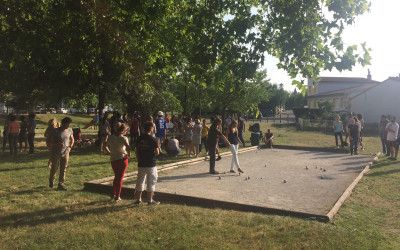
A partir de 17h: Tournoi de pétanque et/ou jeu de quilles Mölkky + Auberge espagnole (dans le parc Carreire à côté de Magendie)

En espérant vous y retrouver nombreux,
Anna, Cristina & Ourania

* * * * * * * * * * * * * * * * * * * * * * * * * * * * * * * * * * * * * * * * * * * * * * * ** * * * * * * * * * * * * * * * * * * * * * * * * * * * * * * * * * * * * * * * * * * * * * * *

We are starting the Hot Topics of this academic year with a special Neuro-tanque day organized by "Le comité de vie"! Please join us for the Hot Topics on Thursday September 26th, at 14:00 in the conference room or on zoom HERE (same link for all Hot Topics).

Data will be presented by:
· Jean-Charles Nicolas (Cota lab): “Investigating the relationship between the extracellular matrix and POMC neuronal biology”
· Pierre-Louis Raux (Revest lab): "Dissecting the role of Pregnenolone in CB1 receptor modulation: Insights from in vivo and in vitro studies"

The day's program:

12pm-2pm: Lunch (foodtruck) followed by the Café de Jeudi (in the patio and/or entrance hall) offered by the Neurocentre.
2pm-4pm: Hot Topics (in the Magendie conference room)
From 5pm : Petanque and/or Mölkky bowling tournament + Auberge espagnole (in the Parc Carreire next to Magendie)

Looking forward to seeing you there and to exciting talks and discussions!

All the best,
Anna, Cristina & Ourania


Hottopic
26/09/2024 14h45
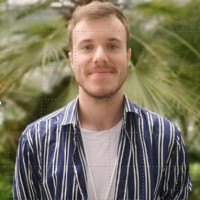
Pierre-Louis Raux from Revest's lab will give a presentation titled "Dissecting the role of Pregnenolone in CB1 receptor modulation: Insights from in vivo and in vitro studies". Please join us in the conference room, or via https://u-bordeaux-fr.zoom.us/j/88458941797.


Plusieurs chercheurs et chercheuses de Bordeaux Neurocampus ont été lauréats des AAP SPARK et prématuration de l’université de Bordeaux.

Voici les lauréats de Magendie:

AAP Spark
A propos de l’AAP Spark

Jean-Michel Revest (Neurocentre Magendie)
Projet : Developping a Biomarker Diagnosis for PTSD
Financement : 75 k€ – Accompagnement : 24 mois


Info générale
22/04/2024
Lauréats de l’AAP Seed Projects 2024

Lors du Conseil de département du 11 avril 2024, les membres du conseil de département et du comité de pilotage du GPR BRAIN_2030 ont sélectionné les lauréats pour l’AAP « Seed Projects » Bordeaux Neurocampus.

ATTENTIONAL – Probing the role of thalamo-cortical loop dysfunction in attention deficits in autism
Coordinateur : Andreas FRICK (Neurocentre Magendie)
Partenaire : Shauna PARKES (INCIA)

GRE-Biosensor – Development of a viral biosensor to record glucocorticoid hormone receptor activity using fiber photometry
Coordinateur :Jean-Michel REVEST (Neurocentre Magendie)
Partenaire : Julie BROSSAUD (NutriNeuro)

Microbellum – Microglia functions in shaping cerebellar circuits
Coordinatrice : Elena AVIGNONE (Neurocentre Magendie)
Partenaire : Mathieu LETELLIER (IINS)

PAINIC- Probing the association between impulsivity, nicotine vulnerability, and pain sensitivity
Coordinatrice : Stéphanie CAILLE-GARNIER (INCIA)
Partenaire : Marc LANDRY (IMN)

SpectrA – Role of spectrins in astrocytes synaptic functions
Coordinatrice : Anna BRACHET (IINS)
Partenaire : Aude PANATIER (Neurocentre Magendie)


Info générale
26/02/2024
Félicitations à l'équipe Revest qui obtient un financement de la Fondation de France

Ce financement a été obtenu dans le cadre de l’appel d’offres "Recherche collaborative sur les maladies psychiatriques" pour son projet "Rôle de l'inhibiteur de l'activateur du plasminogène-1 (PAI-1) dans le phénotype de Trouble de Stress Post-Traumatique (TSPT): un biomarqueur de recherche translationnelle et nouvelle cible thérapeutique du TSPT" et comprend une subvention d’un montant de 200000,00
€ pour 3 ans.

Projet soutenu par la Fondation de France


Juin 2023. Cannabis :  enfin un traitement contre l’addiction ?

La France compte l’un des plus hauts niveaux de consommation de cannabis au monde : près de 40 % des jeunes de 17 ans indiquent par exemple une consommation au cours de l’année écoulée.

Le THC, abréviation de « tétrahydrocannabinol », est le composé qui entraîne la majorité des effets psychoactifs du cannabis, tels que l’euphorie et l’altération de la perception.

En 2023, une équipe de chercheurs et chercheuses de l’Inserm[1] a publié les résultats d’un essai clinique de phase 2 dans la revue Nature Medicine. Ceux-ci révèlent l’efficacité d’un traitement de l’addiction au cannabis, qui a été testé sur 26 participants. Baptisé AEF0117, ce médicament inhibe le récepteur CB1 situé sur les neurones, où se fixe la molécule THC du cannabis.

Résultats : non seulement AEF0117 a atténué les effets liés à l’addiction, mais il a aussi réduit chez les participants l’envie de consommer. Ceci, sans induire un sevrage ou des effets indésirables notables. Il reste maintenant à déterminer la dose la plus efficace du médicament puis à confirmer ses bénéfices, dans le cadre d’un essai sur un éventail plus large de participants.

[1] Cette étude a été portée par la société bordelaise Aelis Farma

Etude portée par Pier-Vincenzo Piazza (AelisFarma) et les équipes de Giovanni Marsicano et Jean-Michel Revest (Neurocentre Magendie).

Référence :
Margaret Haney*, Monique Vallée*, Sandy Fabre*, Stephanie Collins Reed, Marion Zanese, Ghislaine Campistron, Caroline A. Arout, Richard W. Foltin, Ziva D. Cooper, Tonisha Kearney-Ramos, Mathilde Metna, Zuzana Justinova, Charles Schindler, Etienne Hebert-Chatelain, Luigi Bellocchio, Adeline Cathala, Andrea Bari, Roman Serrat, David B. Finlay, Filippo Caraci, Bastien Redon, Elena Martín-García, Arnau Busquets-Garcia, Isabelle Matias, Frances R. Levin, François-Xavier Felpin, Nicolas Simon, Daniela Cota, Umberto Spampinato, Rafael Maldonado, Yavin Shaham, Michelle Glass, Lars Lykke Thomsen, Helle Mengel, Giovanni Marsicano, Stéphanie Monlezun, Jean-Michel Revest & Pier Vincenzo Piazza
Signaling-specific inhibition of the CB1 receptor for cannabis use disorder: phase 1 and phase 2a randomized trials.
Nat Med 29, 1487–1499 (2023).
https://doi.org/10.1038/s41591-023-02381-w


Soutenance
04/12/2023 14h00
Pierre-Louis Raux from Revest's lab will defend his thesis entitled 'Development and characterization of the CB1-E134G transgenic mouse model to study the role of endogenous pregnenolone in modulating the endocannabinoid system'

from Revest's lab will defend his thesis entitled 'Development and characterization of the CB1-E134G transgenic mouse model to study the role of endogenous pregnenolone in modulating the endocannabinoid system'


Pierre-Louis Raux
Team: Physiopathology and therapeutic approaches of stress-related diseases
Neurocentre Magendie

Thesis supervisor: Monique Vallée

Title
Development and characterization of the CB1-E134G transgenic mouse model to study the role of endogenous pregnenolone in modulating the endocannabinoid system

Abstract
The endocannabinoid system (ECS) is a complex neuromodulatory network that has attracted tremendous research interest over the past 50 years. The vast majority of our knowledge of ECS-mediated signaling is associated with the type 1 cannabinoid receptor (CB1R), a seven-transmembrane domain G-protein coupled receptor. CB1R is expressed in various organs and tissues, with the highest levels found in the brain, where it is the most abundant metabotropic receptor in mammals and is intimately involved in the regulation of a plethora of biological functions. Because CB1R controls such a broad range of physiological processes, dysregulation of CB1-mediated signaling has been implicated in the pathogenesis of many central and peripheral disorders. Thus, CB1R represents an exciting therapeutic target for the development of pharmacotherapies in the context of neuropsychiatric and metabolic diseases. From this perspective, the discovery of endogenous regulatory mechanisms to prevent an imbalance in CB1R activity represents promising therapeutic strategies to restore the CB1R-associated homeostatic load. In particular, the steroid pregnenolone (PREG) has been identified as an endogenous CB1 negative allosteric modulator with neuroprotective effects. Interestingly, CB1 overactivation by the exogenous CB1 agonist Δ9- tetrahydrocannabinol (THC), the primary psychoactive component of Cannabis sativa, has been shown to upregulate central PREG levels, establishing an endogenous negative feedback loop between the steroid and the CB1R. Indeed, PREG is able to bind to the TMH1/TMH8/Hx8 region of the CB1R and selectively inhibit CB1-mediated signaling pathways to protect against the acute and toxic effects of THC. However, our current knowledge of the interaction between PREG and CB1R remains elusive, and the limited pharmacological tools available are insufficient to identify novel roles for PREG in modulating CB1-mediated signaling and functions. To further explore this topic, we report the development and characterization of a novel transgenic mouse line carrying a missense point mutation in the CB1-encoding gene (Cnr1), resulting in the amino acid substitution E134G, aimed at disrupting the PREG allosteric binding site on CB1. The general objectives of this work are to describe the phenotypes of male and female CB1-E134G mice at baseline, under experimental conditions known to induce endogenous CB1R activation, and in response to exogenous cannabinoid administration. Analyses show little to no changes in behavior of mutant CB1-E134G mice compared to their wild-type (WT) littermates, at baseline and after endogenous CB1 activation, suggesting that endogenous PREG does not regulate this CB1 activity. However, CB1 protein was found to be drastically downregulated in the brain of naive CB1-E134G mutants, suggesting a compensatory mechanism to prevent CB1R activation overload and a role for PREG in CB1R dynamics in vivo. In addition, CB1-E134G mice exhibited enhanced efficacy of exogenous cannabinoids at the behavioral, somatic and neurochemical levels compared to WT mice. Interestingly, PREG was found to preferentially regulate striatonigral mitochondria-associated CB1R over plasma membrane-associated CB1R involved in cannabinoid-mediated locomotor effects and antinociception, respectively. Collectively, these data confirm that PREG represents a defense mechanism against CB1 overactivation and suggest that this regulatory loop may involve specific intracellular subsets of receptors to maintain homeostasis. Furthermore, it can be hypothesized that PREG represents a molecular switch to bias the action of cannabinoids towards therapeutically relevant analgesia by inhibiting motor side effects, suggesting the therapeutic potential of PREG in cannabis use disorders. Finally, future use of this model may provide new opportunities to elucidate the mechanism of action of PREG as a CB1 negative allosteric modulator and new therapeutic prospects.

Jury
Francis CHAOULOFF, DR INSERM U1215, Université de Bordeaux ; Président

Elena MARTIN-GARCIA, Professeur, Université Pompeu Fabra ; Rapportrice

Giuseppe GANGAROSSA, Professeur, Université Paris Cité ; Rapporteur

Yvette AKWA, Chargée de recherche, INSERM 1195 ; Examinatrice

Roberto FRAU, Prof Associate, Université de Cagliari ; Examinateur

Monique VALLÉE, CR CNRS, Université de Bordeaux ; Directrice de thèse


Date de la soutenance: 04/12/2023 - 14h00
Lieu: Neurocentre Magendie Seminar room

Pour plus de détails: https://www.bordeaux-neurocampus.fr/en/event/thesis-defense-pierre-louis-raux/?utm_source=mailpoet&utm_medium=email&utm_campaign=la-lettre-de-bordeaux-neurocampus_75

Hottopic
29/11/2023 13h00
Pierre Louis RAUX from Revest's lab will give a presentation entitled "Development and characterization of the CB1-E134G transgenic mouse model to study the role of endogenous pregnenolone in modulating the endocannabinoid system". Please join us in the conference room, or via https://u-bordeaux-fr.zoom.us/j/88458941797.

Soutenance
06/07/2023 14h00
Monique Vallée from Revest's lab will defend her HDR entitled 'Functional role of Neurosteroids in the brain: Identification of the regulatory profile of endogenous pregnenolone on the endocannabinoid system and therapeutic applications'

from Revest's lab will defend her HDR entitled 'Functional role of Neurosteroids in the brain: Identification of the regulatory profile of endogenous pregnenolone on the endocannabinoid system and therapeutic applications'
Date de la soutenance: 06/07/2023 - 14h00
Lieu: Neurocentre Magendie Seminar room

Pour plus de détails: https://neurocentre-magendie.fr/recherche/page_perso.php?lang=fr&team=Revest&agent=1139


Une découverte scientifique d’Aelis Farma avec des chercheurs du Neurocentre Magendie et Columbia University (NY) dans Nature Medicine.

Référence
Signaling-specific inhibition of the CB1 receptor for cannabis use disorder: phase 1 and phase 2a randomized trials
Margaret Haney, Monique Vallée, Sandy Fabre, Stephanie Collins Reed, Marion Zanese, Ghislaine Campistron, Caroline A. Arout, Richard W. Foltin, Ziva D. Cooper, Tonisha Kearney-Ramos, Mathilde Metna, Zuzana Justinova, Charles Schindler, Etienne Hebert-Chatelain, Luigi Bellocchio, Adeline Cathala, Andrea Bari, Roman Serrat, David B. Finlay, Filippo Caraci, Bastien Redon, Elena Martín-García, Arnau Busquets-Garcia, Isabelle Matias, Frances R. Levin, François-Xavier Felpin, Nicolas Simon, Daniela Cota, Umberto Spampinato, Rafael Maldonado, Yavin Shaham, Michelle Glass, Lars Lykke Thomsen, Helle Mengel, Giovanni Marsicano, Stéphanie Monlezun, Jean-Michel Revest & Pier Vincenzo Piazza
Nature Medicine, 8 June 2023
https://doi.org/10.1038/s41591-023-02381-w


Pièces jointes